Innovative Advanced Materials
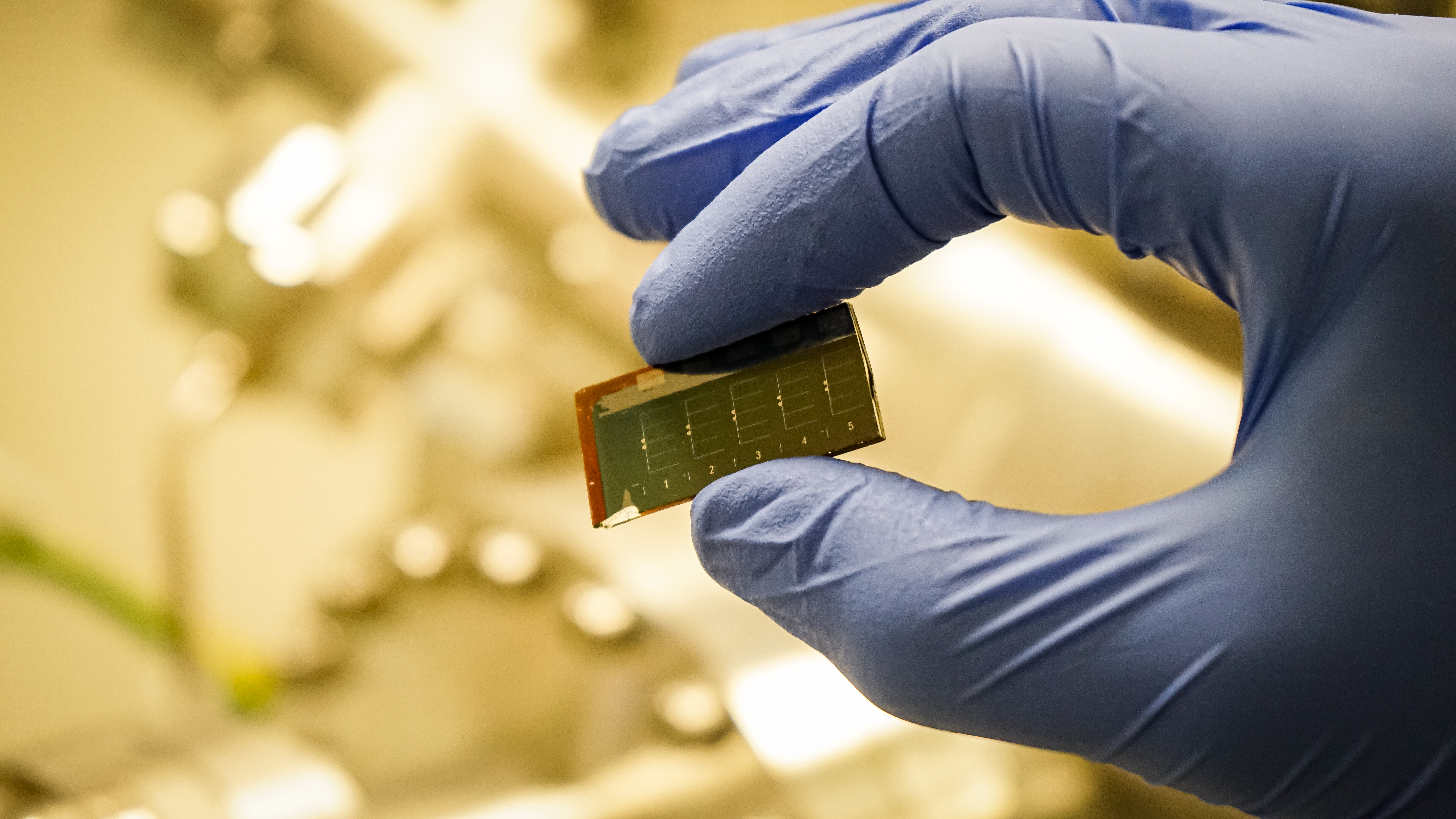
At INL, Innovative Advanced Materials (IAMs) research takes a cross-cutting approach, delivering breakthroughs in clean energy, sustainability, health, and digital technologies.
Aligned with the EU’s vision for a dynamic and inclusive materials ecosystem, INL combines nanoscale discovery, device integration, testing, and systems engineering to accelerate the journey from lab to market, ensuring that safe and sustainable technologies reach society faster.
Advanced materials: promoting societal impact and policy priorities
The IAM‑I partnership envisions a strong, inclusive European materials ecosystem that accelerates the development and uptake of safe and sustainable materials and associated technologies. Its mission is to co‑create a cross‑sector R&I agenda that brings public and private stakeholders together and speeds up time‑to‑market. Similarly, the European Commission’s 2024 Advanced Materials strategy calls for fast‑tracking “lab‑to‑fab” innovation, improving access to testing facilities and harmonised standards, and increasing investment to move innovations into industrial use.
INL’s work, embedded in these frameworks, contributes to a circular, safe and resilient materials ecosystem where societal needs, clean energy, sustainable environment, healthy ageing and digital sovereignty, are jointly addressed through materials innovation.
INL’s advanced facilities: enabling responsible materials innovation
At the structural level, INL offers state‑of‑the‑art equipment and facilities that enable cutting-edge research and innovation in the field of Innovation in Advanced Materials (IAM). Our world-class infrastructure includes:
- Micro & Nanofabrication Facility: 1,200 m² Class-100 cleanroom for wafer processing and prototyping.
- Electron Microscopy & X-Ray Facility: Atomic-scale analysis with in-situ capabilities.
- Nanophotonics & Bioimaging Facility: Advanced optical tools for imaging and plasmonic material design.
- Materials Testing Facility: Comprehensive physical and chemical characterisation.
Importantly, INL adopts a safe‑ and sustainable‑by‑design (SSbD) ethos, ensuring that every new material is conceived with its environmental footprint and human health impacts in mind.
INL’s scope of research
Innovative Materials research at INL spans three grand thematic areas: Information and Communication Technologies (ICT), Energy and Environment, and Life Sciences. Across these domains, our research outputs aim to address global challenges and drive progress in mobility, health, clean energy, and digital technologies, fostering innovation that benefits society and industry alike.

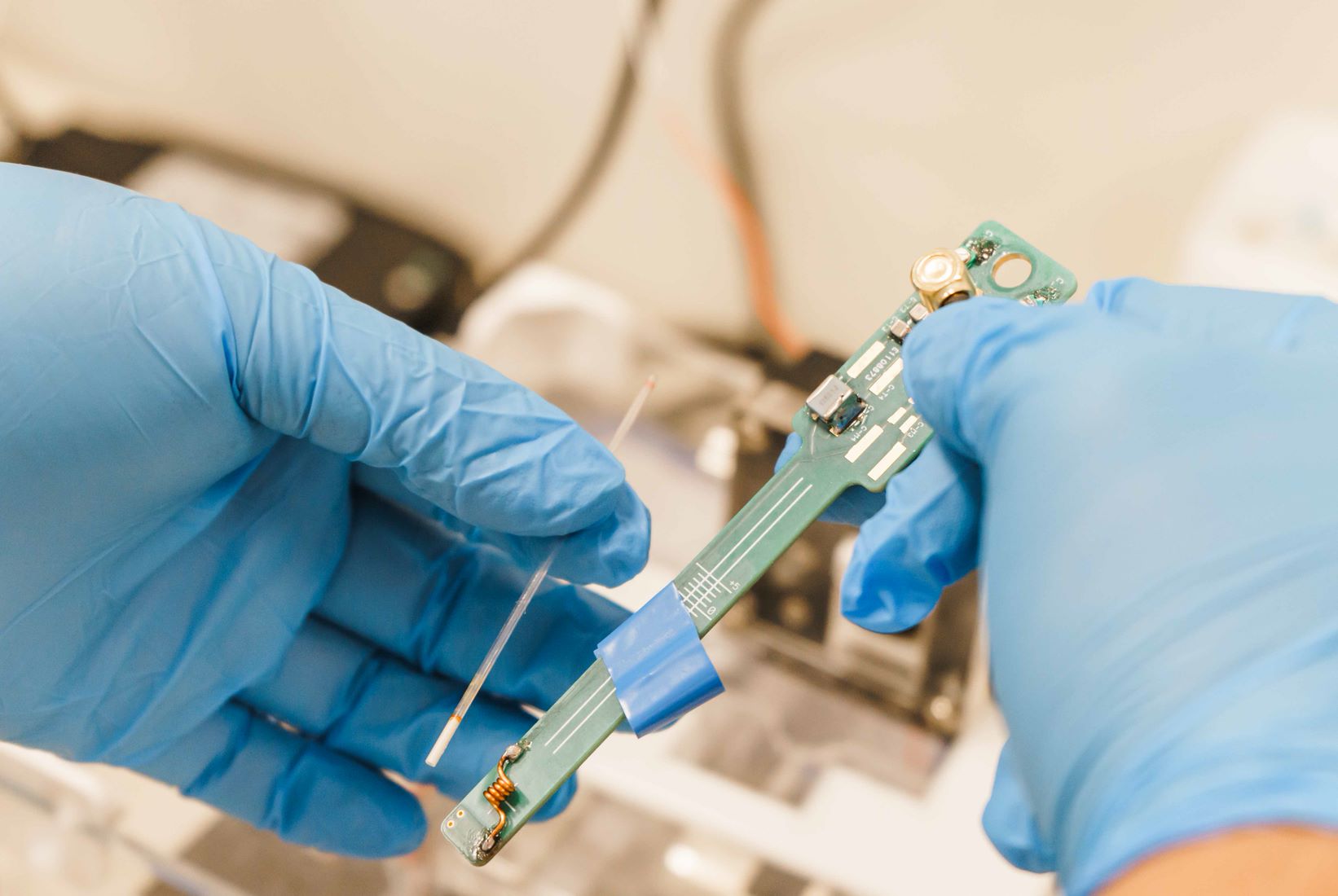
INL’s strategic collaboration: connecting government, industry, and EU/national agendas
INL’s IAM agenda relies on active collaboration with governments, industry, and European initiatives. As a founding member of the co‑programmed IAM4EU Partnership, INL works alongside public and private stakeholders to co‑create a shared research and innovation roadmap. The laboratory also contributes to EU-level foresight—most notably through a 2025 workshop it led, which integrated medical devices into the EU’s industrial agenda.
At the European level, INL plays a strategic role in initiatives such as the Advanced Materials Strategy, supporting key priorities like accelerating the transition from lab to fab and harmonising standards. The laboratory also engages in research & innovation actions and EU-wide networks, aligning with initiatives including EuMAT (European Technology Platform for Advanced Engineering Materials and Technologies), the Chips Act, the Batteries European Partnership, the Clean Hydrogen Partnership, and ETPN (European Technology Platform for Nanomedicine).
Nationally, INL partners with programmes under Portugal’s Recovery and Resilience Plan, such as R2U Technologies and GreenAuto, and collaborates with industry consortia to deploy innovations in renewable energy, mobility, and healthcare.
Through these collaborations, INL helps shape policies, standards, and investment priorities, ensuring Europe remains at the forefront of the advanced materials revolution while delivering tangible benefits for society, industry, and the environment.