INL highlights the impact of research on our daily lives at the European Researchers’ Night 2022
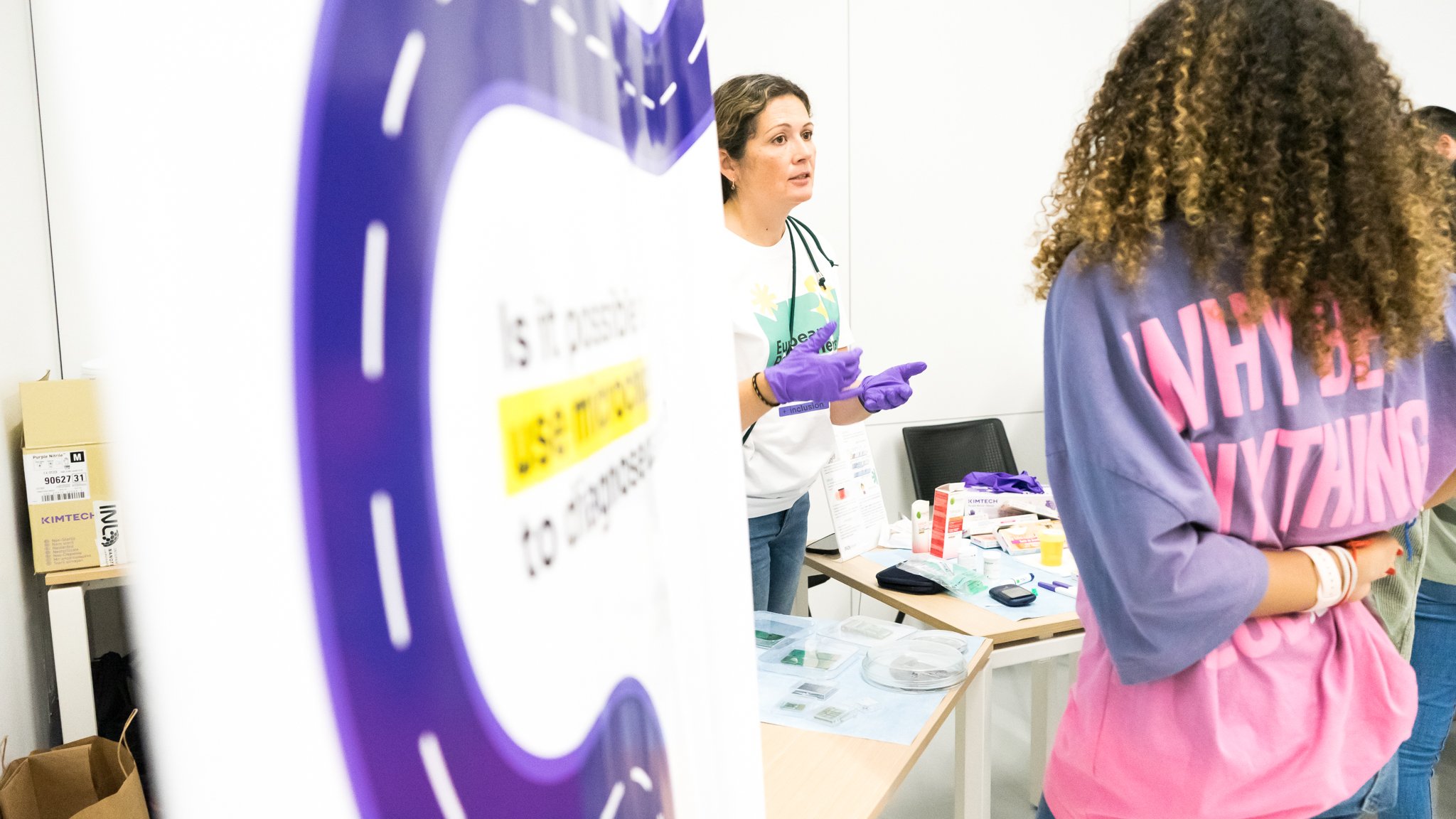
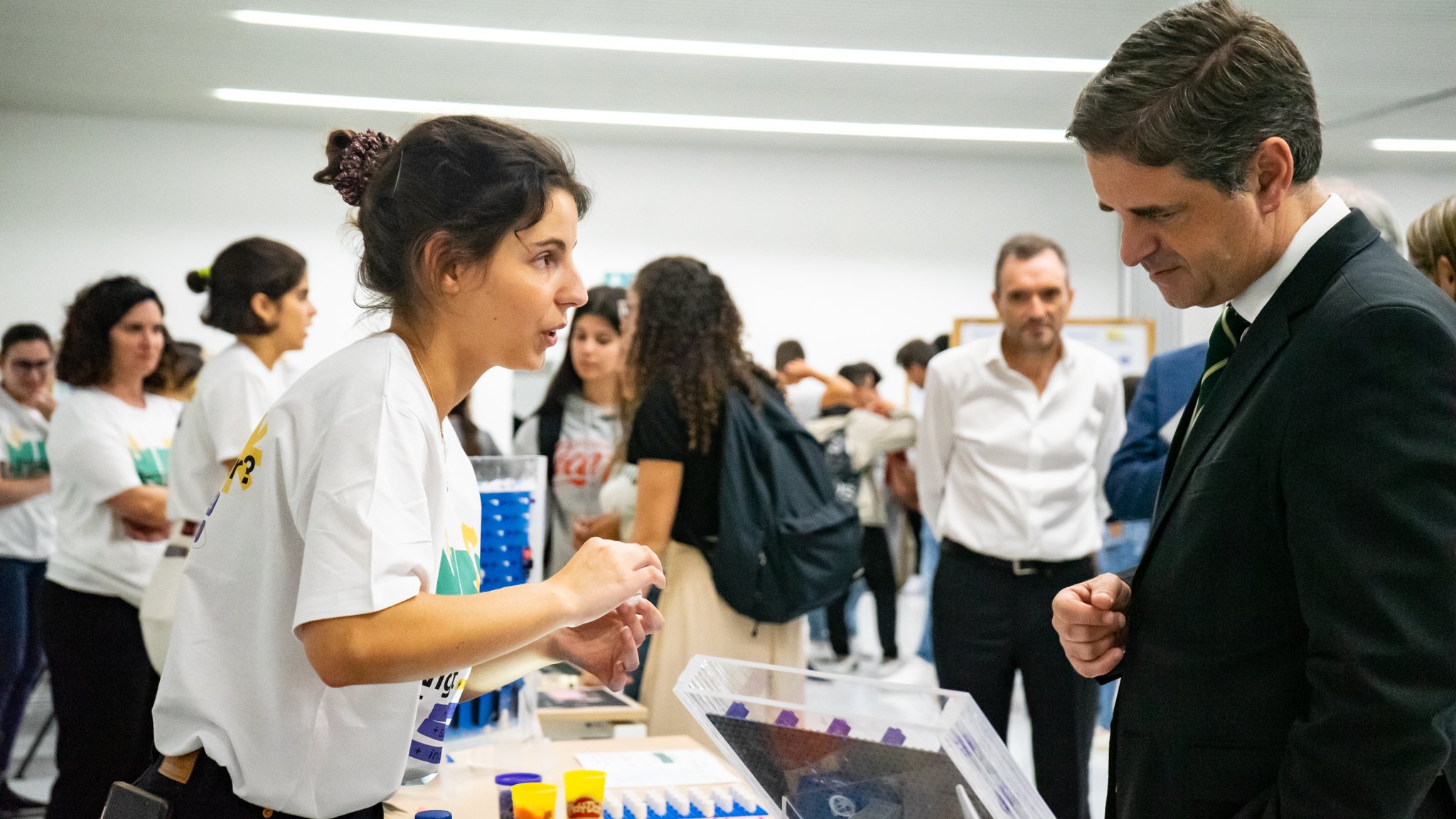
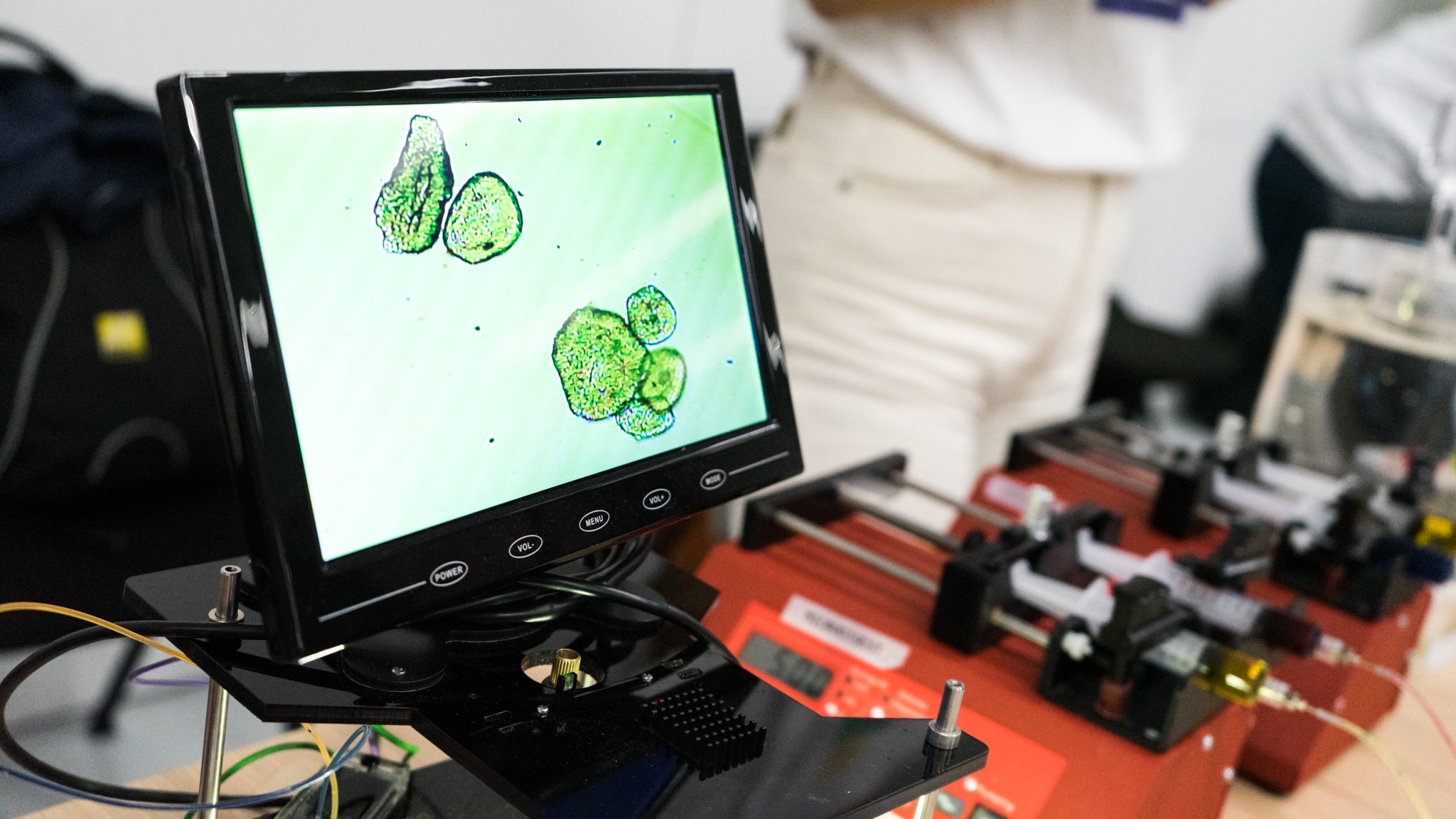
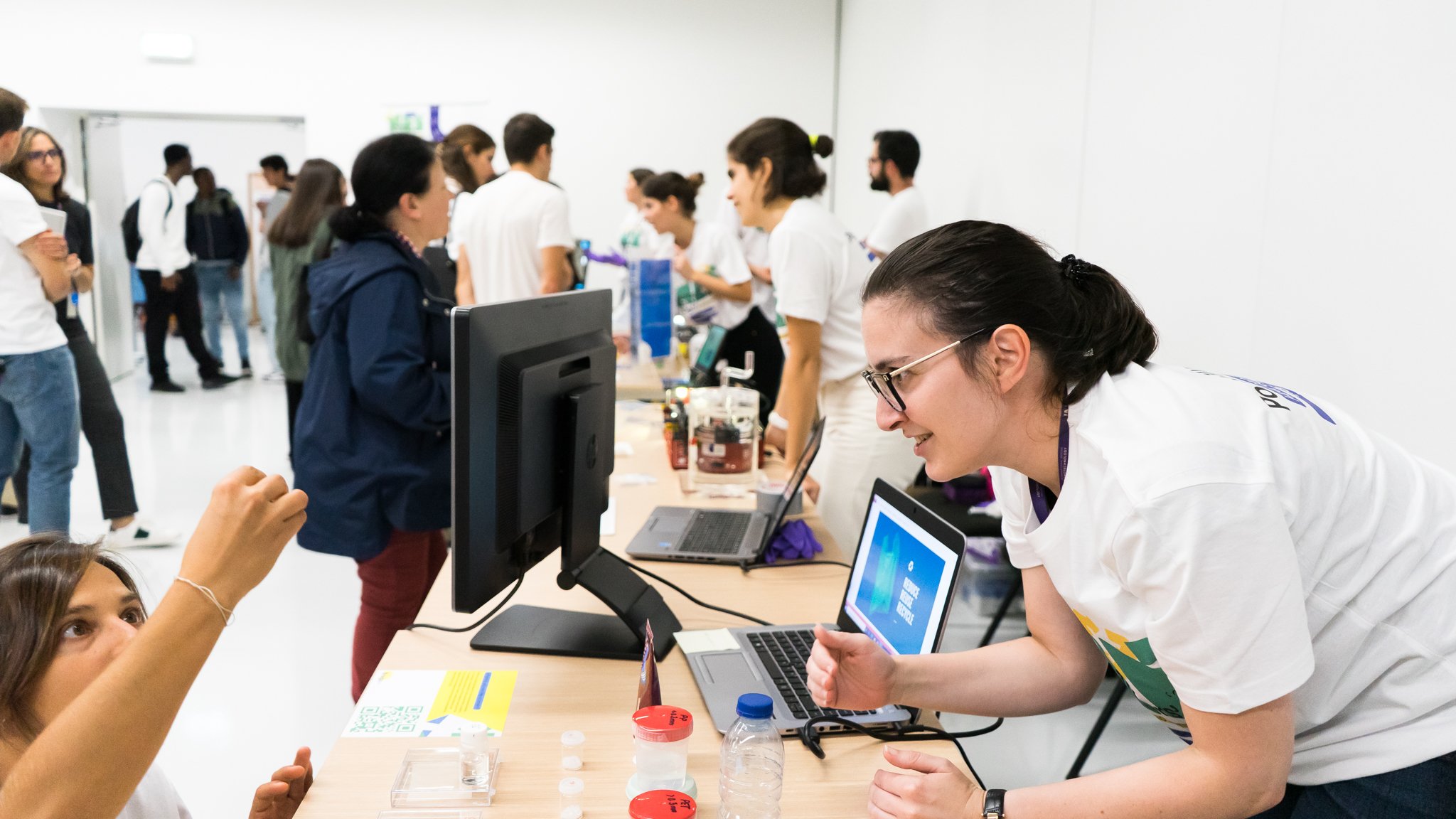

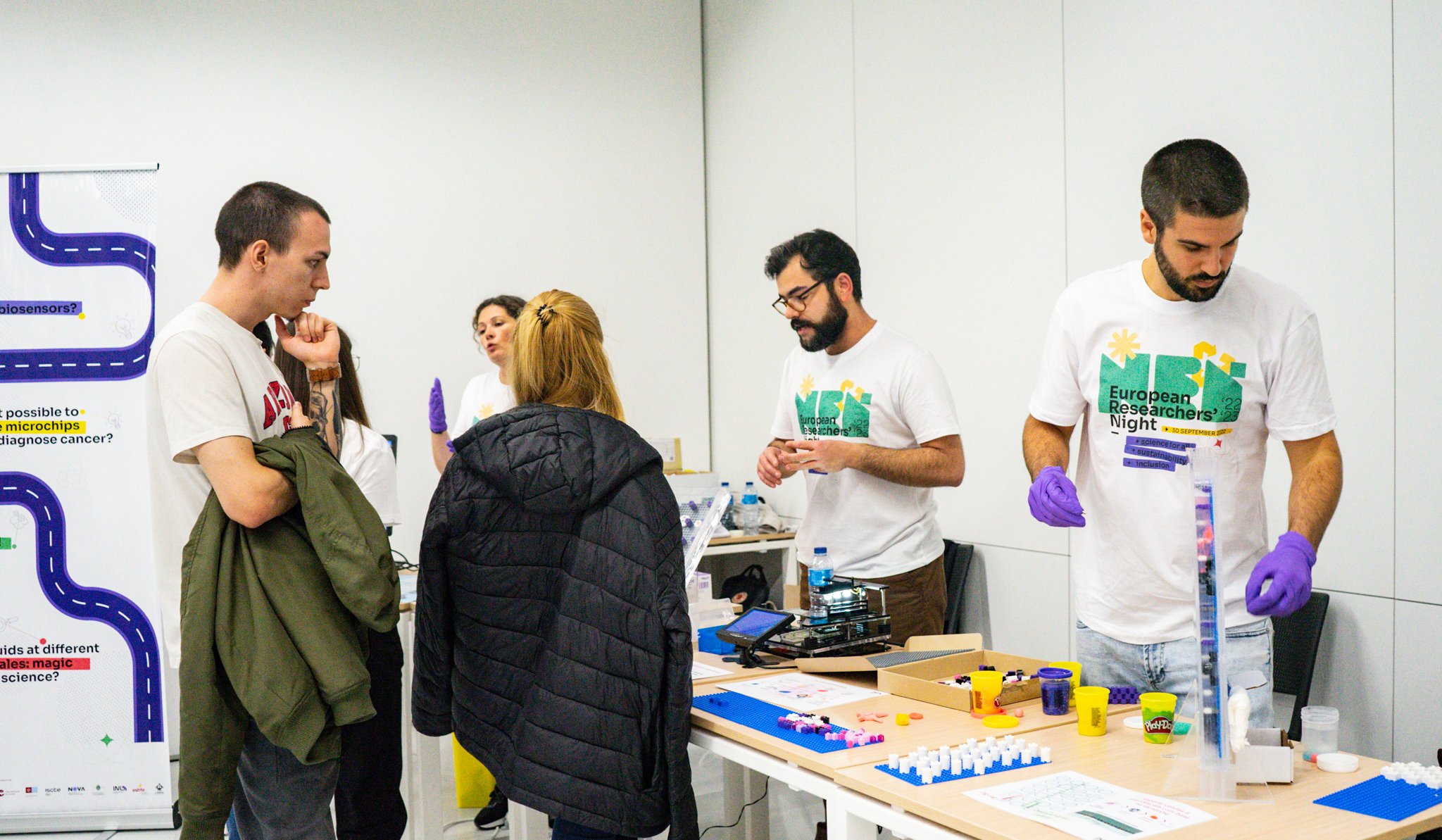
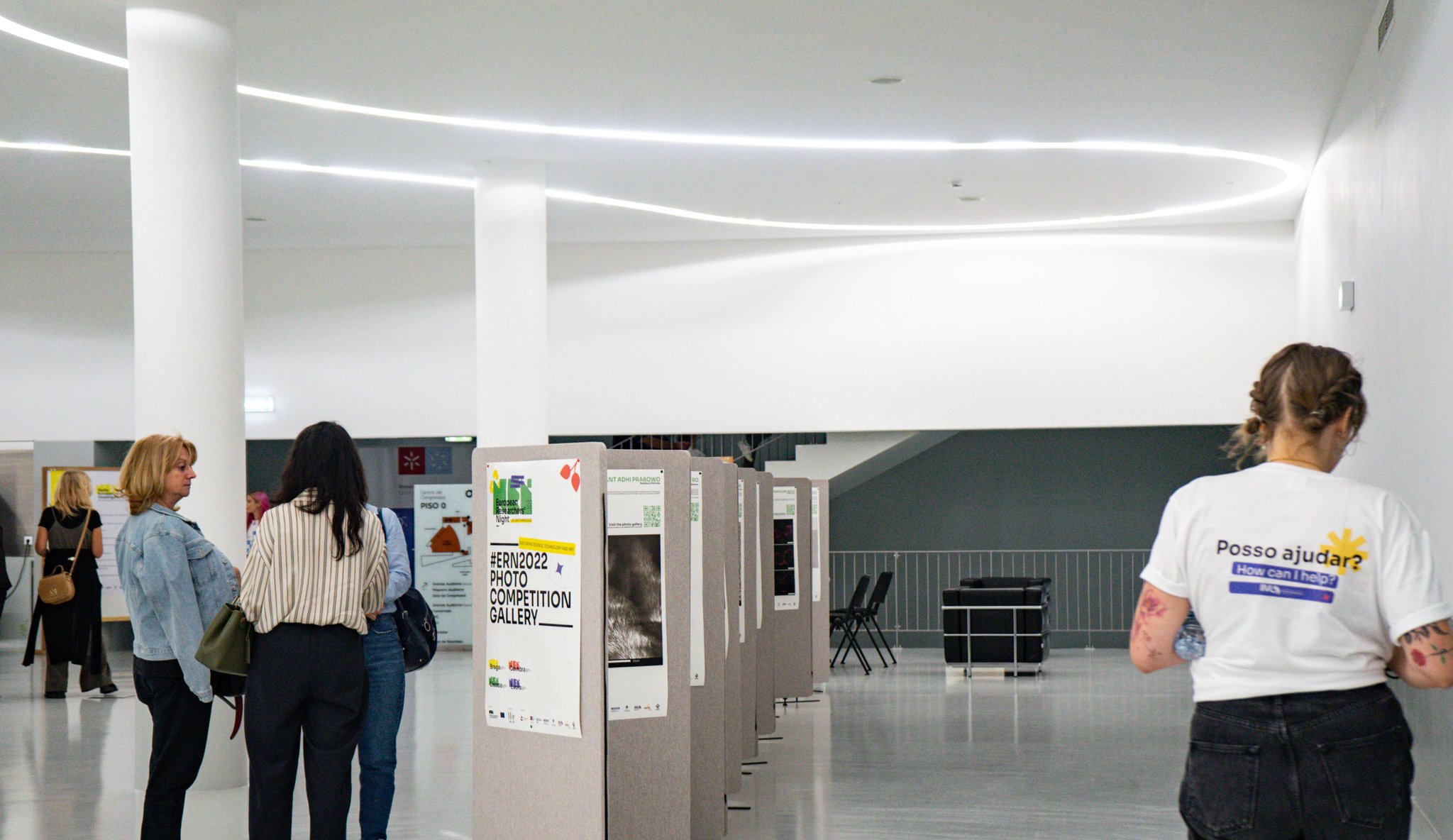
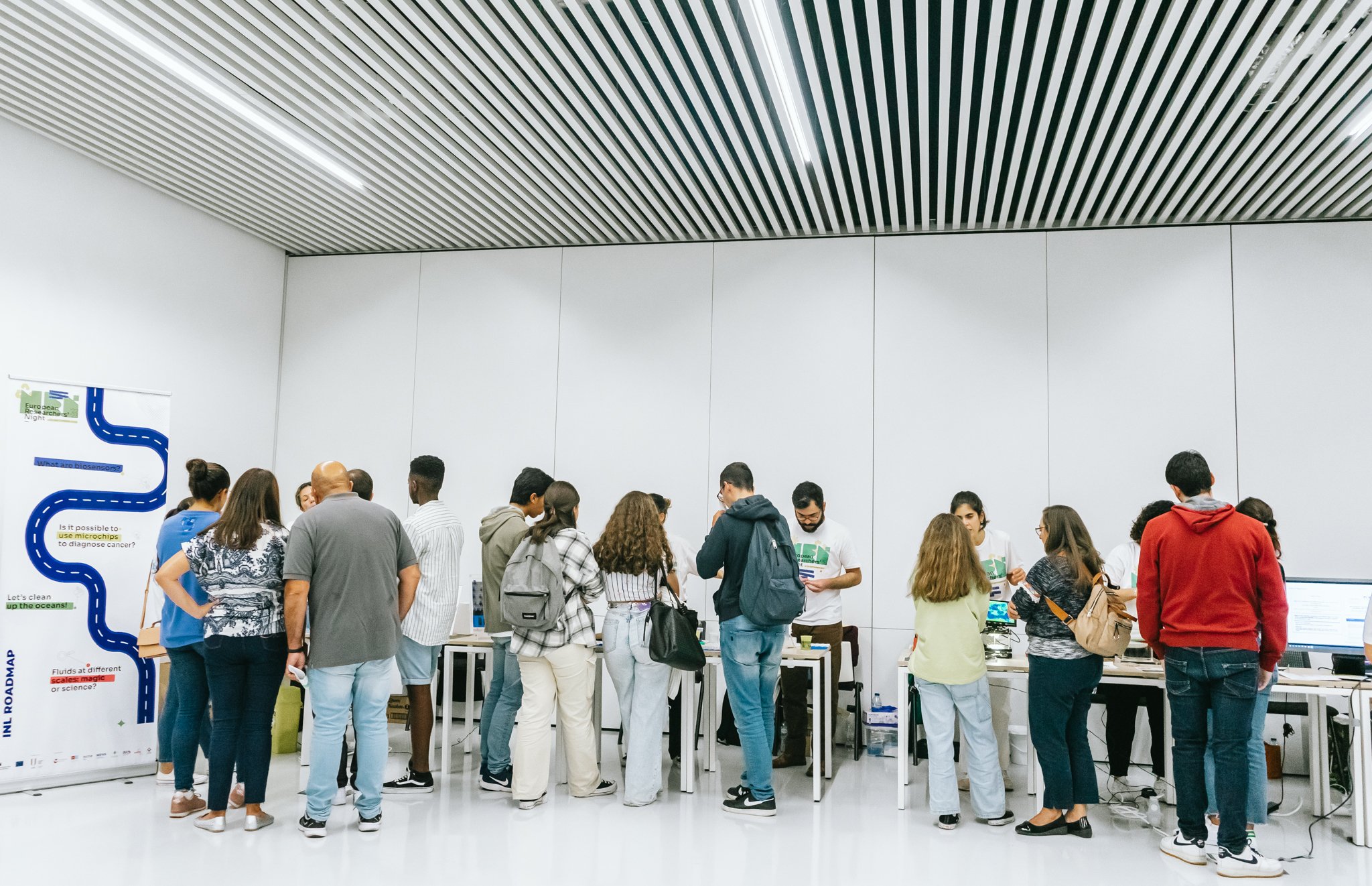
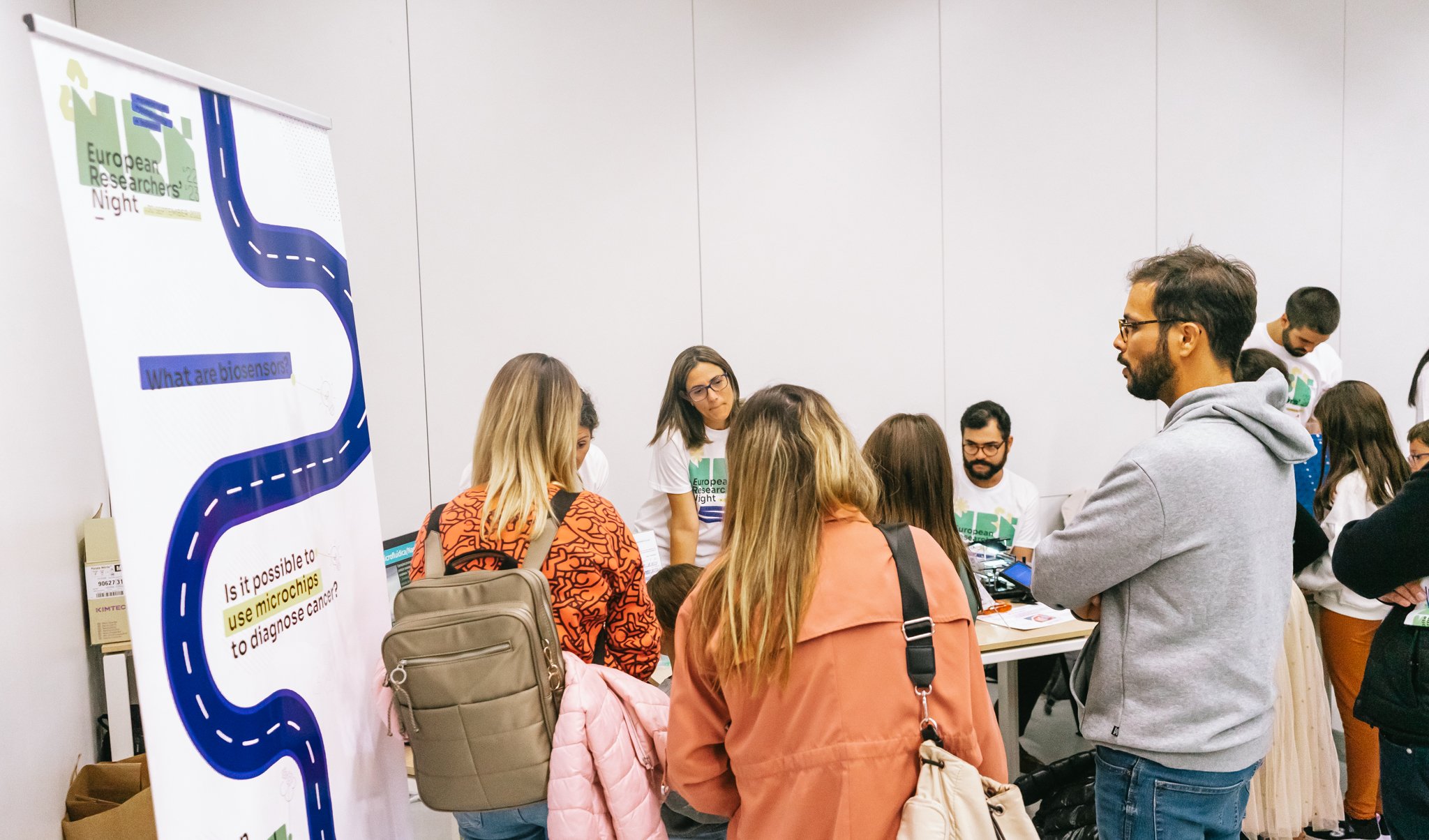
The last Friday of September 2022 marked the return of the European Researchers’ Night — the annual celebration of innovative research taking place simultaneously in more than 30 countries and 300 cities throughout Europe.
The diverse programme included games, hands-on activities, a photo booth, and the ERN2022 Photo Exhibition. We learned about biosensors, explored the world of microchips, showcased how we are fighting water pollution, illustrated how fluids work at different scales and shared the passion and the special work MISSION NERD is developing by spreading scientific knowledge to the community.
These were just a few of the possible applications that International Iberian Nanotechnology Laboratory (INL), and ECUM – University of Minho many other partners introduced to more than 1300 visitors 2022 European Researchers’ Night, at Altice Fórum Braga.
The audience defied all researchers with relevant questions and expressed genuine wonder as they saw “magic” happening before their eyes.
This year, ‘Science for Everyone – Sustainability and Inclusion’ was the motto that framed an event committed to raise awareness about the role of science in achieving sustainability and inclusion goals among school students and different audiences, while identifying key societal concerns about climate change and sustainable growth and linking them to science-oriented solutions and proposals.
NanoBioSensor, developing a faster methodology to detect the presence of spoilage

Today, on 29 September 2022, we celebrate the third International Day of Awareness of Food Loss and Waste, a global awareness day promoted by the Food and Agriculture Organization of the United Nations (FAO) and the United Nations Environment Programme UNEP.
According to the Food and Agriculture Organization of the United Nations, from a global perspective, approximately one-third of the food that is intended for human consumption gets lost or wasted along the food supply chain every year. This is equal to an amount of 1.3 billion tons.
For fruits and vegetables, it is estimated that 50 % of the annual harvest does not reach the consumer. Additionally, at the consumer level, insufficient purchase planning and expiring ‘best-before-dates’ also cause large amounts of waste.
The project NanoBioSensor, a collaboration between INL, Exatronic and Frulact, developed a faster methodology to detect the presence of spoilage-responsible microorganisms (yeast and moulds) in fruit preparations.
The device and methodology were developed by combining the researchers’ expertise in molecular biology, microfluidics and electronics. This new methodology allows much faster detection of microorganisms – reducing the total analysis time of 7 days to less than 24 hours with a sensibility comparable to conventional methods.
The results of the project NanoBioSensor are of high interest to the food industry, making it possible to better control fruit preparations during their processing, storage and transport, contributing to the reduction of food loss and waste.
Reducing food loss and waste presents an opportunity for immediate climate benefits while improving the overall sustainability of our food systems – a necessary transformation to ensure better planetary and nutritional outcomes for current and future generations.
Back to a Healthy Future: Inno4cov19 showcases MedTech solutions in Brussels
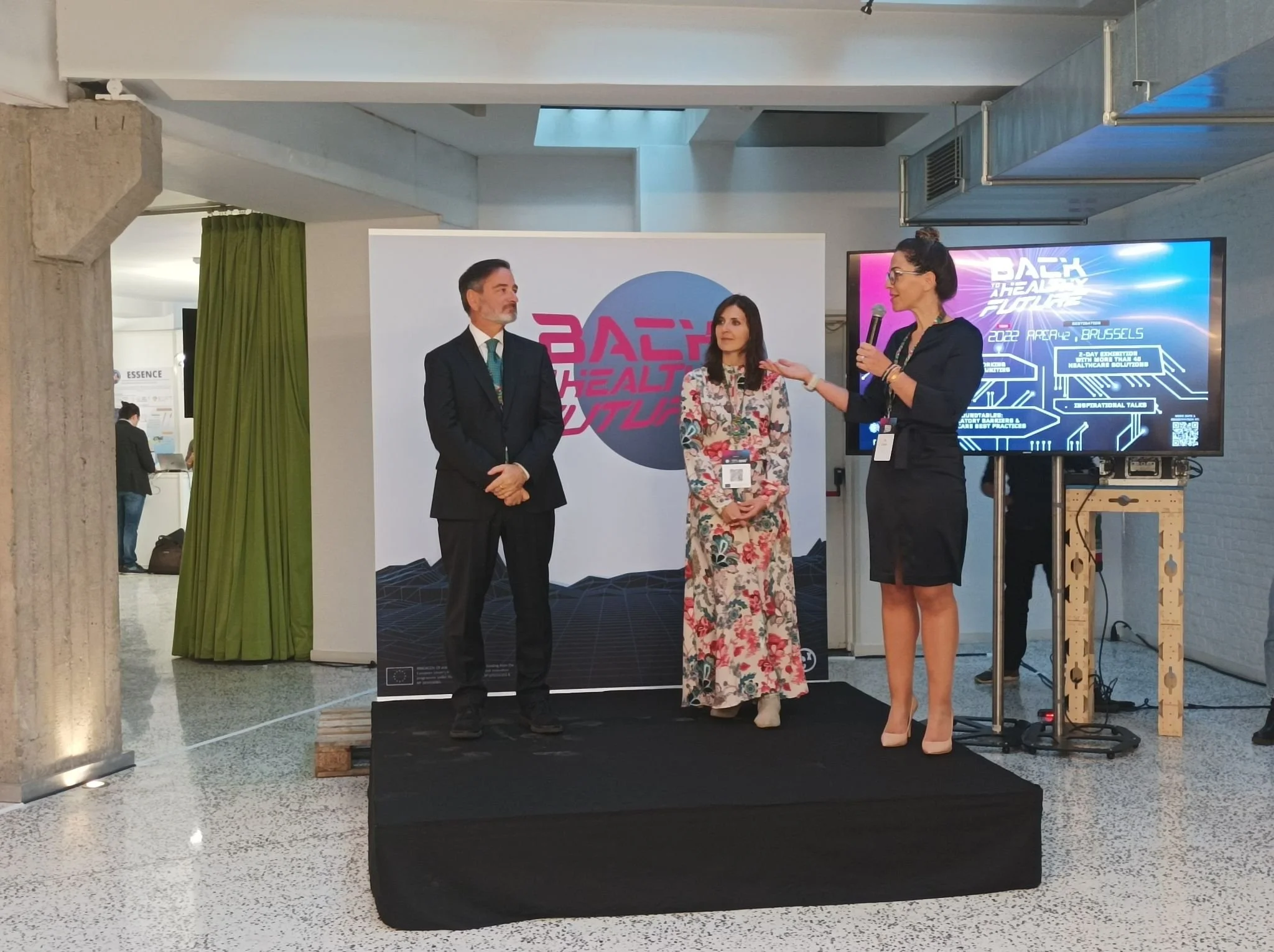
Between September 21 and 22, the EC-funded project led by INL – International Iberian Nanotechnology Laboratory – Inno4cov-19 joined forces with Covidx to showcase the novel medical technologies developed by companies supported over the last 2 years by both projects.
Under the motto Back to a Healthy Future, the 2-day programme exploited the results achieved within the two European projects, with the final goal of enhancing and fostering the uptake of the solutions presented and, consequently, contributing to preparing Europe for future challenges.
The event took place in AREA 42, Brussels, connecting 25 companies with crucial stakeholders – from investors to potential collaborators, the European Commission and European partners – aiming to exploit the results achieved and enhance further collaboration opportunities.
The +100 participants had the chance to explore the presented solutions, join the discussion around relevant topics for the development of medical technologies – such as regulatory barriers and lessons learnt, and enrol in matchmaking sessions with all the parties involved.
~
Since 2020, INNO4COV-19 is committed to boosting innovation for COVID19 diagnostic, prevention and surveillance.
European Researchers’ Night returns next week to Braga
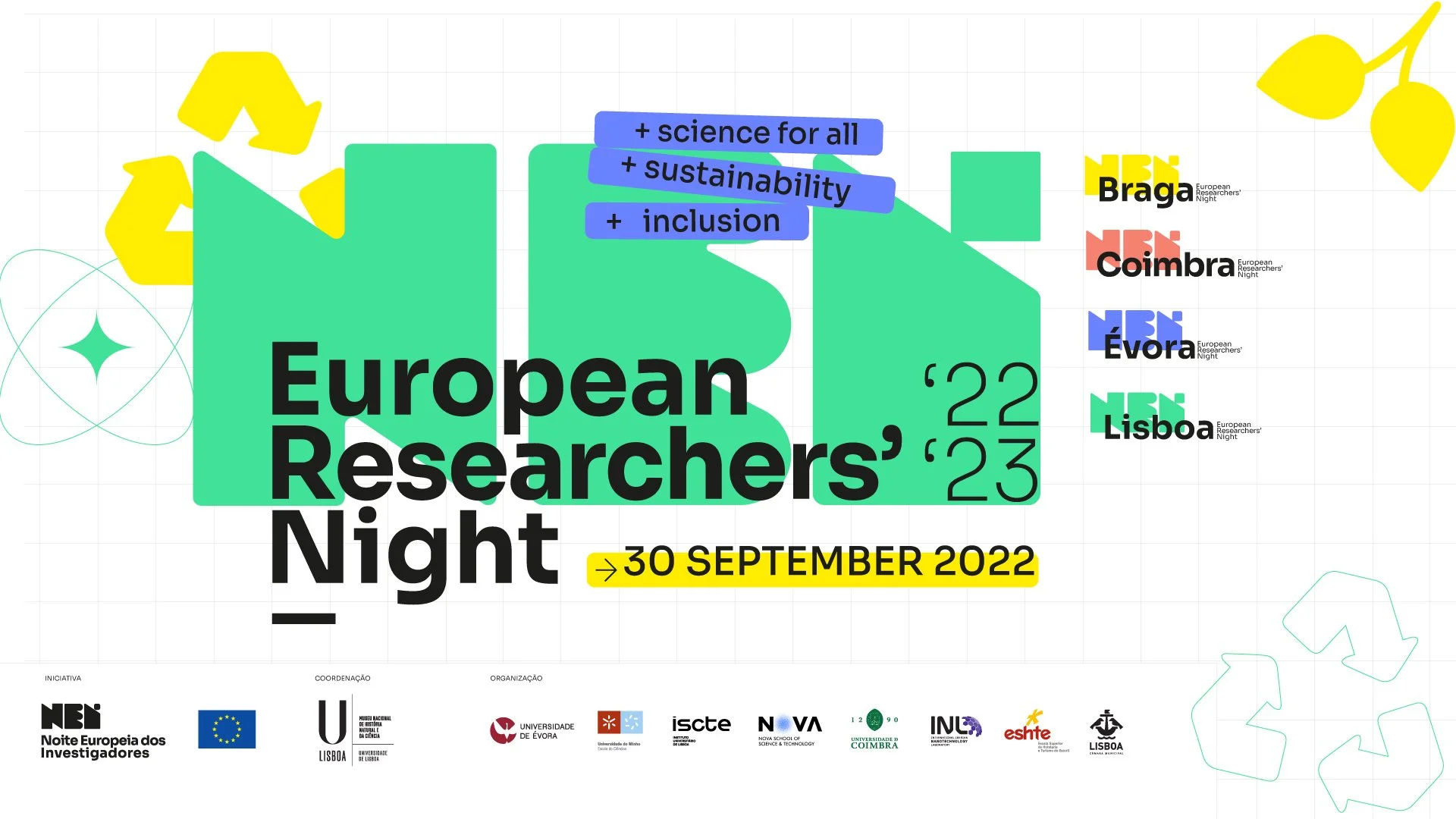
The European Researchers’ Night 2022 (ERN 2022) will be back in Portugal, next week, with the theme “Science for All (SCIEVER) – Inclusion and Sustainability”, within a national consortium coordinated by the University of Lisbon, through the National Museum of Natural History and Science (MUHNAC), which also integrates the INL – International Iberian Nanotechnology Laboratory, and the School of Sciences of the University of Minho.
The initiative will take place on September 30th, between 4 pm and midnight, with a national online program and local activities in Braga, Coimbra, Lisbon and Évora.
The theme of the European Researchers’ Night 2022 – ‘SCIEVER’ – will contribute simultaneously to two main objectives: (i) improving the understanding of the importance of scientific careers development and science investments; (ii) increasing researchers’ understanding of the role of society as a whole for sustainable science policies development.
The goal of our consortium is to directly respond to Responsible Research and Innovation (RRI) goals of the EU framework program by raising public awareness, also among school communities, about the relevance of science to assure resources preservation, decarbonization and inclusion and by bridging the gap between scientists and society, giving researchers the opportunity to perceive the main concerns of citizens and how those see and understand their work. Schools and their students will be involved in activities during the whole project, in order to ensure the impact of such communities.
The European project consortium includes as partners the National Museum of Natural History and Science of the University of Lisbon, the Nova School of Sciences and Technology of the Universidade Nova de Lisboa, the Iscte – Instituto Universitário de Lisboa, the Municipality of Lisbon, the Estoril School of Hospitality and Tourism, the INL – International Iberian Nanotechnology Laboratory, the School of Sciences of the University of Minho, the University of Évora, and the University of Coimbra.
Join us, at Altice Fórum Braga, next week! It will be fun!
INL and Sogrape share a patent for sensors to monitor grape ripeness
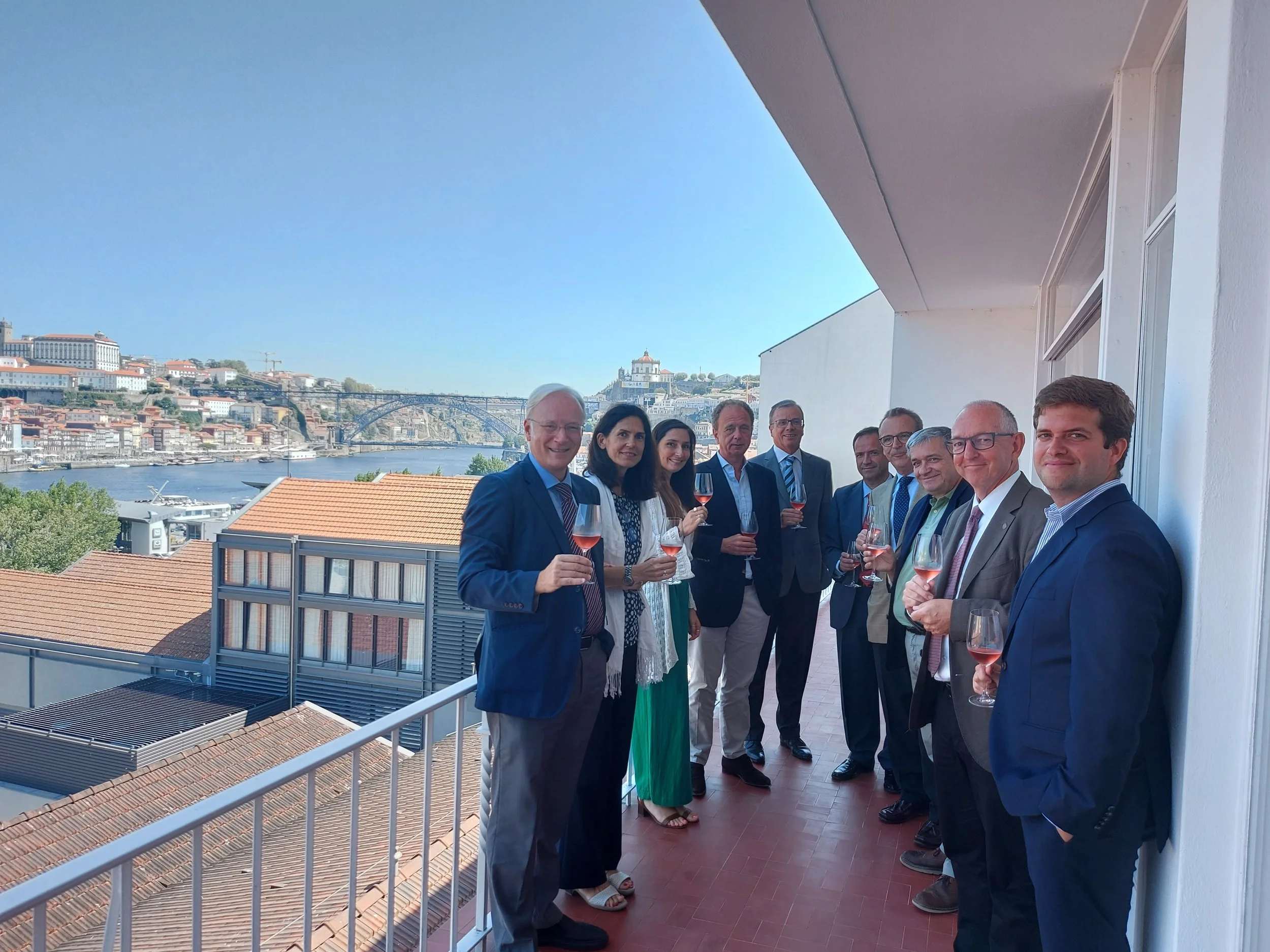
INL and Sogrape share a patent for sensors to monitor grape ripeness, an action that follows a partnership that began in 2015. This partnership and work explore opportunities for emerging technologies, such as microelectronics and nanotechnology, for the wine sector.
Without needing vineyard samples or laboratory analysis, the sensor analyses the light that is reemitted by the grape tissue, which varies according to the levels of sugars and organic acids in the grape. During ripening, the sugar content increases and the organic acid content decreases.
The innovation of the design lies in the way the sensors are attached to the bunch of grapes and the ability to analyse several berries in the bunch at the same time, which gives a representative view of the variation that exists within each bunch, between bunches and between vines in the same vineyard, giving the wine-grower and winemaker an accurate picture of how ripening occurs in each location, in real-time.
The simplicity of the registered concept and the use of precision optoelectronic micro-components in its construction allows the prospect of commercialisation at affordable prices when it becomes mass-produced. The patent has been registered in the European Union, United Kingdom, USA, South Africa, China and Australia and awaits registration in New Zealand and Chile.
Since revealing its purpose, INL — Internationational Iberian Nanotechnology Laboratory has been working hard to fulfil its promise of becoming a world reference for nanotechnology. “With this patent sharing agreement, the result of 5 years of joint work between INL and Sogrape, we pave the way for a more consolidated intellectual property exploitation plan and bring the Internet of Things (IoT) to the vineyards – the real in situ “sensing”,” states Prof. Paulo Freitas, Acting General Manager of INL.
Sogrape’s R&D department has promoted long-lasting partnerships for several years to bring scientific excellence to the development and progress of the wine sector. According to António Graça, “this patent arose from a challenge we pitched to INL based on a dream of having a more accurate and real vision of grape ripening“. “INL researchers responded to the challenge by interacting with us periodically and frequently. Naturally, there were moments of appreciation for our wines that helped explain what words could not. And, thus, the invention was born“, Sogrape’s Head of R&D said.
Next Page » « Previous Page -->INL and Sogrape share a patent for sensors to monitor grape ripeness, an action that follows a partnership that began in 2015. This partnership and work explore opportunities for emerging technologies, such as microelectronics and nanotechnology, for the wine sector.
Without needing vineyard samples or laboratory analysis, the sensor analyses the light that is reemitted by the grape tissue, which varies according to the levels of sugars and organic acids in the grape. During ripening, the sugar content increases and the organic acid content decreases.
The innovation of the design lies in the way the sensors are attached to the bunch of grapes and the ability to analyse several berries in the bunch at the same time, which gives a representative view of the variation that exists within each bunch, between bunches and between vines in the same vineyard, giving the wine-grower and winemaker an accurate picture of how ripening occurs in each location, in real-time.
The simplicity of the registered concept and the use of precision optoelectronic micro-components in its construction allows the prospect of commercialisation at affordable prices when it becomes mass-produced. The patent has been registered in the European Union, United Kingdom, USA, South Africa, China and Australia and awaits registration in New Zealand and Chile.
Since revealing its purpose, INL — Internationational Iberian Nanotechnology Laboratory has been working hard to fulfil its promise of becoming a world reference for nanotechnology. “With this patent sharing agreement, the result of 5 years of joint work between INL and Sogrape, we pave the way for a more consolidated intellectual property exploitation plan and bring the Internet of Things (IoT) to the vineyards – the real in situ “sensing”,” states Prof. Paulo Freitas, Acting General Manager of INL.
Sogrape’s R&D department has promoted long-lasting partnerships for several years to bring scientific excellence to the development and progress of the wine sector. According to António Graça, “this patent arose from a challenge we pitched to INL based on a dream of having a more accurate and real vision of grape ripening“. “INL researchers responded to the challenge by interacting with us periodically and frequently. Naturally, there were moments of appreciation for our wines that helped explain what words could not. And, thus, the invention was born“, Sogrape’s Head of R&D said.