Today, February 11, in the “International Day of Women and Girls in Science, we highlight a simple equation: More women and girls in science equals better science,” said UN Secretary-General António Guterres. It’s an important day for promoting equitable access for women and girls in the fields of Science, Technology, Engineering and Mathematics (STEM).
Education research clearly shows that there is tremendous value in having scientists connect with students. When students see that scientists are real people like themselves, they are more likely to participate in science and consider science careers. And by actively promoting science in our everyday lives will empower our children to make informed decisions in the future.
Taking part in the International Day of Women and Girls in Science celebrations and the European Researchers’ Night 2023 initiative, yesterday, female researchers working at INL – International Iberian Nanotechnology Laboratory visited Escola Básica nº 2 de Lamaçães and showcased to the inspiring and interested students what science is all about. During this visit, we counted the participation of the Research Group Leader Begoña Espiña, Research Fellow Bruna Alves, PhD student Sara Resende and the Science Communicator Catarina Moura.
We also take this special day to thank all the women working at INL – International Iberian Nanotechnology Laboratory. Thank you all for making science a journey of enchantment, mystery and discovery. Thank you for your constant work in making INL a more equitable, diverse and inclusive place. Today we celebrate you, your empowerment and your achievements. You are all true role models, never stop being who you are.
And stay tuned, in the upcoming weeks we will shine a spotlight on women in STEM with a new interview series with Women working in/with Science at INL. It’s important to celebrate the amazing contributions women make in science. Happy #WomeninScience day to all.
Soft4Sense, Optimising Manufacturing Processes

‘Industry 4.0’ is currently one of Europe’s main topics for research and innovation. In recent years, massive efforts are being made to improve the quality of available data in the Industry, which may influence the optimisation and efficiency of the manufacturing processes.
The project Soft4Sense aims to develop a new software able to provide the necessary information to optimise manufacturing processes. In particular, Soft4Sense is focused on depositing a thin film multi-layered sensor, thus overcoming the typical mechanical and electrical integrity problems.
The proposed solution is software that assists in the deposition of multilayer stacks with the appropriate conditions for achieving a reliable and reproducible product. Soft4Sense intends to develop technology for sensing systems based on thin films produced by sputtering (nano-and micro-technologies), using materials and solutions not yet applied in the Industry sector.
With the obtained results, Soft4Sense aims to increase the efficiency of manufacturing processes, decrease the energy consumption during the manufacturing processes, and reduce the environmental impact, not only with the reduction of the energy consumption but also by reducing the lubricants used in the processes.
The Soft4Sense consortium was established with three research and development partners: INL – International Iberian Nanotechnology Laboratory, IPN and UT Austin and an industrial partner (TEandM).
Inauguration of the Cryo-EM Facility at INL
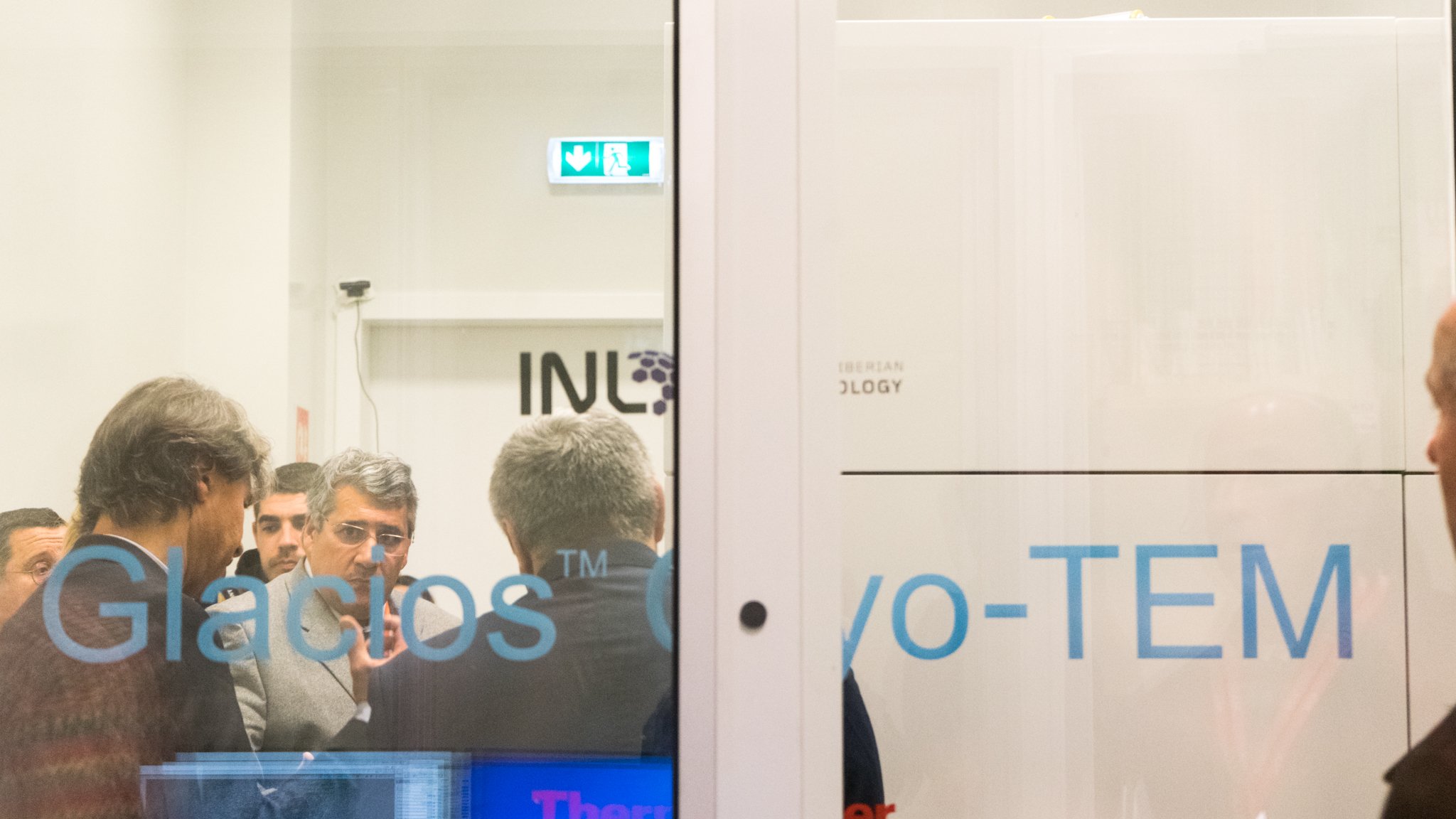
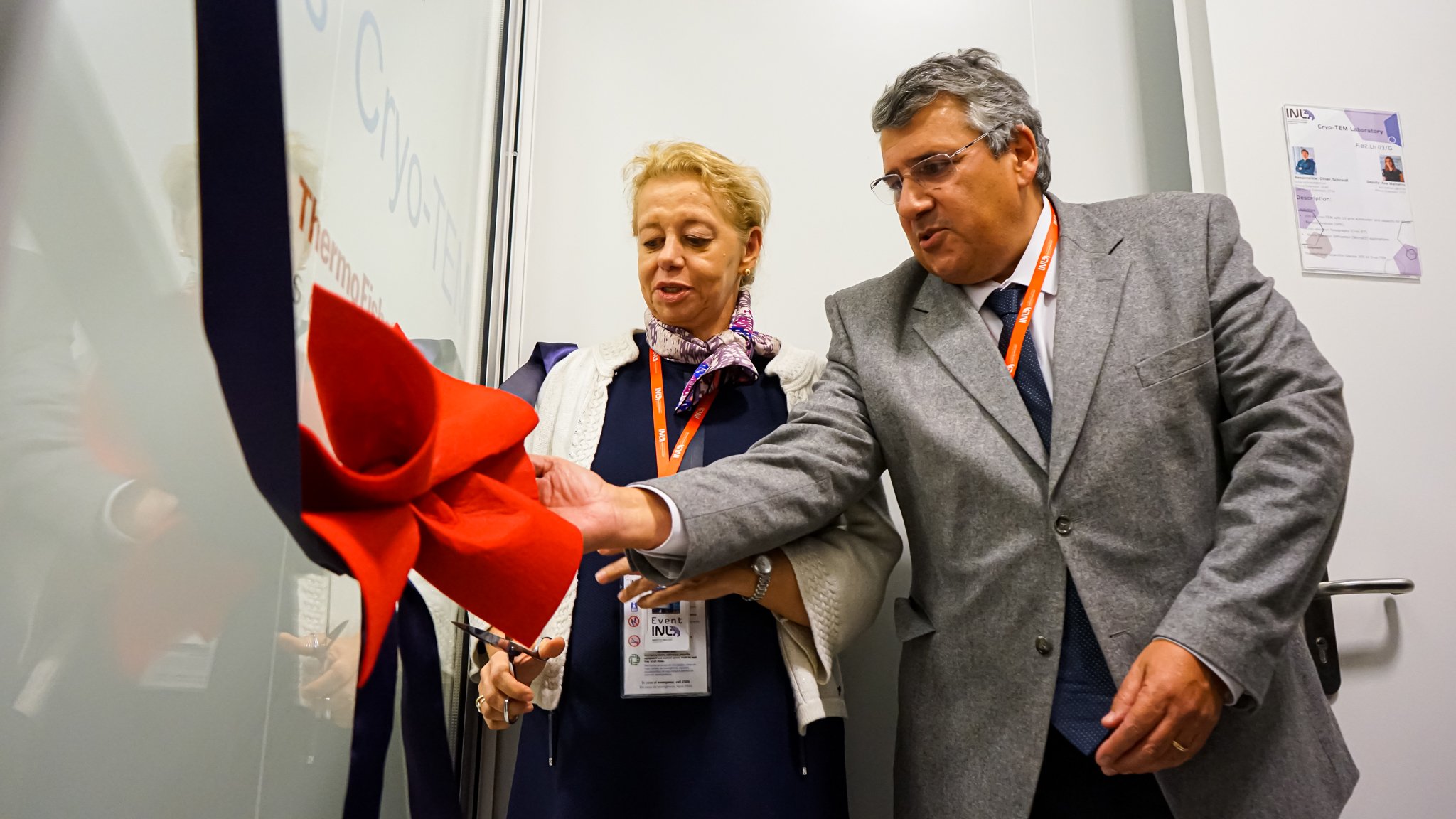
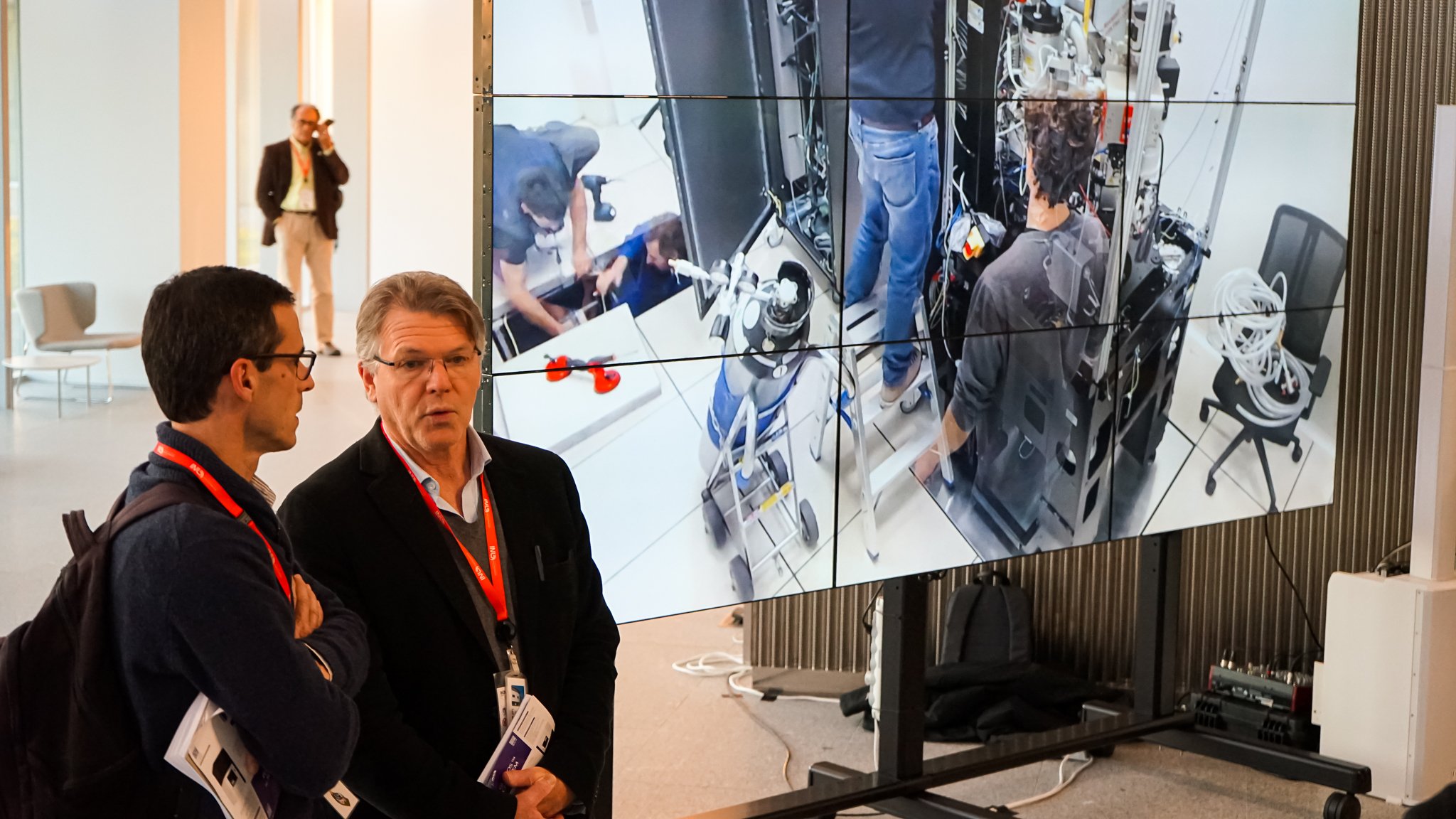
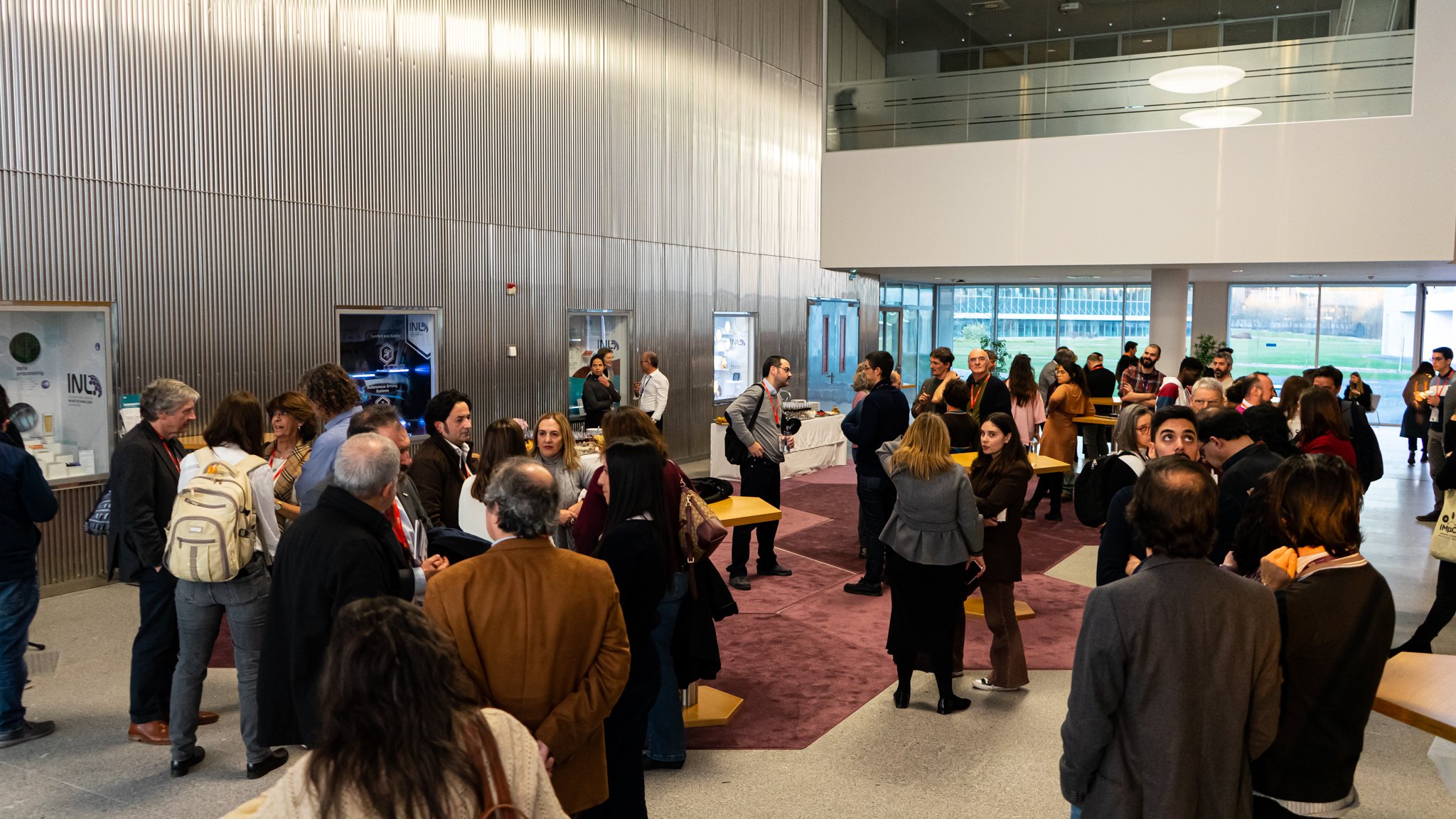
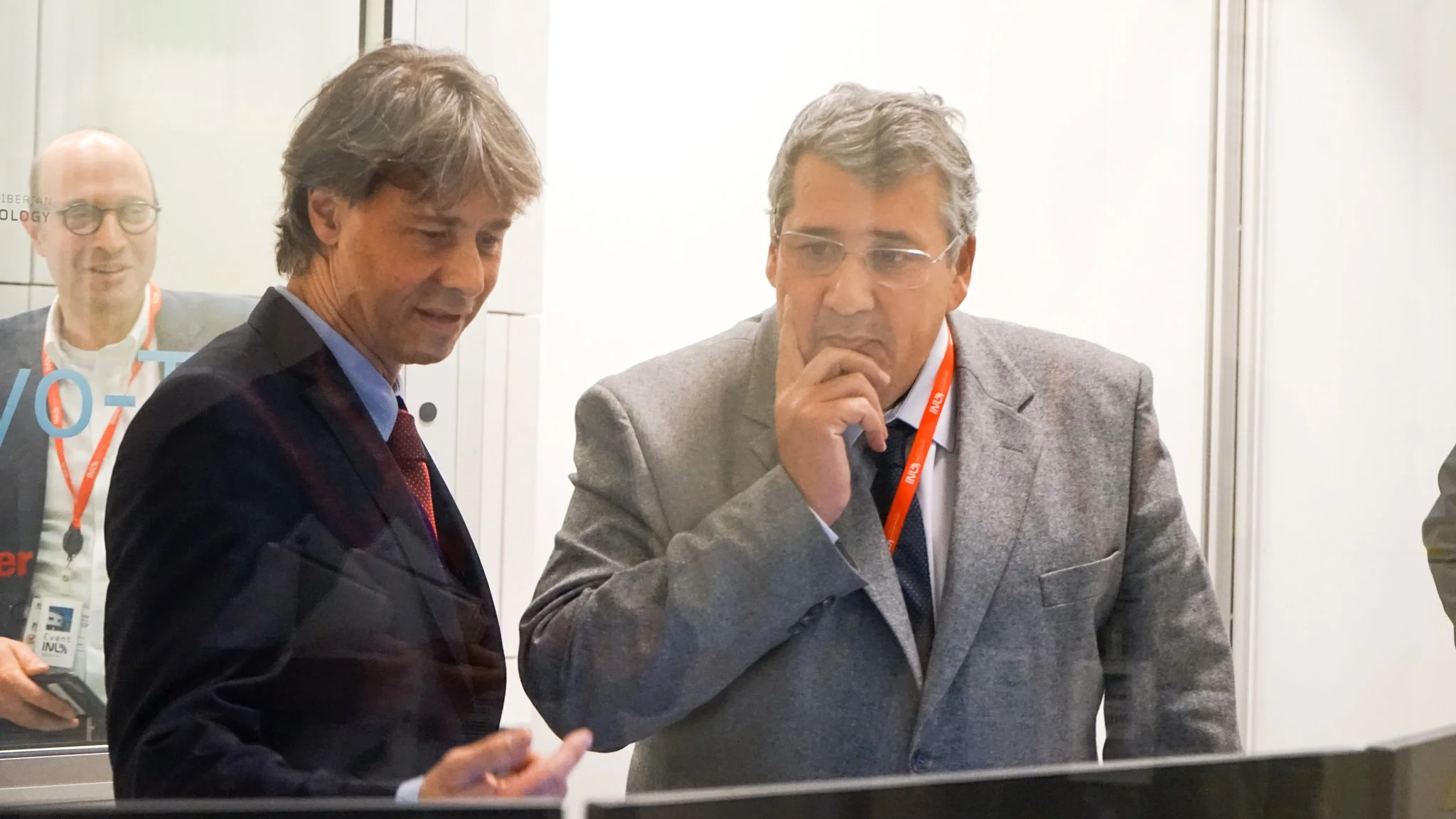
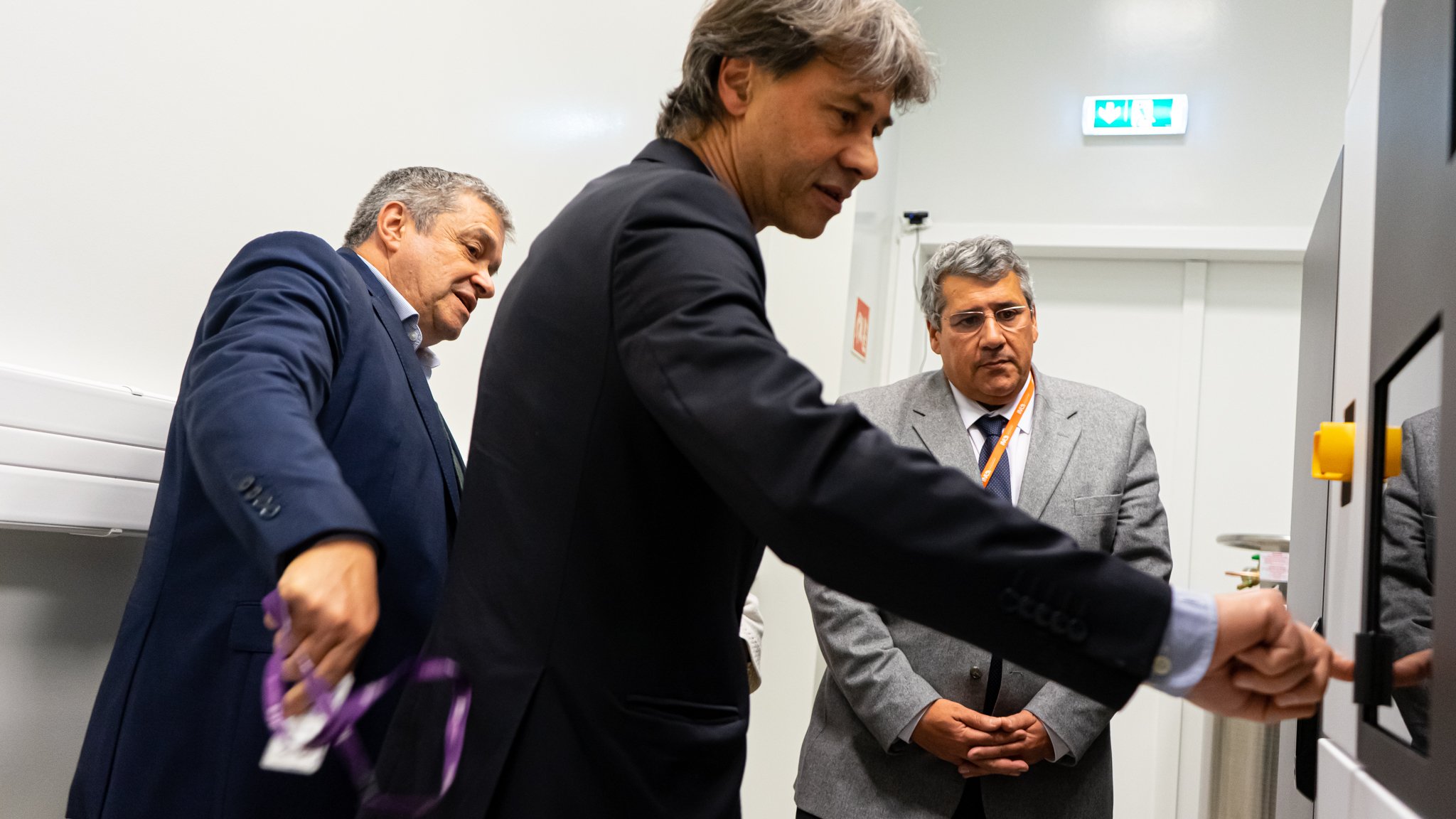
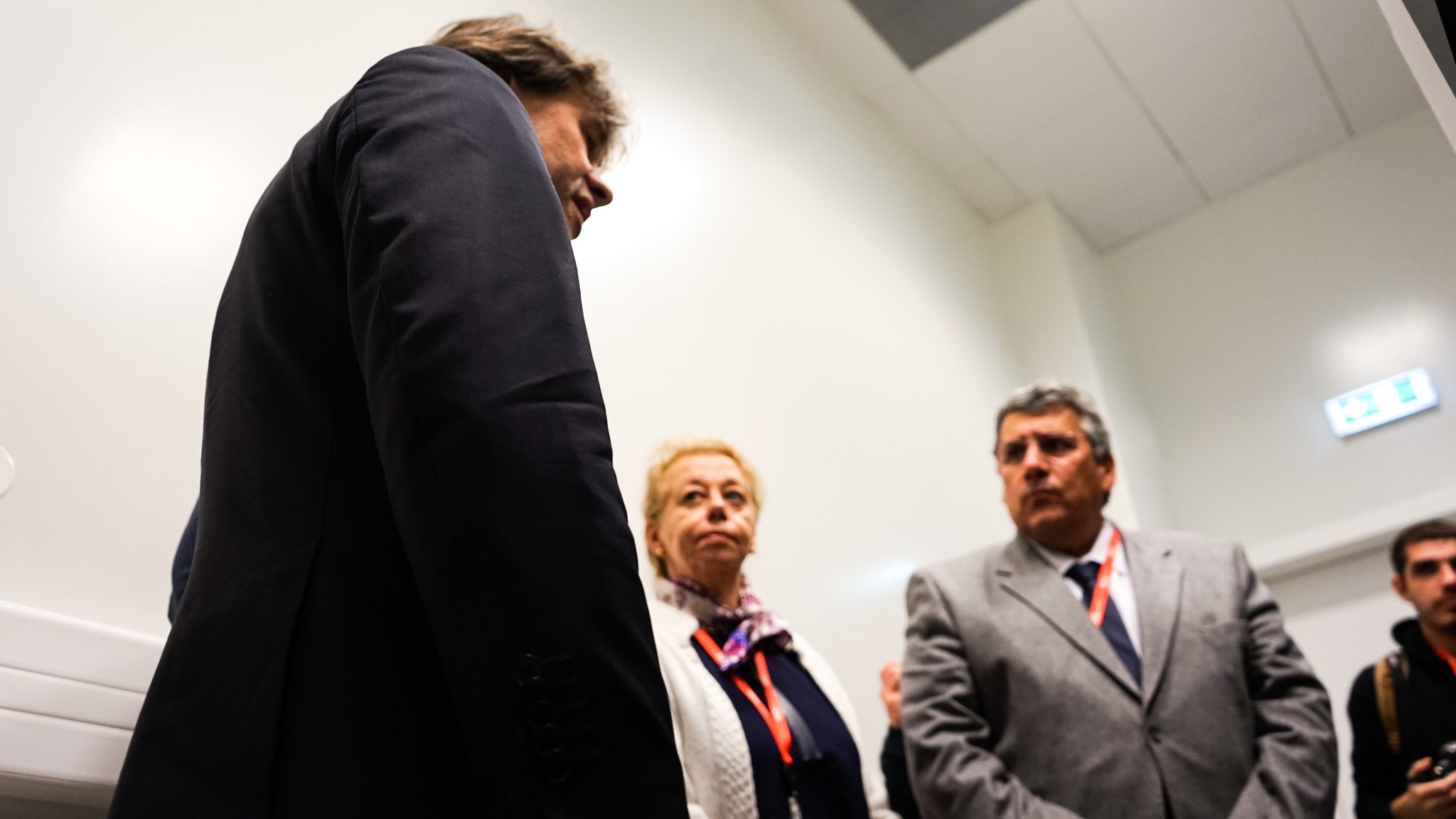
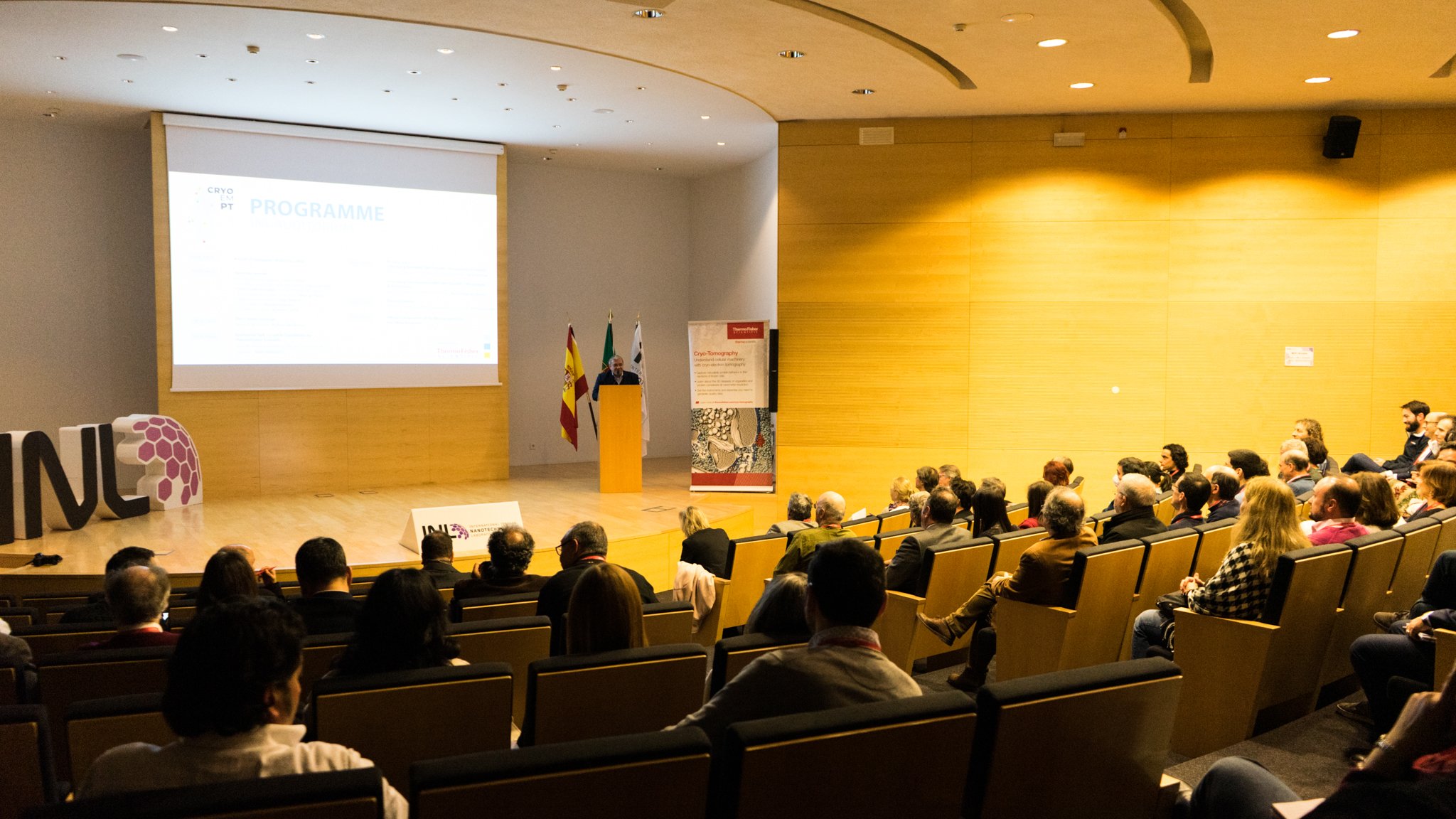
Today, February 2, the CryoEM-PT – National Advanced Electron Microscopy Network for Health and Life Sciences facility was inaugurated at INL – International Iberian Nanotechnology Laboratory, in Braga – Portugal.
The inauguration took place in the presence of Interim Director General – Paulo Freitas, the Scientific Coordinator of AEMIS Facility – Paulo Ferreira, the Alderwoman of Braga – Olga Pereira, the FCT President – Madalena Alves and CCDR-N President – António Cunha.
The CryoEM-PT initiative comprises a central node at INL – where a state-of-the-art Cryo-Electron Microscope has just been installed – and several other nodes distributed throughout the country, from North to South. The new infrastructure will soon be available to the scientific and industrial community, particularly in Health and Life Sciences.
Cryo-Electron Microscopy is a state-of-the-art technique fundamental to structural biology and health research, allowing cells and their components to be observed with unprecedented precision. This will allow the study of issues associated with cancer, viral infections, bacterial resistance to antibiotics, Alzheimer’s and Parkinson, as well as the design, development and administration of drugs.
FUNLAYERS twinning EU project kicks off with a workshop
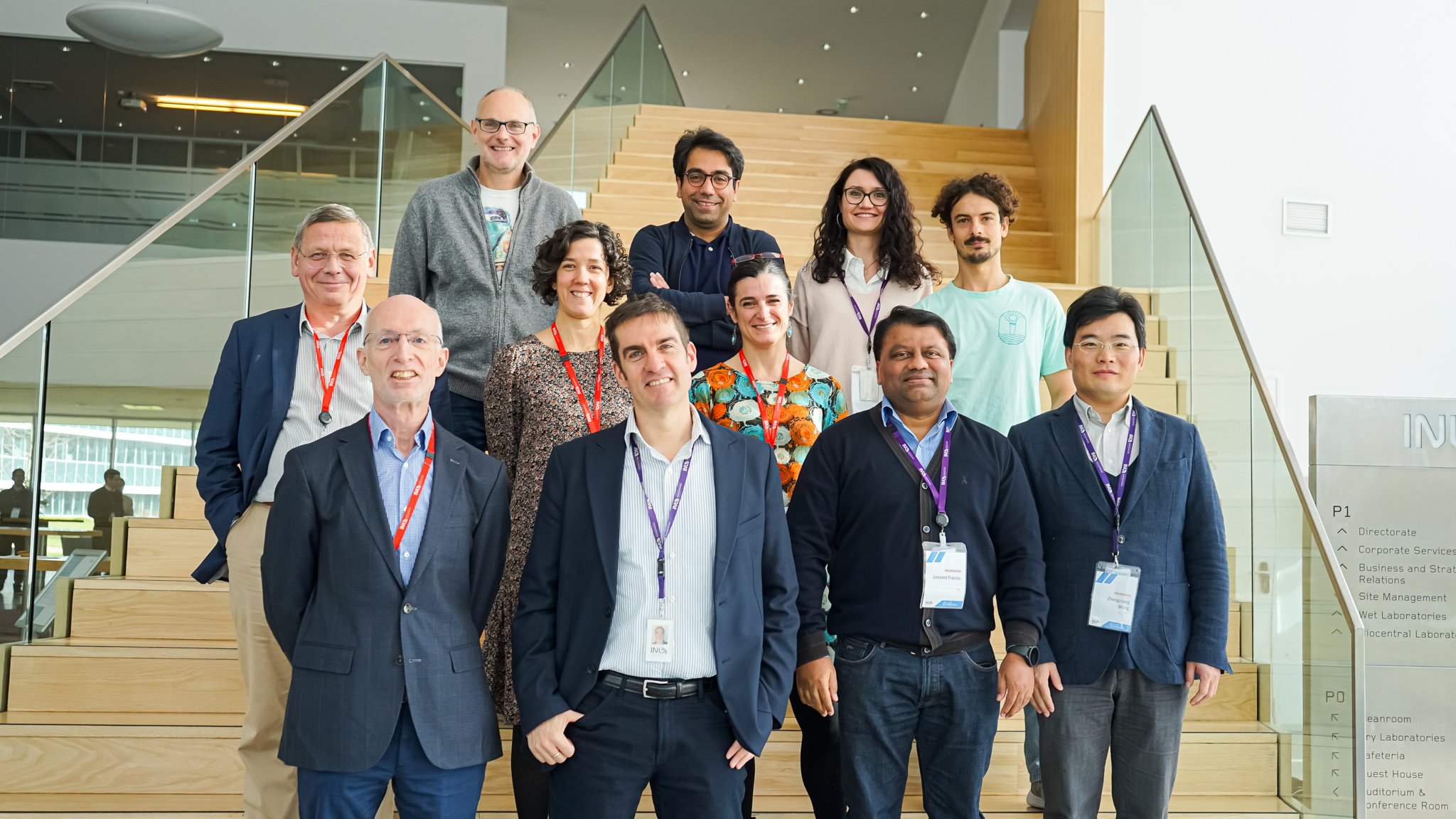
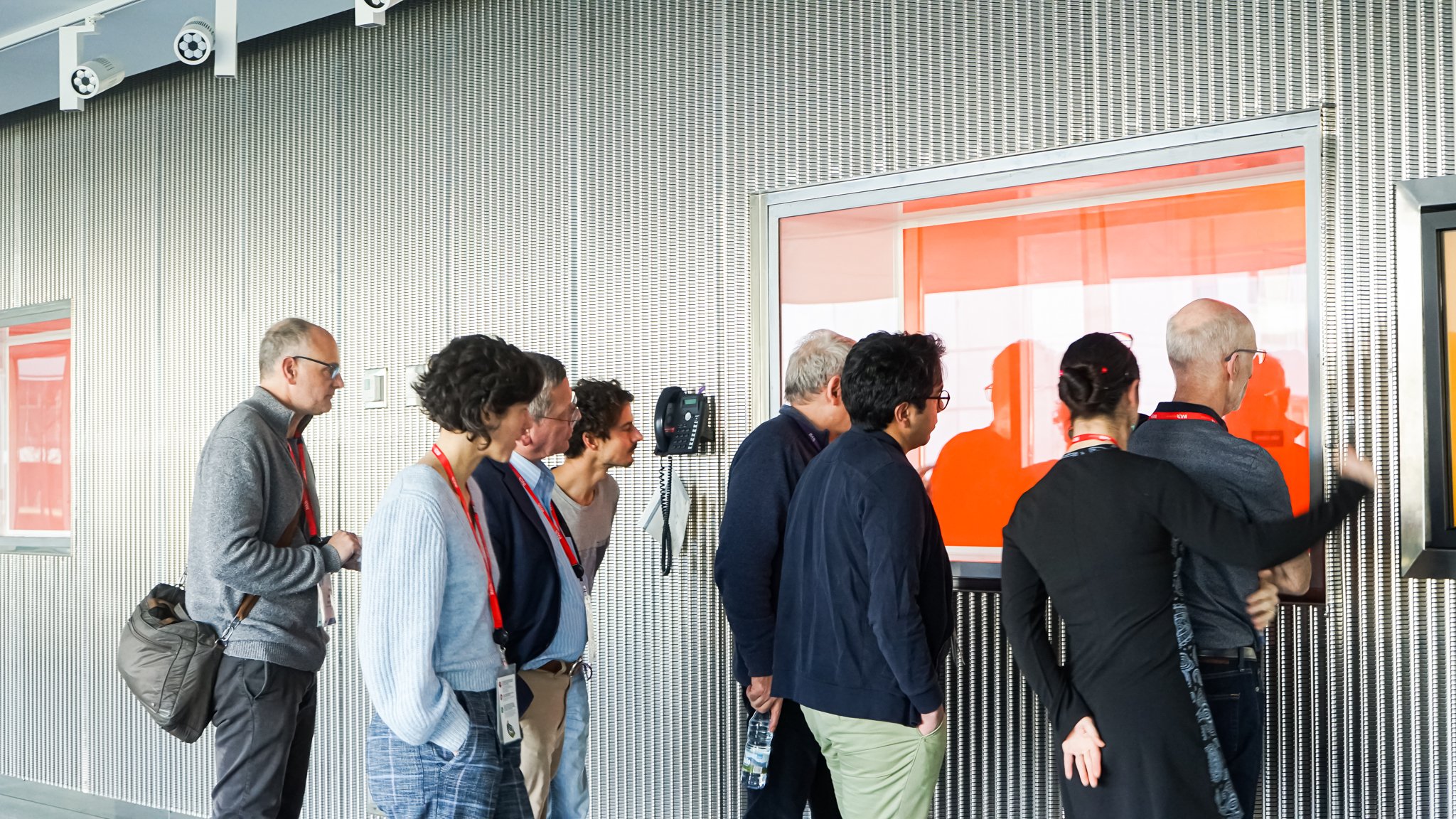
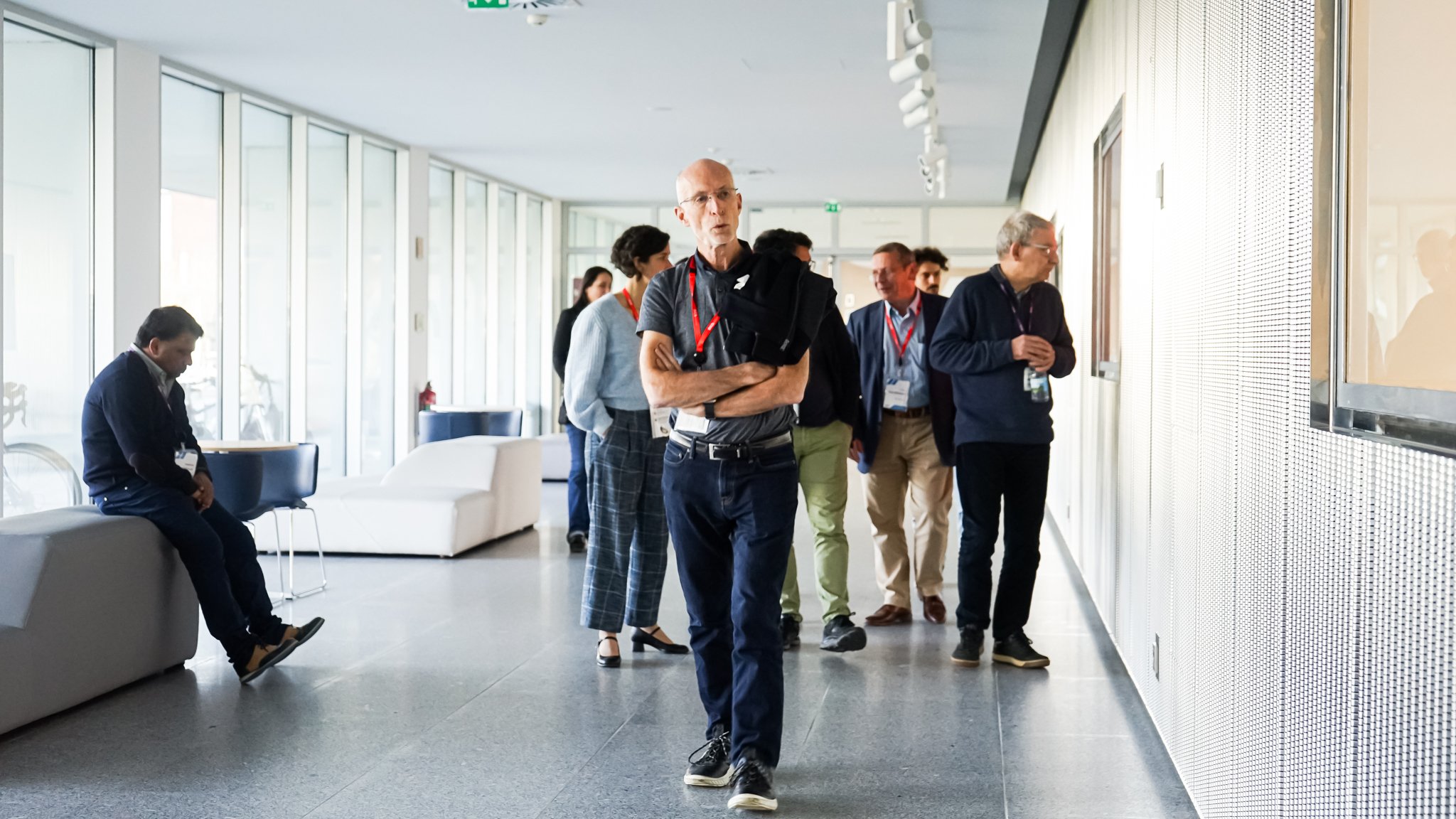
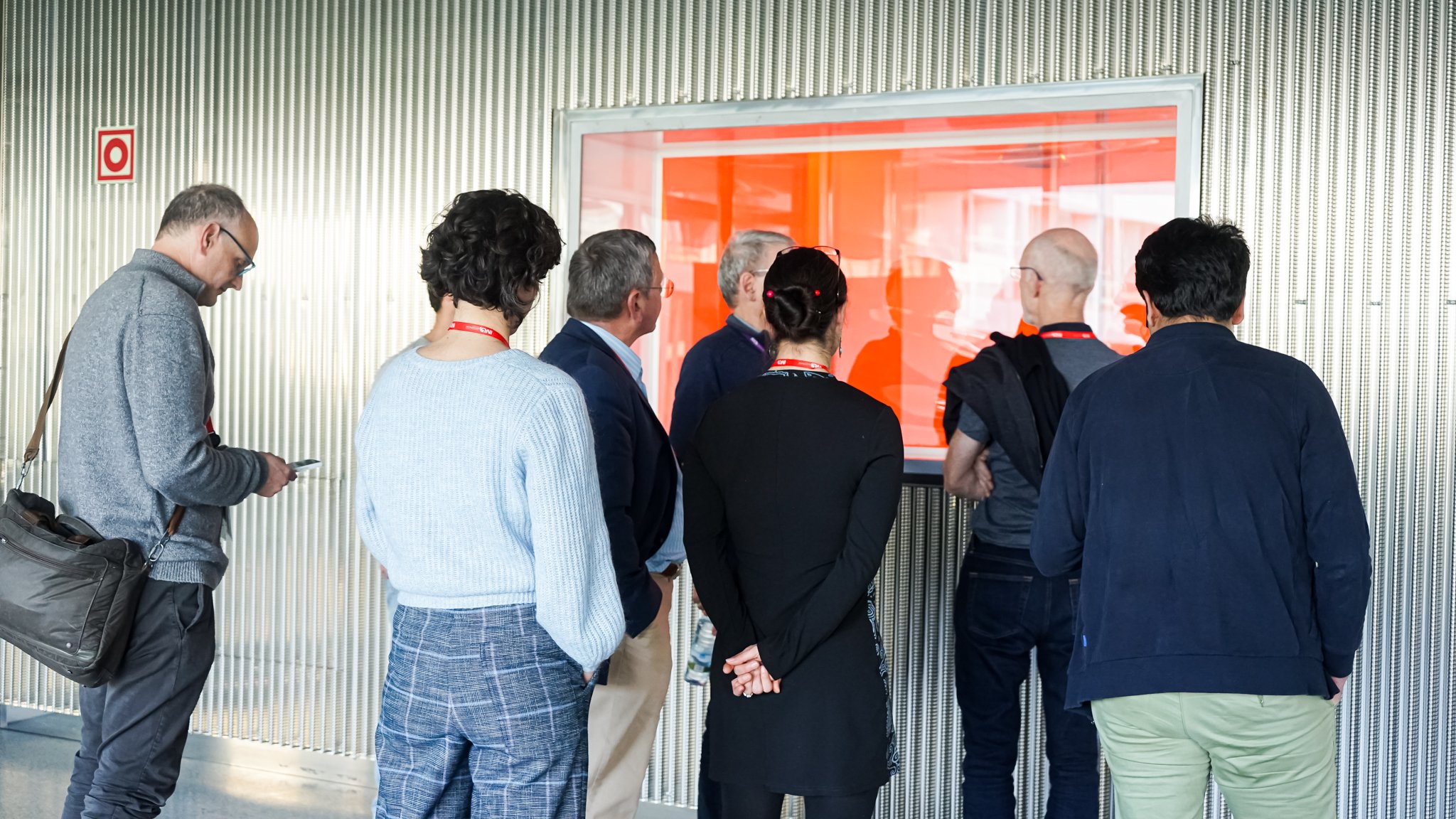
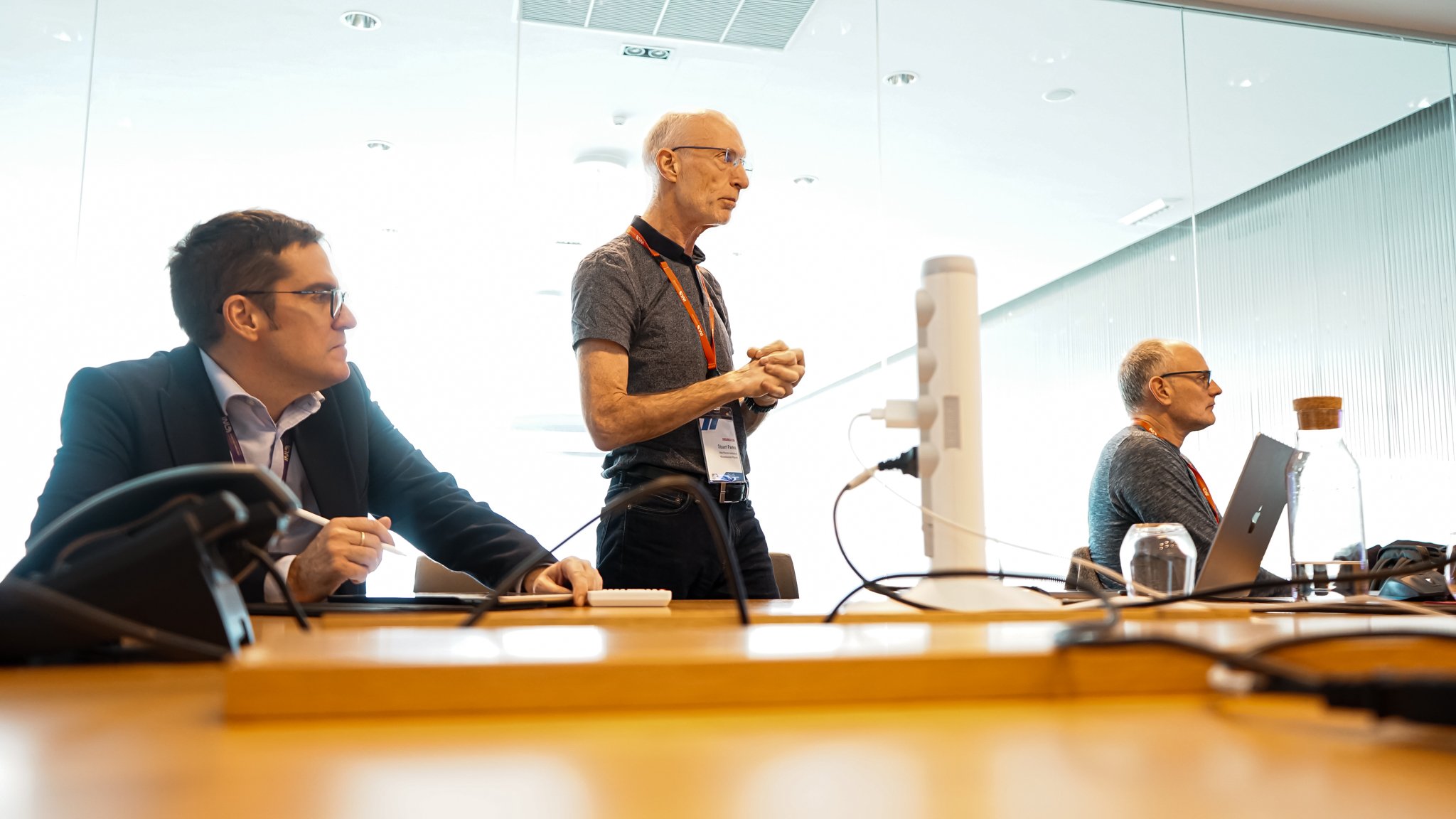
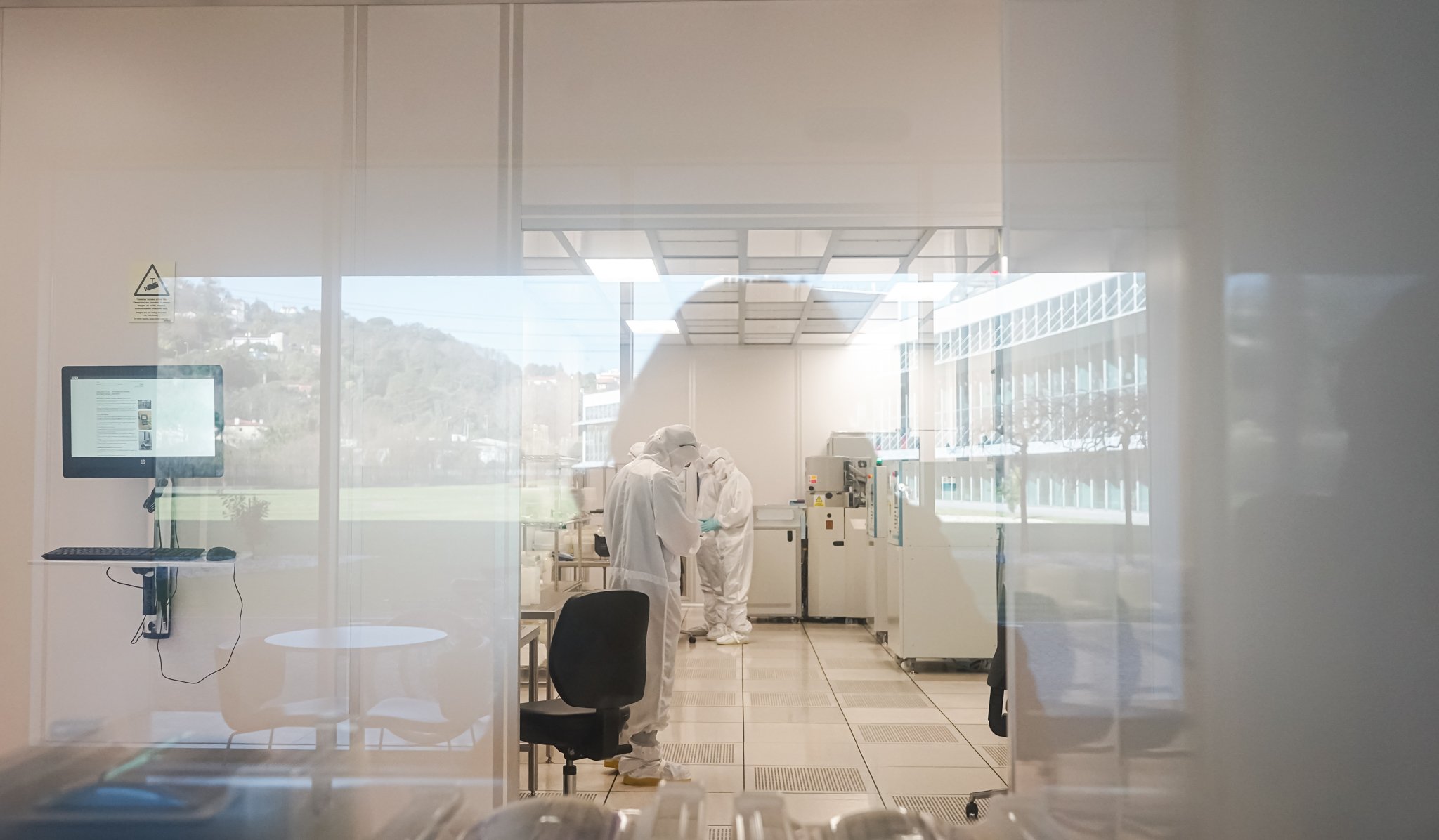
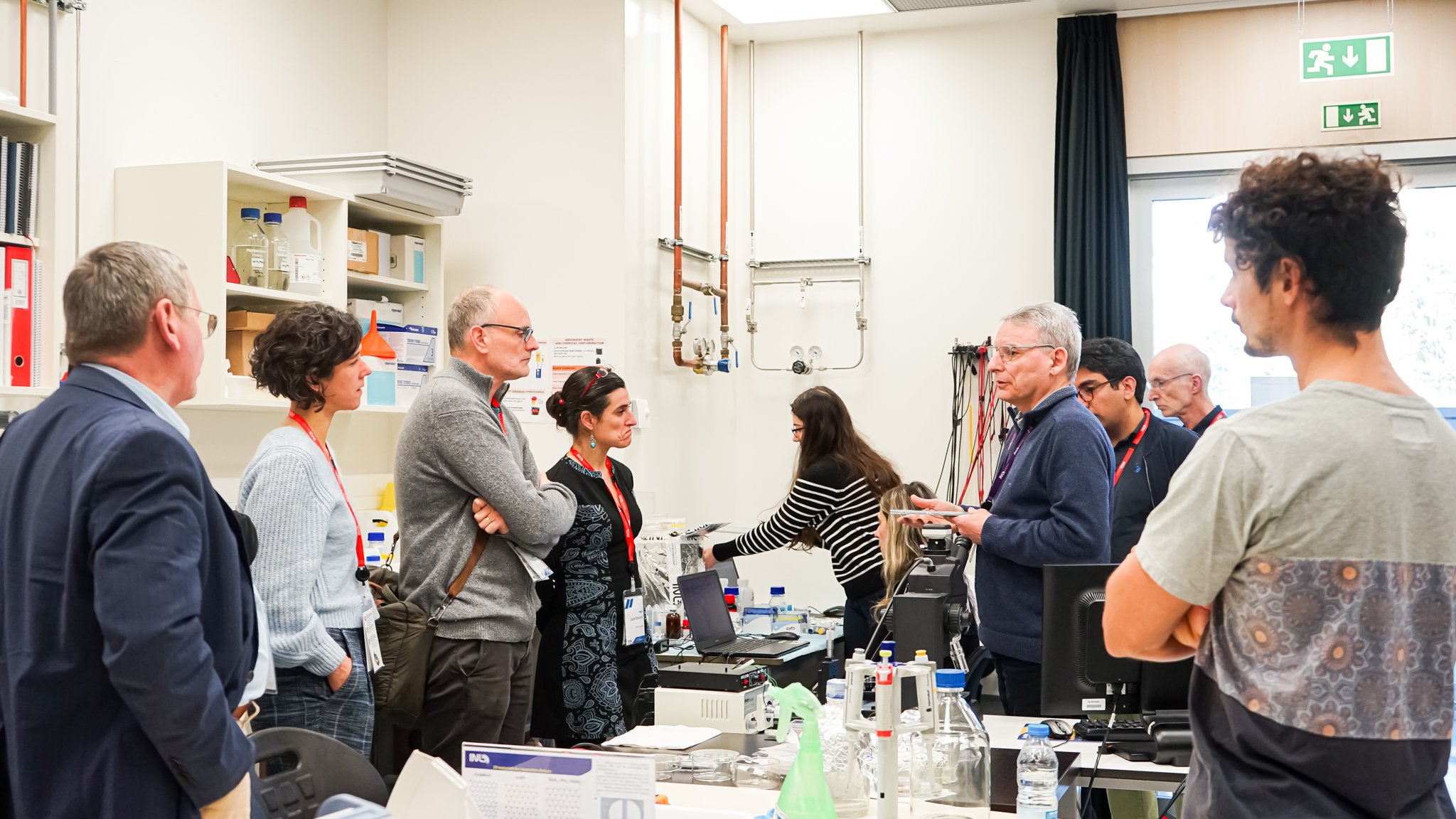
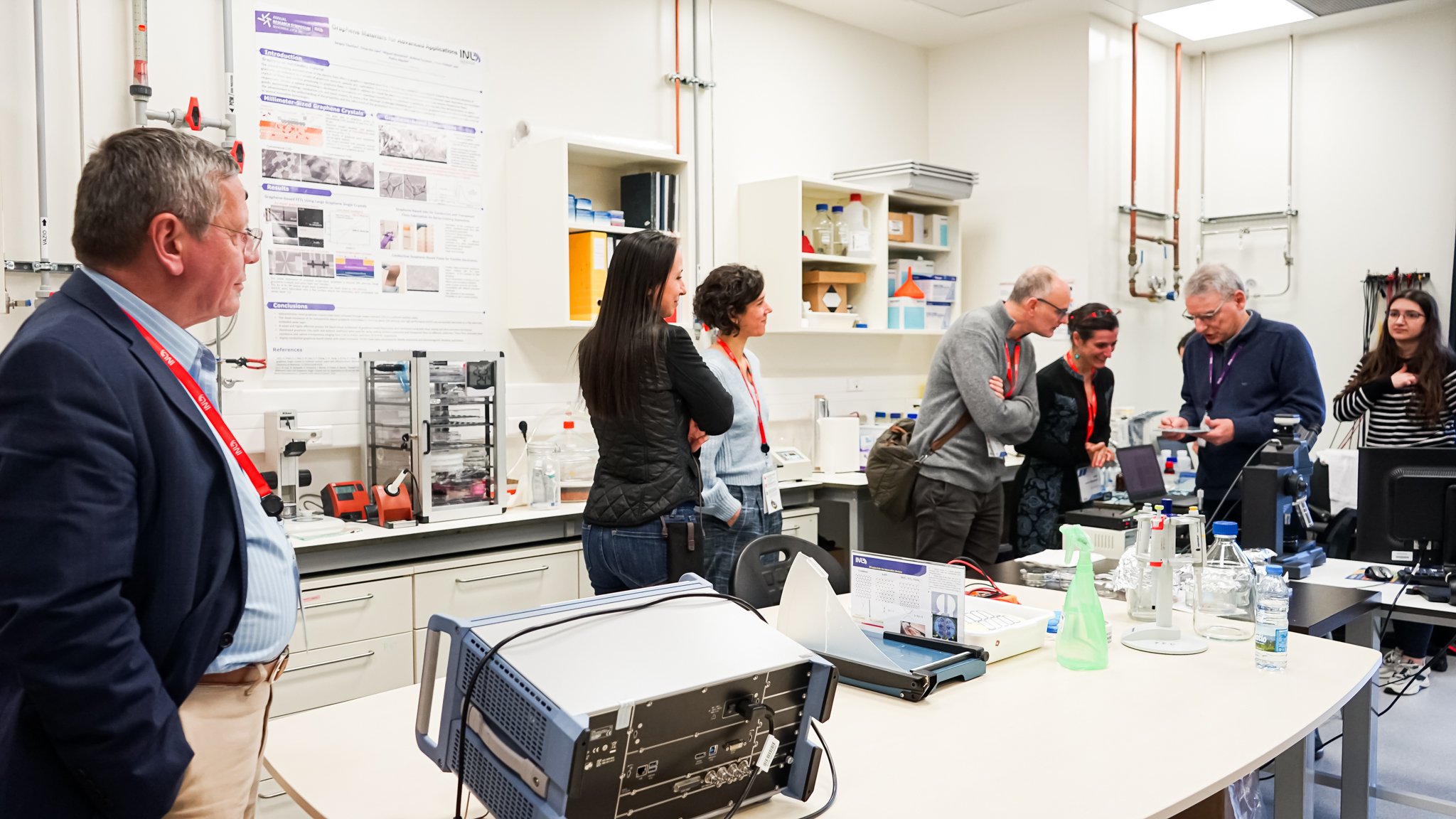
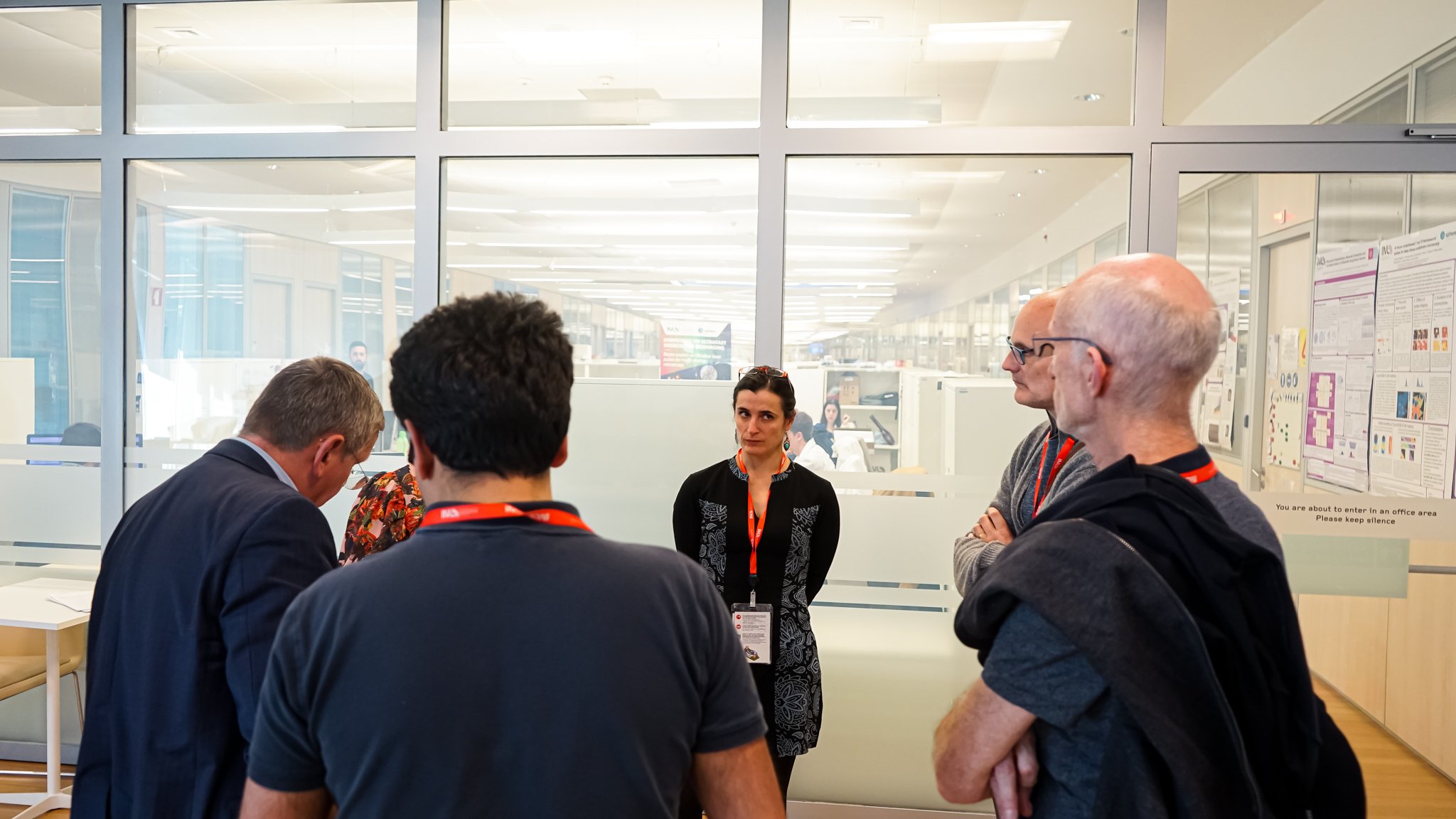
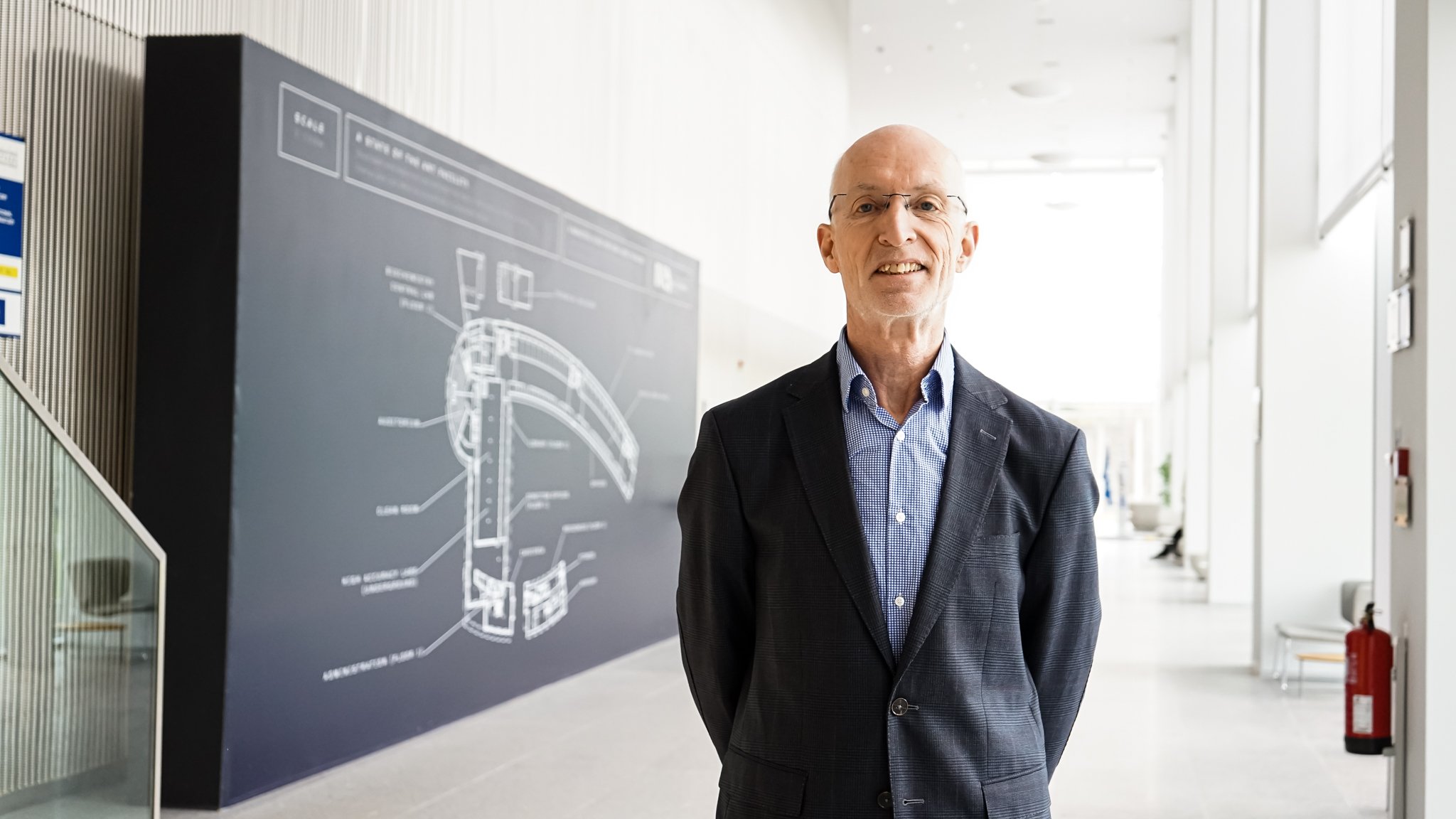
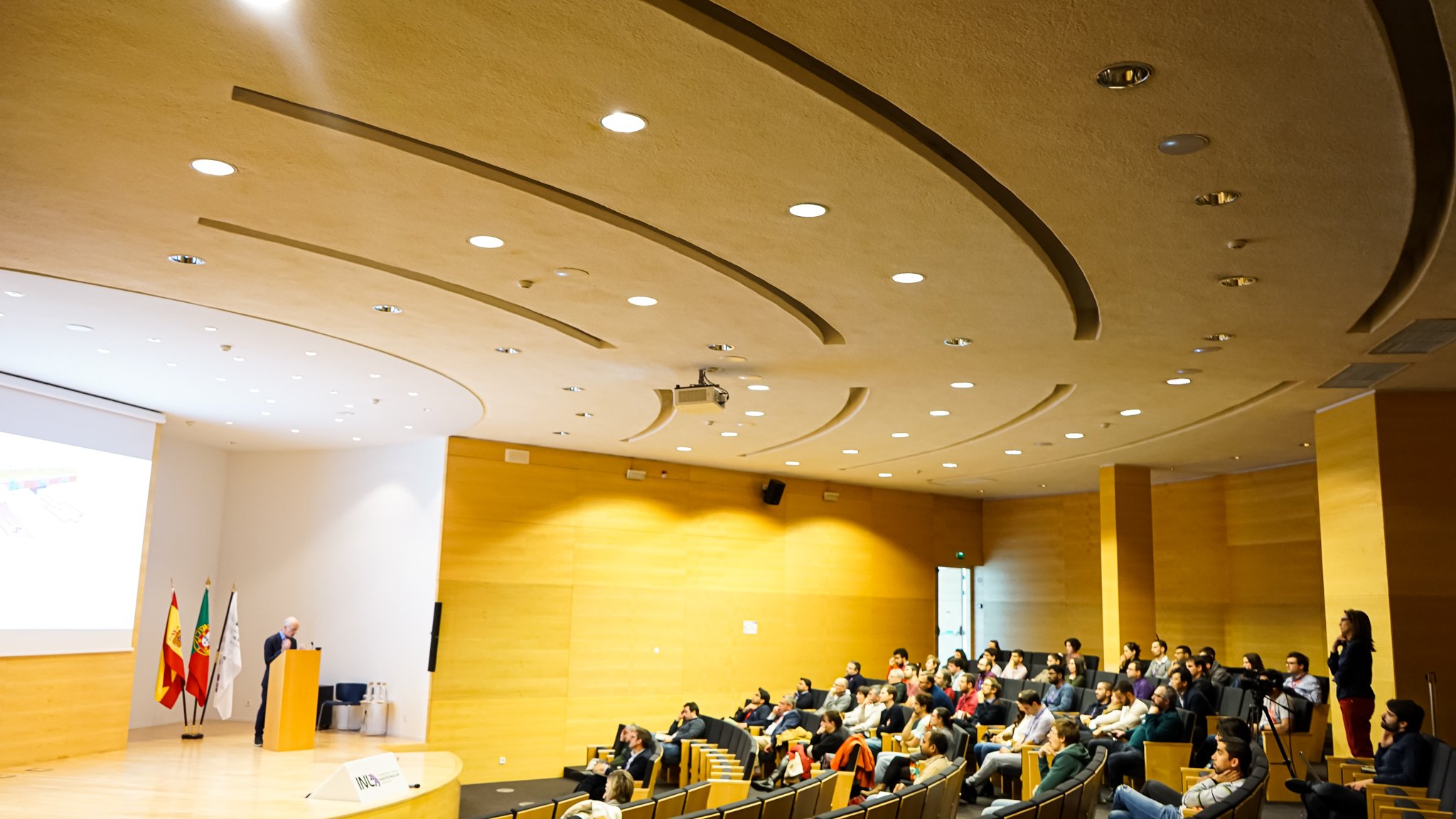
The Functional Layered Materials for Advanced Applications – FUNLAYERS project consists of a twinning initiative aimed to propel INL’s research excellence in the field of layered materials whilst unfolding its tremendous potential applications for energy storage and spintronics in partnership with two world-class European institutions at the forefront of material science – Consortium for the Construction, Equipping and Exploitation of the Synchrotron Light Source (ALBA-CELLS) and the Max Planck Institute of Microstructure Physics (MPG).
The project kicked off last week in Braga – Portugal, under the coordination of INL – International Iberian Nanotechnology Laboratory together with the other ALBA-CELLS and Max Planck Institute of Microstructure Physics (MPG) teams. The event was a hybrid event, in which the consortium met and discussed the challenges and strategies for the project and how we will work together to strengthen our research in the field of layered materials, capturing future opportunities for joint collaborations in R&I.
During three days FUNLAYERS team organised a workshop and the main goal was to strengthen both the research and the institutional capabilities of INL in the area of Functional Layered Materials and at the same time provide a diagnosis of INL capabilities in two different components – scientific and research management.
On the last day, we were also able to listen to Professor Dr Stuart Parkin – Director of the Max Planck Institute for Microstructure Physics, Halle, Germany, and an Alexander von Humboldt Professor, Martin Luther University, Halle-Wittenberg giving an inspiring talk about his path and work. We heard all about his research interests and the latest developments on spintronic materials and devices for advanced sensors, memory, and logic applications, oxide thin-film heterostructures, topological metals, exotic superconductors, and cognitive devices.
New updates will be shared on the FUNLAYERS website: www.funlayersproject.eu
Next Page » « Previous Page -->
The Functional Layered Materials for Advanced Applications – FUNLAYERS project consists of a twinning initiative aimed to propel INL’s research excellence in the field of layered materials whilst unfolding its tremendous potential applications for energy storage and spintronics in partnership with two world-class European institutions at the forefront of material science – Consortium for the Construction, Equipping and Exploitation of the Synchrotron Light Source (ALBA-CELLS) and the Max Planck Institute of Microstructure Physics (MPG).
The project kicked off last week in Braga – Portugal, under the coordination of INL – International Iberian Nanotechnology Laboratory together with the other ALBA-CELLS and Max Planck Institute of Microstructure Physics (MPG) teams. The event was a hybrid event, in which the consortium met and discussed the challenges and strategies for the project and how we will work together to strengthen our research in the field of layered materials, capturing future opportunities for joint collaborations in R&I.
During three days FUNLAYERS team organised a workshop and the main goal was to strengthen both the research and the institutional capabilities of INL in the area of Functional Layered Materials and at the same time provide a diagnosis of INL capabilities in two different components – scientific and research management.
On the last day, we were also able to listen to Professor Dr Stuart Parkin – Director of the Max Planck Institute for Microstructure Physics, Halle, Germany, and an Alexander von Humboldt Professor, Martin Luther University, Halle-Wittenberg giving an inspiring talk about his path and work. We heard all about his research interests and the latest developments on spintronic materials and devices for advanced sensors, memory, and logic applications, oxide thin-film heterostructures, topological metals, exotic superconductors, and cognitive devices.
New updates will be shared on the FUNLAYERS website: www.funlayersproject.eu