News

Filipa Lebre: Exploring the Frontier of Nanosafety

Filipa Lebre: Exploring the Frontier of Nanosafety

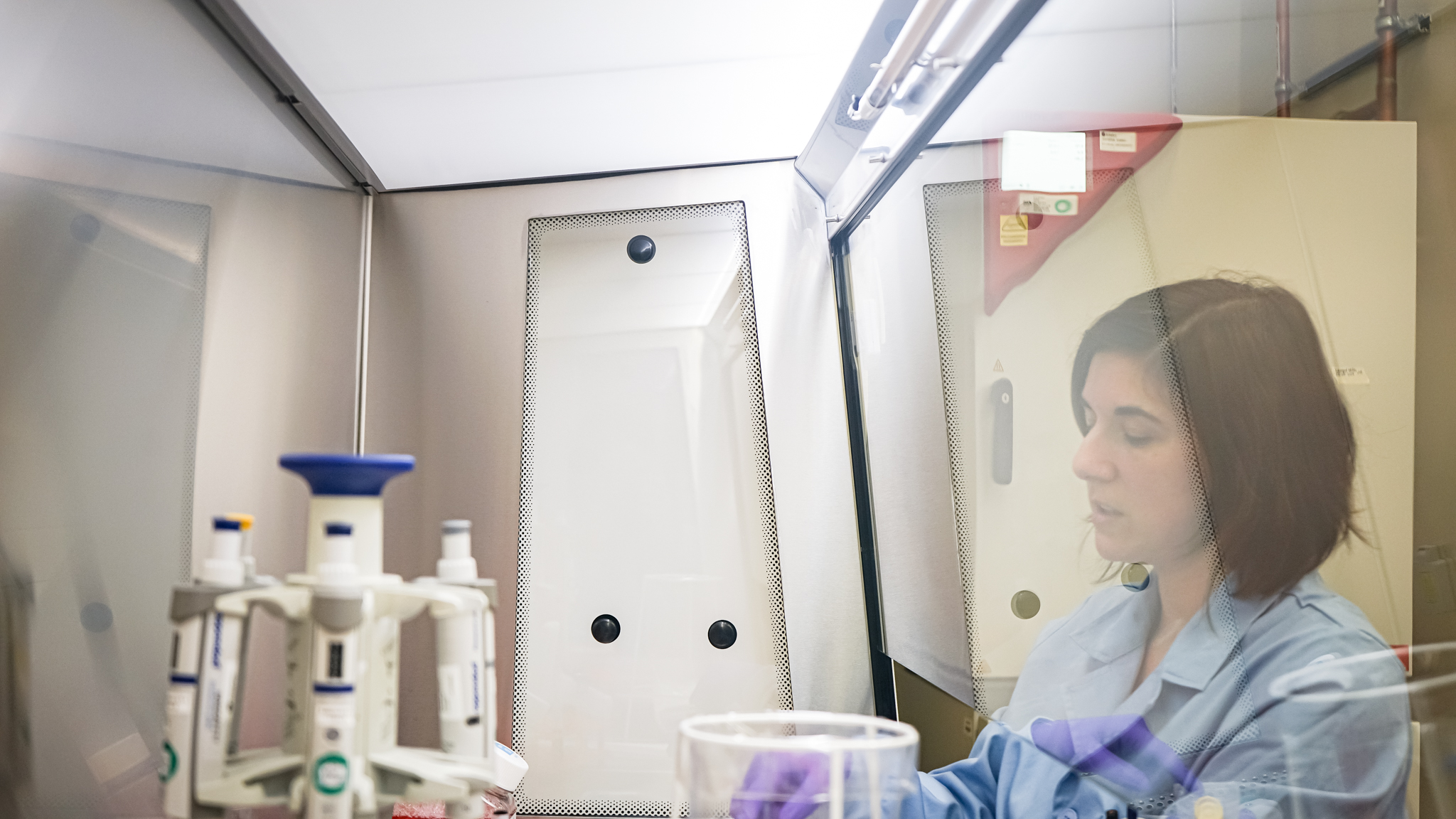
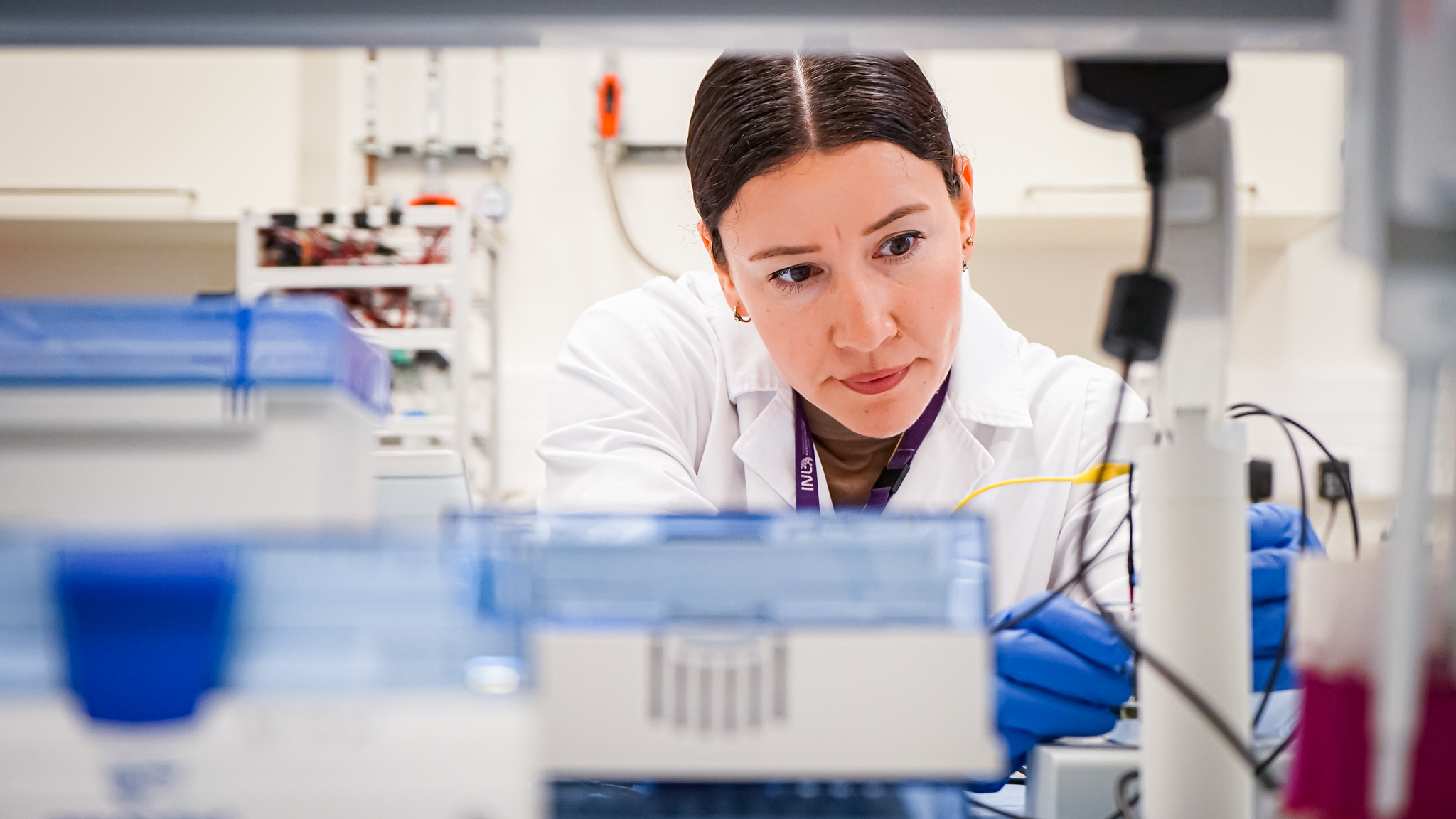
Filipa Lebre is a Research Fellow in the Nanosafety Research Group at INL, and her research focuses on the complex interactions among the immunological system and different organs, using novel technologies and in-house developed systems. Filipa has a background in Pharmaceutical Sciences and holds a PhD in Pharmaceutical Technology from the Faculty of Pharmacy, University of Coimbra, focused on the development and optimization of a polymeric nasal vaccine against hepatitis B to be used for mass immunization. She moved to Ireland during her postdoc to conduct her research at the interface between biomaterial and immunology, studying key aspects of immunomodulation by a relevant spectrum of materials with applicability in the regenerative medicine field. Could you share with us your professional trajectory and what inspired you to embark on a career in nanosafety? I’m very curious by nature and always had this passion and interest in science. When I did my degree in Pharmaceutical Science, I was fortunate enough to find a teacher who was working in the vaccine field and made me realize how I could use my passion to impact millions of lives. That was when I started to work with nanoformulations. I obtained my PhD in formulation development, […]

Read more
Natalia Spera, developing self-healing materials to enhance corrosion protection capabilities

Natalia Spera, developing self-healing materials to enhance corrosion protection capabilities

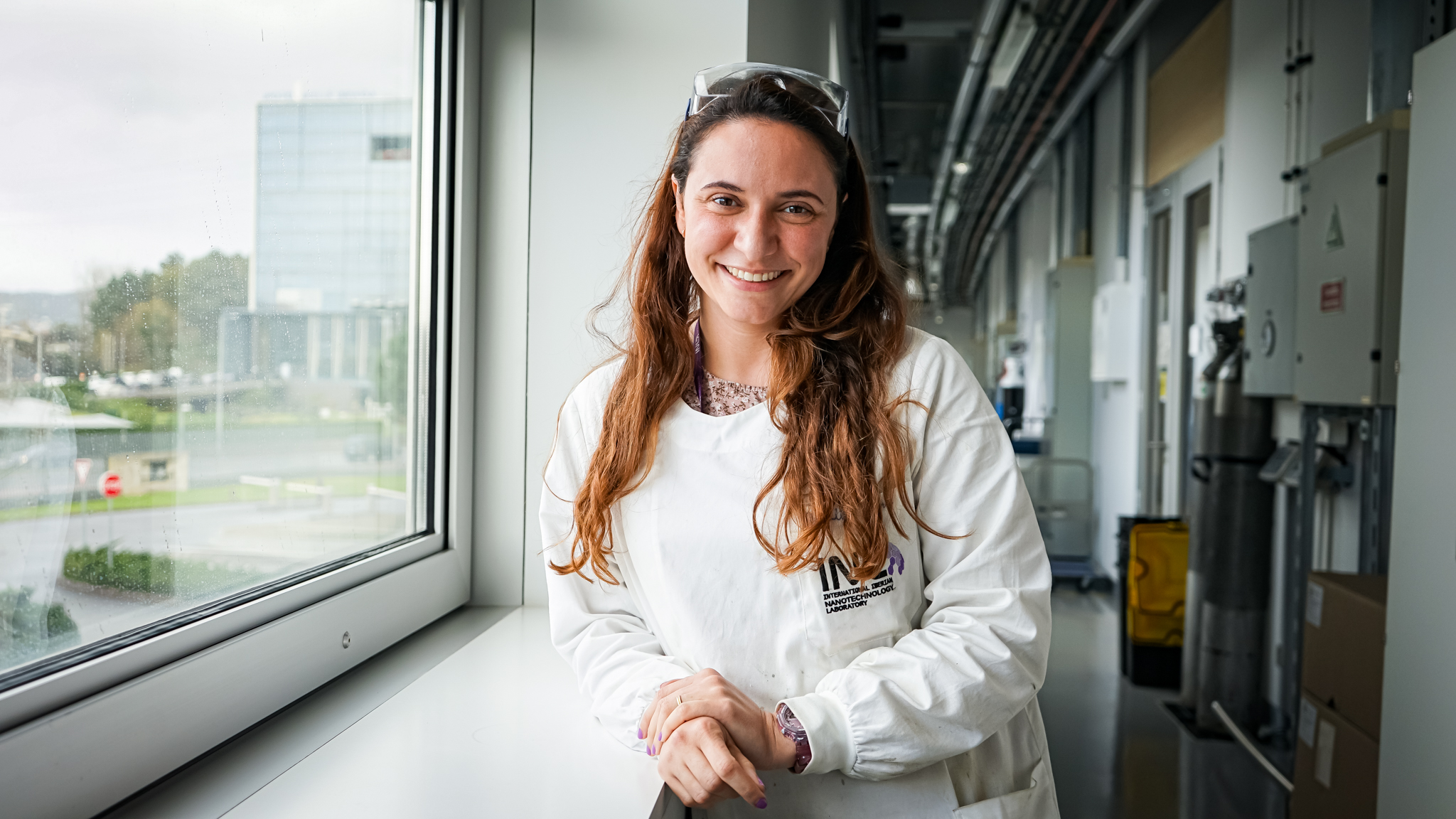
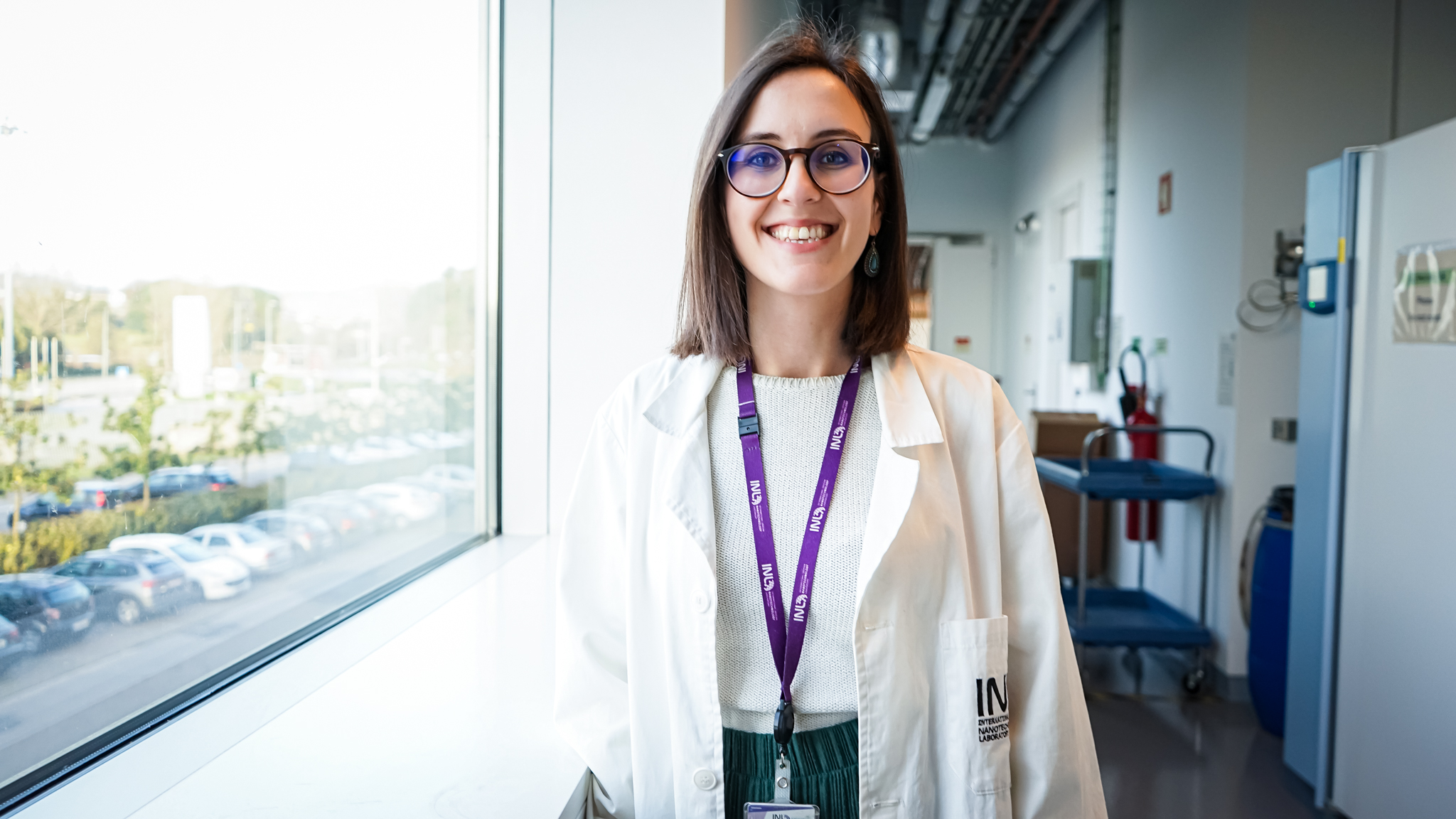
Natalia joined INL – International Iberian Nanotechnology Laboratory as a Research Engineer in the Nanochemistry Research Group. She is currently working on synthesising, characterising, and applying sustainable coatings with self-healing solutions.  Can you give us an update on what you’re currently working on? I am currently working on the development of self-healing materials to enhance corrosion protection capabilities and extend the longevity of offshore structures within the MAREWIND Project. My responsibilities encompass researching and developing core-shell nanofibers and microcapsules feasible for application in liquid coating formulations. Our solution entails having an autonomous healing response when the coating is damaged. Recently, we achieved a significant milestone by successfully scaling up our innovative self-healing materials for application in a 100-litre batch, marking a crucial step forward in transitioning laboratory technology to industry. Could you briefly describe what a typical day looks like for you, Natalia, and what aspects of your work and the INL organization excite you the most? Certainly! A typical day for me involves a dynamic mix of laboratory experiments, data analysis, and collaboration with colleagues. I usually begin with hands-on lab activities that occupy a significant portion of my day. Subsequent data analysis is also an exhilarating aspect, as […]

Read more
Sadaf Almas, effective audit facilitation and continuous improvement initiatives

Sadaf Almas, effective audit facilitation and continuous improvement initiatives

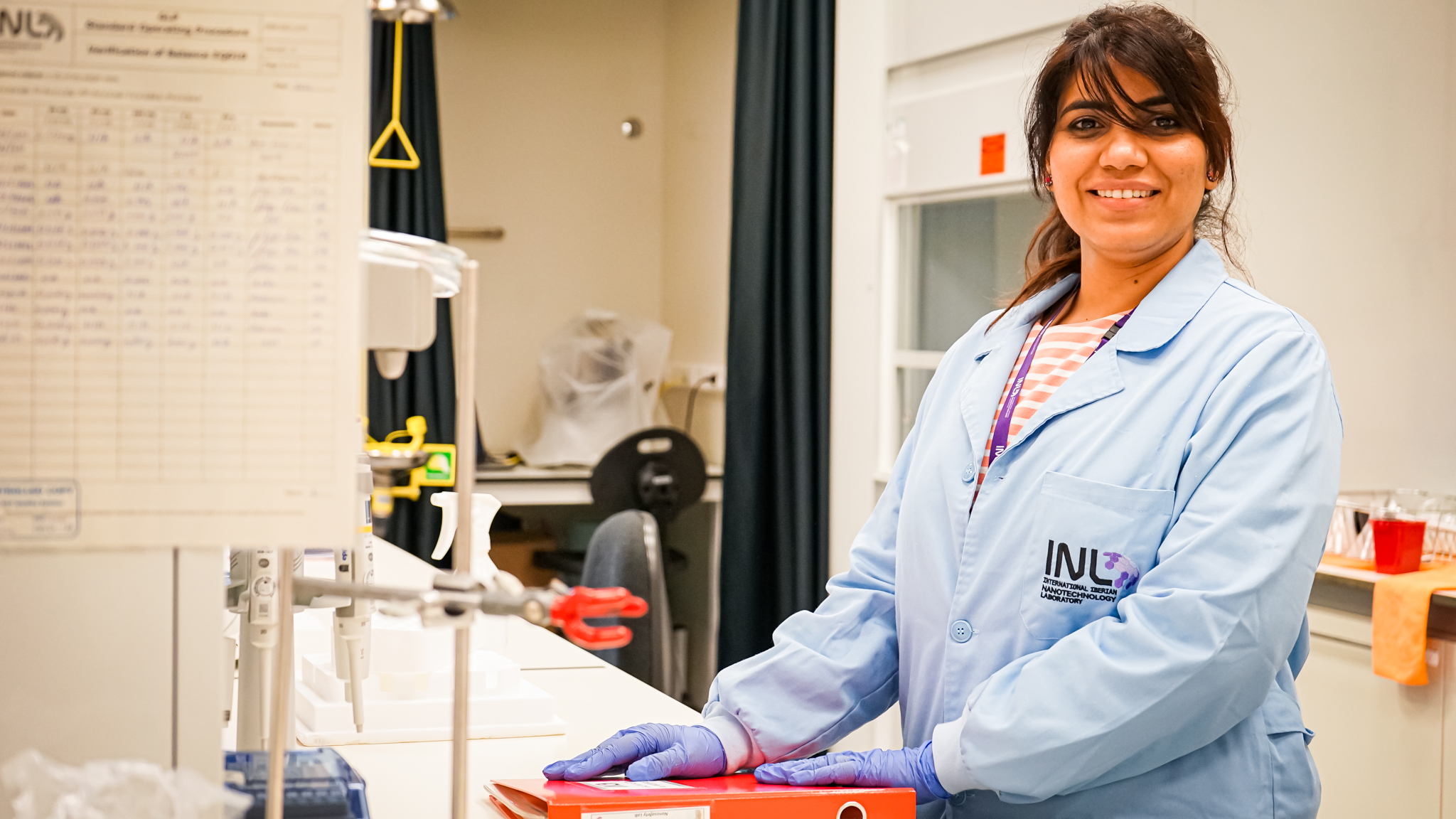
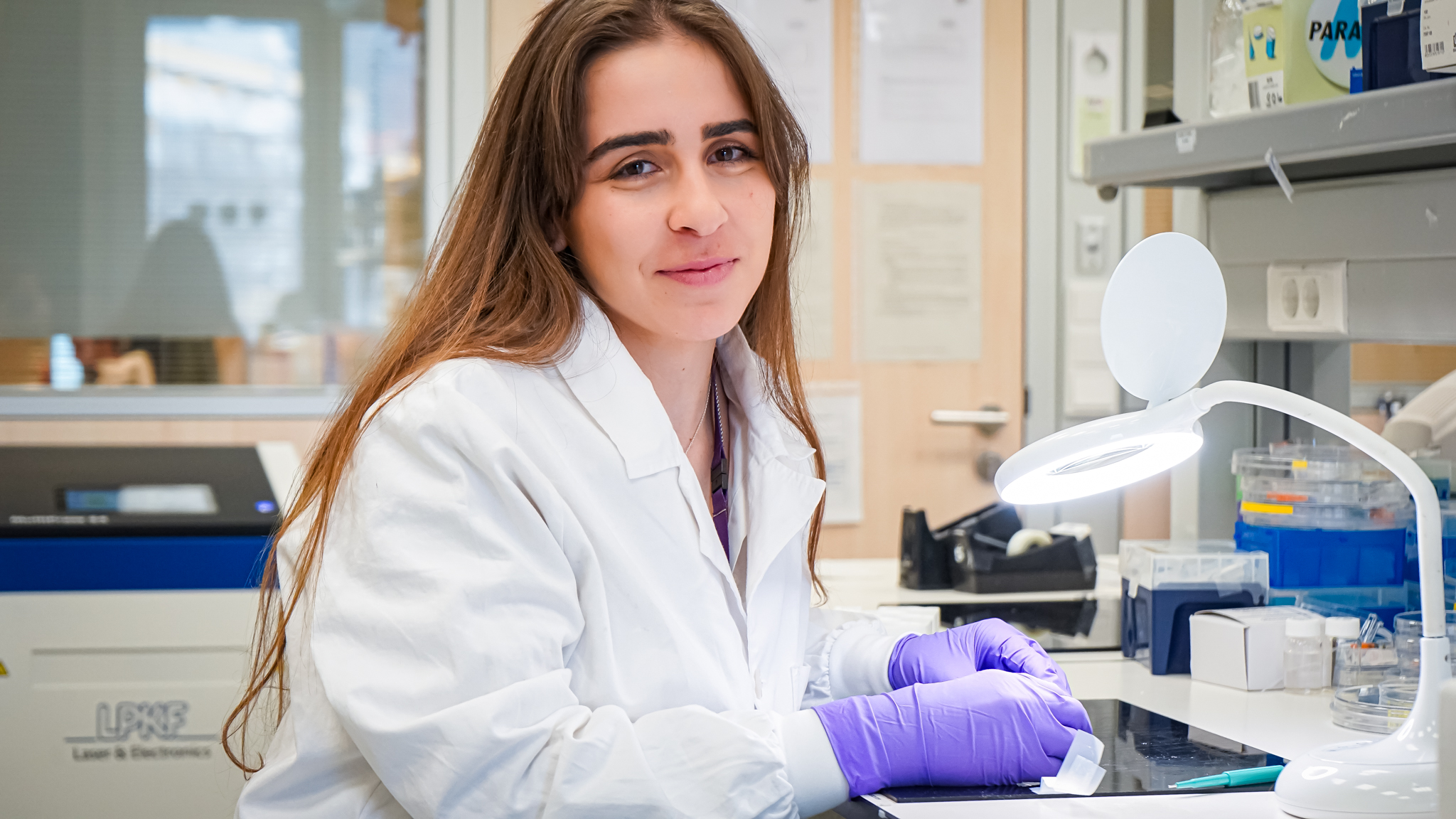
We aim to shine a spotlight on the exceptional achievements of women at INL spanning different fields and career stages. Join us as we honour their accomplishments, share their stories, and ignite inspiration for the upcoming generation of female scientists. Meet Sadaf Almas. She works as a Quality systems Assistant in the Quality and Coordination unit at INL and she coordinates and inspects the core departments at INL to ensure the quality management systems consistency in terms of quality, validity, and reliability with study bases, facility-based and process-based approaches. Can you give us an update on what you’re currently working on? In my role within the Quality department, I play a crucial role in ensuring adherence to Good Laboratory Practice (GLP) standards, particularly in the context of Nanosafety laboratories. My primary responsibility revolves around facilitating GLP audits, employing principles established by the Organisation for Economic Co-operation and Development (OECD). First and foremost, I work closely with Nanosafety to develop comprehensive audit schedules aligned with OECD guidelines. This involves collaborating with INLers to ensure that all pertinent aspects of GLP are covered, from facility infrastructure to standard operating procedures (SOPs) and data management protocols. Before conducting audits, I review existing documentation […]

Read more
Roma Raj, integrating solar textiles into automotive design

Roma Raj, integrating solar textiles into automotive design

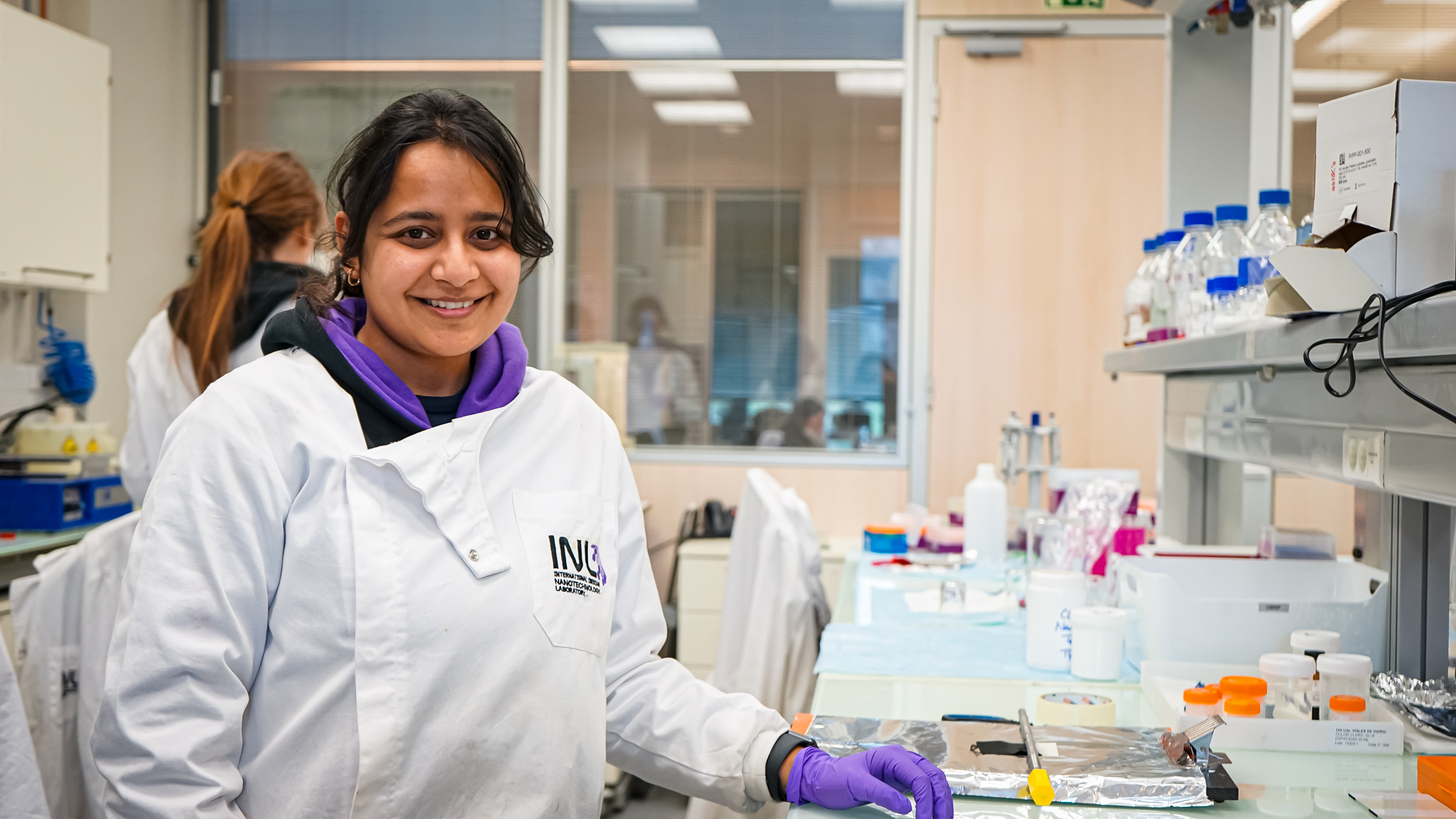
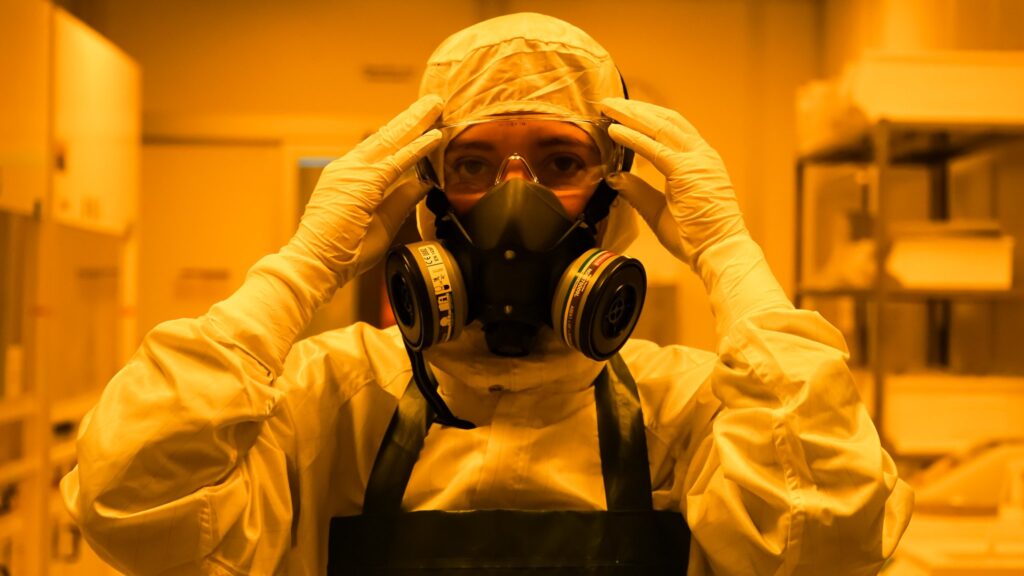
Our goal is to highlight the outstanding accomplishments of women at INL across a range of fields and career phases. Come join us as we commemorate their successes, tell their stories, and ignite inspiration for the next generation of female scientists. Meet Roma Raj, Research Fellow at INL – International Iberian Nanotechnology Laboratory, working in the Nanochemistry Research Group, a group focused on the development of nanomaterials following the strategy CSI: Catalysis, Synthesis and Investigation. Roma, can you tell us a bit about your path and your main area of work? My career journey has been quite fascinating, moving from earning an M.Tech in Energy Engineering to obtaining a Ph.D. in Chemical Engineering. Along the way, I’ve developed a deep passion and expertise in sustainable energy solutions, particularly in blending innovative technologies with environmental awareness. Currently, I’m focused on an exciting project: seamlessly integrating solar textiles into automotive design. This ground-breaking effort has great potential to transform how we view transportation and its effects on our planet. What is the importance of your work, and your research? The work I’m involved in is tackling one of humanity’s biggest challenges: climate change. By leading the way in integrating solar textiles into automotive, we’re […]

Read more
Olesia Dudik, focused on the development of an electrochemical sensing platform for alkali metal ion detection

Olesia Dudik, focused on the development of an electrochemical sensing platform for alkali metal ion detection

Welcome to a new interview highlighting the indispensable role of women in science. We aim to showcase the remarkable contributions of women working at INL across various disciplines and career stages. Join us as we celebrate their achievements, share their stories, and inspire future generations of female scientists. Olesia Dudik is currently a Research Fellow in the Water Quality Group at the International Iberian Nanotechnology Laboratory (INL). Her research area focuses on sensor development (optical, electrochemical). She holds a BSc and an MSc in organic chemistry from the Taurida National V.I. Vernadsky University (Ukraine) and obtained a PhD degree in Physics and Chemistry of Surface from the Chuiko Institute of Surface Chemistry of NAS of Ukraine in 2014, studying adsorption-desorption processes and mechanisms and kinetics of chemical transformations of aliphatic and biologically active amines (anaesthetics) on the surface of dispersed oxides. Can you give us an update on what you’re currently working on? When I joined INL two years ago, the transition to working in the area of sensor development (optical, electrochemical) from a tissue engineering and regenerative medicine field was a bit challenging. Nevertheless, I was excited by the opportunity to gain new knowledge, and skills and implement them in discoveries. The acquired knowledge helps me grow further professionally.  Nowadays, my research area focuses on […]

Read more
Beatriz Costa, developing 3D scaffolds integrated with nanodiamond photonics platforms

Beatriz Costa, developing 3D scaffolds integrated with nanodiamond photonics platforms

Welcome to a new interview highlighting the indispensable role of women in science. We aim to showcase the remarkable contributions of women working at INL across various disciplines and career stages. Join us as we celebrate their achievements, share their stories, and inspire future generations of female scientists. Today you can meet Beatriz Costa, Junior Research Fellow in the Ultrafast Bio- and Nanophotonics group at INL under the supervision of Dr. Jana B. Nieder. Why did you decide to work in the Ultrafast Bio- and Nanophotonics area? My decision to pursue research in the Ultrafast Bio- and Nanophotonics area stems from its interdisciplinary nature and potential applications in biomedical engineering. With a background in Biomedical Engineering and a Major in Medical Electronics, I sought a field that would enable me to integrate diverse disciplines and cutting-edge technologies to address pressing healthcare challenges. The Ultrafast Bio- and Nanophotonics area offers a unique convergence of optics, nanotechnology, and biology, providing opportunities to develop novel diagnostic and therapeutic approaches. Can you tell us what you are working on at present? Currently, I am engaged in a research project focused on developing 3D scaffolds integrated with nanodiamond photonics platforms. These scaffolds serve as intricate […]

Read more
Alexandra Teixeira, developing diagnostic tools tailored for accurate MRD diagnosis

Alexandra Teixeira, developing diagnostic tools tailored for accurate MRD diagnosis

Welcome to a new series of interviews highlighting the indispensable role of women in science. Throughout this series, we aim to showcase the remarkable contributions of women scientists across various disciplines and career stages. From groundbreaking research to innovative discoveries, these interviews will provide insight into the diverse and impactful work of women in the scientific community. Join us as we celebrate their achievements, share their stories, and inspire future generations of female scientists. Meet Alexandra Teixeira, PhD Student at INL – International Iberian Nanotechnology Laboratory. Recently defended her PhD thesis entitled: “Development of microfluidic nano biosensors for early diagnosis of acute myeloid leukaemia and monitoring of minimal residual disease” with the highest grade. Could you provide some insights into your background, your primary field of expertise, and the significance of your work? My educational journey started with a degree in Biology and Geology at the University of Minho. However, driven by a passion for health-related sciences, I did a master’s degree and later a PhD in Health Sciences at the School of Medicine, also at the University of Minho. Throughout my career, particularly during PhD, I gained expertise in microfluidics, surface-enhanced Raman scattering spectroscopy (SERS), and next-generation sequencing (NGS). […]

Read more
What is it like to be a woman working in STEAM (Science, Technology, Engineering, Arts, and Mathematics) fields?

What is it like to be a woman working in STEAM (Science, Technology, Engineering, Arts, and Mathematics) fields?

In the realm of Science, Technology, Engineering, Arts, and Mathematics (STEAM), the contributions of women have historically been undervalued and underrepresented. However, as the landscape of these fields continues to evolve, so too does the role of women within them. At INL – International Iberian Nanotechnology Laboratory, we believe in fostering an inclusive environment where all voices are heard and celebrated. To gain insight into the experiences of women working in STEAM fields at INL, we reached out to some of our esteemed female researchers. Their perspectives shed light on the challenges they’ve faced, the triumphs they’ve achieved, and the evolving dynamics within their respective disciplines. From groundbreaking scientific discoveries to innovative engineering solutions, these women are driving progress and shaping the future of STEAM. Join us as we celebrate the International Day of Women and Girls in Science, celebrated on 11 February, implemented by UNESCO and UN-Women and delve into the stories, insights, and aspirations of the remarkable women researchers at INL, highlighting their invaluable contributions and inspiring journeys in the world of STEAM. So… what is it like to be a woman working in STEAM (Science, Technology, Engineering, Arts, and Mathematics) fields? Alexandra TeixeiraAssociate • Medical DevicesIt means facing […]

Read more
September 29, marked the return of the European Researchers’ Night

September 29, marked the return of the European Researchers’ Night

Last Friday, September 29, marked the return of the European Researchers’ Night — the annual celebration of innovative research taking place simultaneously in more than 30 countries and 300 cities throughout Europe. The diverse programme gathered more than 400 researchers and included games, hands-on activities, interactive experiences, a ‘nano-quizz’ and ‘workshops’, where different areas such as chemistry, biology, physics, geology, mathematics, optometry, and biotechnology were crossed. These were just a few of the possible applications that ECUM – University of Minho and International Iberian Nanotechnology Laboratory (INL), many other partners introduced to more than 1400 visitors at Altice Fórum Braga. The audience defied all researchers with relevant questions and expressed genuine wonder as they saw “magic” happening before their eyes. This year, ‘Science for Everyone – Sustainability and Inclusion’ was the motto that framed an event committed to raising awareness about the role of science in achieving sustainability and inclusion goals among school students and different audiences, while identifying key societal concerns about climate change and sustainable growth and linking them to science-oriented solutions and proposals. This European project consortium includes as partners the National Museum of Natural History and Science of the University of Lisbon, the Nova School of […]

Read more
1 2 3 4 5