INL – International Iberian Nanotechnology Laboratory hosted the first Tech@Week dedicated to ‘Industry 4.0’ and the ‘Green Transition’, an event promoted by ANI – Agência Nacional de Inovação.
During the first session of the Tech@Week powered by Tech4Innov discussions revolved around ‘Industry 4.0’, its main trends and challenges and how they are challenging and revolutionizing the way companies manufacture, how they are improving and distributing their products by integrating new technologies and including the Internet of Things (IoT), cloud computing, analytics, and AI and machine learning into their production facilities and throughout their operations.
Participants were also able to attend the Green Disruption Summit 2022, an event that brought together technological StartUps in the areas of cleantech, green economy, sustainable mobility, zero emissions and climate change and addressed topics such as energy, transport and agri-food. This session was by INTEC – European Foundation for Innovation and Technology under the framework of the project HIBA.
During the event, it was also possible to participate in the Tech@Week Demo Session, a showcase of demonstrators of the technologies being developed within Project Baterias 2030, a set of demos covering ICT-based solutions for cognitive vitality training, lightweight electronics by Injection Molding in Seamless Architecture, autonomous systems to harvest raspberry, based on artificial intelligence and robotics, and others and network with various entities: INESC-TEC, Beeverycreative, Instituto Telecomunicações, Simoldes, DTX Colab, CEiiA, University of Minho, CELOPLAS, BOSCH, CENTI, IPN, CTCV, Viridius.
Tech@Weeks is an initiative promoted and organized by ANI that aims to bring together, for a week in the upcoming months, the main actors of the national innovation system to promote empowering debates showcasing technology, innovation and effective results and are being promoted within the scope of SIAC – Knowledge Transfer Initiative, an initiative co-financed by Compete 2020, through Portugal 2020 and the European Regional Development Fund.
i-Grape International Workshop
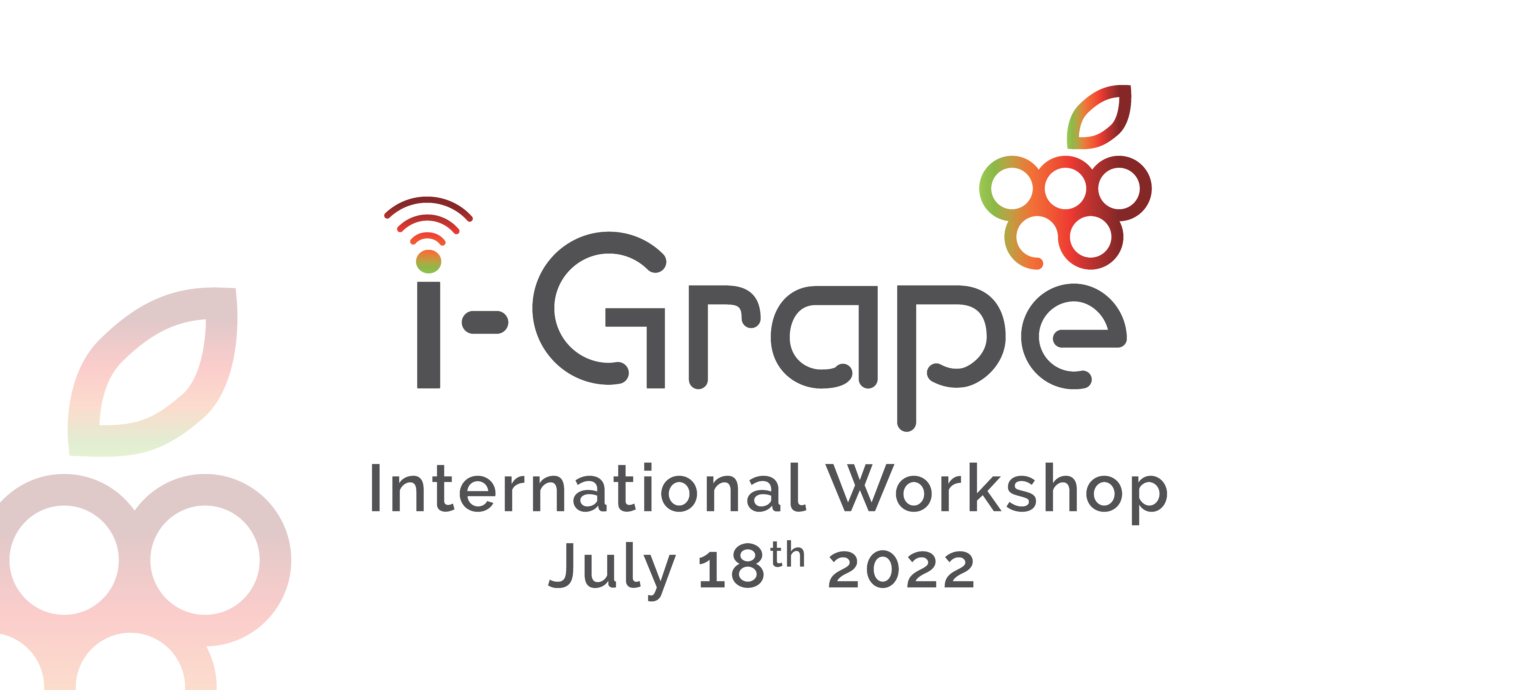
i-Grape team is organizing the International Workshop on July 18, 2022, at INL – International Iberian Nanotechnology Laboratory in a hybrid format. During this International Workshop, different scientists and industry representatives will discuss together the outputs of the i-Grape project, as well as the present and the future of Precision Viticulture with contributions from the different latitudes of the world of wine.
ABOUT THE PROJECT
i-GRAPE aims at developing a new generation of analytical methods for stand-alone, on-the-field control of the grape maturation phase and vine hydric stress, based on highly integrated photonic components and modules (wafer and wafer/package level micro-spectrometers). In a highly competitive market, to achieve high-quality wines, measuring and monitoring vine hydric stress, and the grape ripening process with simple, rapid and cost-effective techniques will allow the winemaker to control irrigation in the latest steps of grape maturation, and plan the harvest at the optimum time, therefore, optimizing wine quality at the end of the wine value chain.
The i-GRAPE approach complies, through the development of innovative integrated photonic components and modules, with the needs of a low-cost, reliable, sensitive, stable and high throughput analysis that interconnected with communications and signal processing electronics, can bring the process control of grape maturation into the hands of the winemaker.
And the long-term i-GRAPE vision is to bring the ‘lab” to the vine, and the parameters pertaining to vine and grape control to the home base station on the farm, without human intervention and it can only be achieved by developing smarter and modular systems that allow for future integration of cost-effective multi-mode sensors.
1st Tech@Week dedicated to the ‘Green Transition’ will happen next week at INL

The first Tech@Week starts with the first event dedicated to ‘Industry 4.0’ and the ‘Green Transition’, next week on July 12, at INL – International Iberian Nanotechnology Laboratory. In this first session, they will explore Industry 4.0 and the Green Transition’s main trends and challenges and how they are challenging and revolutionizing the way companies manufacture, improve and distribute their products by integrating new technologies, including the Internet of Things (IoT), cloud computing and analytics, and AI and machine learning into their production facilities and throughout their operations.
Tech@Weeks is an initiative promoted and organized by ANI that aims to bring together, for a week in the upcoming months, the main actors of the national innovation system to promote empowering debates showcasing technology, innovation and effective results.
Tech@Weeks are promoted within the scope of SIAC – Knowledge Transfer Initiative, an initiative co-financed by Compete 2020, through Portugal 2020 and the European Regional Development Fund.
SUSTAINABLE NANOFABRICATION: Joint Networking Event — That’s a wrap!
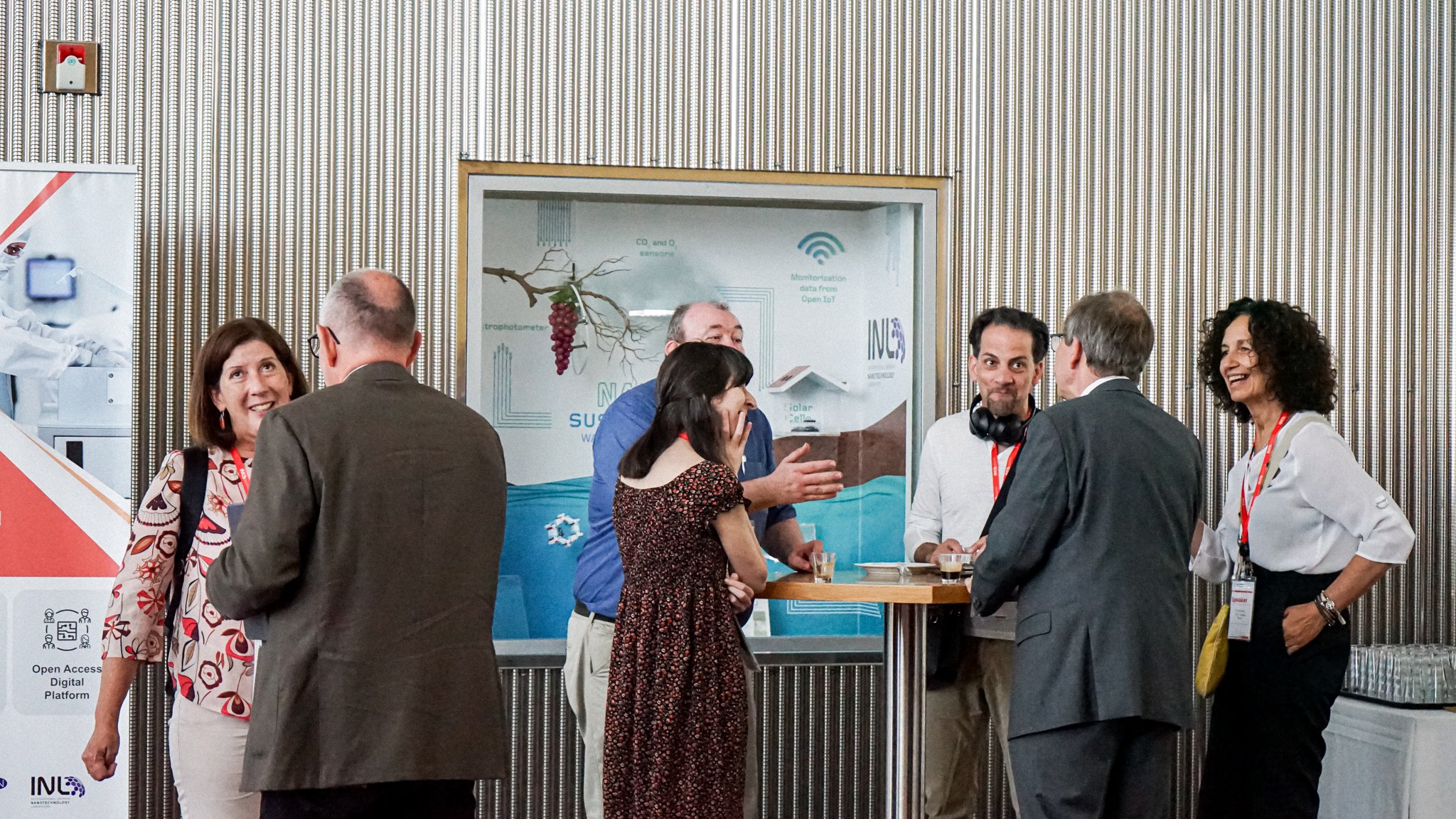
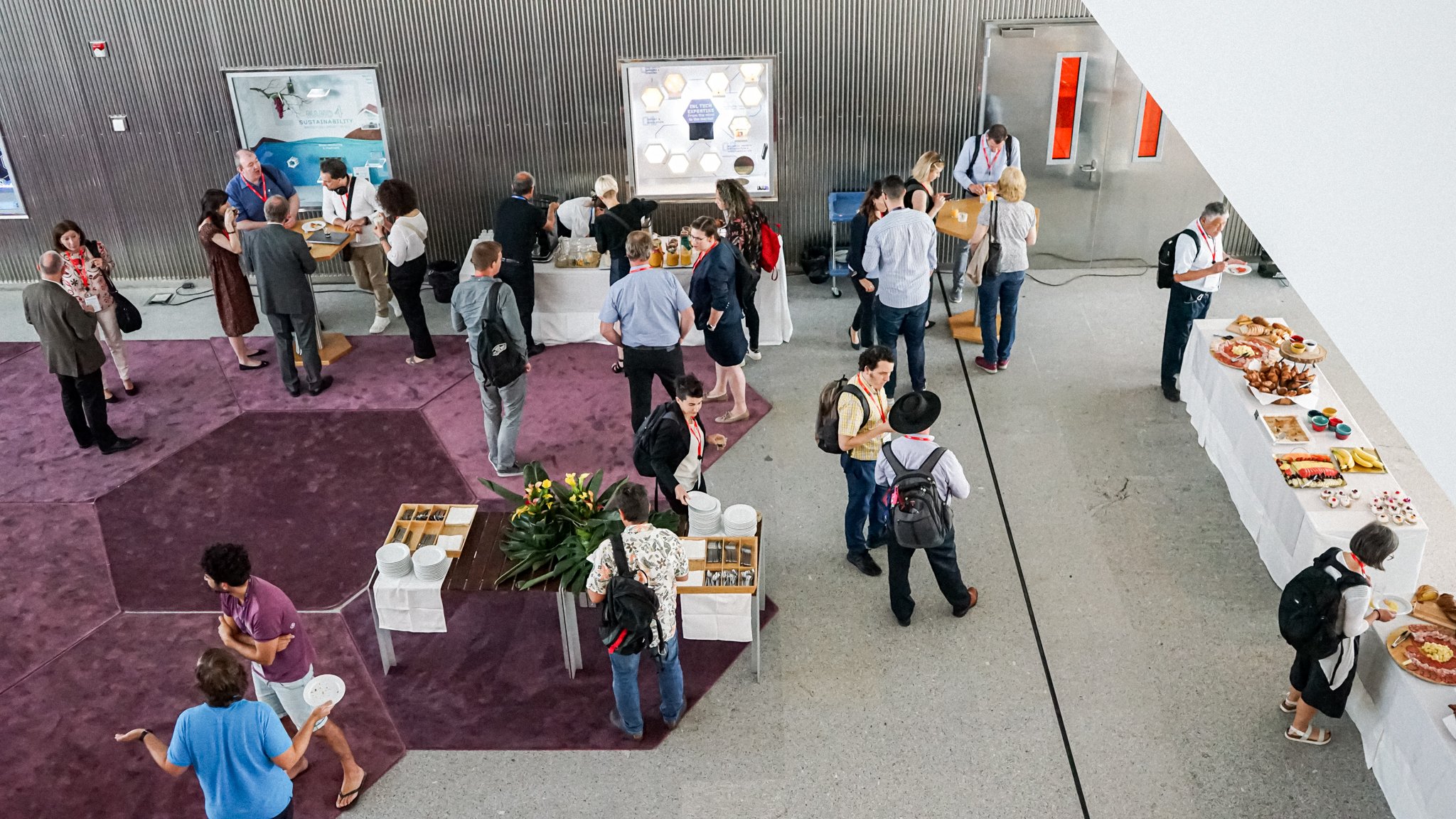
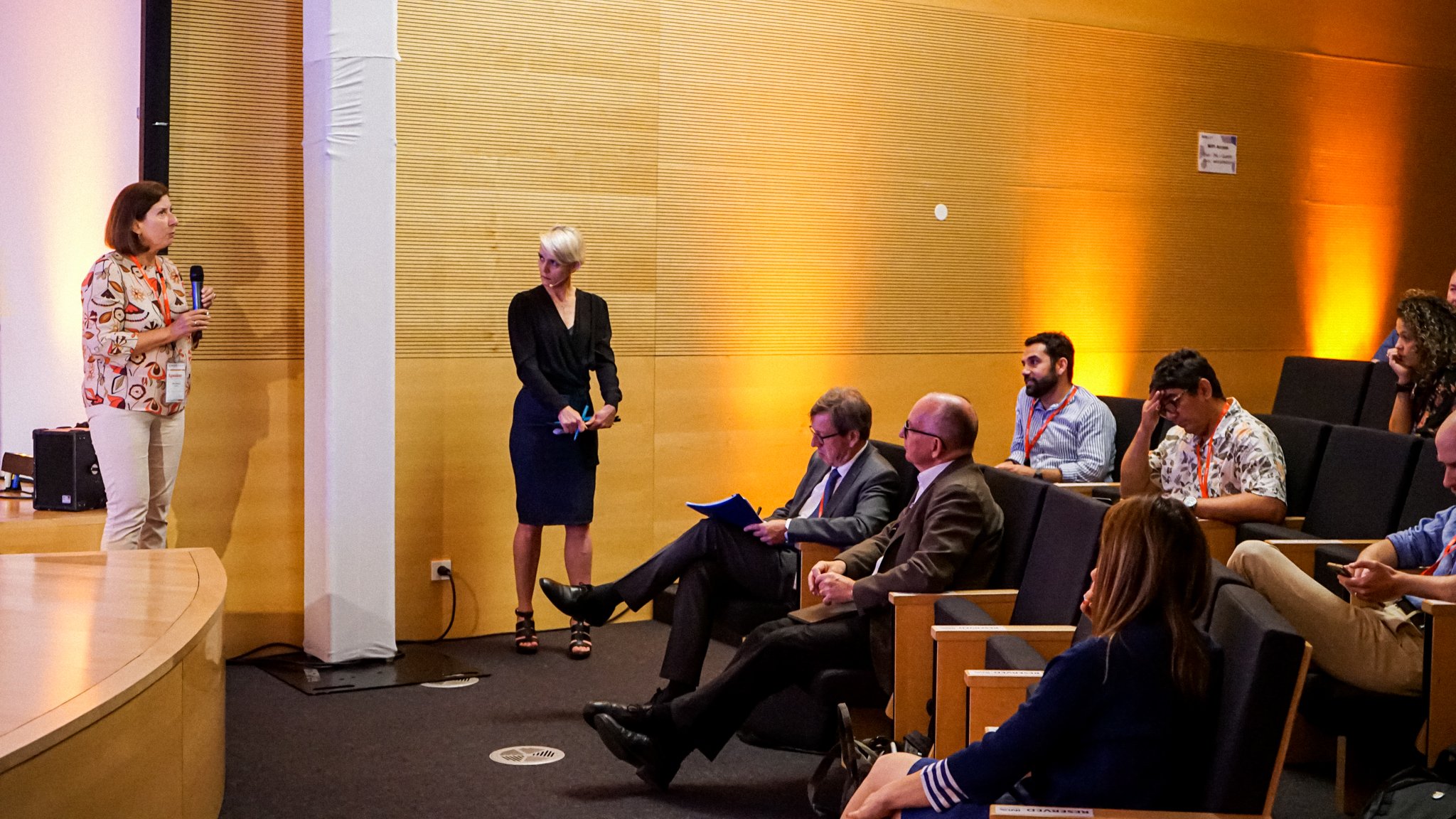
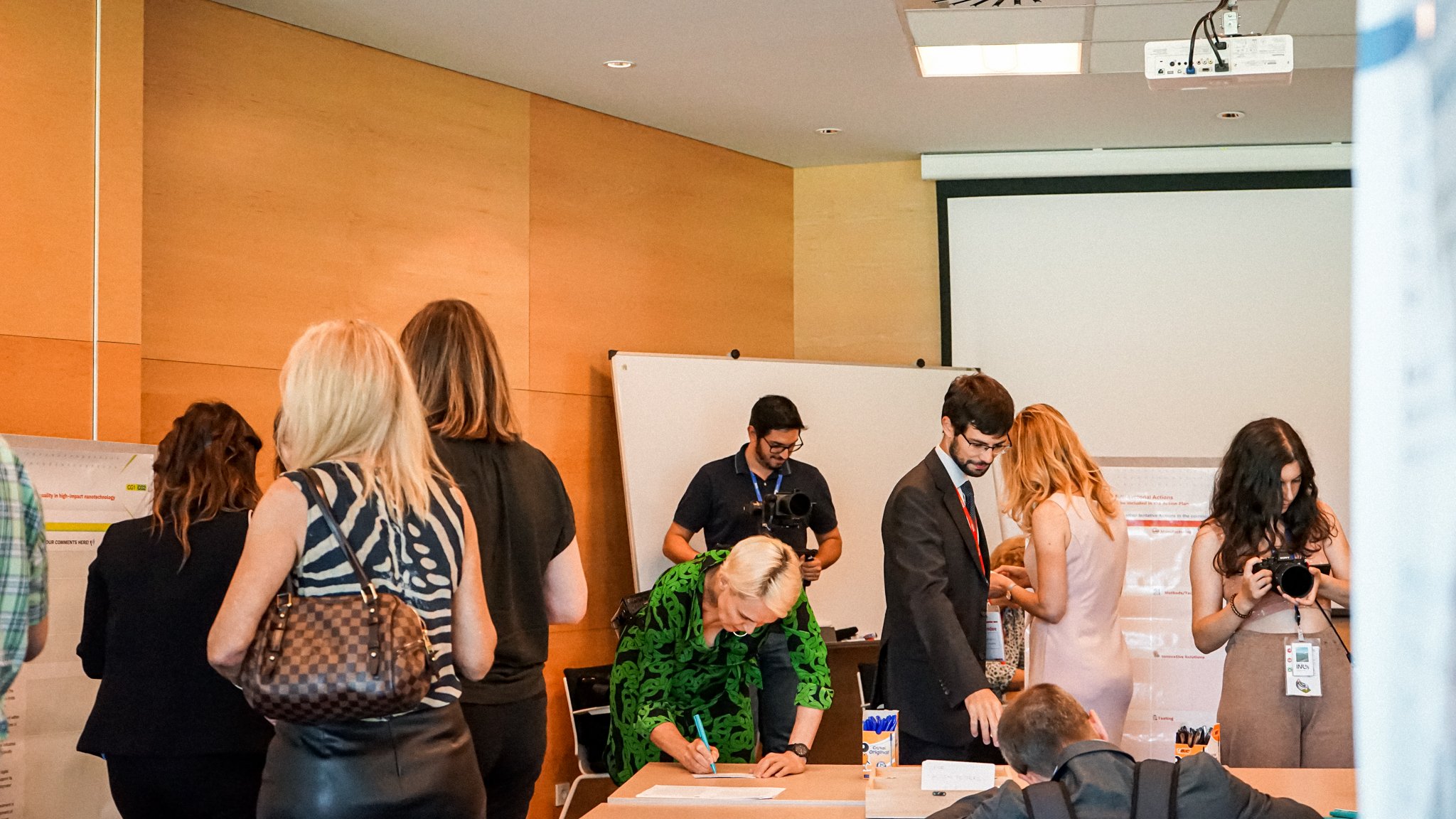
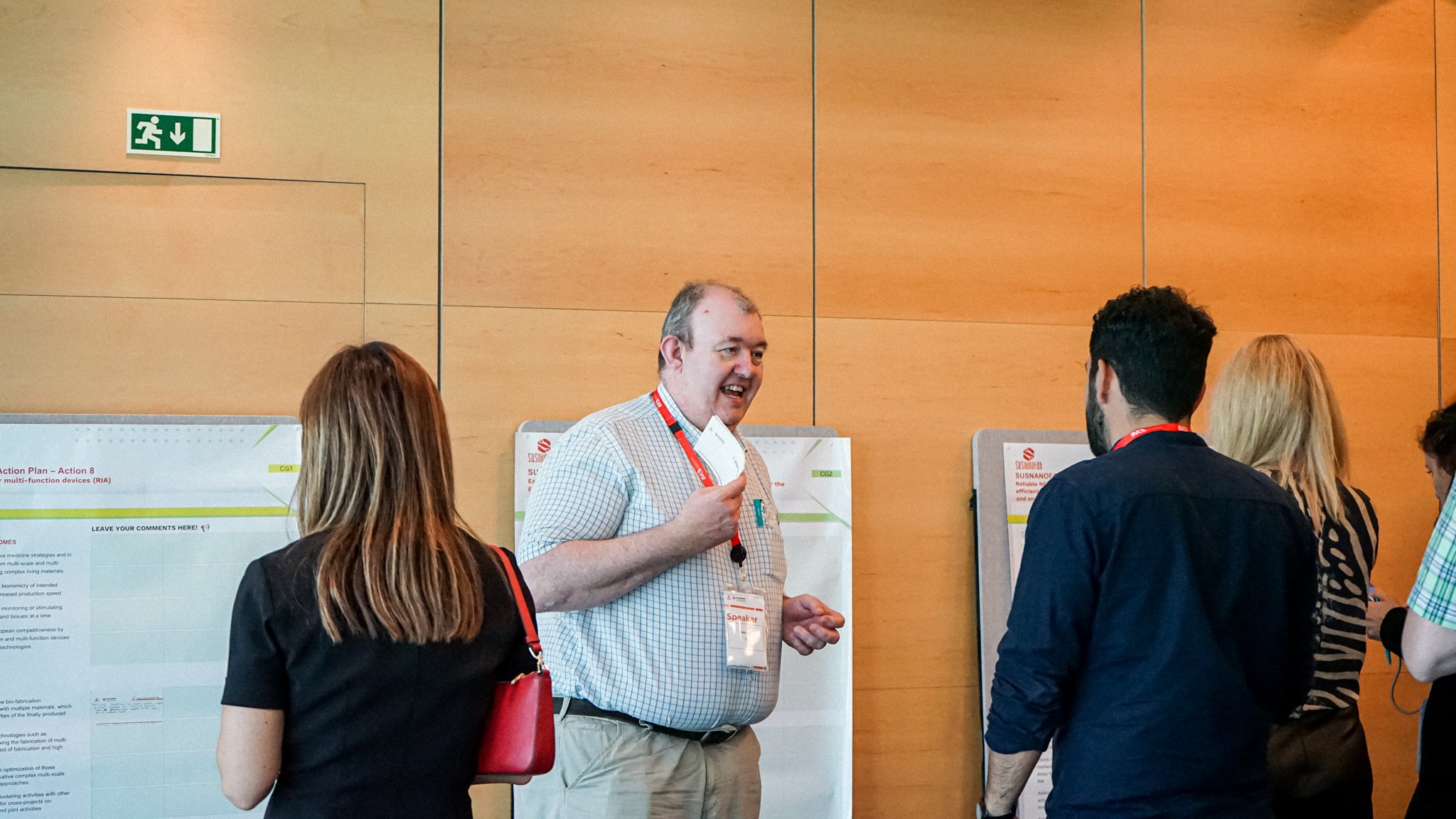


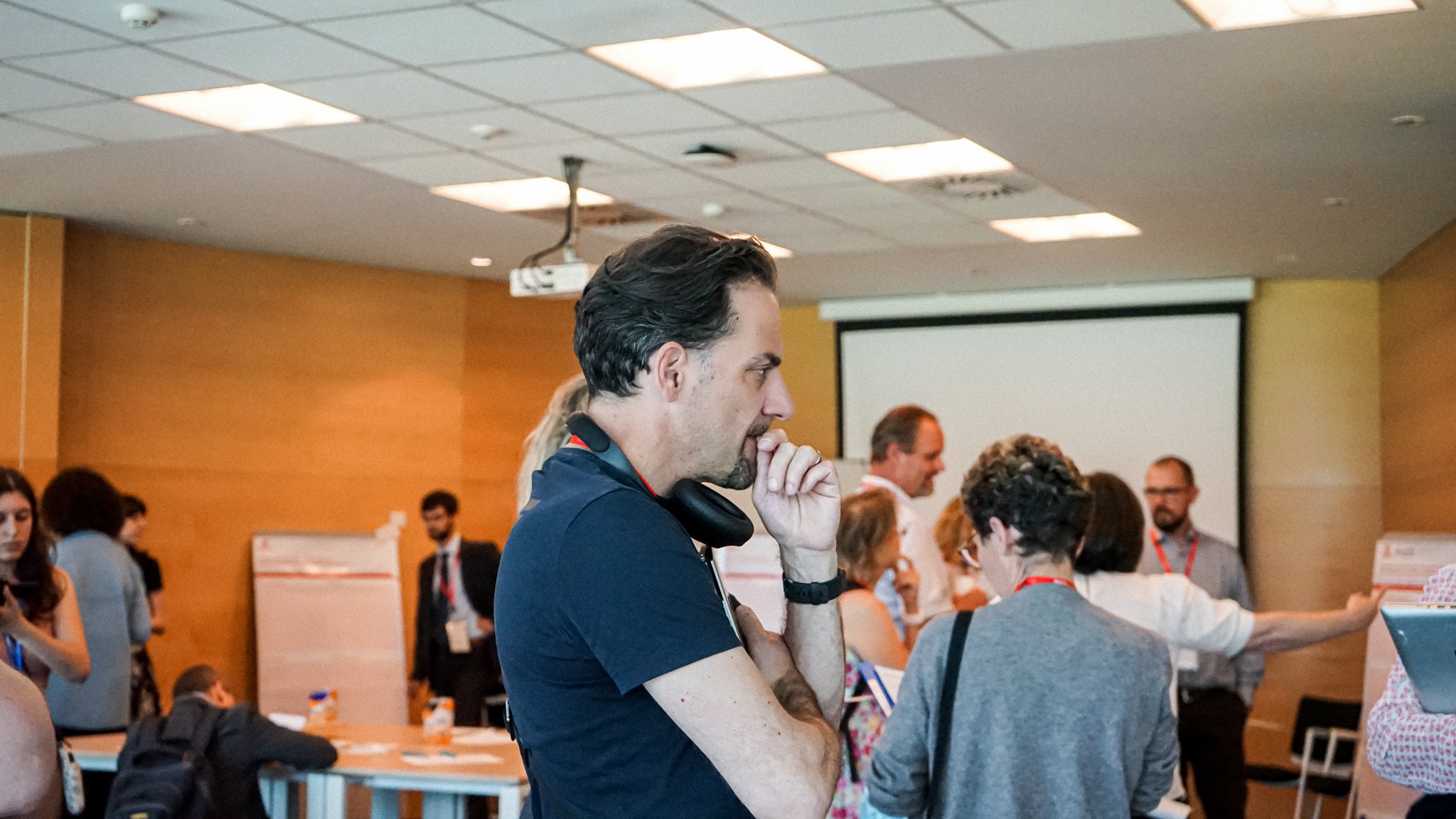
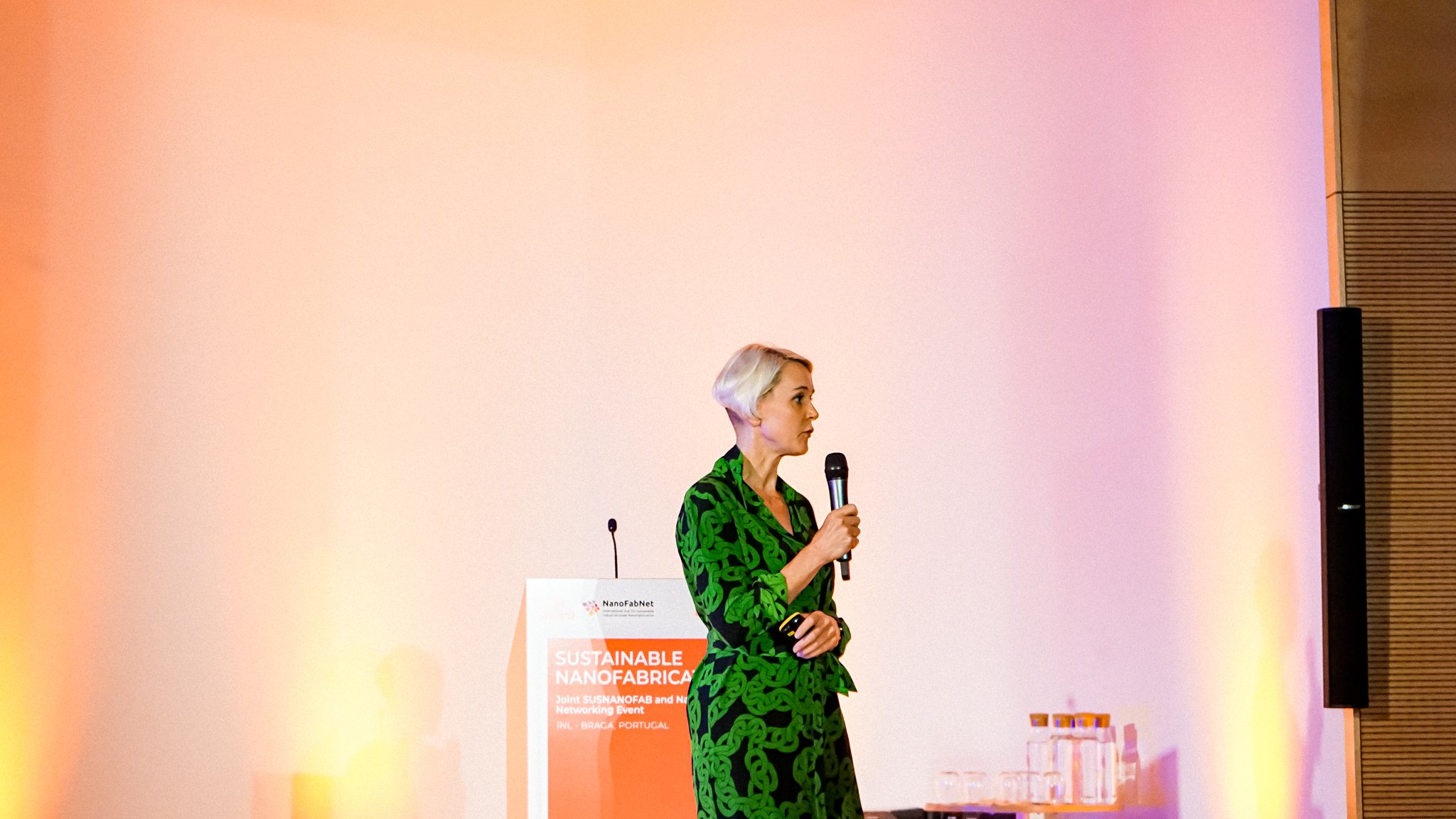
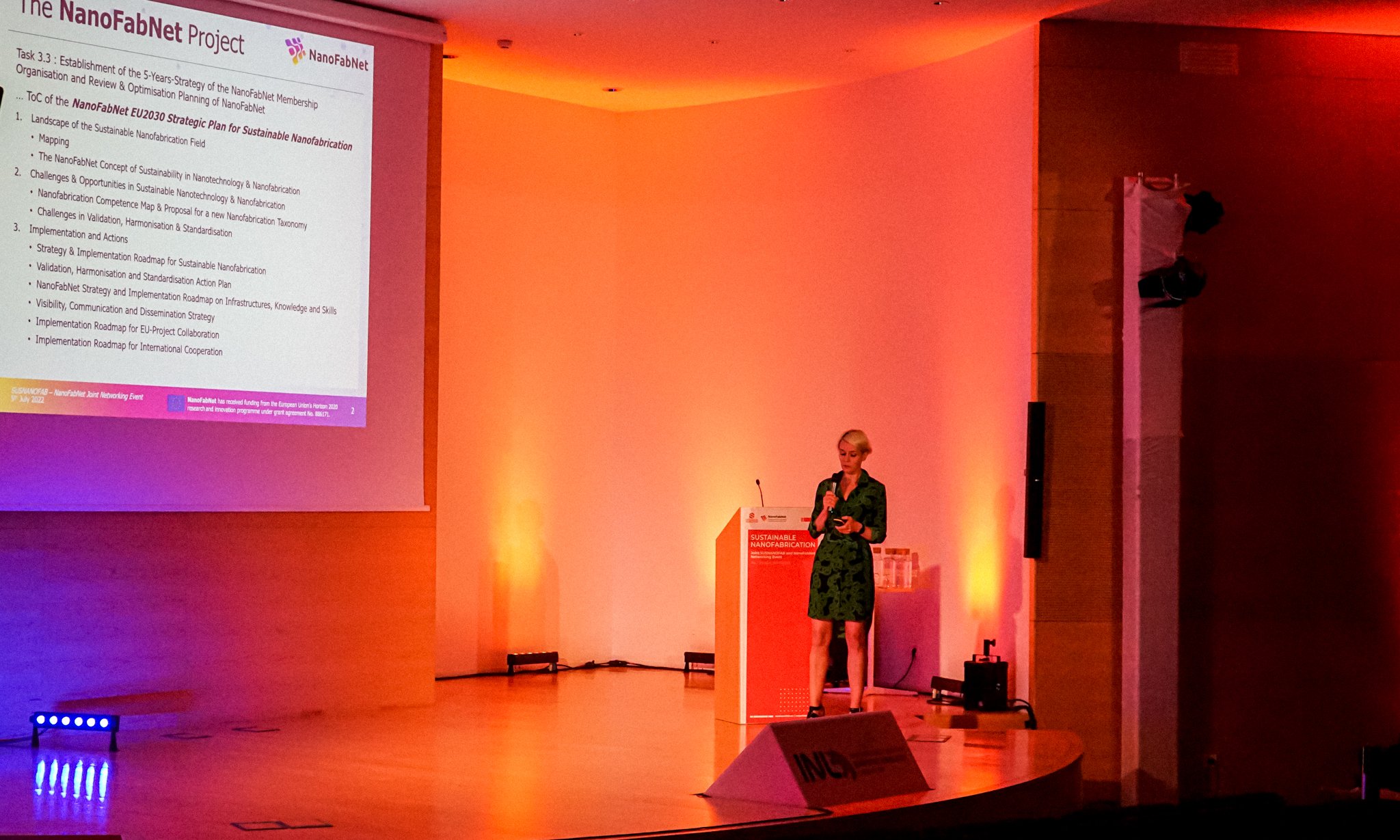
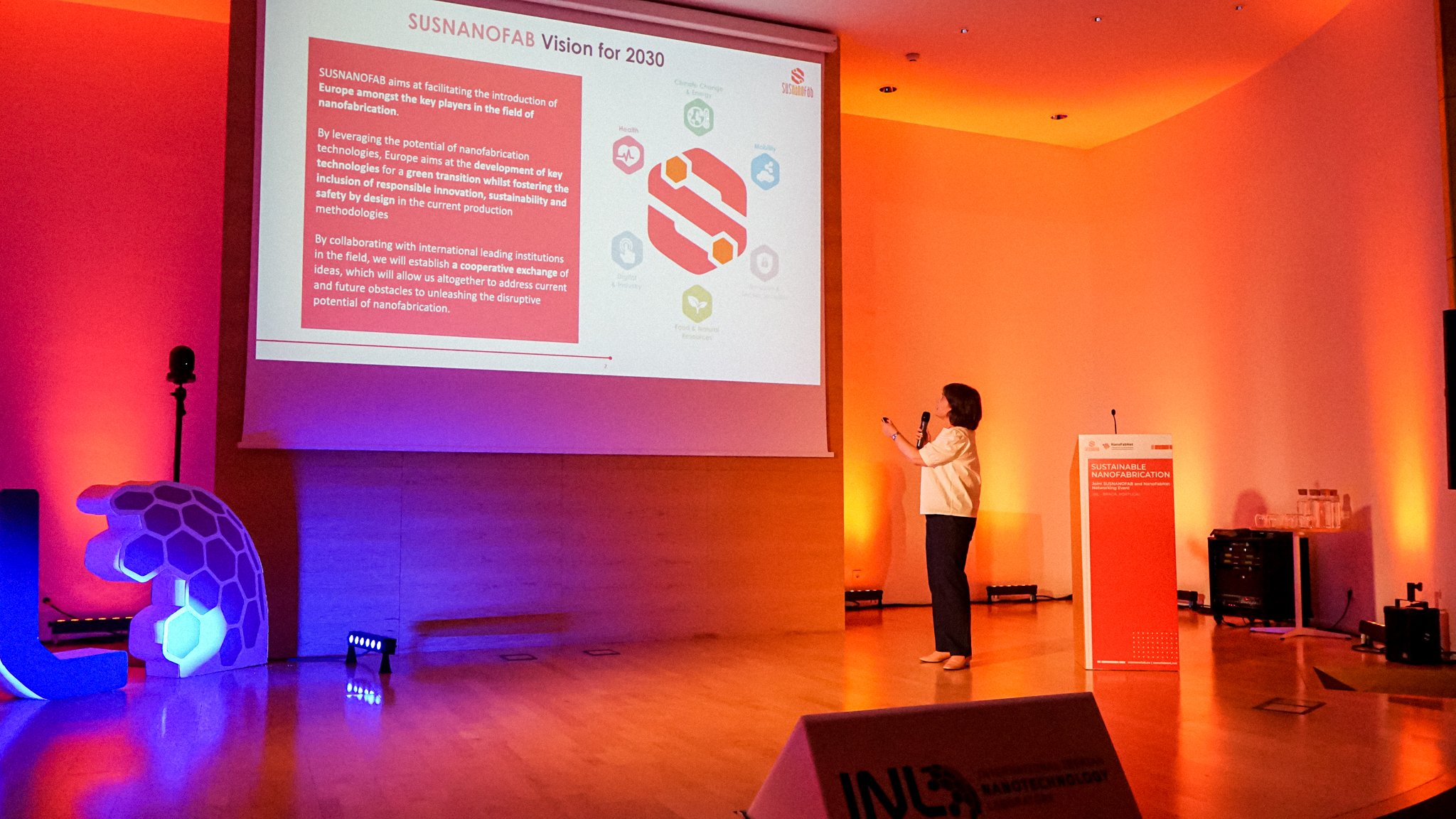

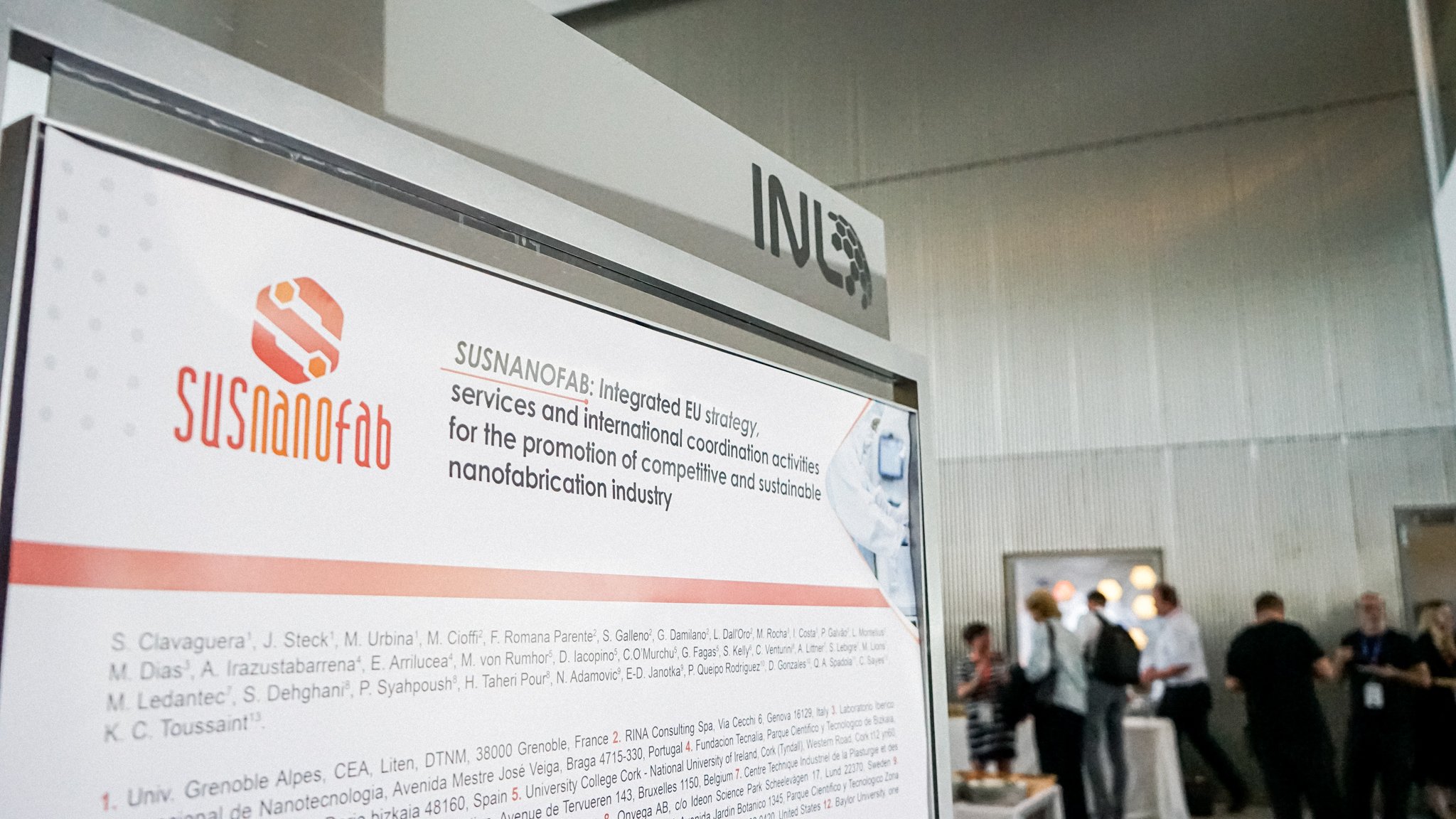
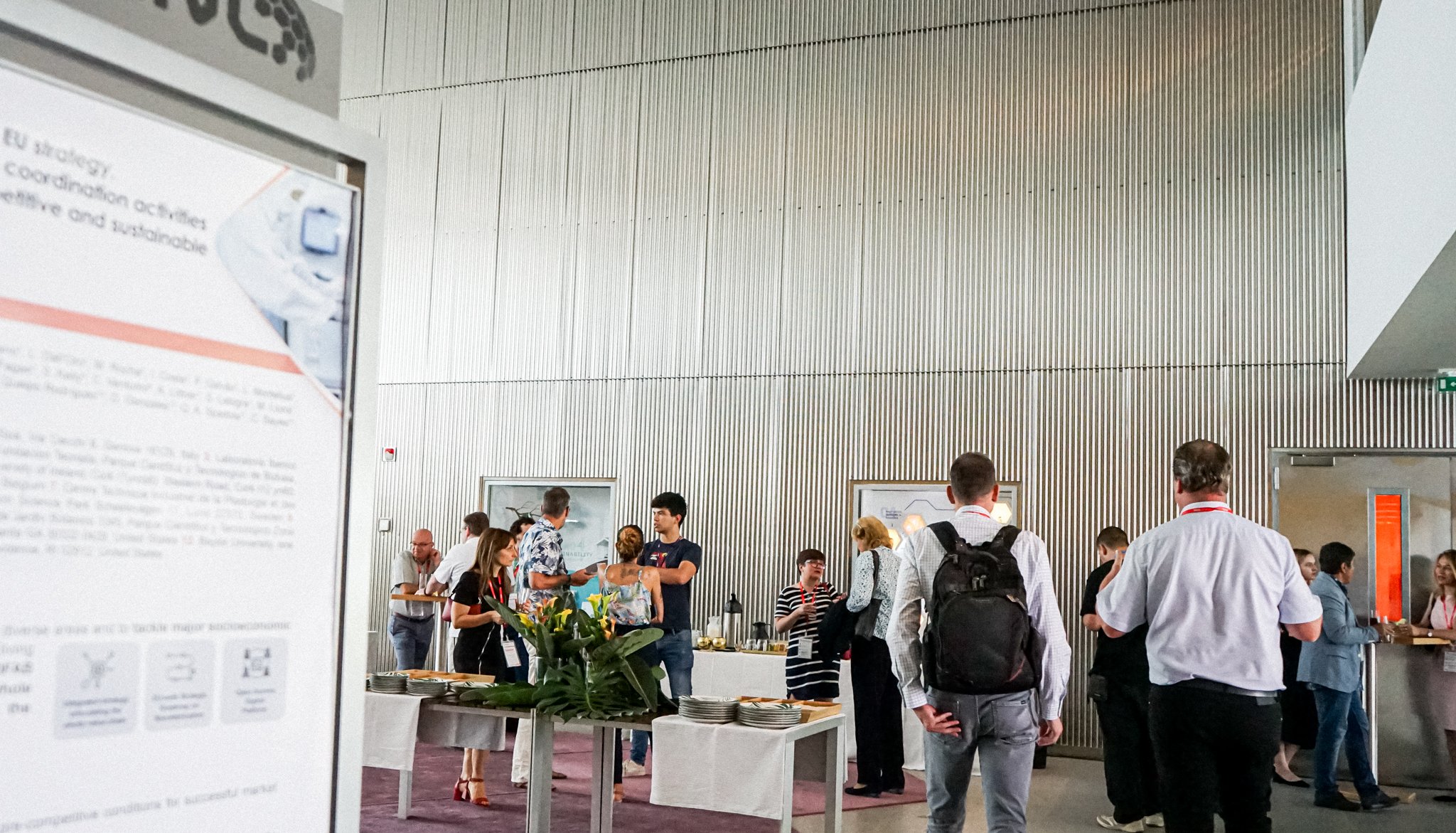
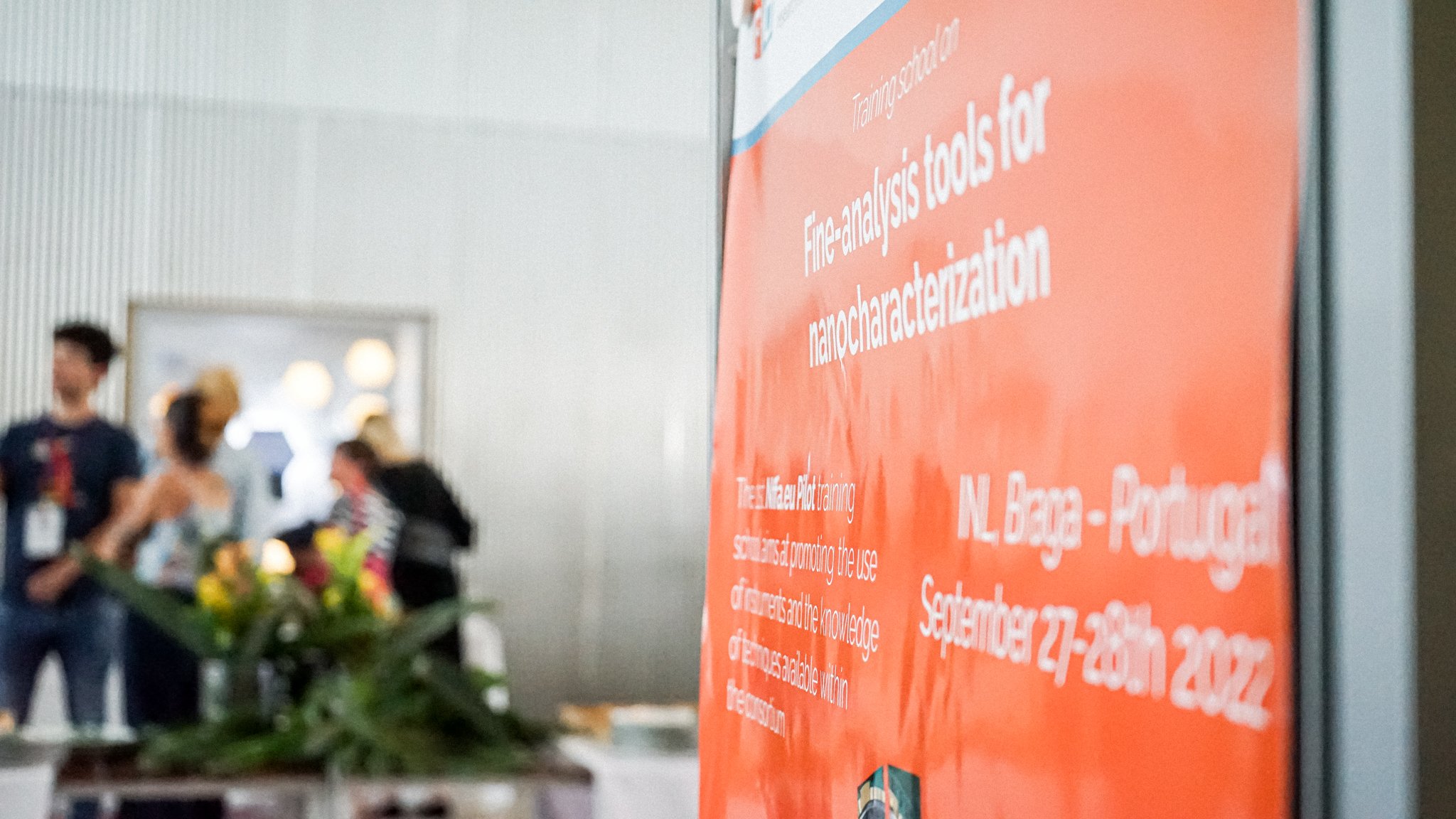
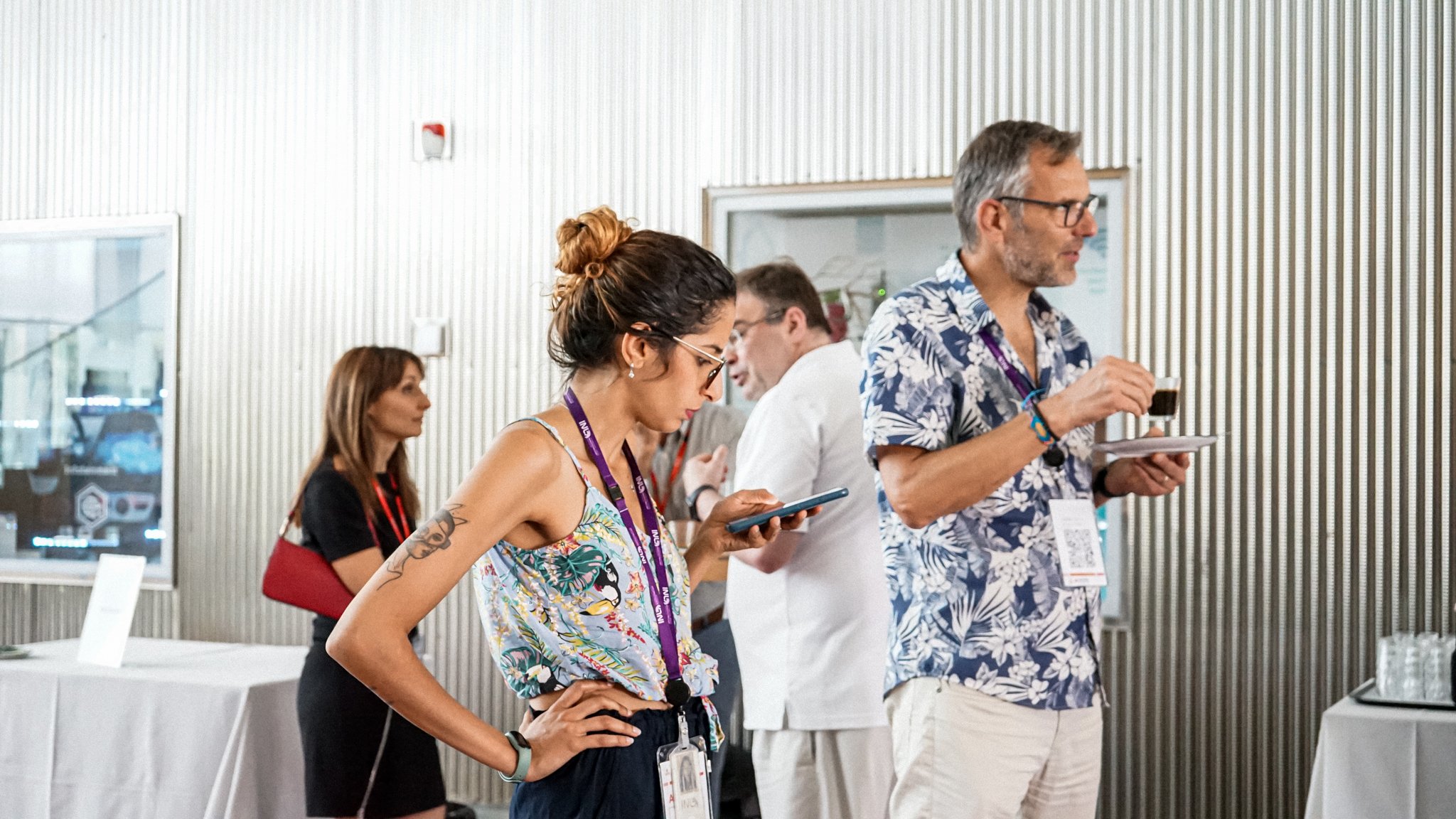
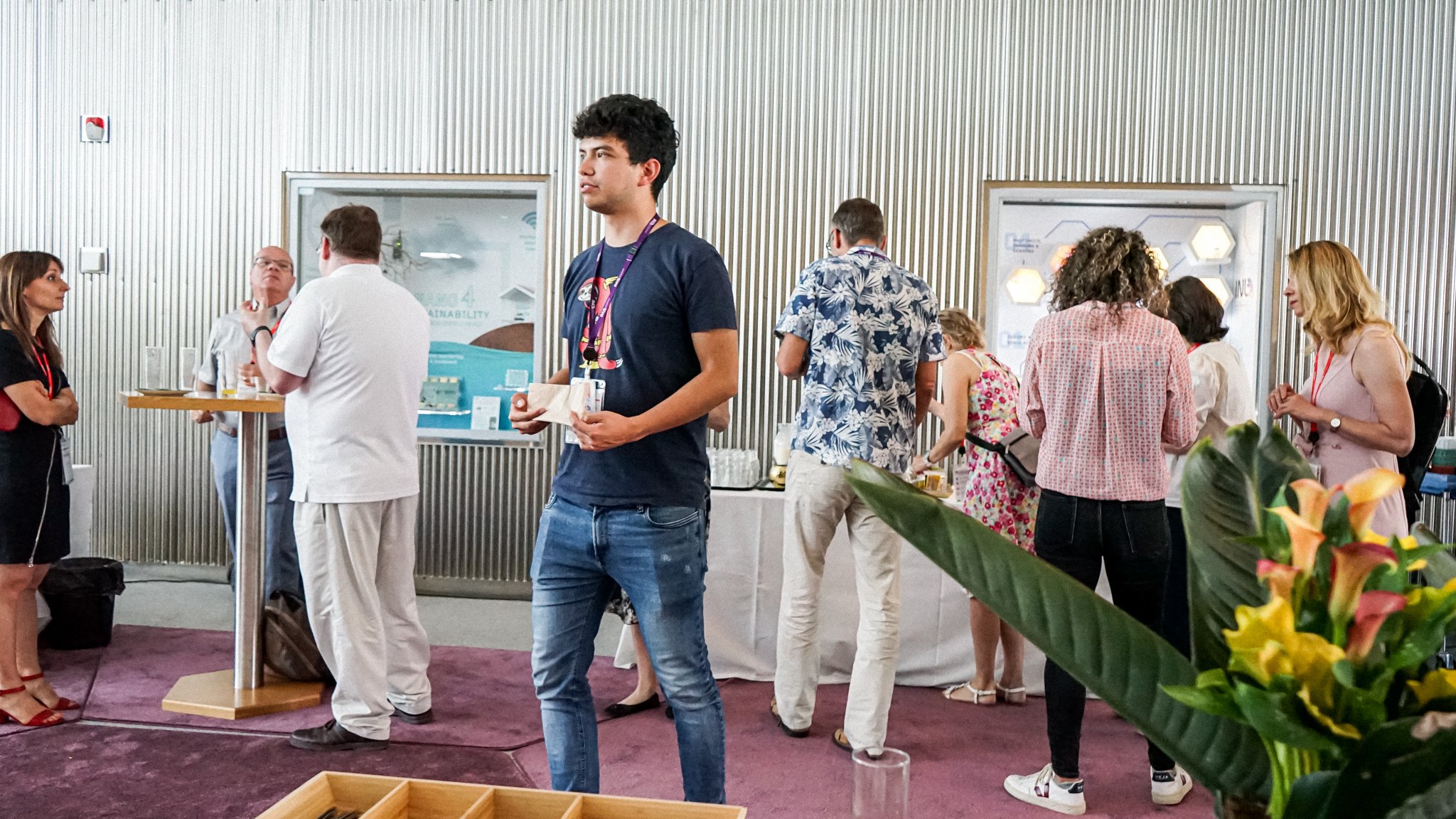
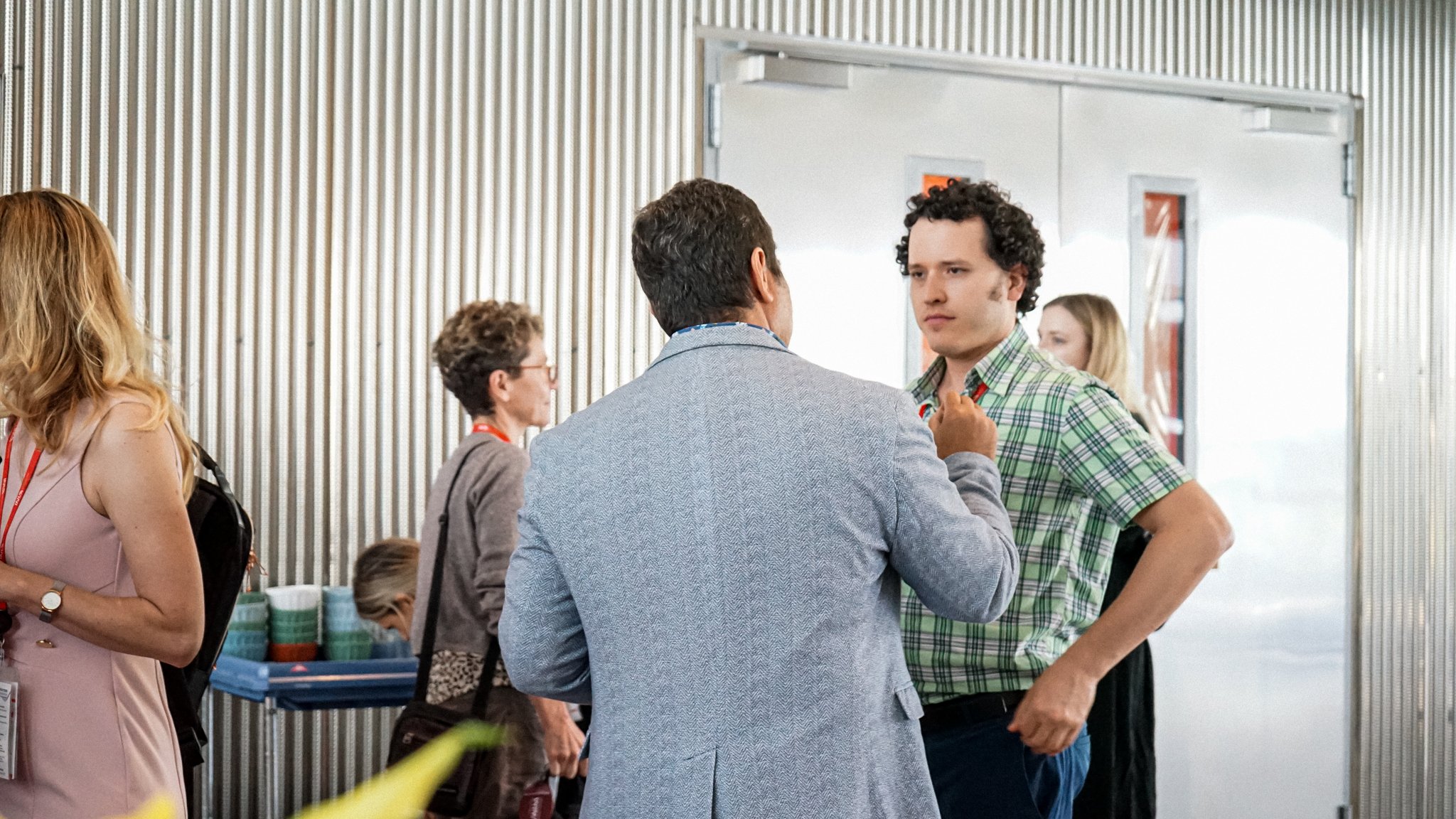

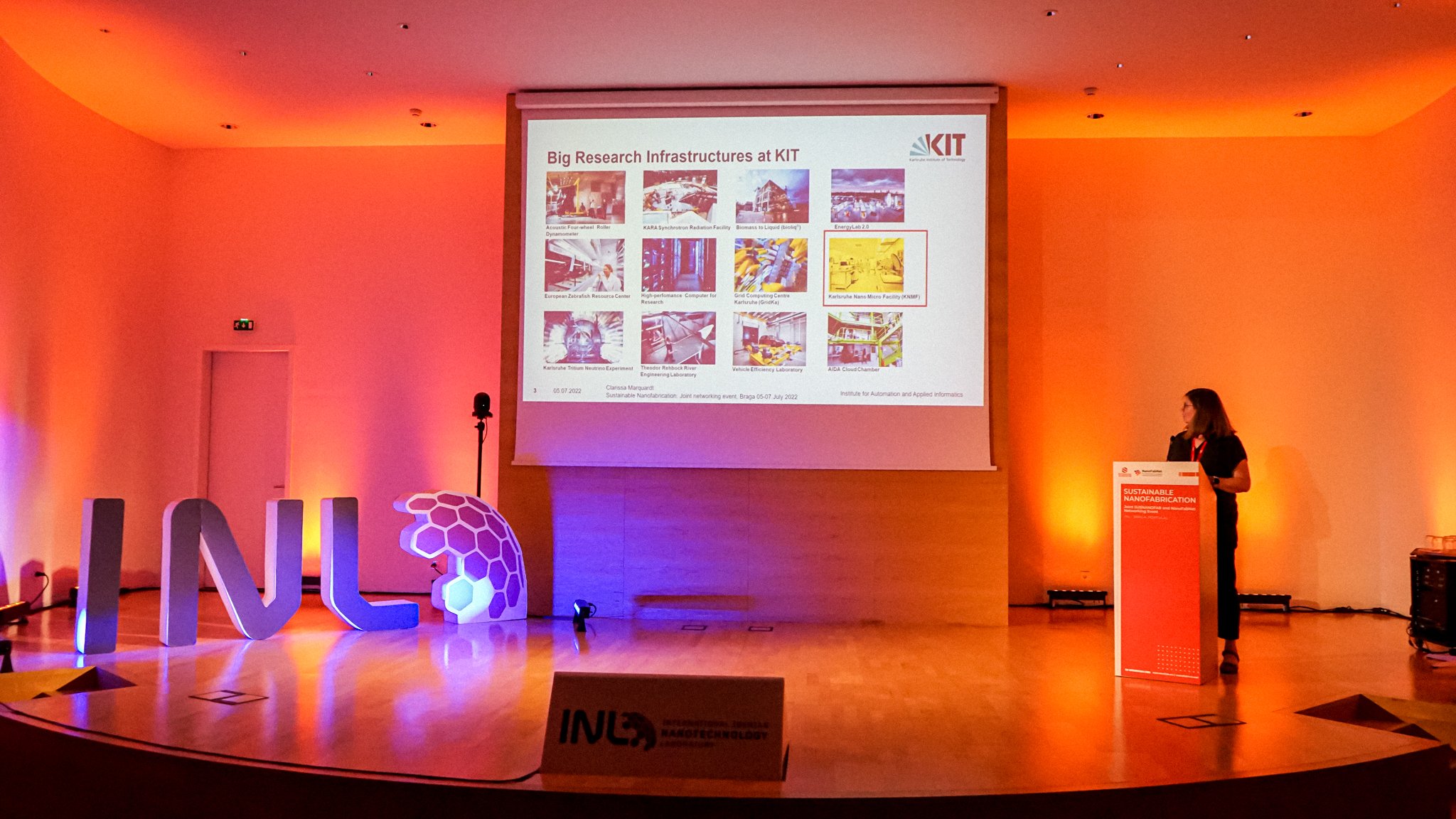
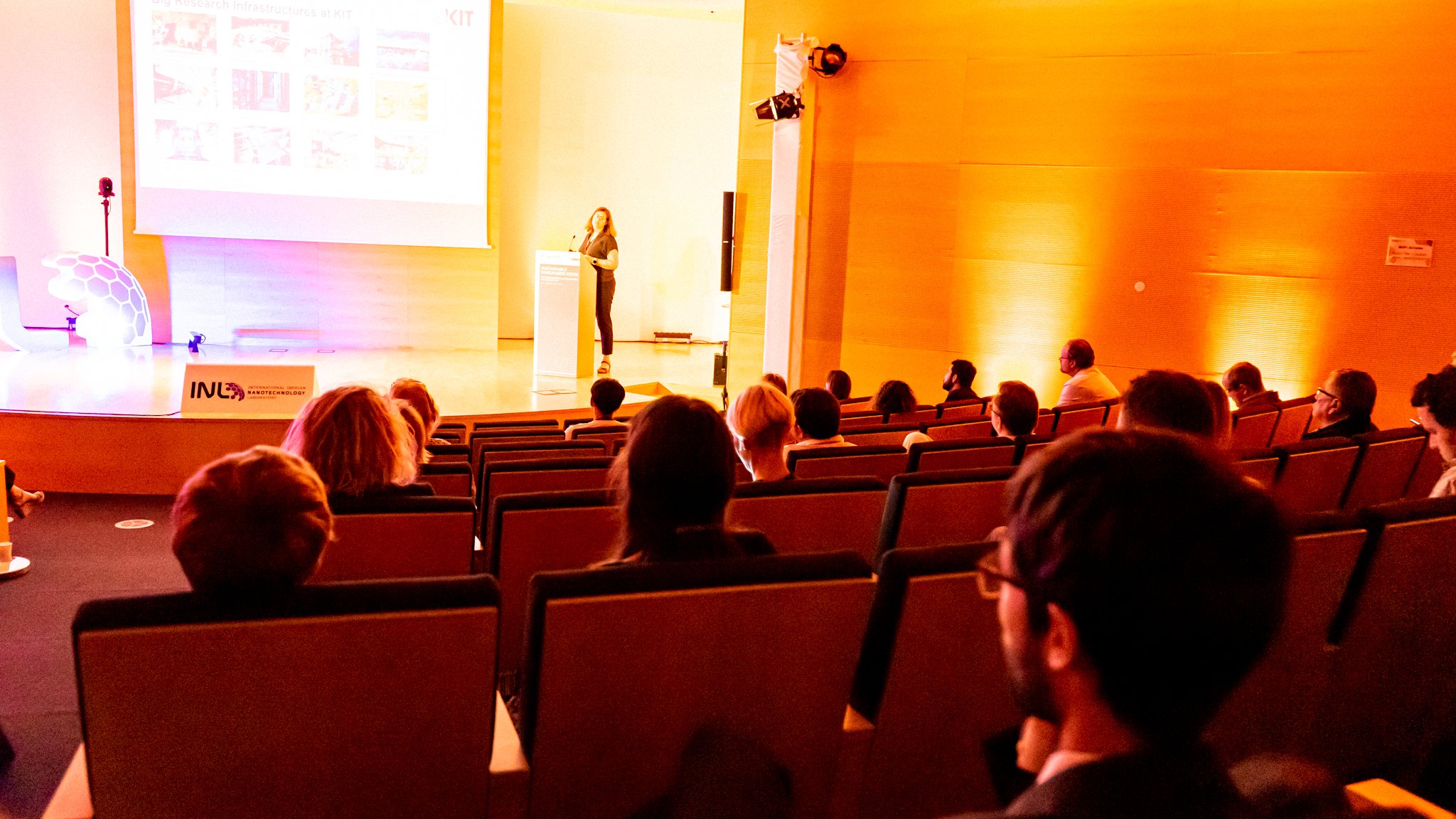
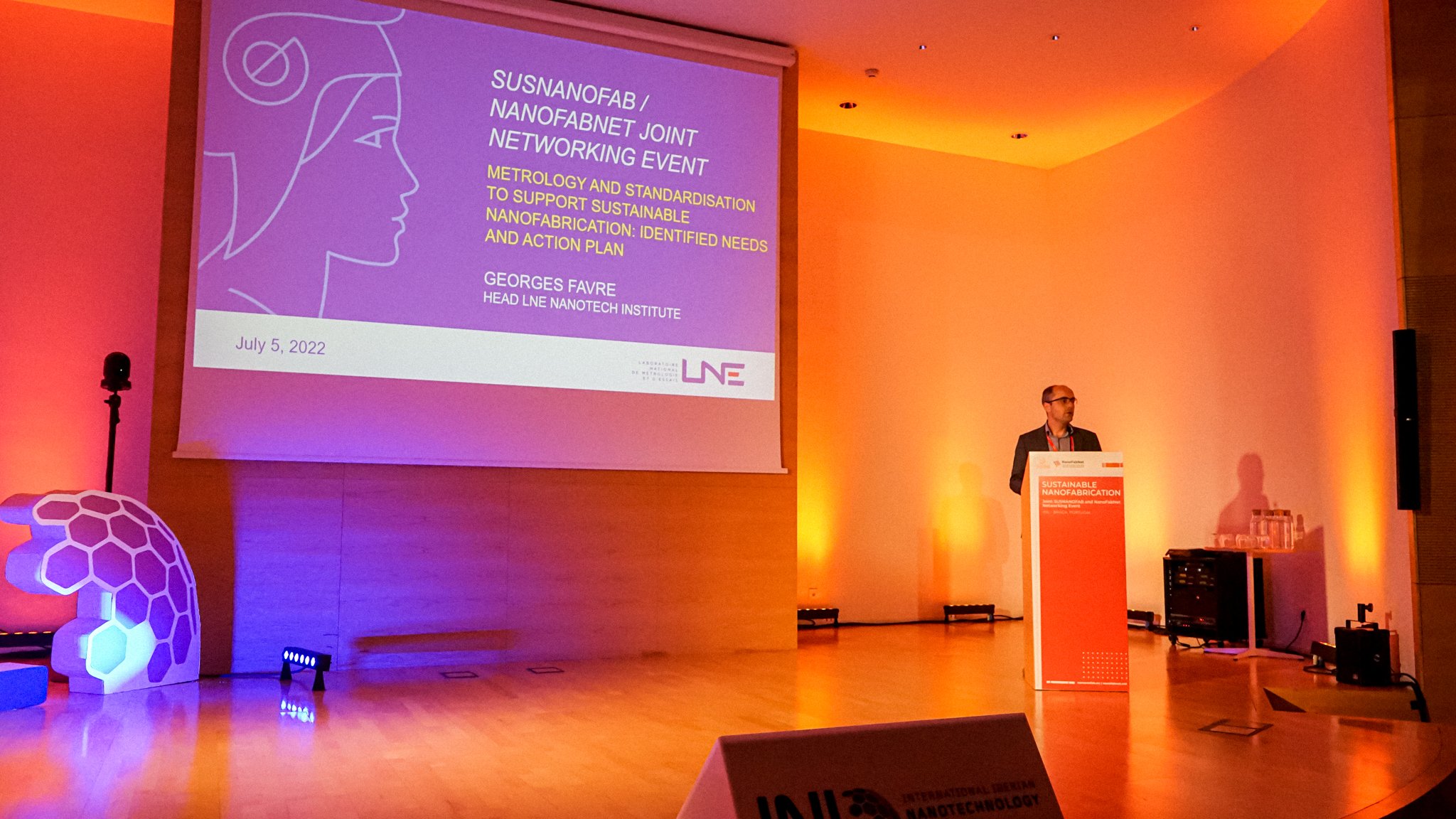
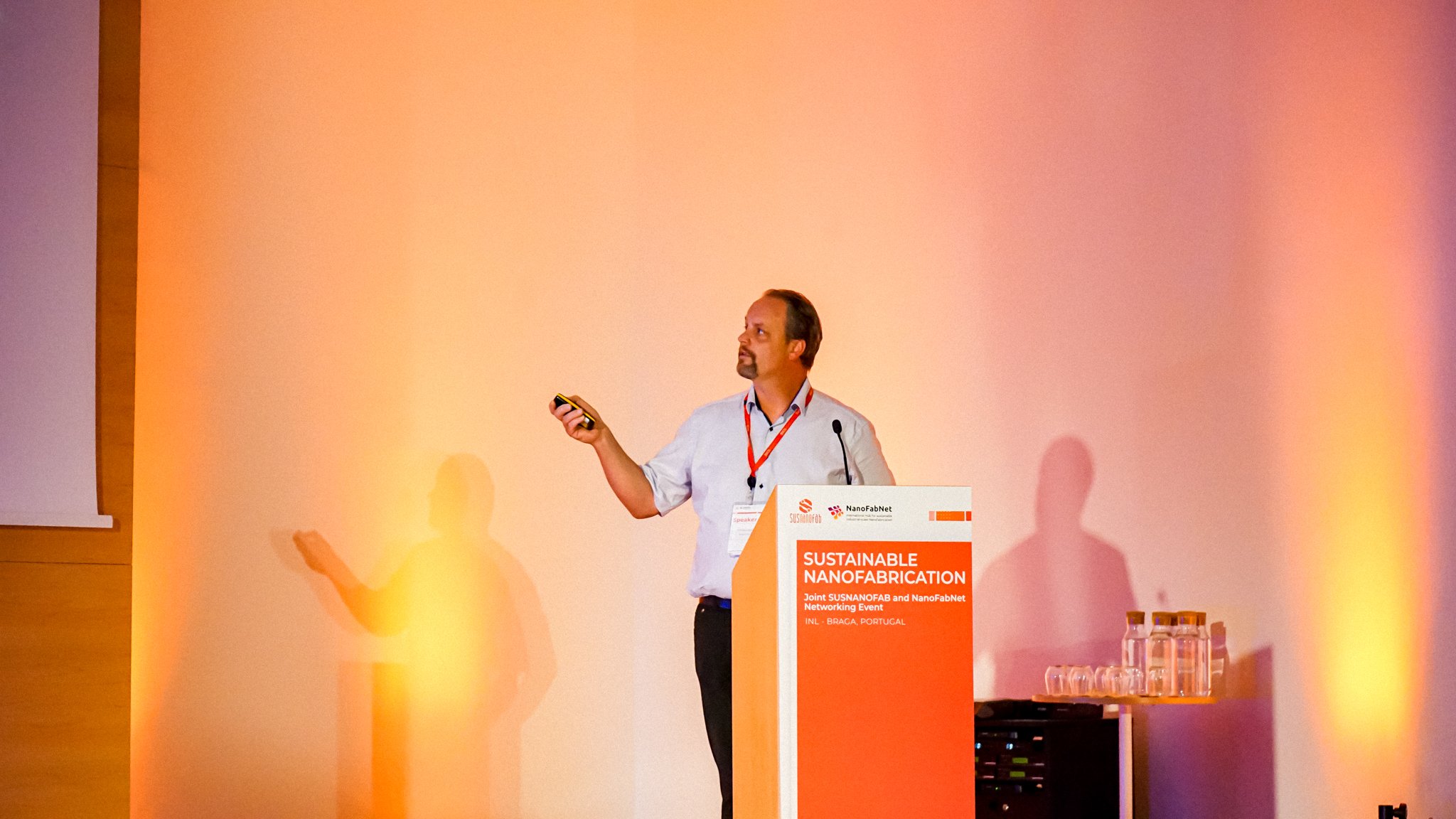

It took a village to make the SUSNANOFAB and NanoFabNet networking event on Sustainable Nanofabrication for the last 3 days at INL – International Iberian Nanotechnology Laboratory, Braga – Portugal. We couldn’t have done it without the organization, all the team members, all participants and sponsors.
The 3-day programme included a panel dedicated to industry, innovation and research, composed of renowned speakers that addressed the hot topics on sustainable nanofabrication and nanomanufacturing; brokerage sessions that explored potential business and technological collaboration opportunities in the nanofabrication and nanomanufacturing ecosystem; a co-creation session that assessed the impact of the proposed actions and stimulate implementation ideas within the “SUSNANOFAB Roadmap for an EU-wide strategy on nanofabrication”; training sessions in Safe and Sustainable by Design and Standardization; and the we witnessed the beginning of a stimulating and promising meeting point for industrial-scale nanofabrication – the NanoFabNet Hub.
This 3-day networking event started and ended with a firm statement: nanofabrication has the potential to address significant socio-economic challenges, and its undeniably vast potential must be optimized.
Moreover, we felt the spirit of sharing, a unique co-creation energy, and a strong will to follow up with concrete actions that will contribute to a robust and sustainable nanofab ecosystem.
TITAN project funded by HORIZON ‘FARM 2 FORK’

TITAN – Transparency Solutions for Transforming the Food Systems project has reached the stage of Horizon Europe Grant Agreement preparation. This unique consortium comprises 27 partners and comprises a mix of technology providers and research centres linked to agri-food actors and businesses through an interactive co-creation approach, from which the Food Quality and Safety Research group from INL – International Iberian Nanotechnology Laboratory participates.
The objective of TITAN is to provide an extensive platform for the development of a wide range of innovations that aid transparency and address key challenges identified in the European Green Deal and, at the same, showcase 21 innovations covering these themes. By bringing together business strategy, the latest technology innovations, policy and the consumer, TITAN will provide the blueprint of a demand-driven economy that provides healthy, sustainable, and accessible food for its citizens.
The TITAN innovations, all transparency-related, address the following themes: enhancing transparency in agri-food businesses with a focus on SMEs; improving food choices by providing more transparent information to the consumer; using improved transparency to enhance food safety and authenticity of products, and providing improved information on the health and sustainability of food products.
This project is financed by HORIZON-CL6-2021-FARM2FORK-01 – Fair, healthy and environmentally-friendly food systems from primary production to consumption. Projects under this framework are expected to contribute to accelerating the deployment of transparency innovations and solutions in EU food systems, especially among micro-enterprises and SMEs, to boost health, sustainability, and safety of products, processes and diets, and drive climate action; and ensure that future transparency innovations and solutions are demand-driven, systemic and cost-effective, and support the objectives of the EU farm to fork strategy and the EU Green Deal.
Next Page » « Previous Page -->TITAN – Transparency Solutions for Transforming the Food Systems project has reached the stage of Horizon Europe Grant Agreement preparation. This unique consortium comprises 27 partners and comprises a mix of technology providers and research centres linked to agri-food actors and businesses through an interactive co-creation approach, from which the Food Quality and Safety Research group from INL – International Iberian Nanotechnology Laboratory participates.
The objective of TITAN is to provide an extensive platform for the development of a wide range of innovations that aid transparency and address key challenges identified in the European Green Deal and, at the same, showcase 21 innovations covering these themes. By bringing together business strategy, the latest technology innovations, policy and the consumer, TITAN will provide the blueprint of a demand-driven economy that provides healthy, sustainable, and accessible food for its citizens.
The TITAN innovations, all transparency-related, address the following themes: enhancing transparency in agri-food businesses with a focus on SMEs; improving food choices by providing more transparent information to the consumer; using improved transparency to enhance food safety and authenticity of products, and providing improved information on the health and sustainability of food products.
This project is financed by HORIZON-CL6-2021-FARM2FORK-01 – Fair, healthy and environmentally-friendly food systems from primary production to consumption. Projects under this framework are expected to contribute to accelerating the deployment of transparency innovations and solutions in EU food systems, especially among micro-enterprises and SMEs, to boost health, sustainability, and safety of products, processes and diets, and drive climate action; and ensure that future transparency innovations and solutions are demand-driven, systemic and cost-effective, and support the objectives of the EU farm to fork strategy and the EU Green Deal.