INL – International Iberian Nanotechnology Laboratory in collaboration with ANI – Agência Nacional de Inovação hosted yesterday, May 4th, the Horizon Europe BATT4EU Funding Opportunities event and it was focused on presenting the BATT4EU partnership and funding opportunities in Horizon Europe for energy storage solutions.
Counting on a multidisciplinary group of experts sharing ground-breaking viewpoints, this event took us to central topics that sparked insightful discussions and laid considerable foundations to boost a competitive, sustainable and circular European battery value chain. It was possible to discuss the battery ecosystem and challenges in Europe, the current state of the art in Portugal, the future battery technologies for Europe, and the priorities for EU funding in energy storage research, development, and deployment.
For Pedro Salomé, Clean Energy Cluster Coordinator, at INL, this event “showcases INL’s capability to mobilize several stakeholders, industry, academia, and research and technology organizations, at the national, Iberian and European area to come together understanding synergies and opportunities to collaborate and to push the frontiers of technology.”
The participation of the major European associations in the battery sector, European Battery Alliance (eba250) and the Batteries European Partnership Association (BEPA), including a representative from the European Commission, together with the Centro Ibérico de Investigación en Almacenamiento Energético, an Iberian newly created centre dedicated to energy storage, provided the event with an Iberian and European perspective that allowed the participants to understand the latest technological, economical and legislative developments in the battery and energy storage areas. It was the beginning of a promising journey of further discussions and potential collaborations.
This was an excellent opportunity to learn, and network, and counted on the participation of Ana Fontoura Gouveia – Portuguese Secretary of State for Energy and Climate, INL – International Iberian Nanotechnology Laboratory, ANI – Agência Nacional de Inovação, Philippe Jacques – Secretary General, BEPA, Thore Sekkenes, EBA250 Programme Director, EIT InnoEnergy, Batpower Battery Cluster Portugal, Iberian Energy Storage Research Center, CENTI, Galp, Instituto Superior Técnico, Voltalia, Self Energy, Simoldes Plásticos, DST group, Vasco da Gama CoLAB Energy Storage, INESC TEC, ALMASCIENCE, University of Minho, Cleanwatts, EDP Inovação, LNEG, and University of Porto.
SWAN-on-chip: advancing spintronic technologies to the market
At the same time, spintronics is an emerging technology which has been used in key functionalities associated with wireless sensor networks. By harnessing the spin of an electron, spintronic devices have already shown potential as sensors, energy harvesters, and radiofrequency sources.
In the SWAN-on-chip project, several ‘spin-chips’ will be designed to validate the Spintronics Wireless Autonomous Node concept, by integrating spintronic devices with conventional tailored integrated circuits. As well as benchmarking the individual spin-chips, the SWAN-on-chip project aims to create a European-level ‘spintronics technology accelerator’ by bringing together actors from theory, materials, nanofabrication, electrical engineering and industry, with the goal of advancing spintronic technologies to the market.
You can follow the updates of this project on the website: https://www.swanonchip.eu/
Portuguese Minister of Agriculture, Maria do Céu Antunes, visits INL
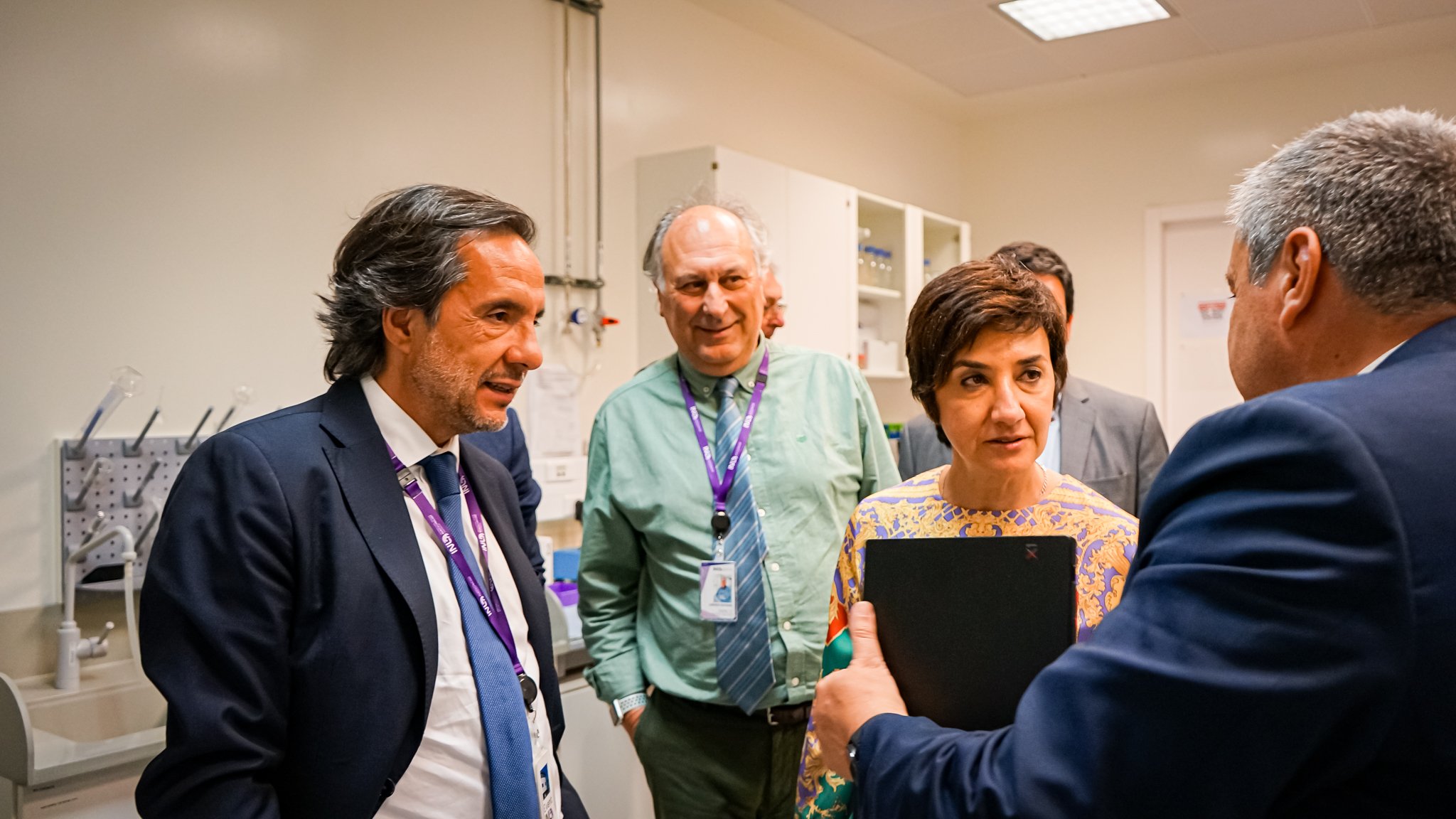
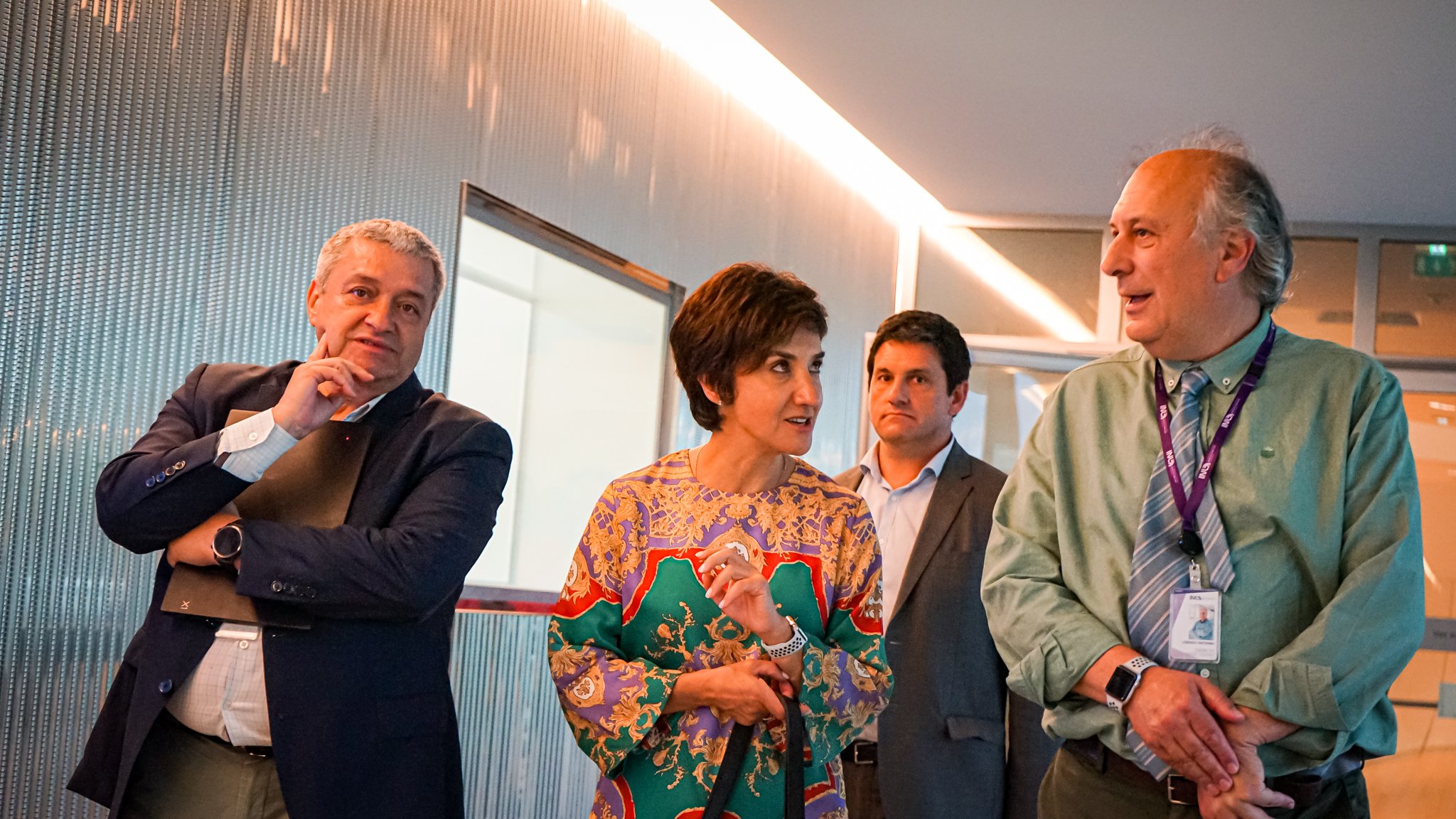
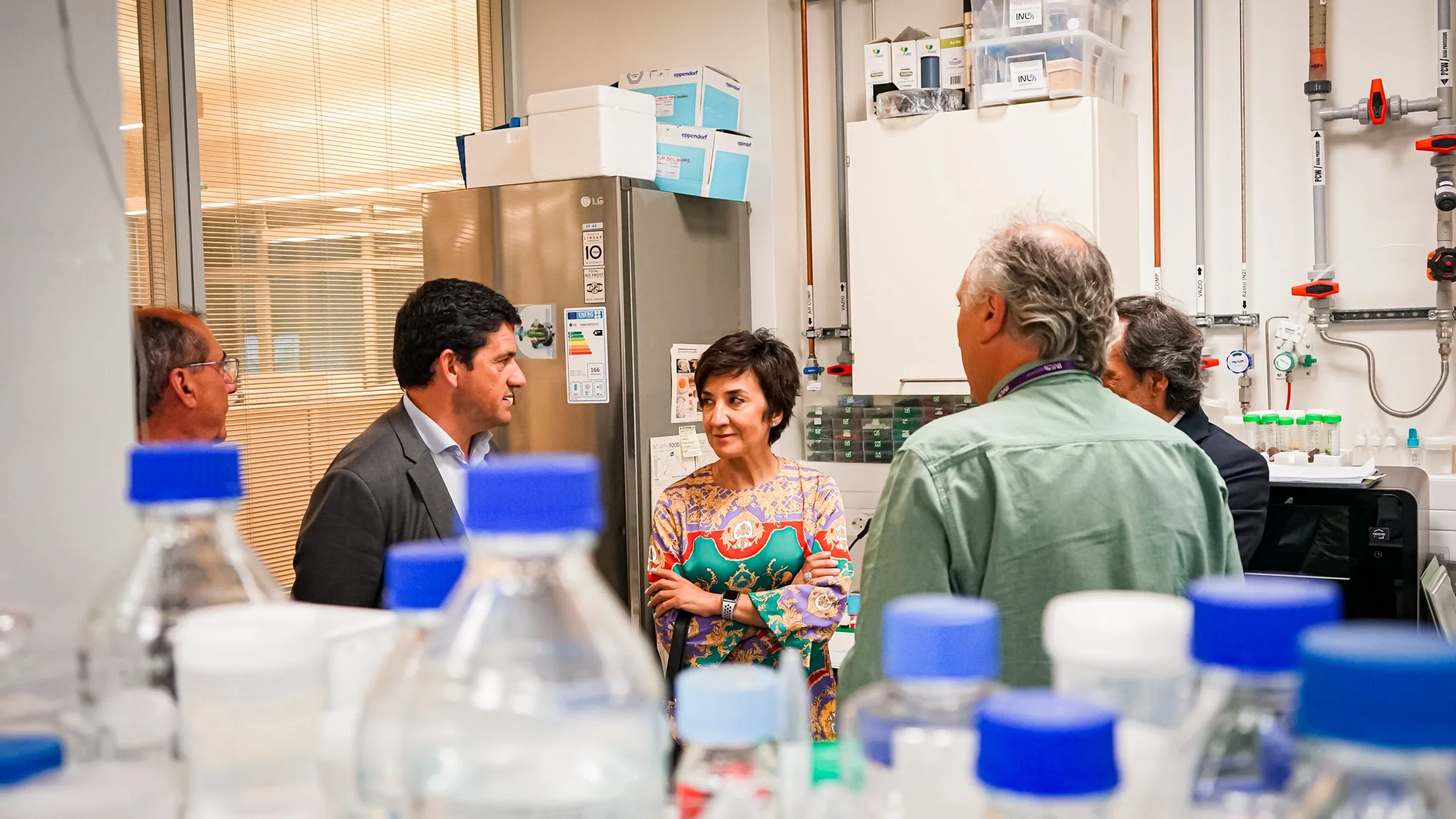
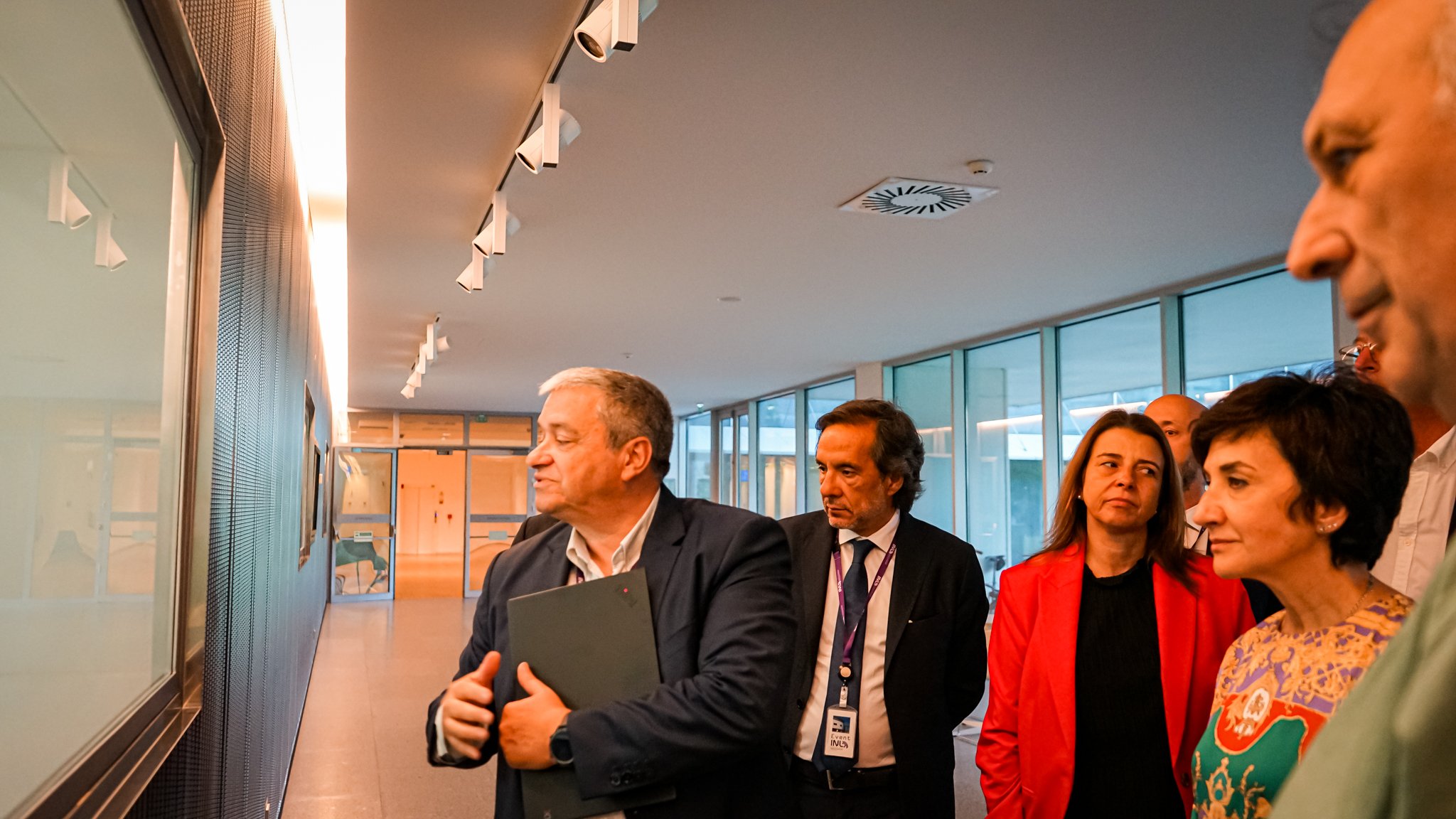
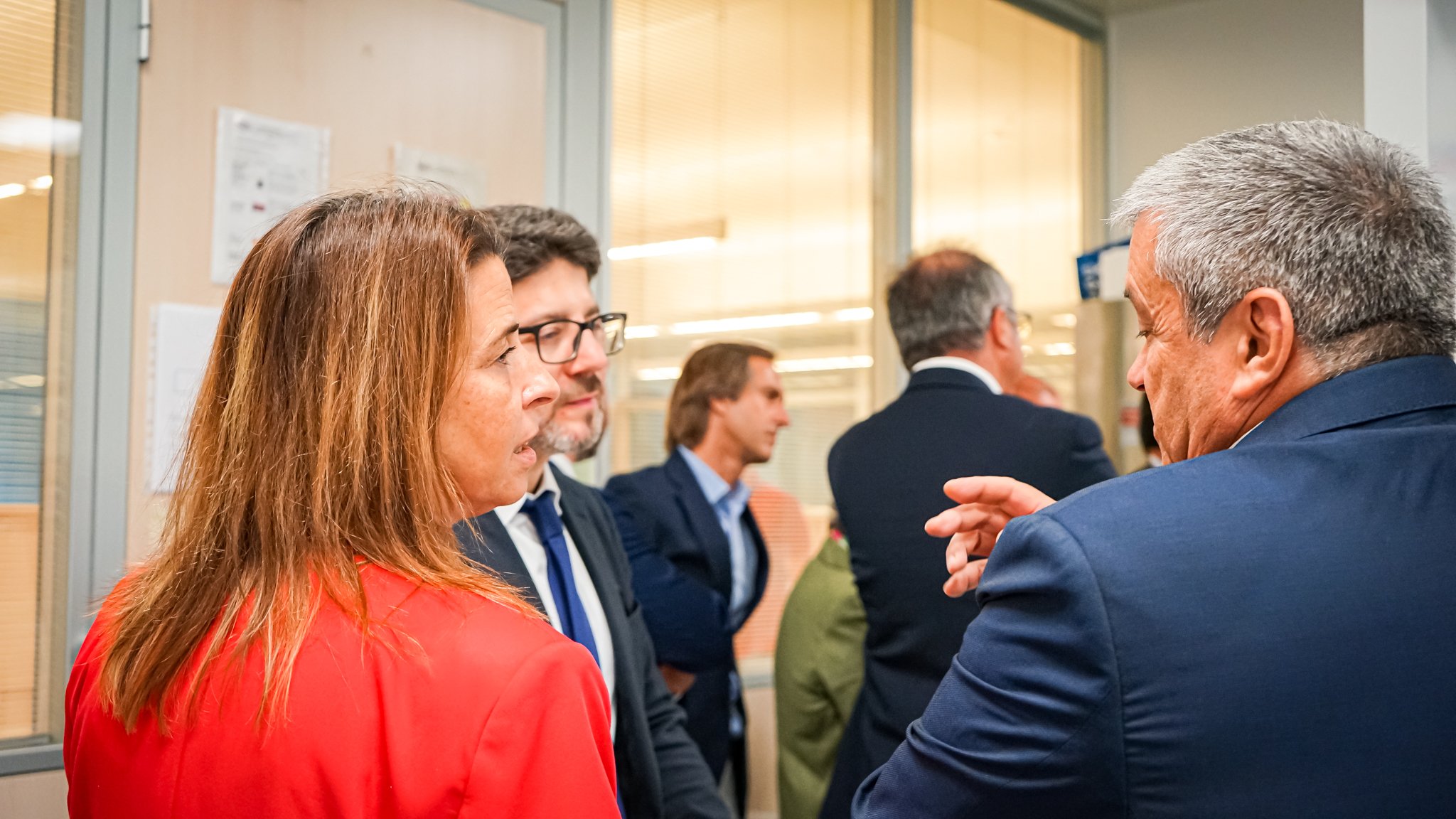
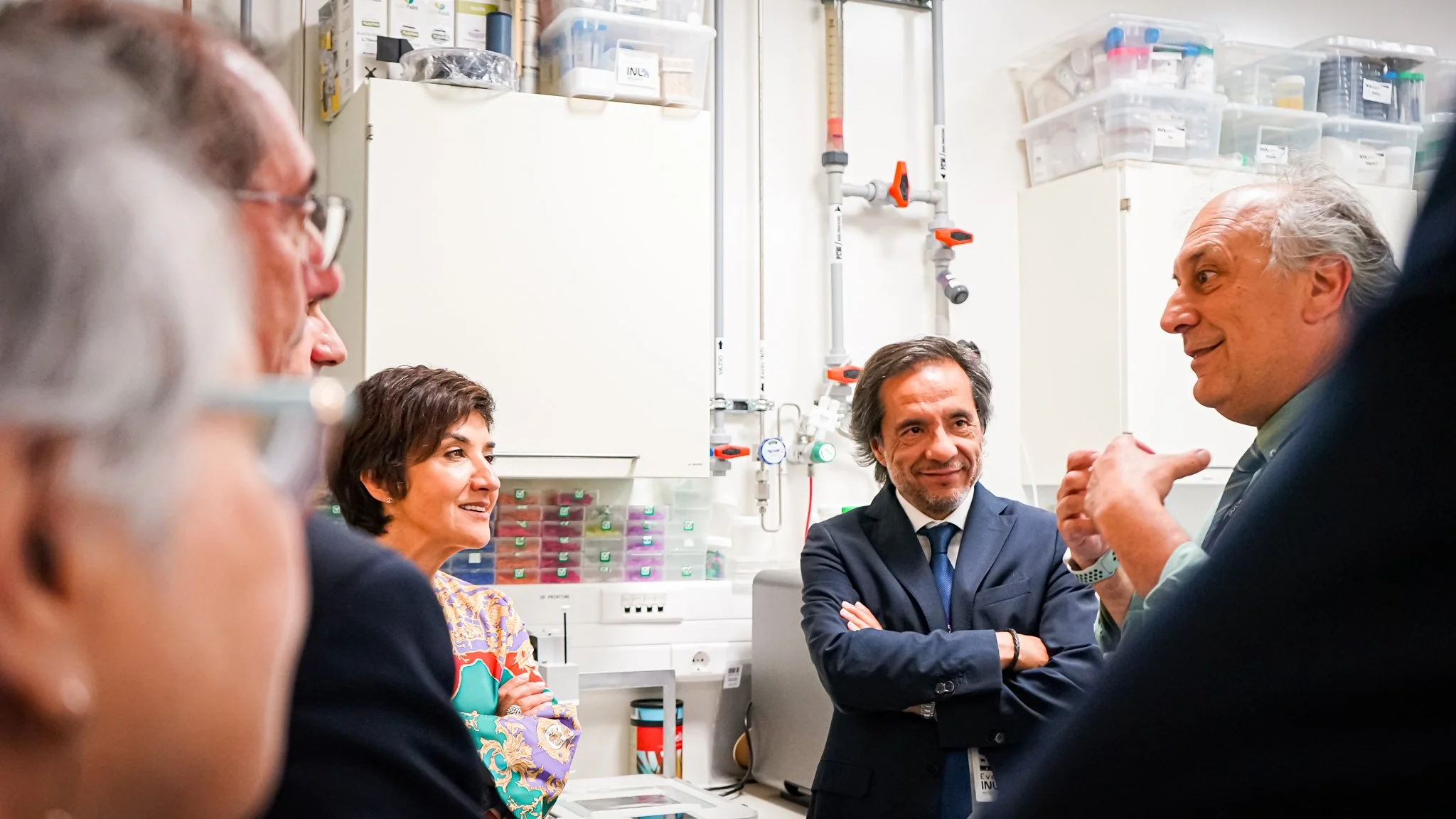
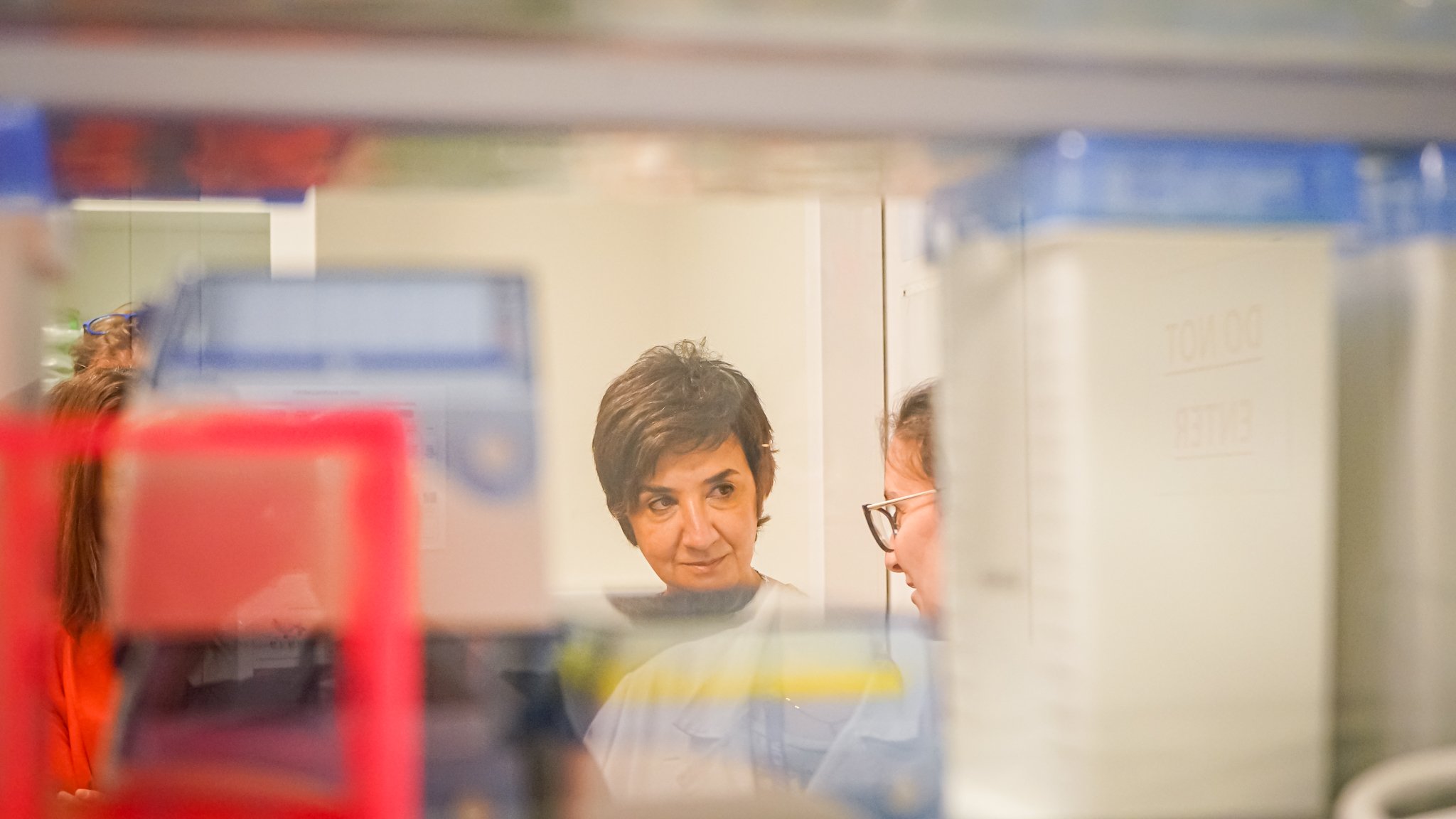
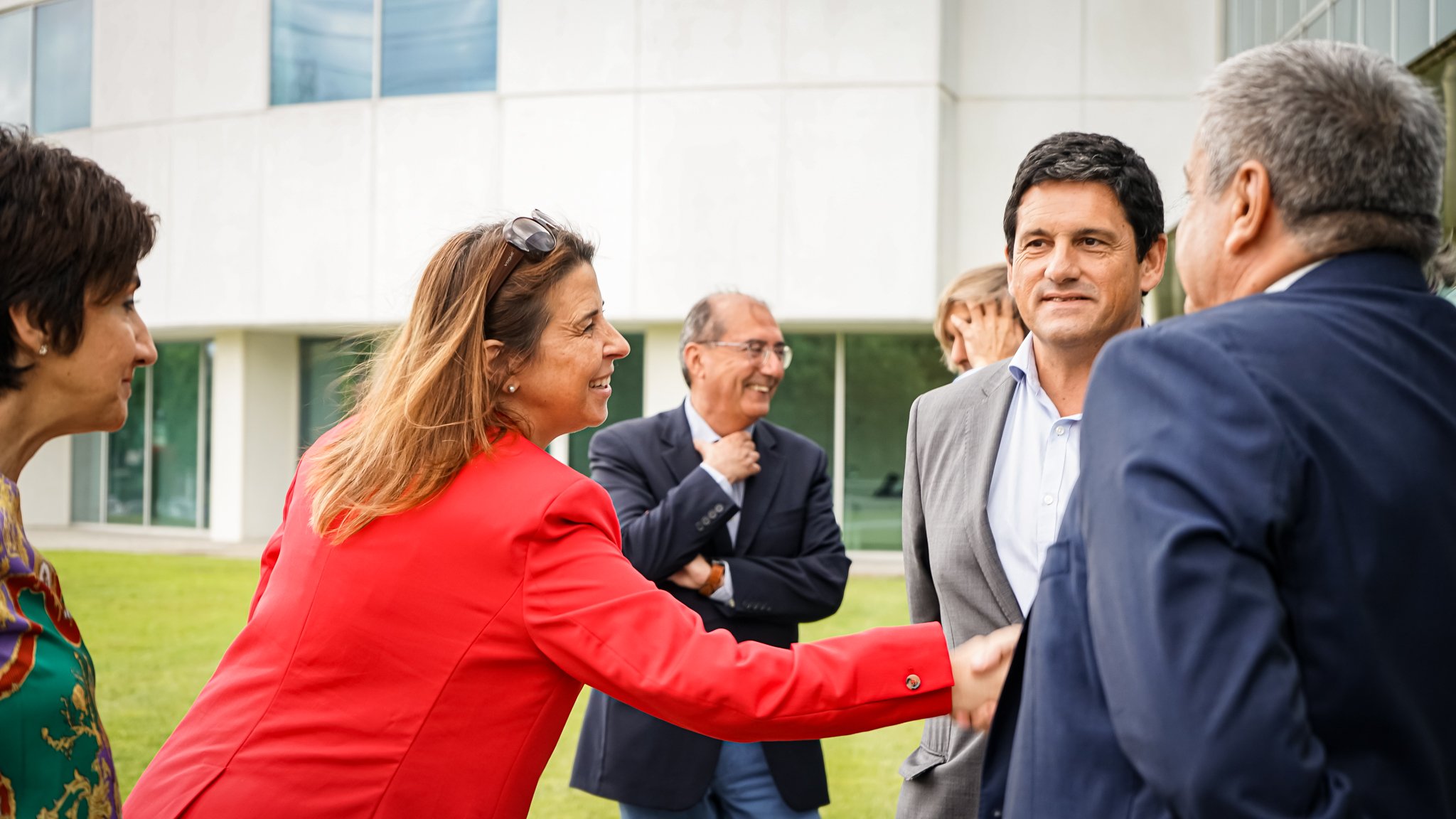
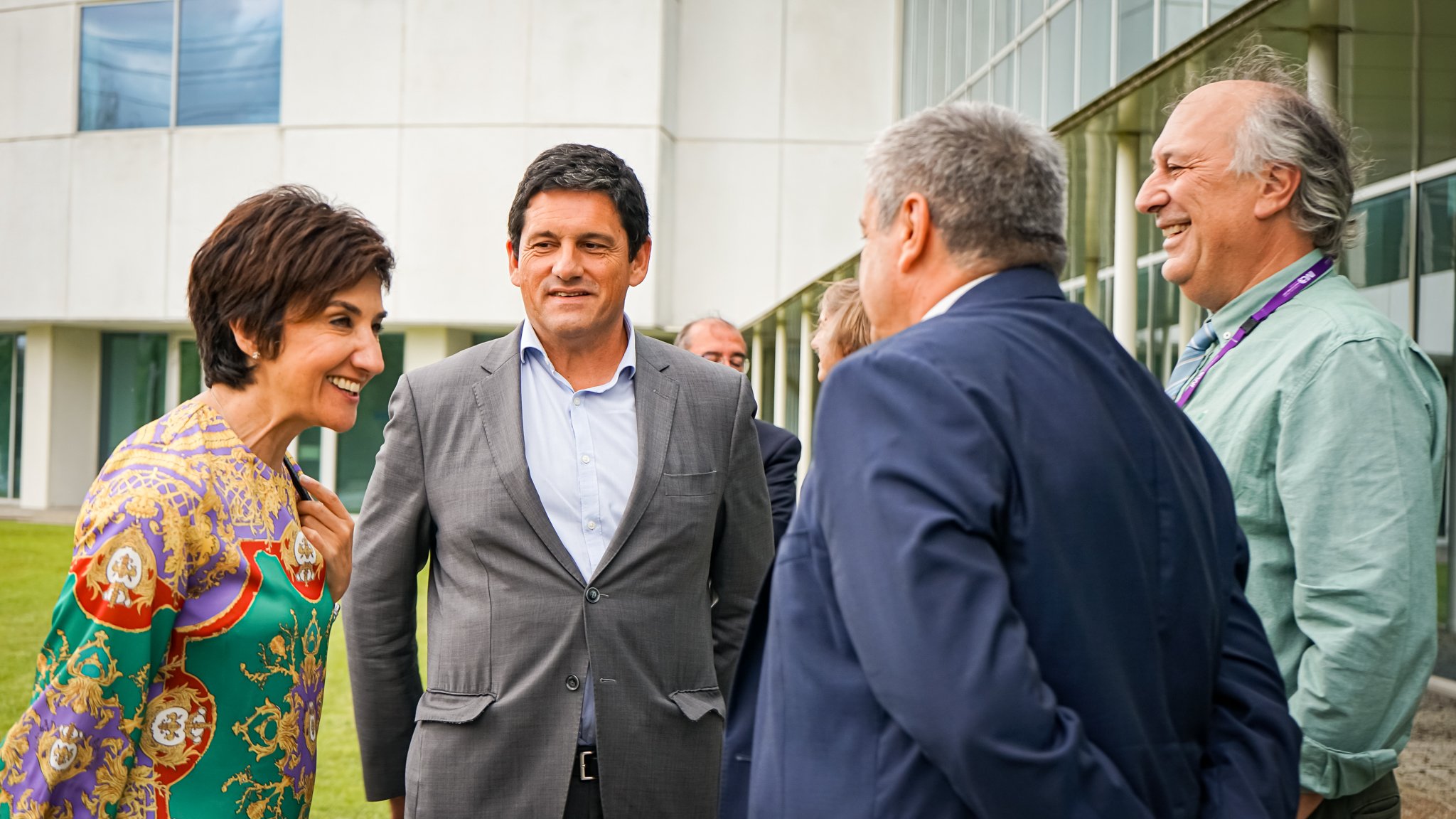
The Minister of Agriculture, Maria do Céu Antunes, together with Secretary of State for Fisheries, Teresa Coelho, within the scope of ‘Governo +Próximo’ with the aim to connect the scientific research performed here to the current and future challenges in the field of agriculture and fisheries.
This visit aims to give visibility to entities that stand out in their contribution to the country’s economic growth in emerging areas of development, as well as, through the contribution of companies and centres of research for the growth of the blue economy.
The Minister underlined that “this is a cutting edge laboratory and that the technologies developed at INL – International Iberian Nanotechnology Laboratory are truly unique and disruptive and can be applied to the agriculture and fisheries areas. Nanotechnology has enormous potential to provide innovative improvements to reduce costs, increase efficiency and reduce our impact on the environment, as a necessity impacting our ability to feed our inhabitants.”
This initiative was organized within a decentralized Ministers’ Council that will happen tomorrow – May 4th, in Braga. The Minister and the Secretary of State together with Altino Bessa – Councilor of Braga City Council, Nuno Canada – President of INIAV, Rogério Ferreira – Director General of DGADR, and President AG PEPAContinente, and José Matias – Deputy Regional Director of DRAP Norte had the opportunity to contact with INL researchers from scientific areas and learn more about our projects and unique technologies.
2023 INL Annual Research Symposium
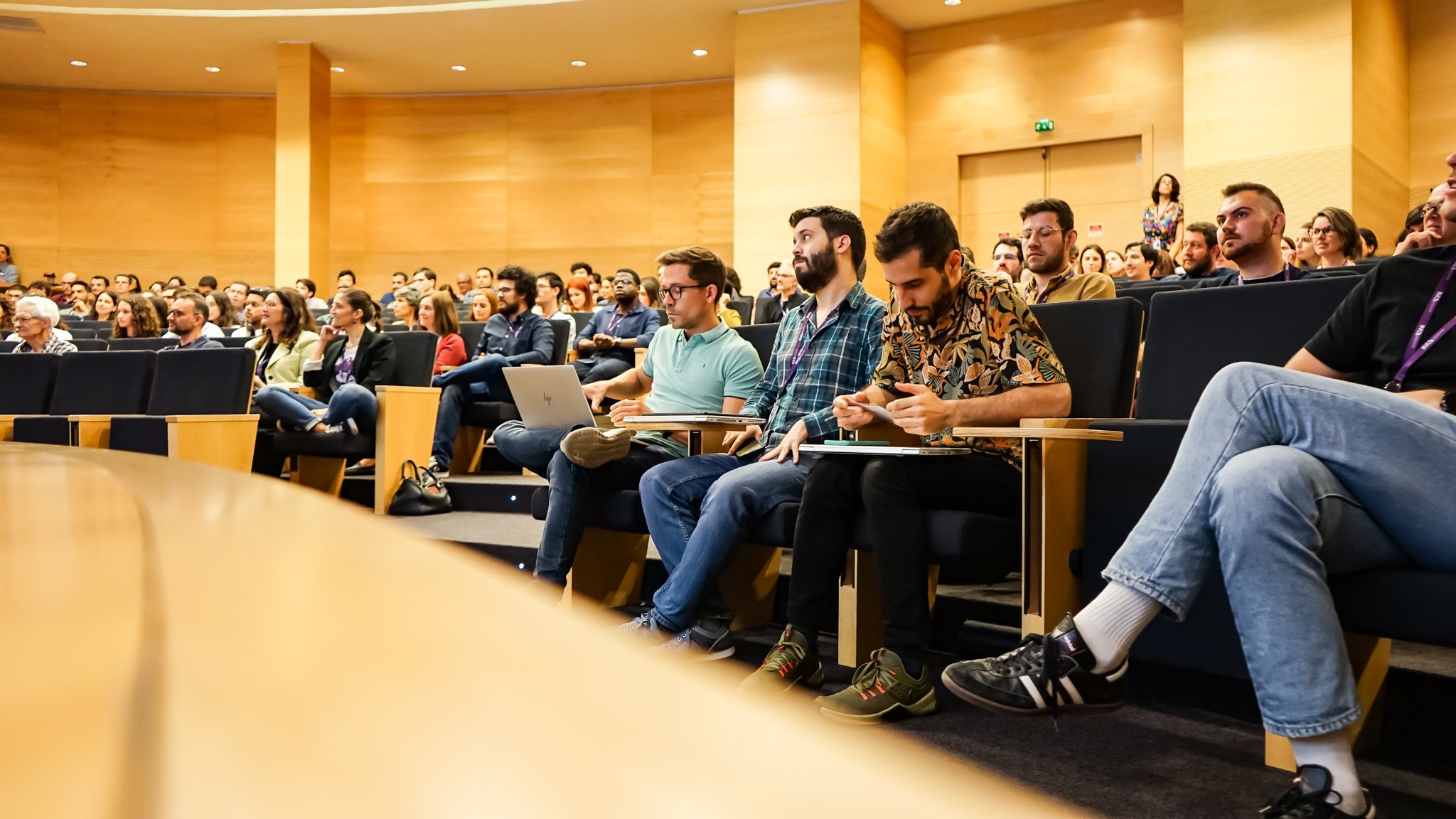
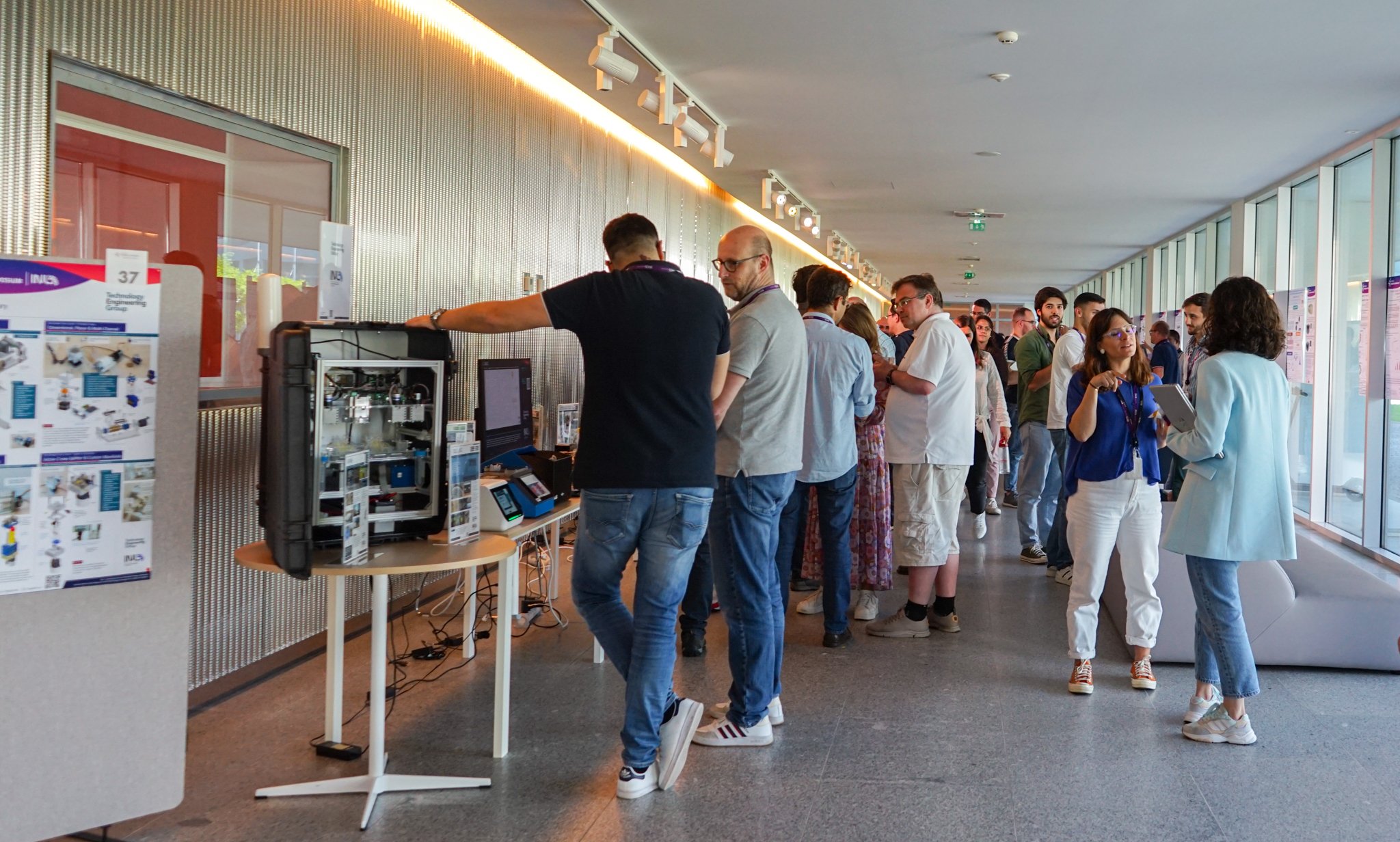
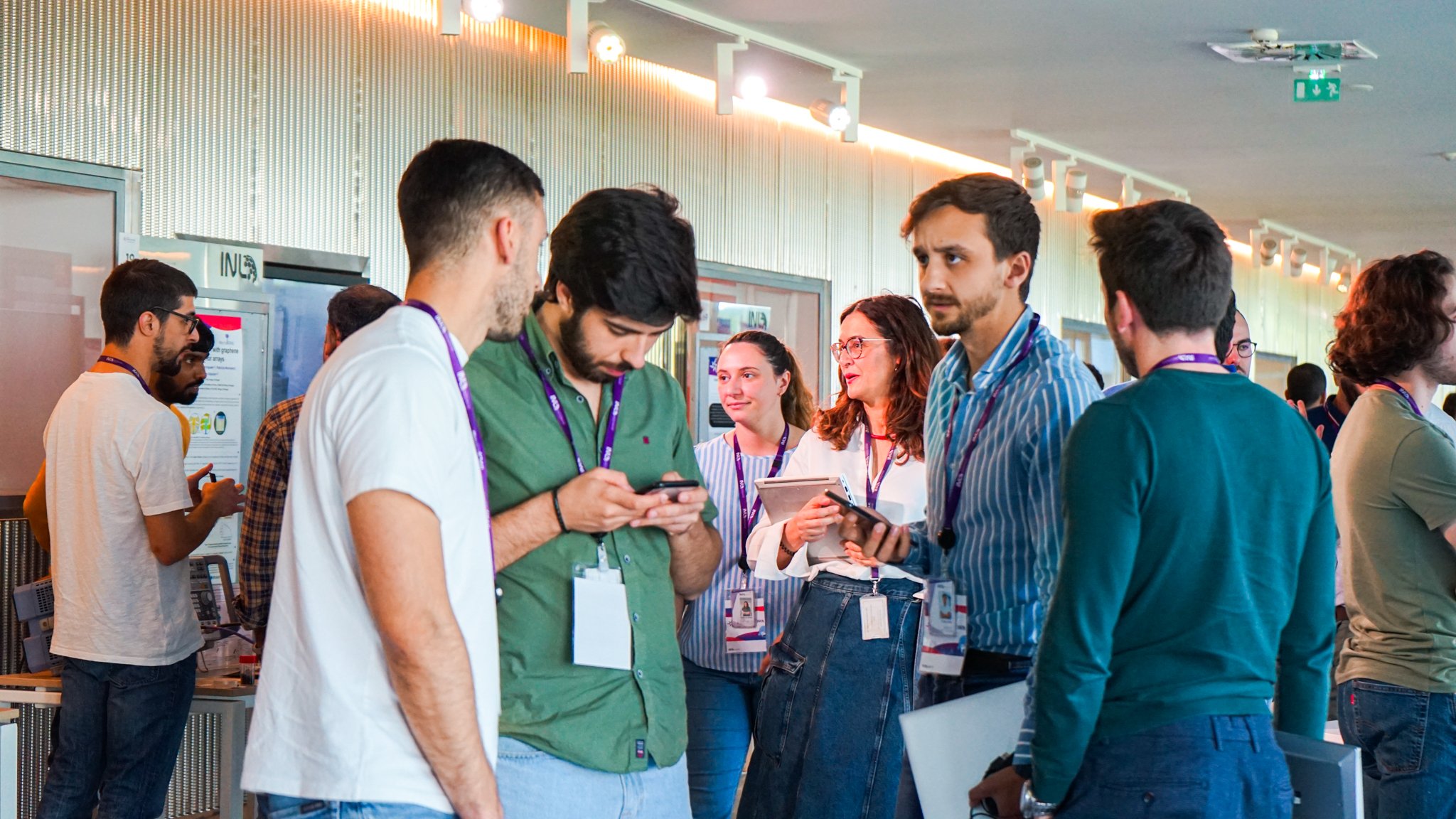
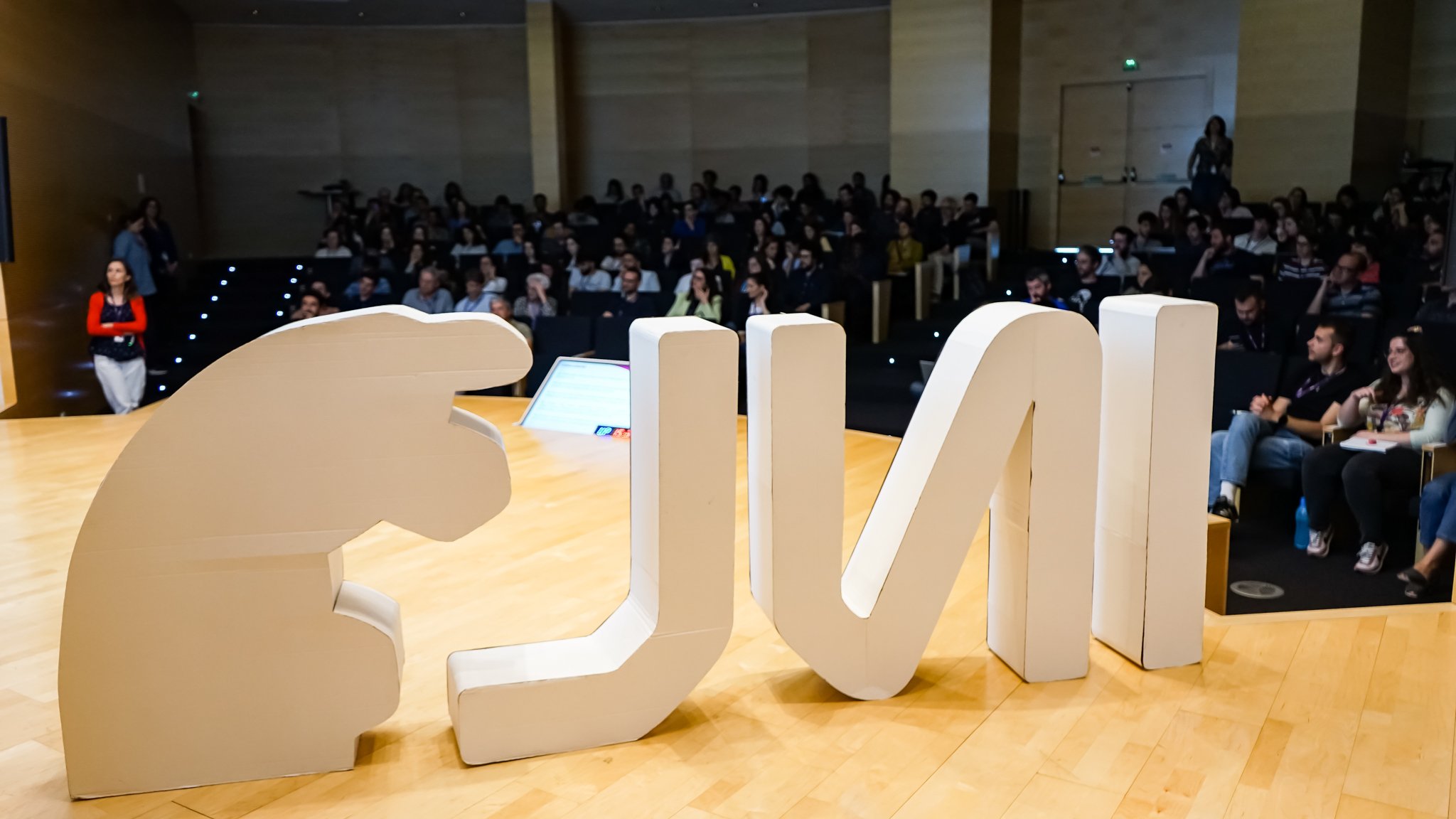
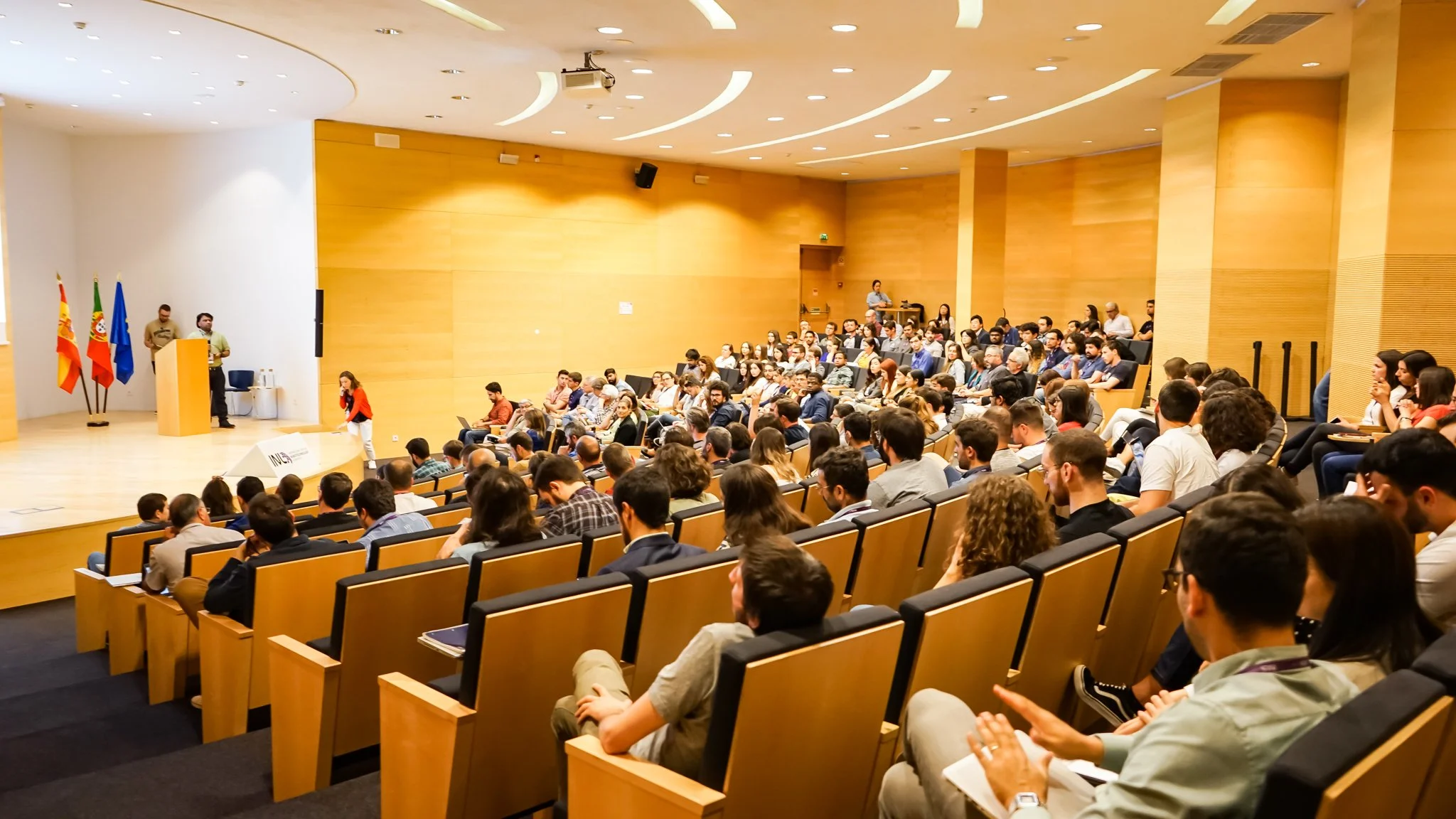
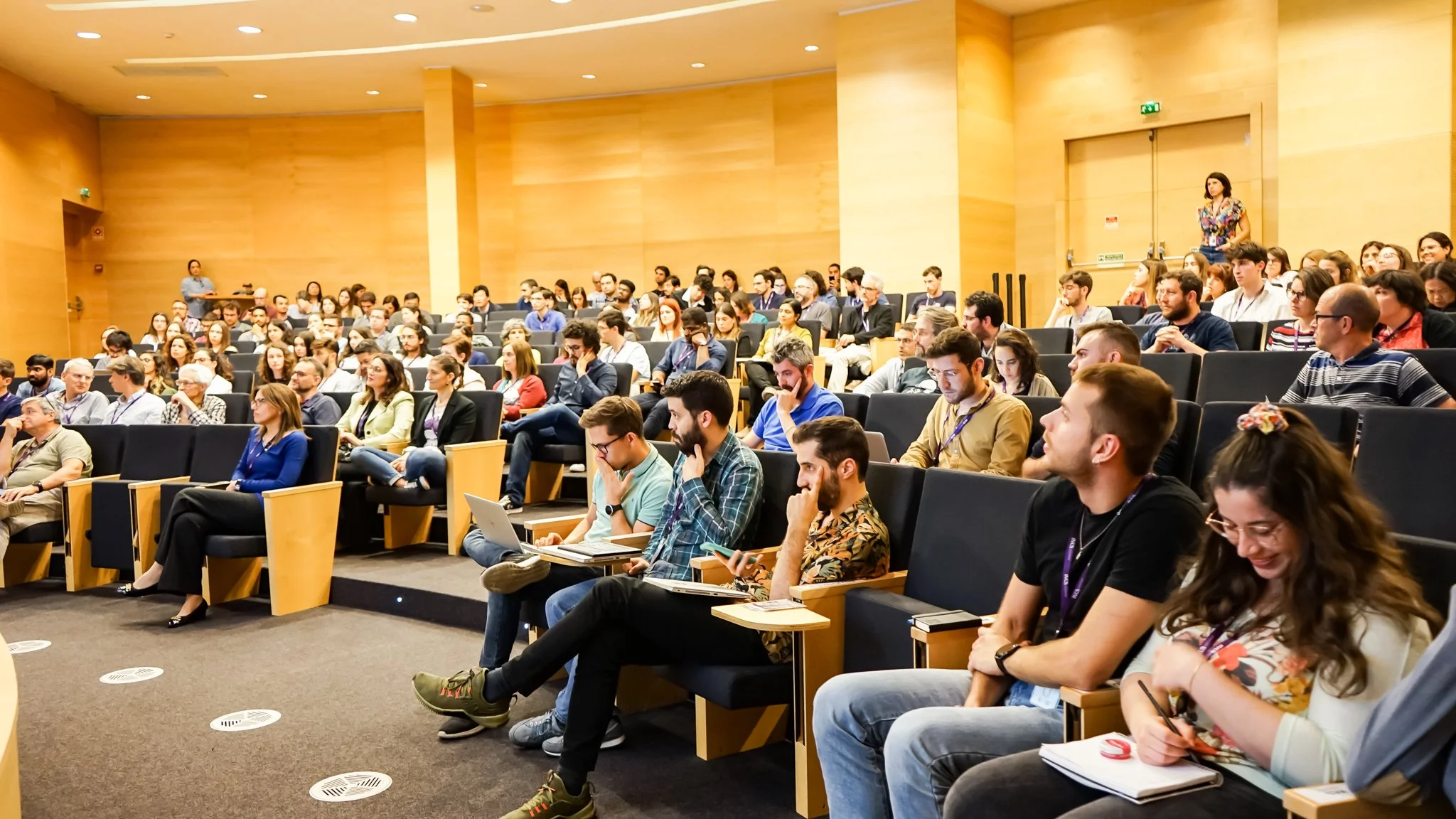
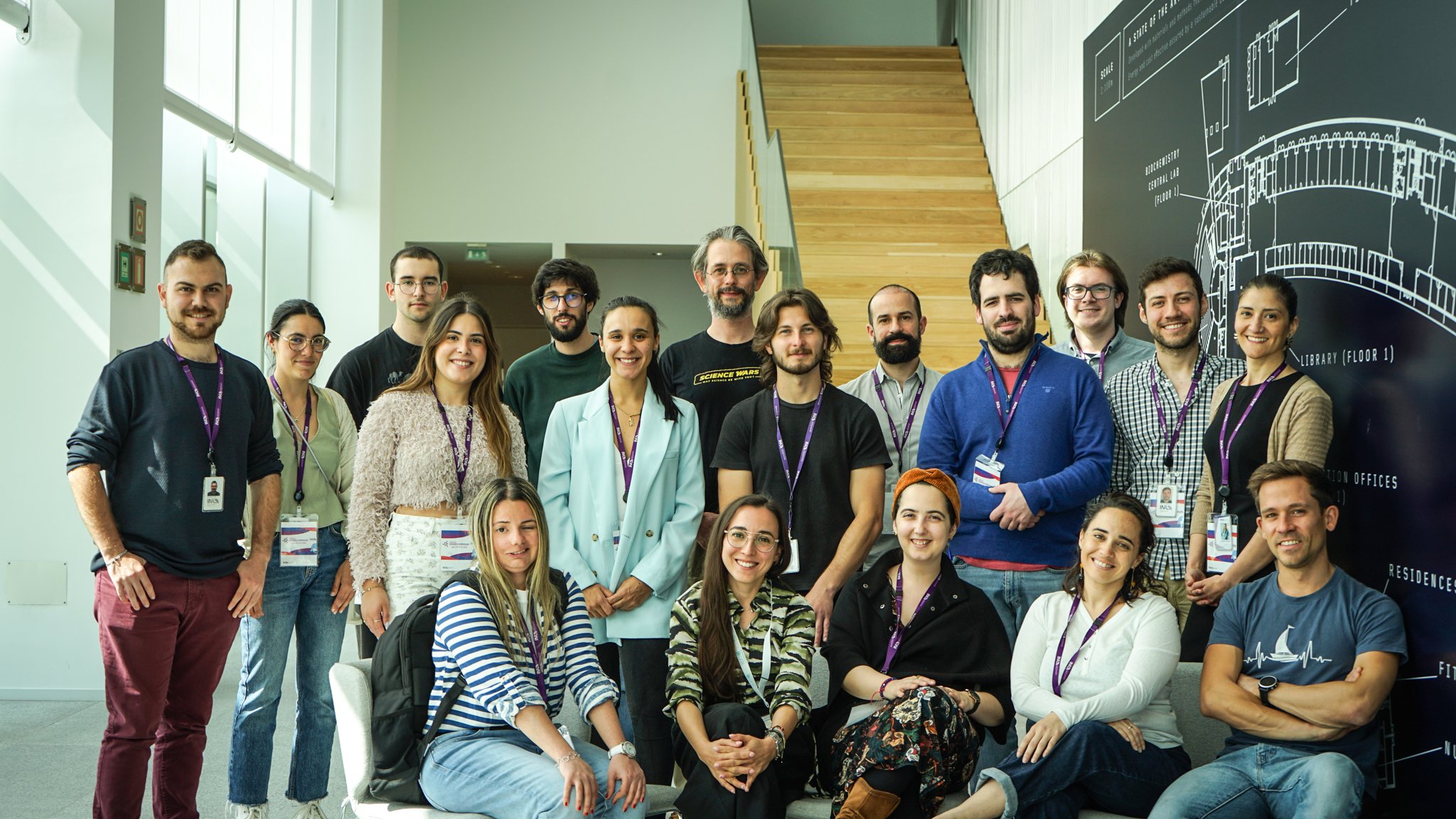
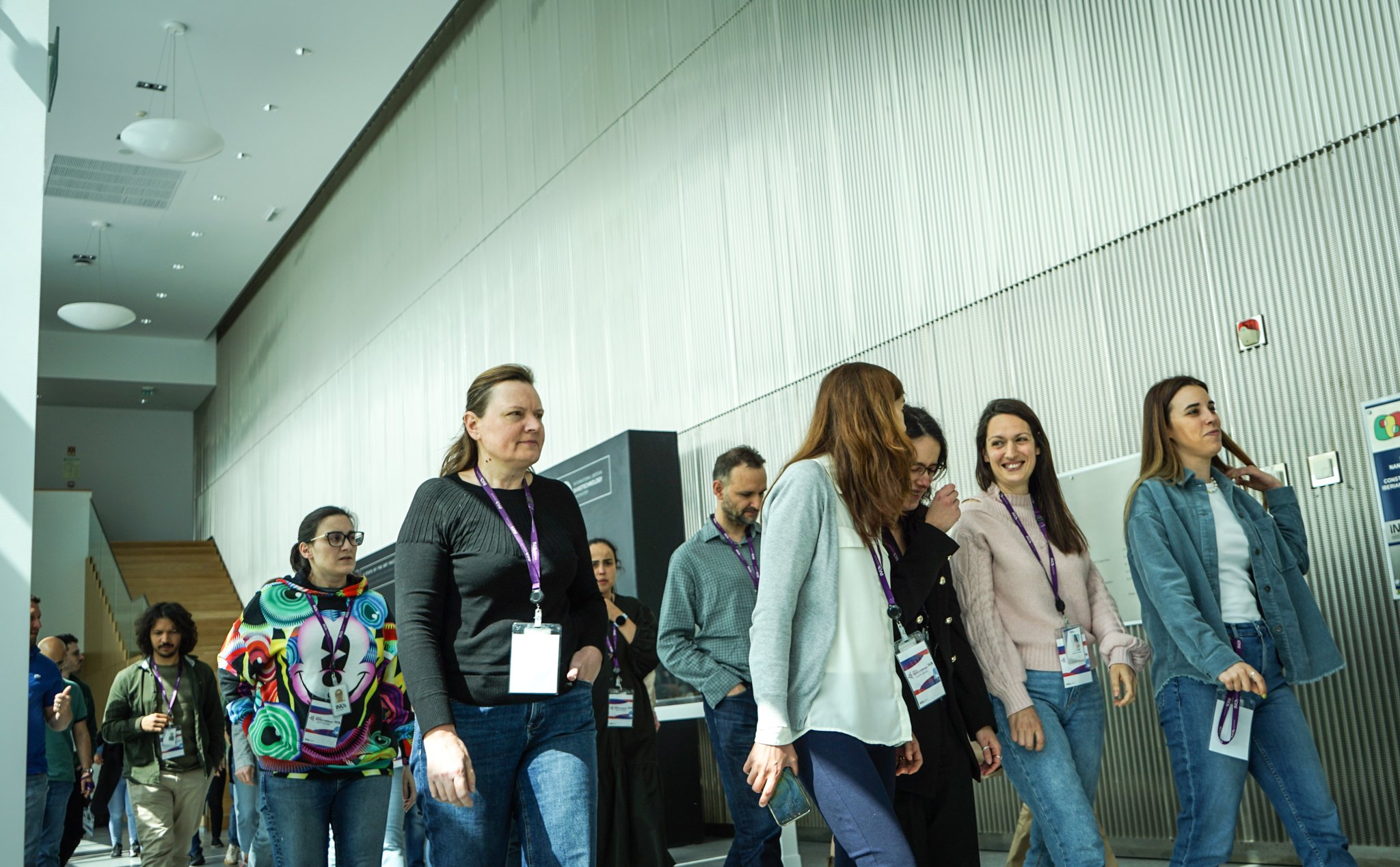
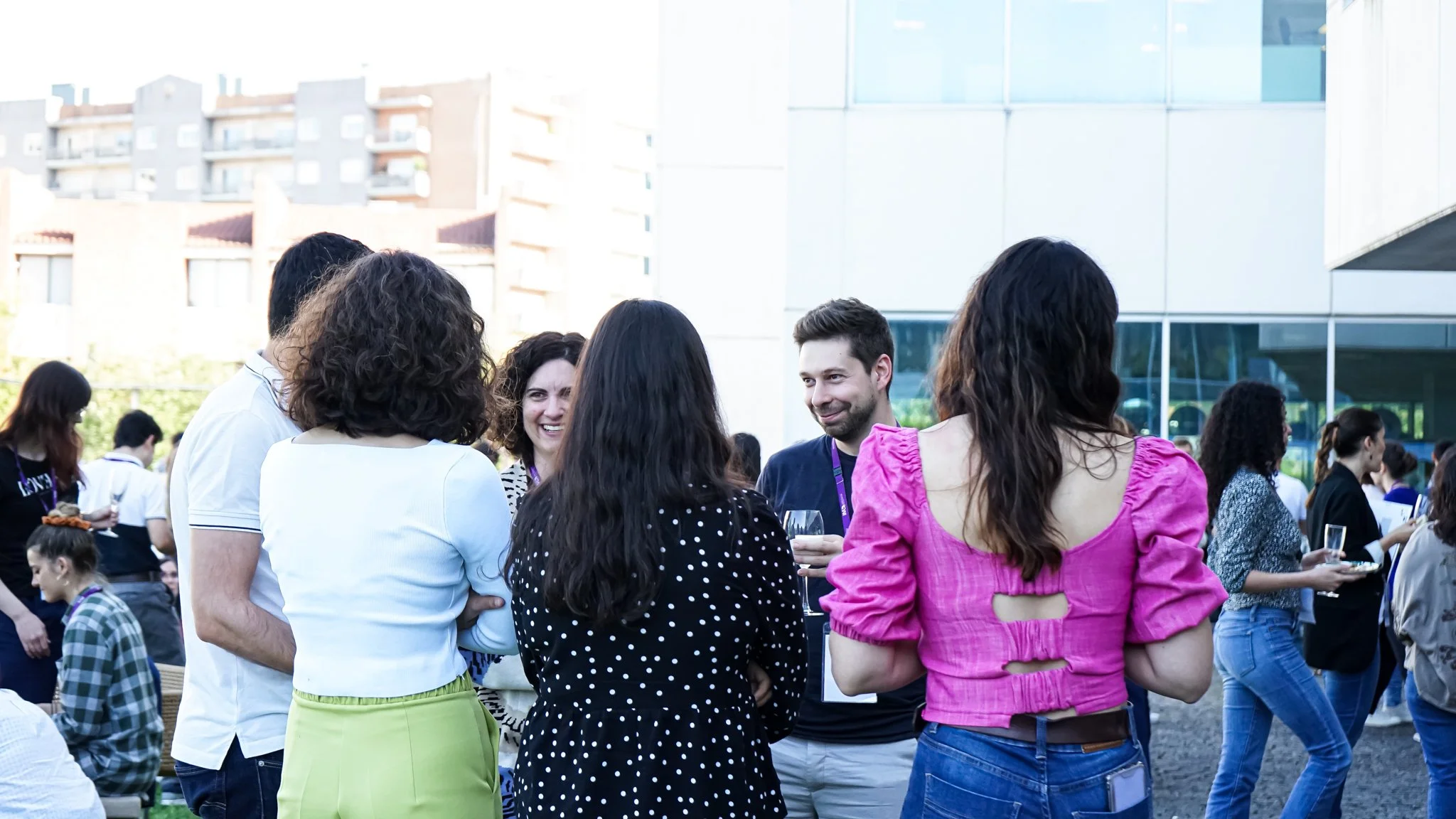
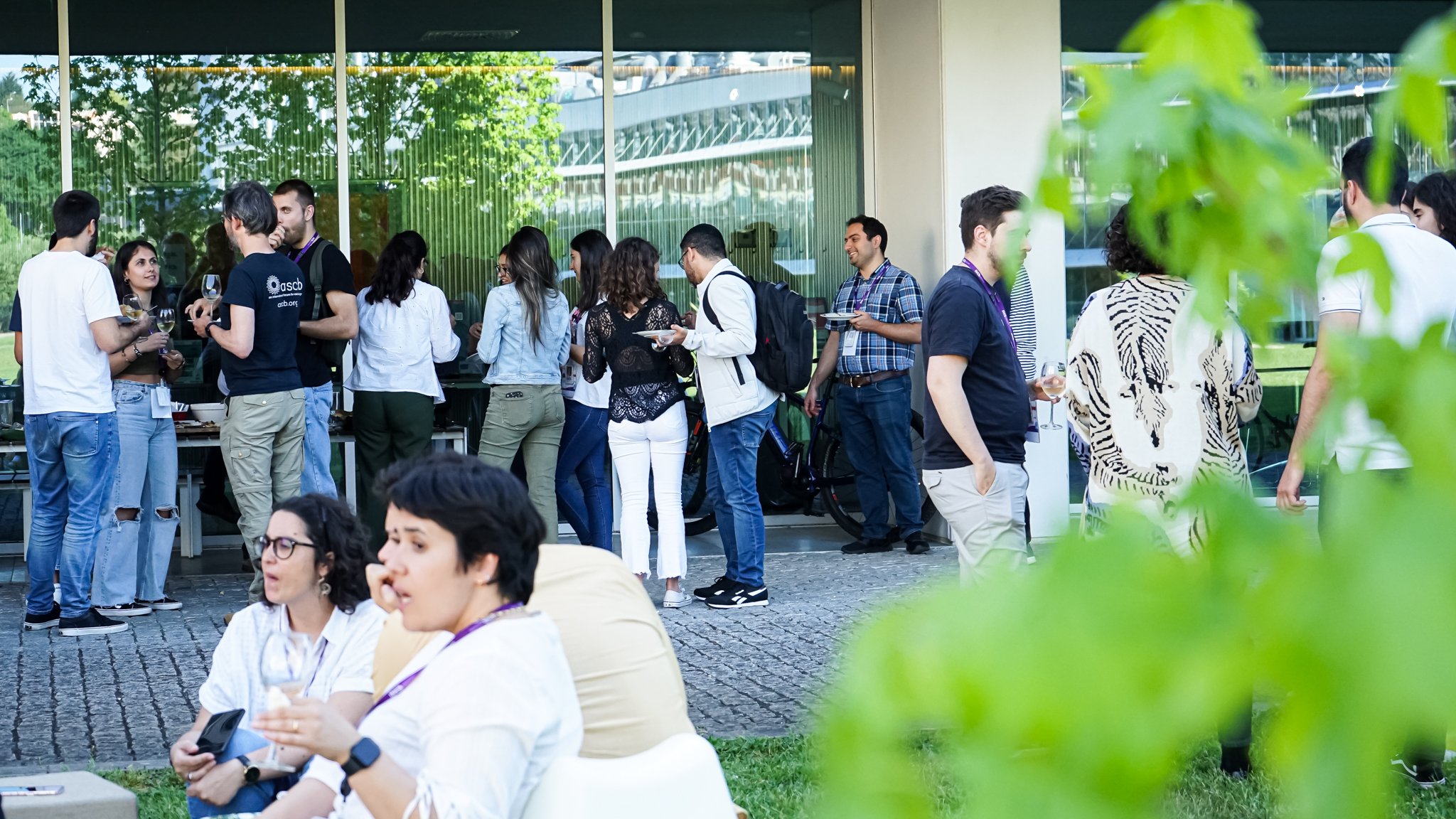
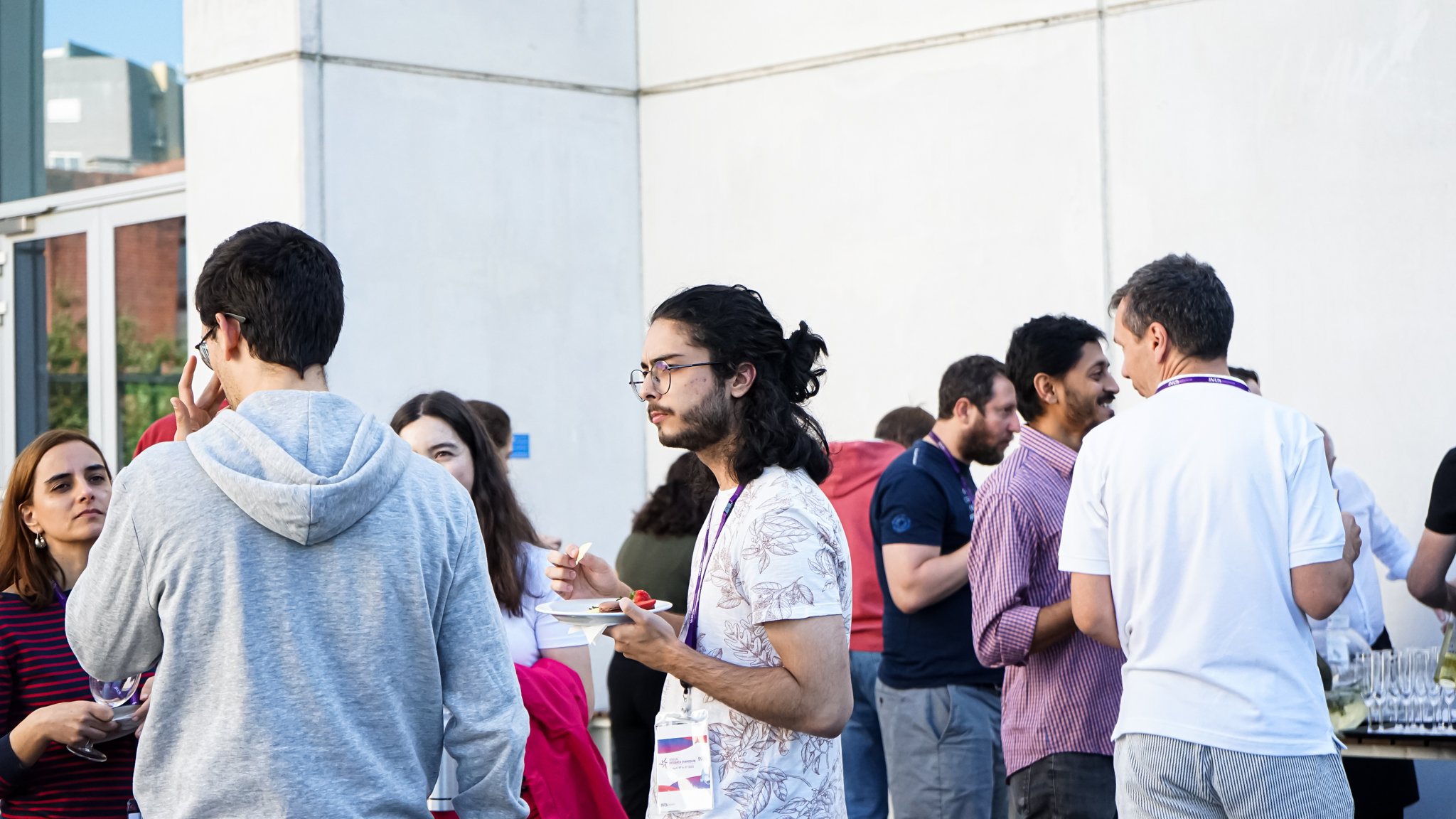
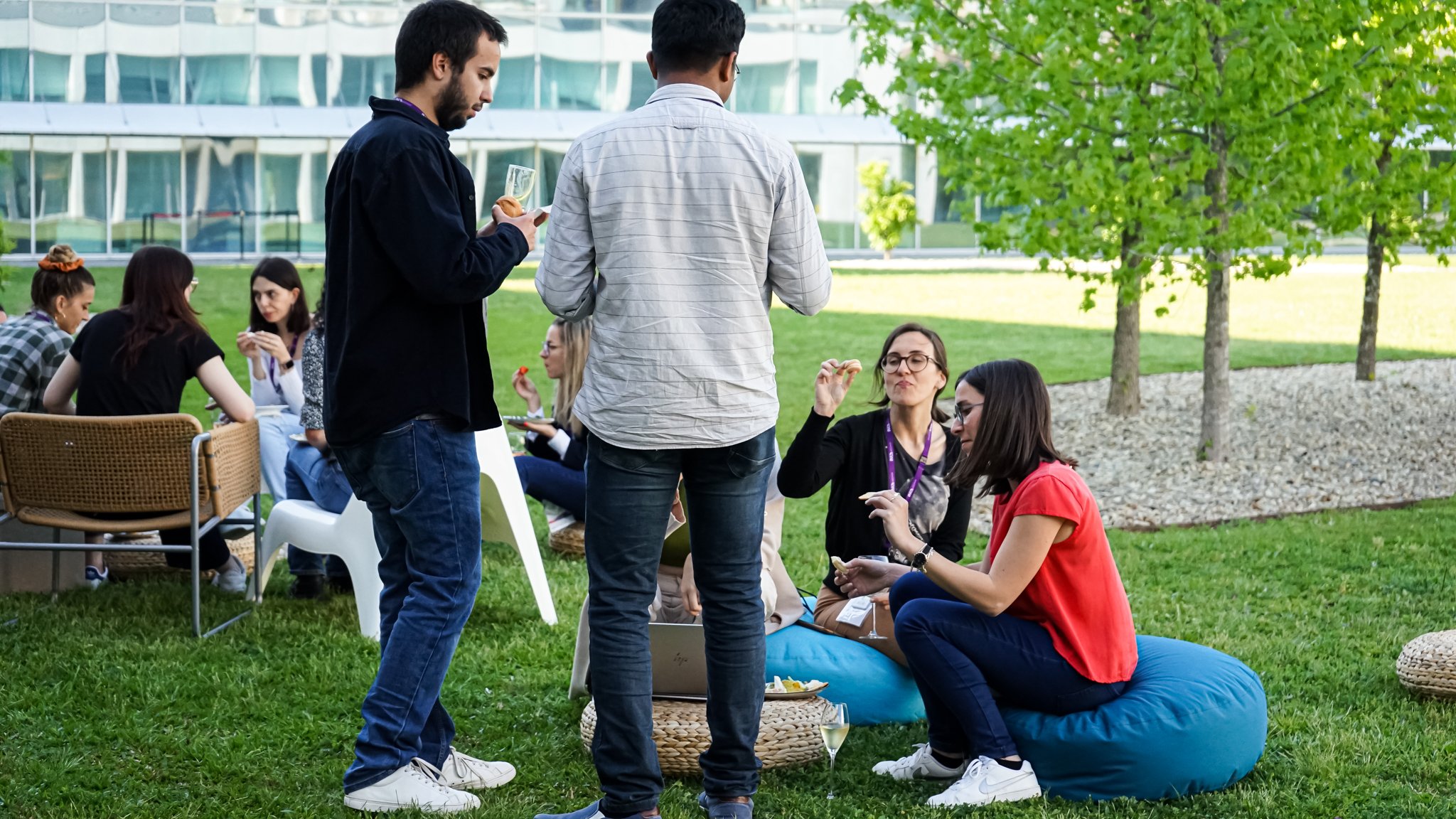
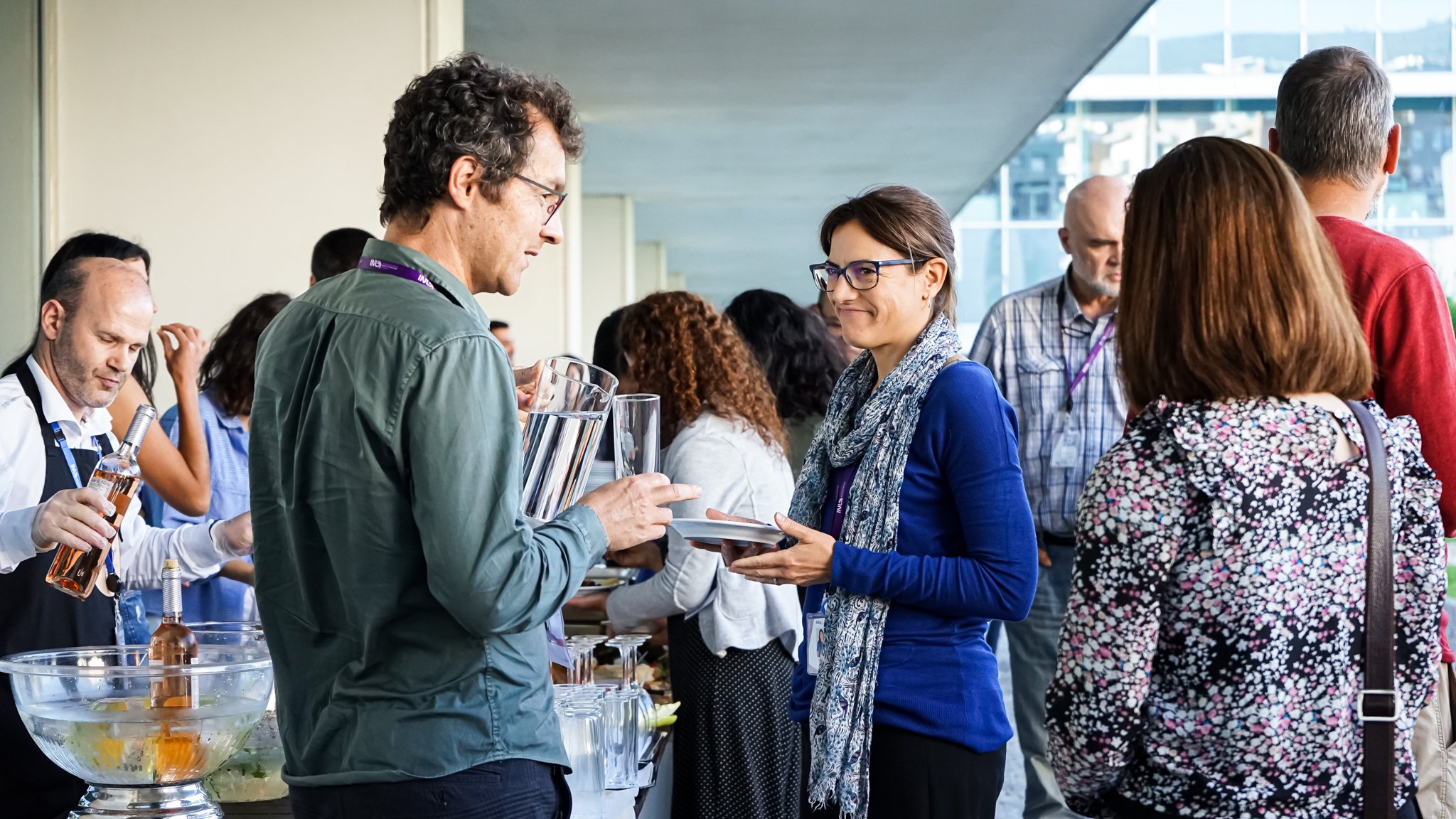
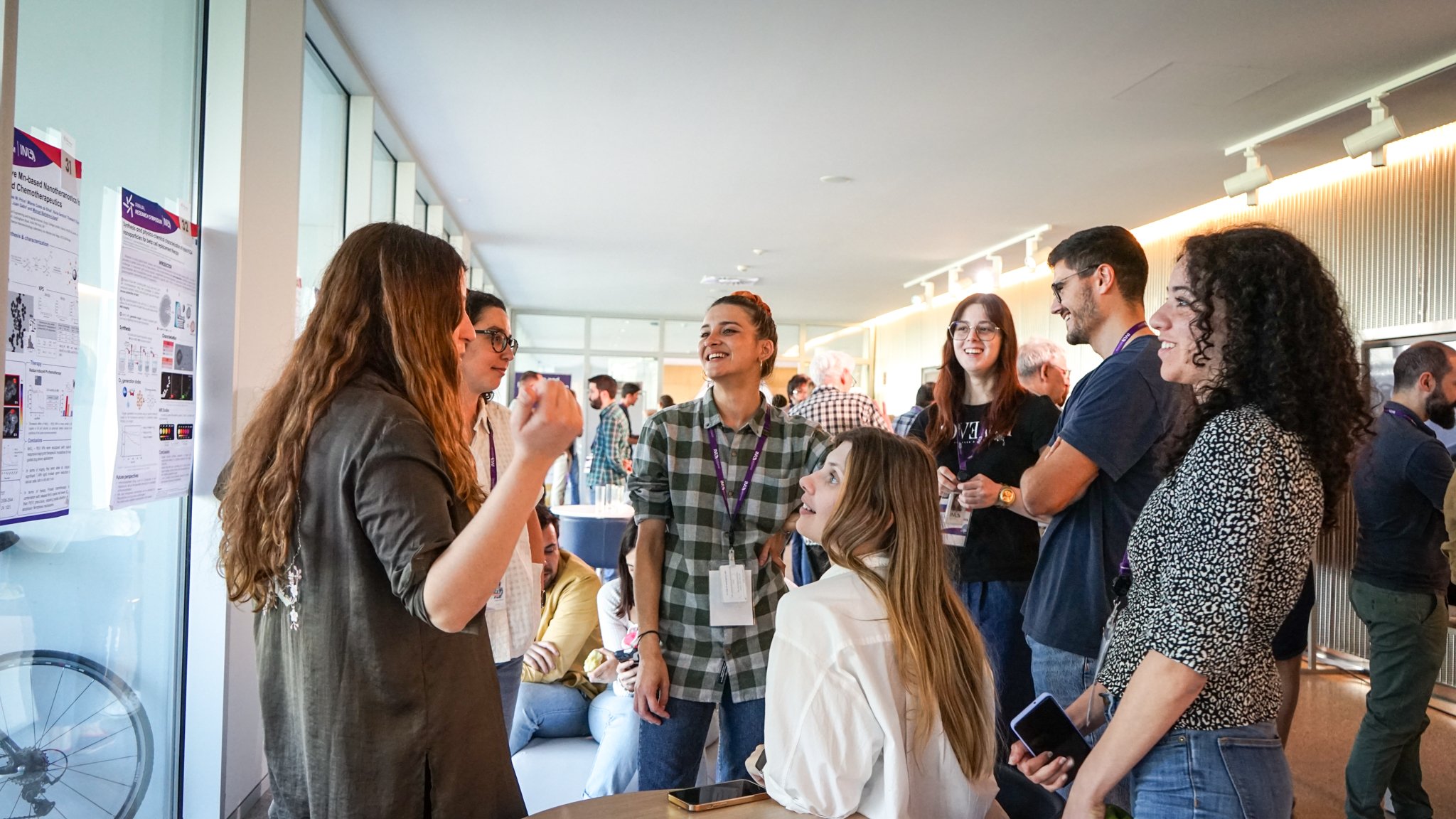
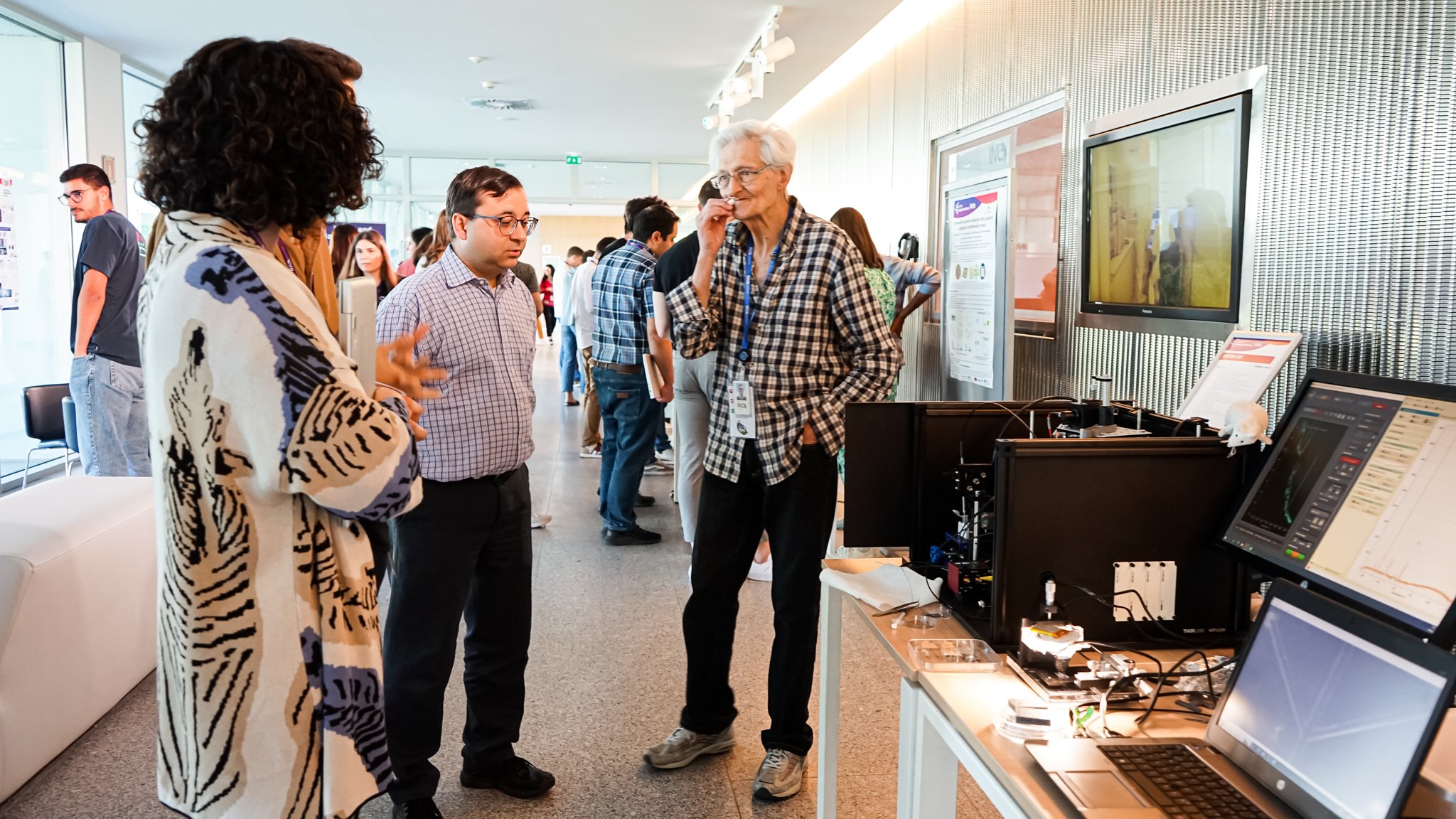
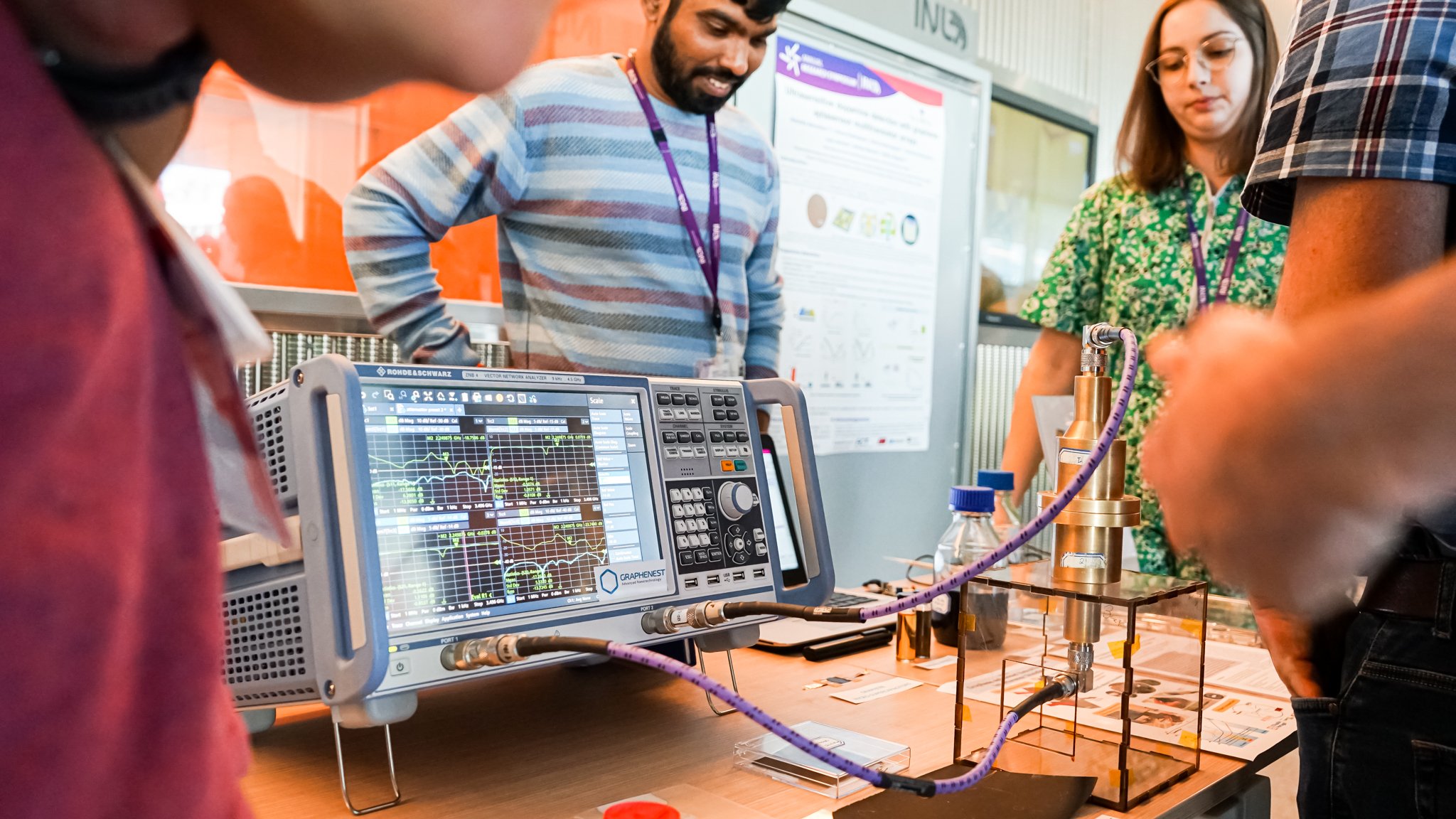
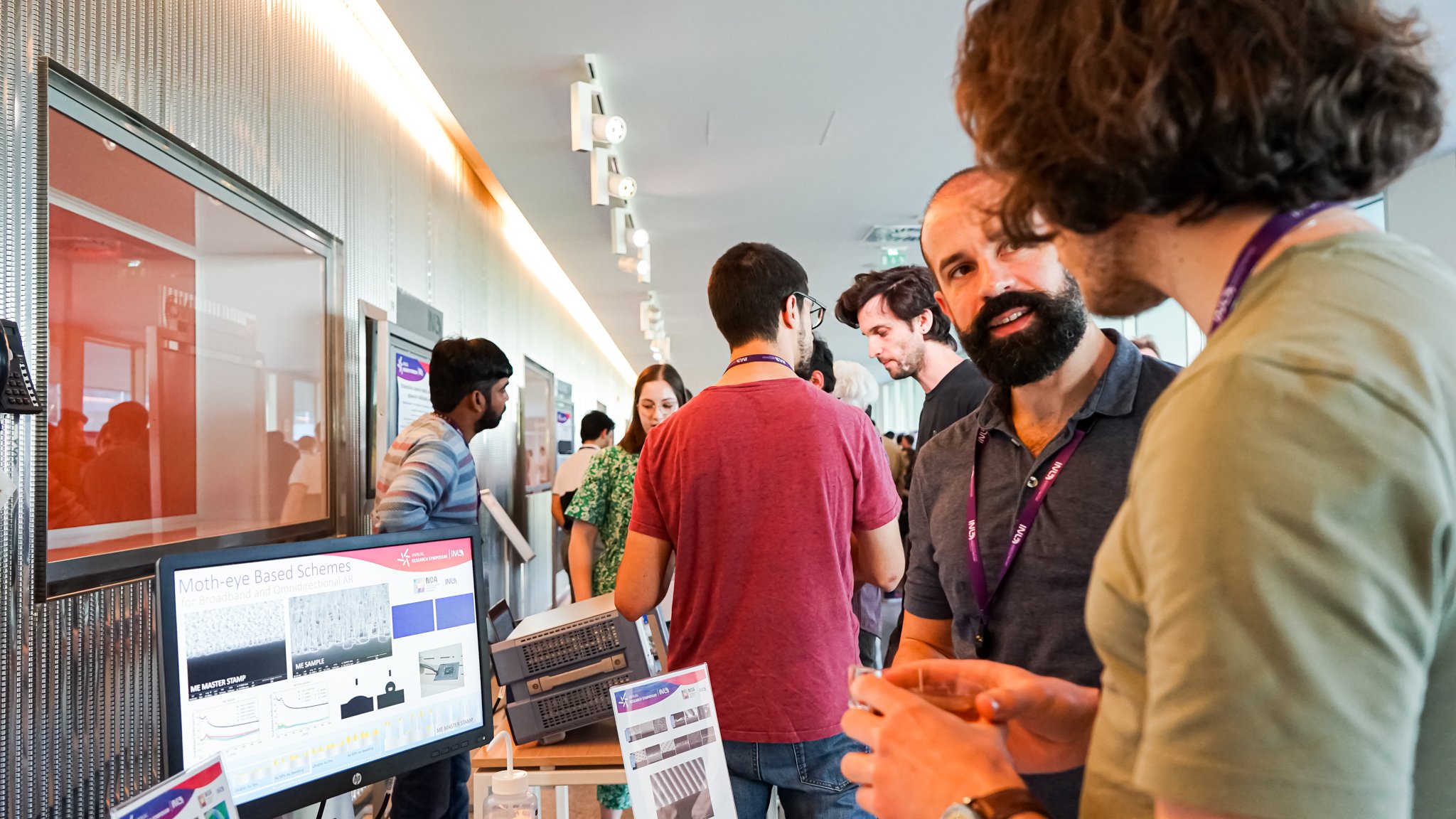
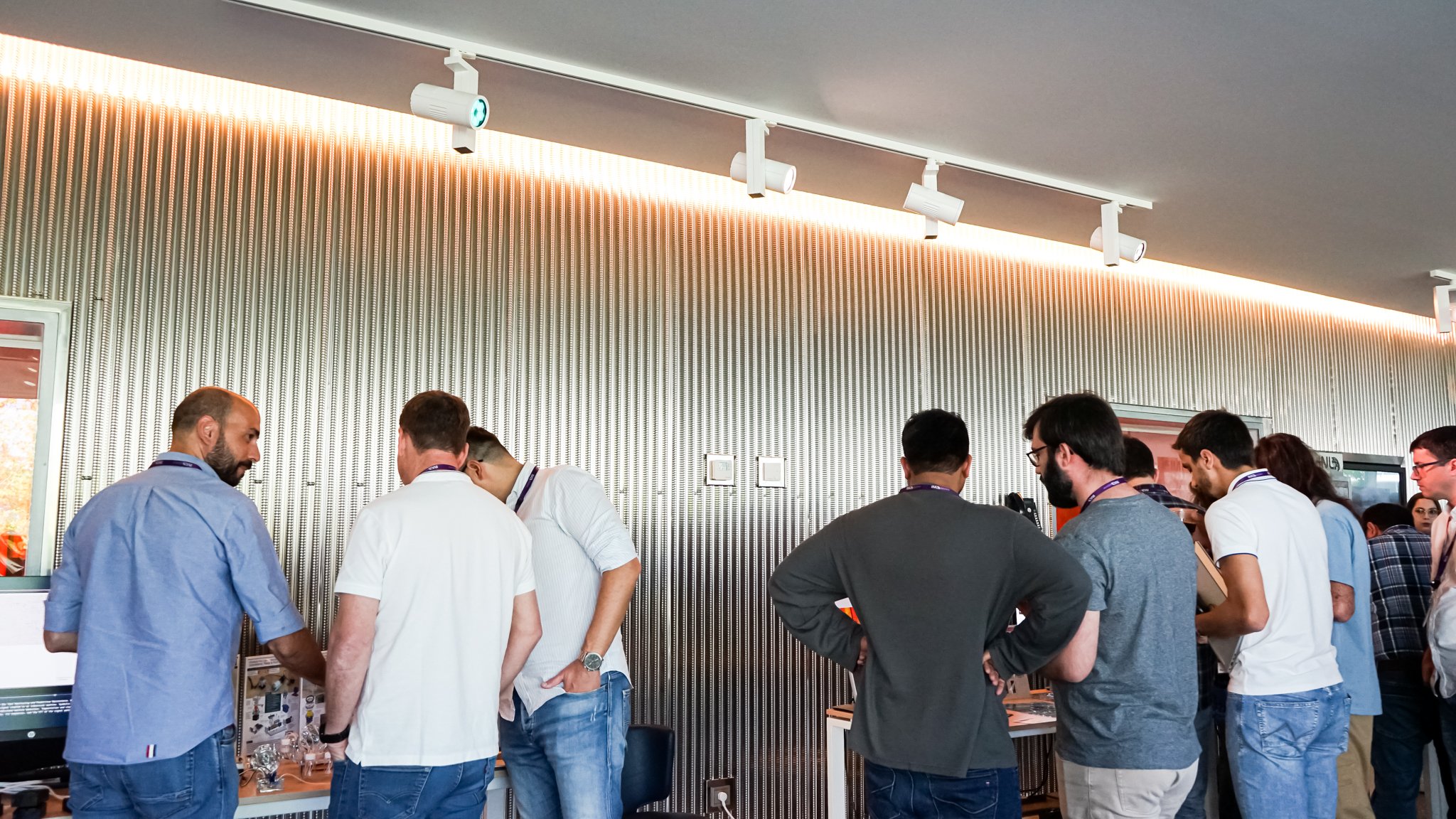
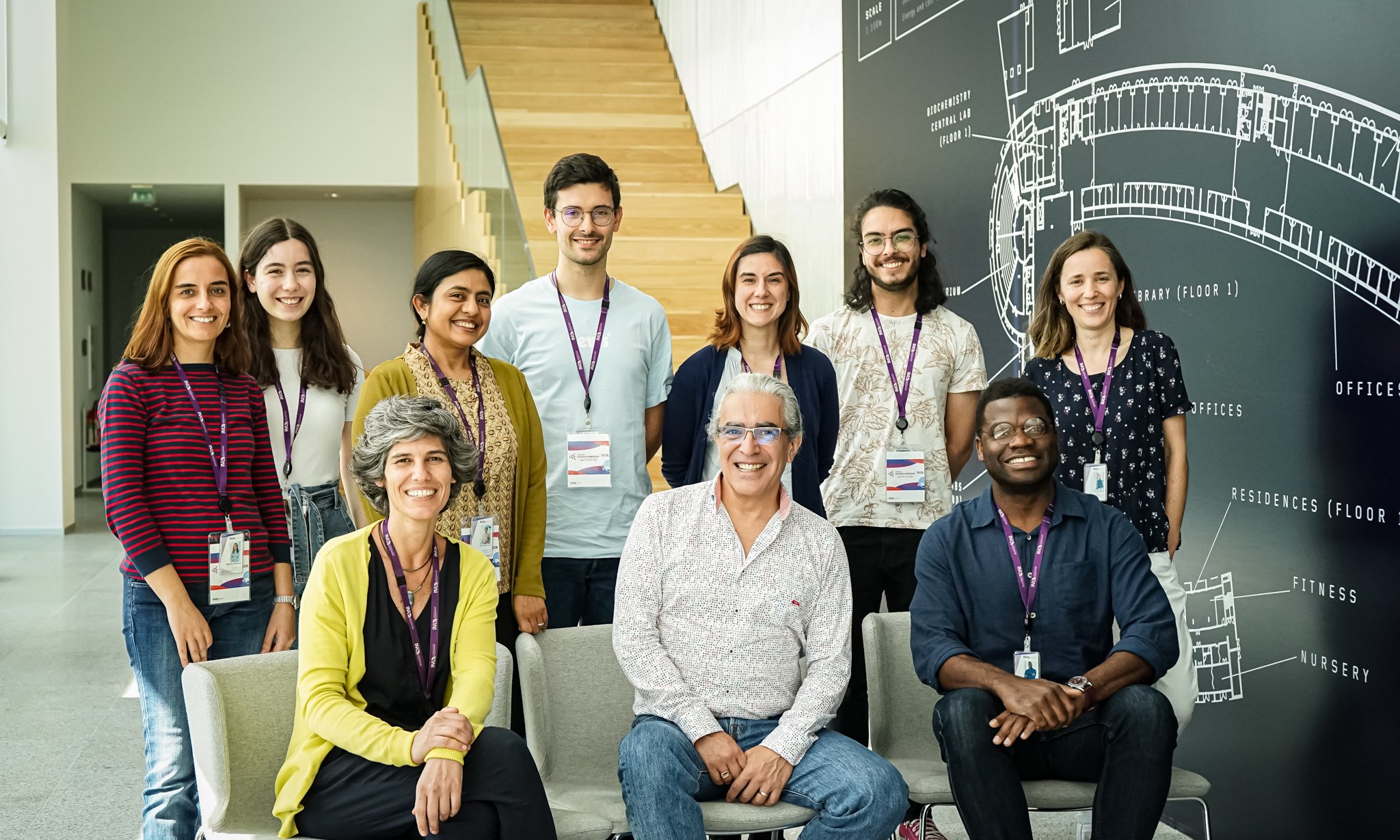
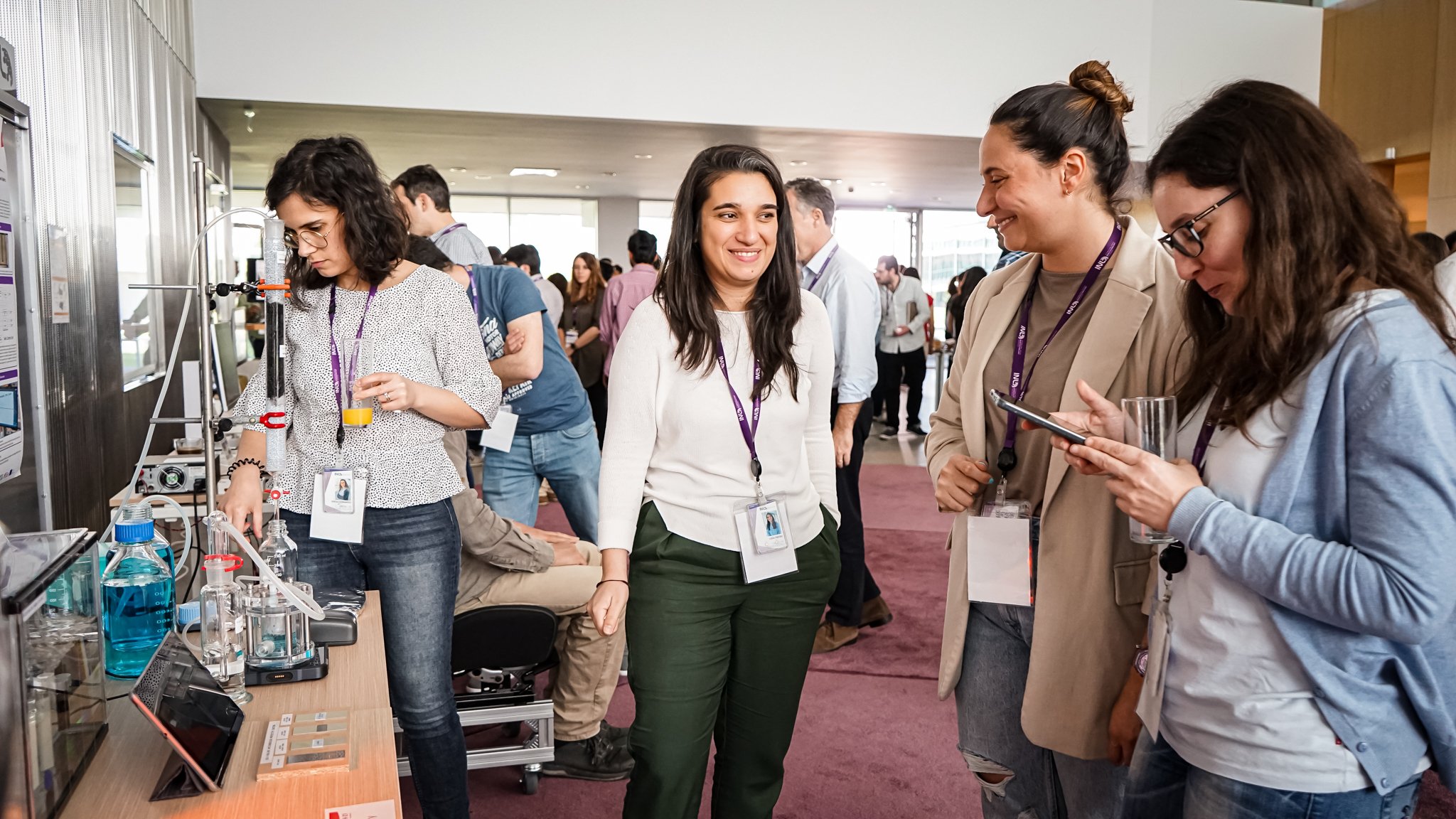
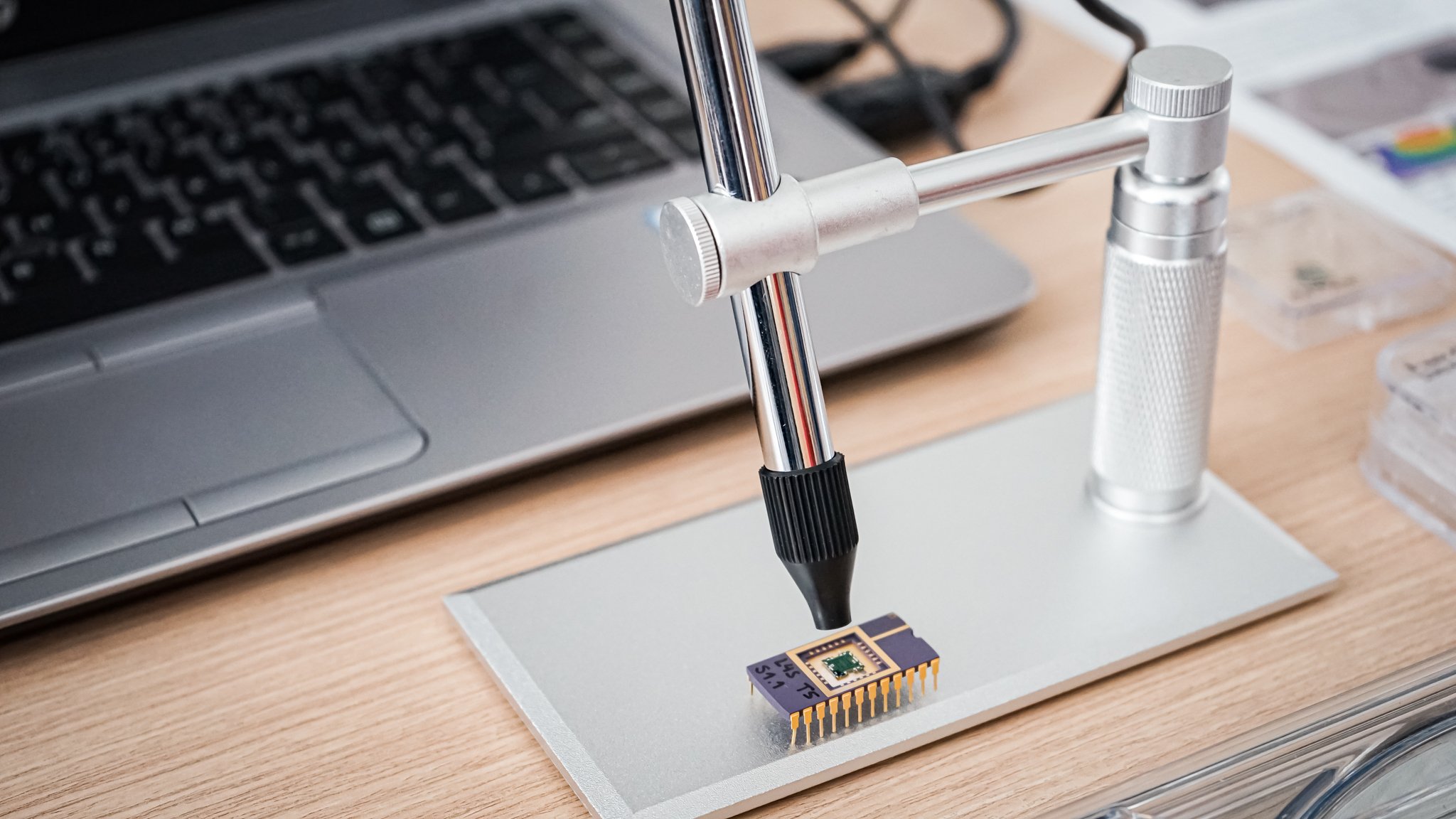
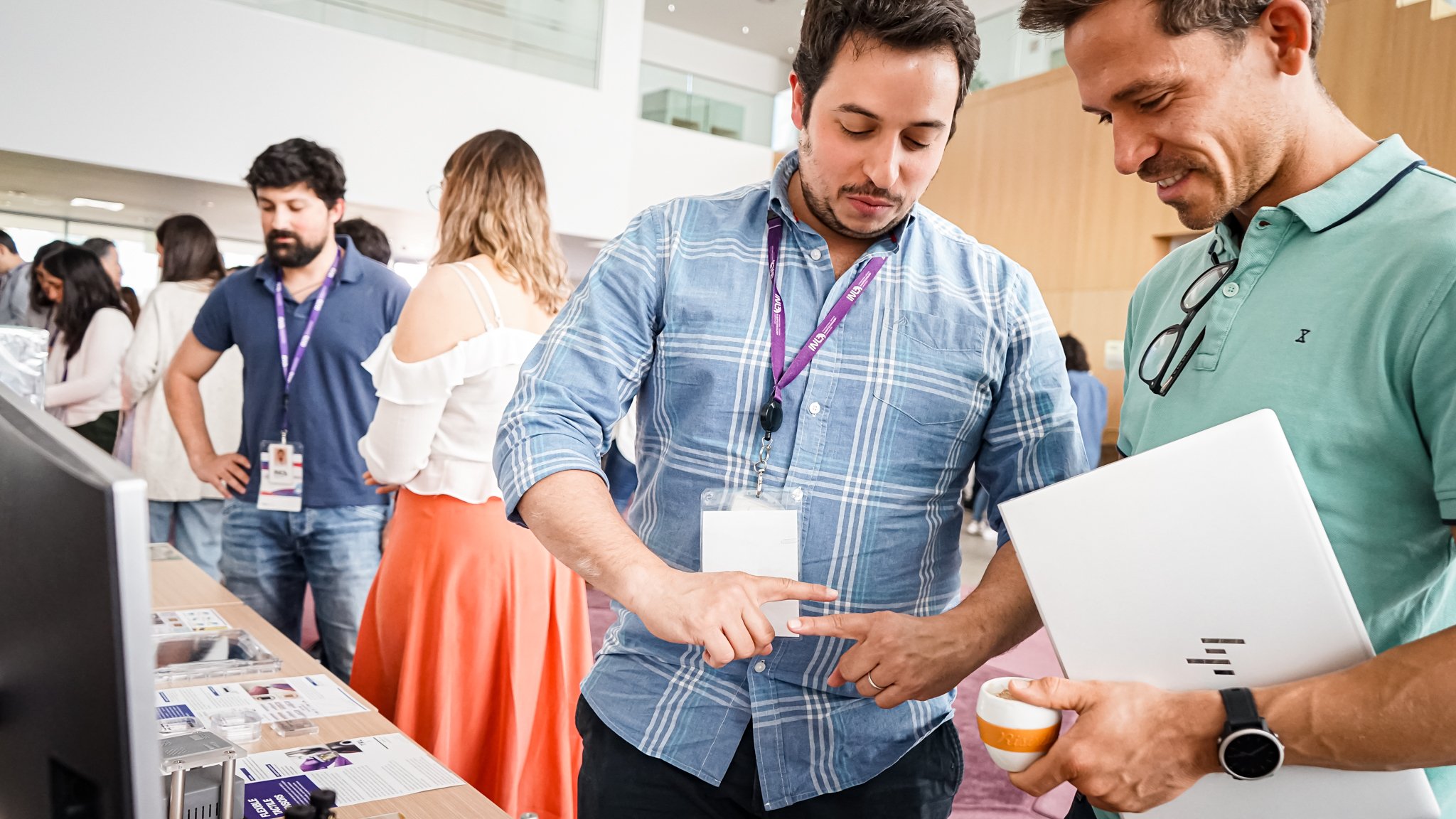
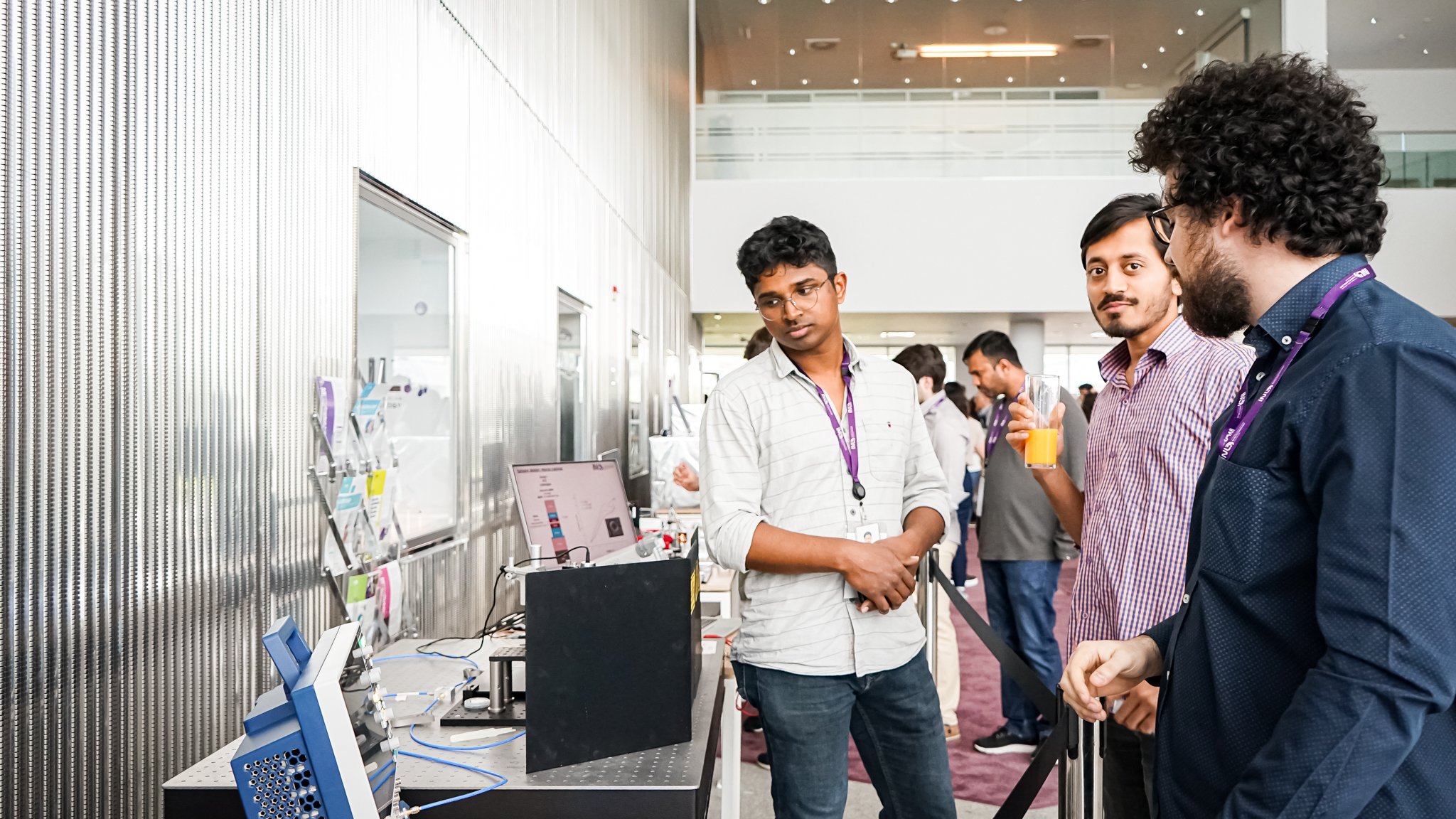
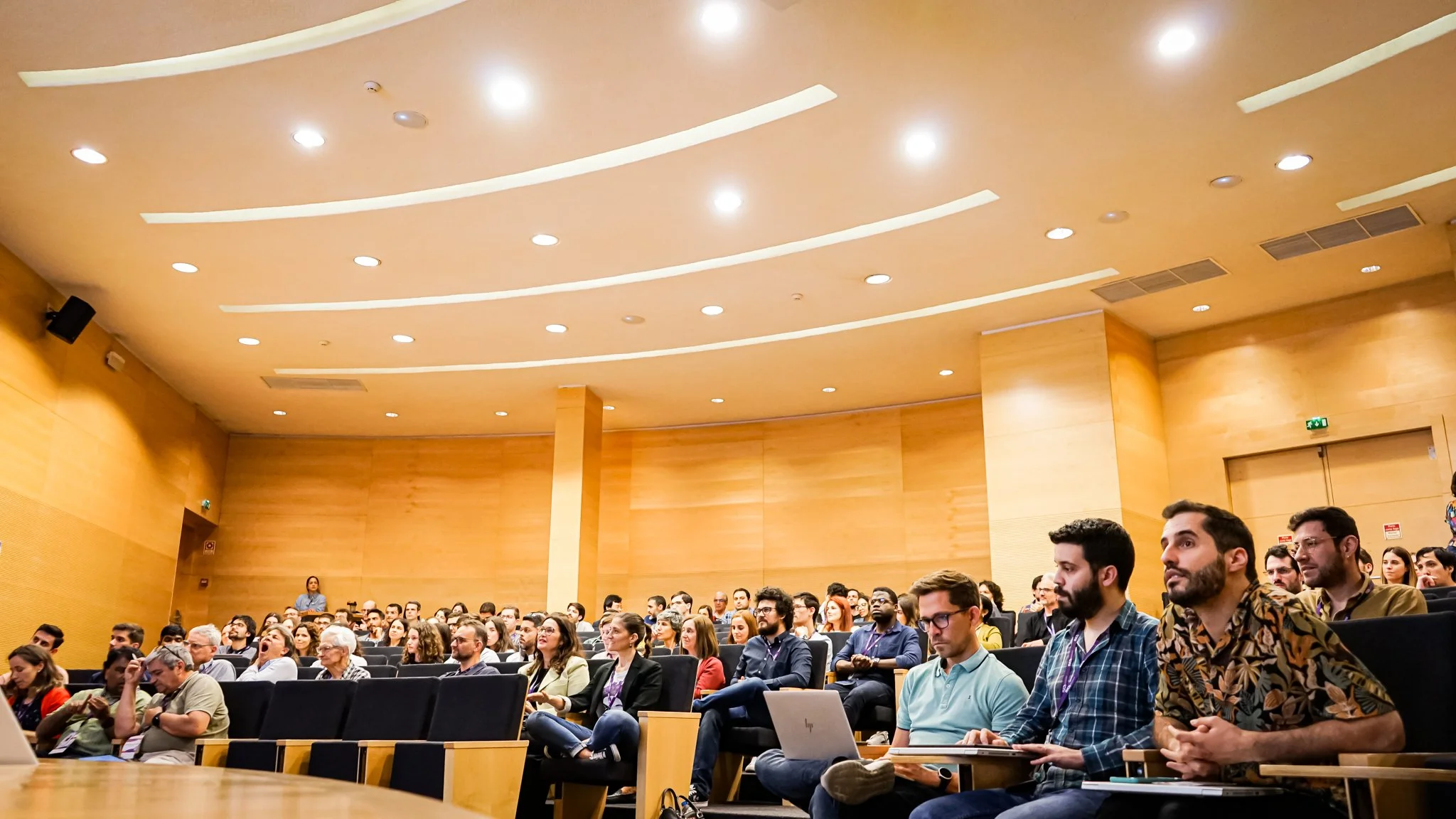
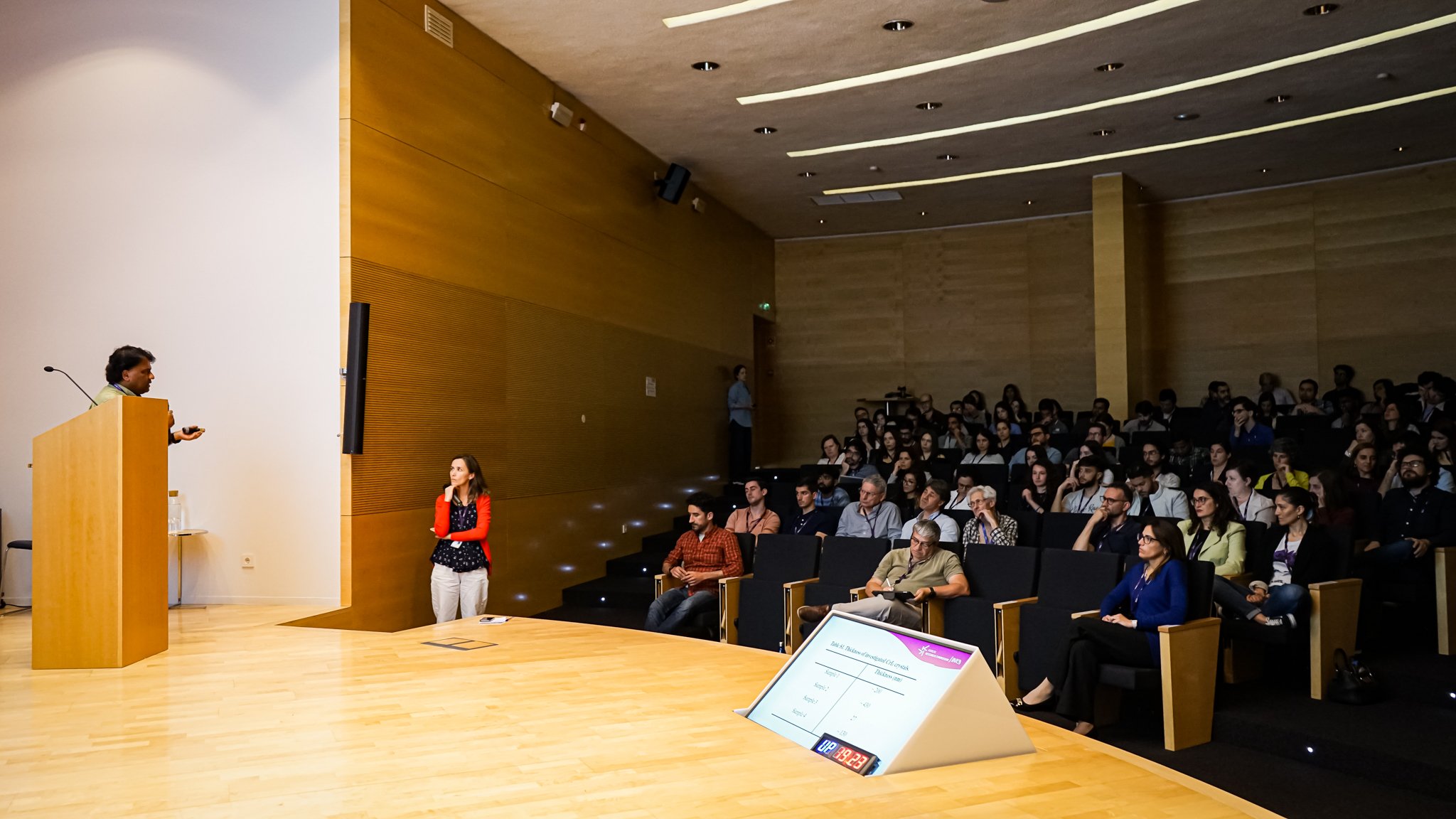
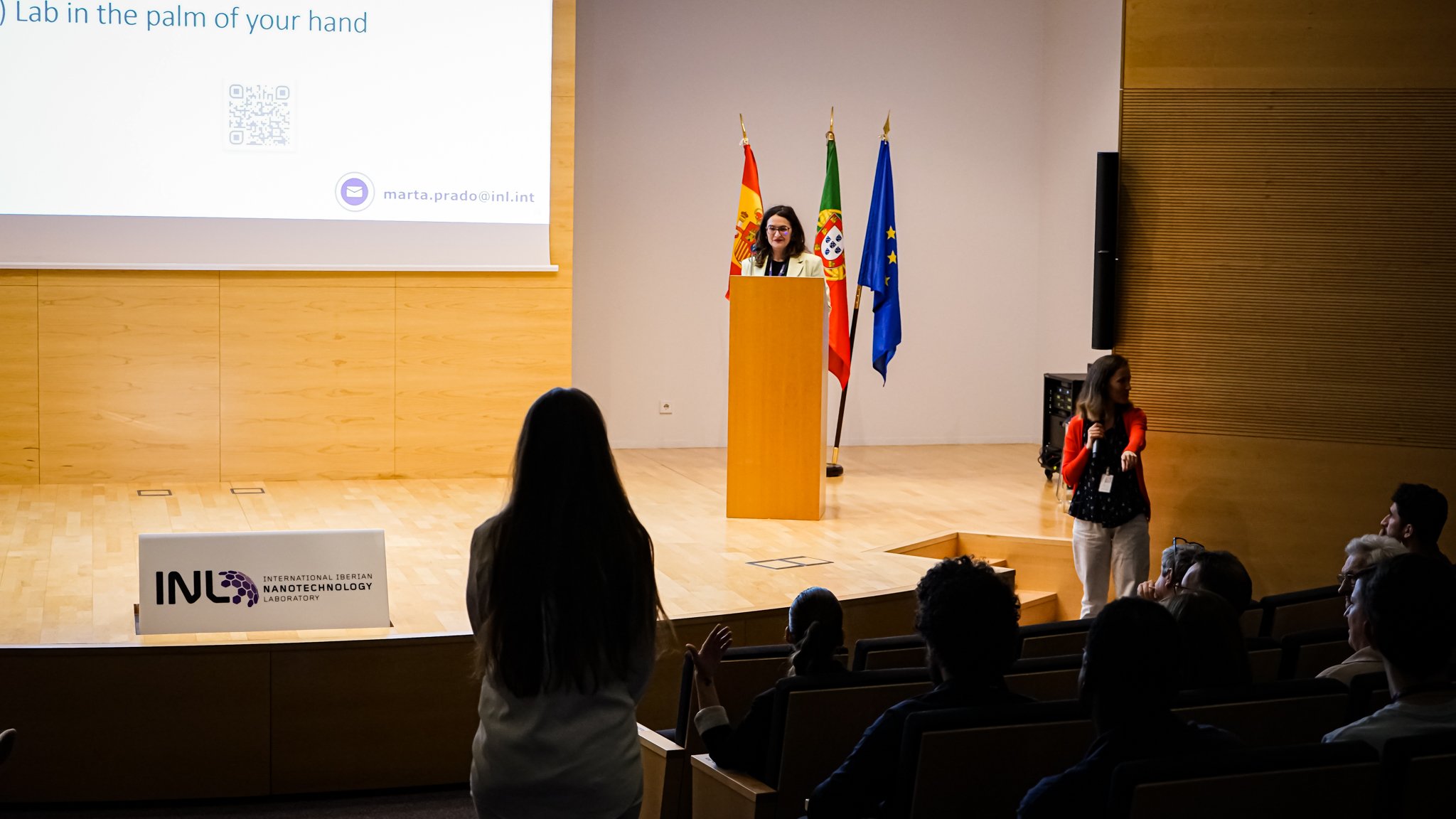
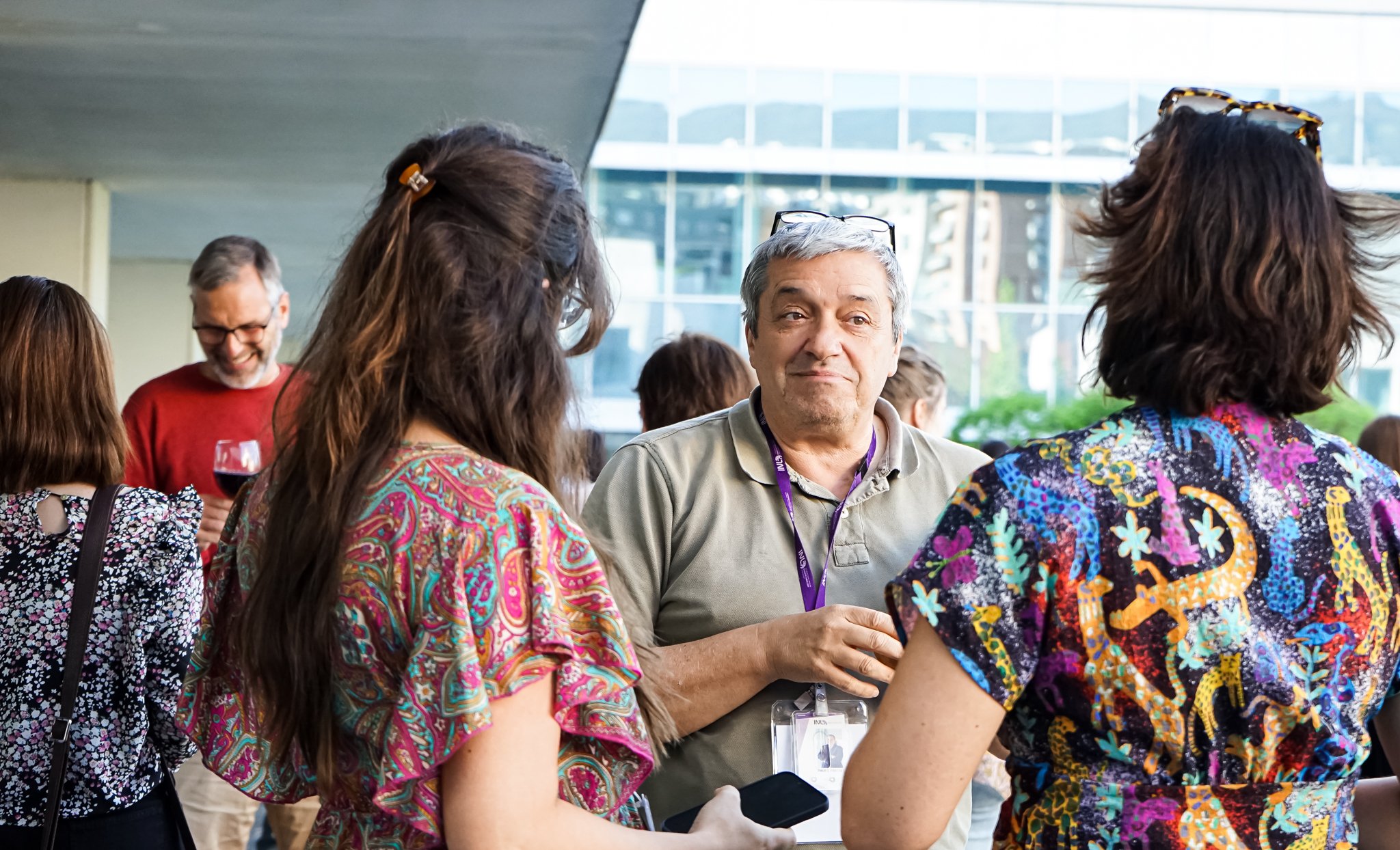
From April 19 to 21, INL – International Iberian Nanotechnology Laboratory had the honour to host the 2023 Annual INL Research Symposium. The event, an internal initiative, aimed at sharing and showcasing the research activities and accomplishments. The event also celebrates all our hard work and provides a forum for the breadth of activities being undertaken within each Research Group.
During the three half-days, we had more than 200 participants each day, 11 Research and Engineering Groups showcased 26 demos, excellent scientific presentations, more than 90 posters and video flash talks, and very engaging coffee breaks and ‘happy-hour’ moments. This was a unique internal event and a great occasion to learn and experiment new technological developments.
Next year, INL will continue promoting this event as part of the strategic plan for internal research dissemination activities and for creating an environment that encourages, stimulates and promotes research and researchers.
Thank you all for your brilliant hard work!
INL researchers are actively working on battery technology towards Clean Energy
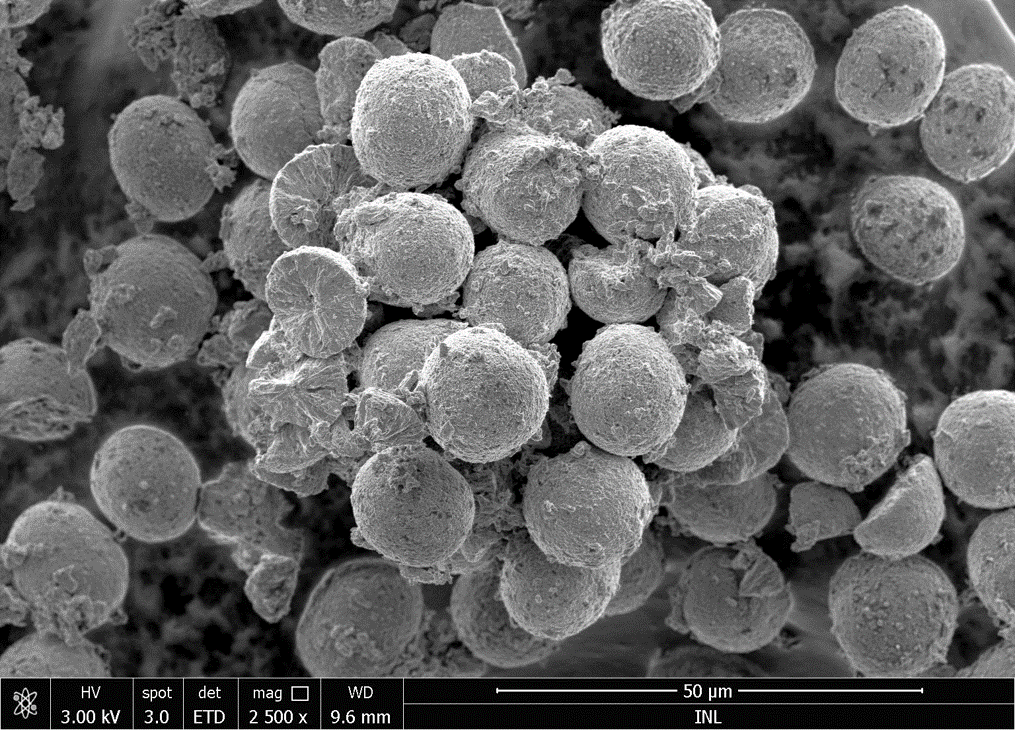
This image was taken by the researcher Cristiana Alves, Arumugam Manthiram and Paulo Ferreira using a scanning electron microscope. It shows micro-sized particles of elements found in lithium-ion batteries used in electric vehicles (lithium, nickel, manganese, cobalt and oxygen).
The most used energy sources today are based on resources that will not be naturally renewed at the pace at which these are currently being consumed. There is an urgent need to develop new materials and technologies that will enable society to convert to renewable energy sources.
One must consider that renewable sources can only produce electricity based on the resources availability – sun, wind, water, waste, and heat from the Earth; consequently, by default, renewable sources might not be available according to consumption, which might create grid issues when deployed in large scale. With the increasing use of renewable energy, there is a need to increase energy storage, such as batteries.
INL researchers from the Clean Energy cluster are actively researching battery technology.
Here is a highlight of the ongoing projects:
INL is developing anode materials with carbon and silicon (Si/C) composites with enhanced storage capacity and cycling stability.
-
HEDAsupercap (Horizon Europe)
The aim of this European-funded project is to fabricate supercapacitor cells with an energy density 8 times higher than the state-of-the-art EDLC supercapacitors in the market and demonstrate their use in hand-warming gloves and e-scooters.
Within the NGS Agenda funded by Portugal’s recovery and resilience plan (PRR), INL is participating in several research activities in all of the battery value chain, creating a new battery ecosystem such as the production of battery components and the development of new materials and processes for battery fabrication.
For more detailed information, please follow the project links. These projects are all highly collaborative, both with academia and industry, at different stages and technology readiness levels (TRL).
FoQaCiA | European funding boosts quantum research at INL
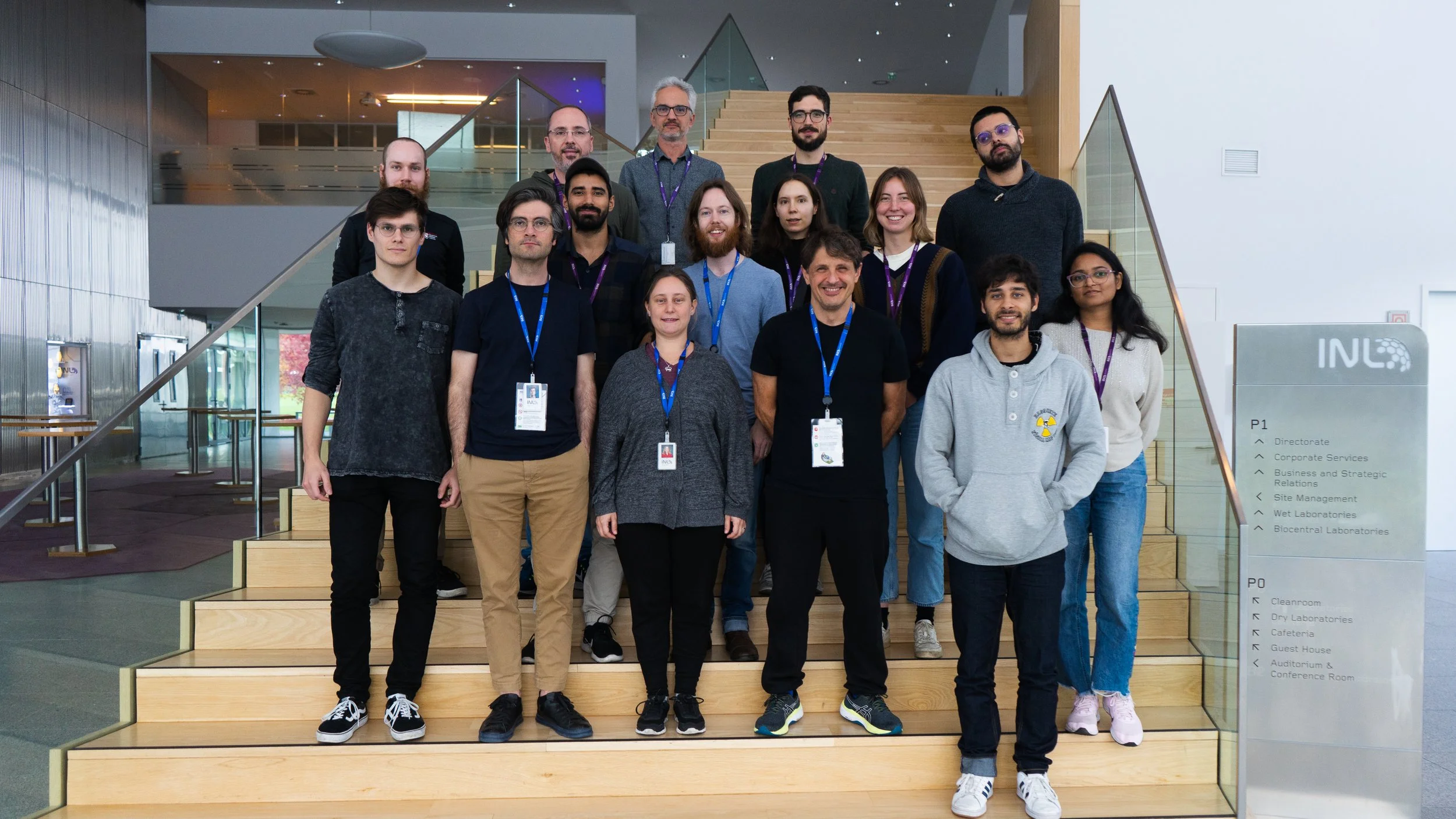
Efficient quantum algorithms can have a significant impact on important, broad-reaching problems, solving some mathematical problems faster than any classical approach. However, it still remains to be discovered how to harness the quantum systematically for computation.
Project FoQaCiA, jointly funded by the European Council and Canadian agency NSERC, aims to extend the theoretical basis for the design of quantum algorithms. The consortium’s view is that the future success of quantum computing critically depends on advances at the most fundamental level. Large-scale investments in quantum implementations will only pay off if they can draw on additional foundational insights and ideas.
The consortium FoQaCiA is a multi-disciplinary team of mathematicians, physicists, and computer scientists, with complementary areas of expertise. A unique feature of this project is the combination of top experts in the foundations of quantum computation from the two sides of the Atlantic, together with researchers capable of translating the insights gained into software for circuit compilation and classical simulation of quantum computers and into feasible demonstrations of the computational power granted by sequential quantum-mechanical measurements.
FoQaCiA researchers start from the very foundations of quantum theory and investigate how quantum programming techniques can arise from them. Within this project, scientists seek to identify one or two novel quantum programming techniques and validate them through applications.
The FoQaCIA consortium: INL (European coordinator), Stockholm University, Universidad de Sevilla, Universidad de Granada, Bilkent Universitesi, University College London, Uniwersytet Gdański, The University of British Columbia (Canadian coordinator), Simon Fraser University, University of Ottawa, and the University of Waterloo.
Efficient quantum algorithms can have a significant impact on important, broad-reaching problems, solving some mathematical problems faster than any classical approach. However, it still remains to be discovered how to harness the quantum systematically for computation.
Project FoQaCiA, jointly funded by the European Council and Canadian agency NSERC, aims to extend the theoretical basis for the design of quantum algorithms. The consortium’s view is that the future success of quantum computing critically depends on advances at the most fundamental level. Large-scale investments in quantum implementations will only pay off if they can draw on additional foundational insights and ideas.
The consortium FoQaCiA is a multi-disciplinary team of mathematicians, physicists, and computer scientists, with complementary areas of expertise. A unique feature of this project is the combination of top experts in the foundations of quantum computation from the two sides of the Atlantic, together with researchers capable of translating the insights gained into software for circuit compilation and classical simulation of quantum computers and into feasible demonstrations of the computational power granted by sequential quantum-mechanical measurements.
FoQaCiA researchers start from the very foundations of quantum theory and investigate how quantum programming techniques can arise from them. Within this project, scientists seek to identify one or two novel quantum programming techniques and validate them through applications.
The FoQaCIA consortium: INL (European coordinator), Stockholm University, Universidad de Sevilla, Universidad de Granada, Bilkent Universitesi, University College London, Uniwersytet Gdański, The University of British Columbia (Canadian coordinator), Simon Fraser University, University of Ottawa, and the University of Waterloo.