Today, February 2, the CryoEM-PT – National Advanced Electron Microscopy Network for Health and Life Sciences facility was inaugurated at INL – International Iberian Nanotechnology Laboratory, in Braga – Portugal.
The inauguration took place in the presence of Interim Director General – Paulo Freitas, the Scientific Coordinator of AEMIS Facility – Paulo Ferreira, the Alderwoman of Braga – Olga Pereira, the FCT President – Madalena Alves and CCDR-N President – António Cunha.
The CryoEM-PT initiative comprises a central node at INL – where a state-of-the-art Cryo-Electron Microscope has just been installed – and several other nodes distributed throughout the country, from North to South. The new infrastructure will soon be available to the scientific and industrial community, particularly in Health and Life Sciences.
Cryo-Electron Microscopy is a state-of-the-art technique fundamental to structural biology and health research, allowing cells and their components to be observed with unprecedented precision. This will allow the study of issues associated with cancer, viral infections, bacterial resistance to antibiotics, Alzheimer’s and Parkinson, as well as the design, development and administration of drugs.
FUNLAYERS twinning EU project kicks off with a workshop
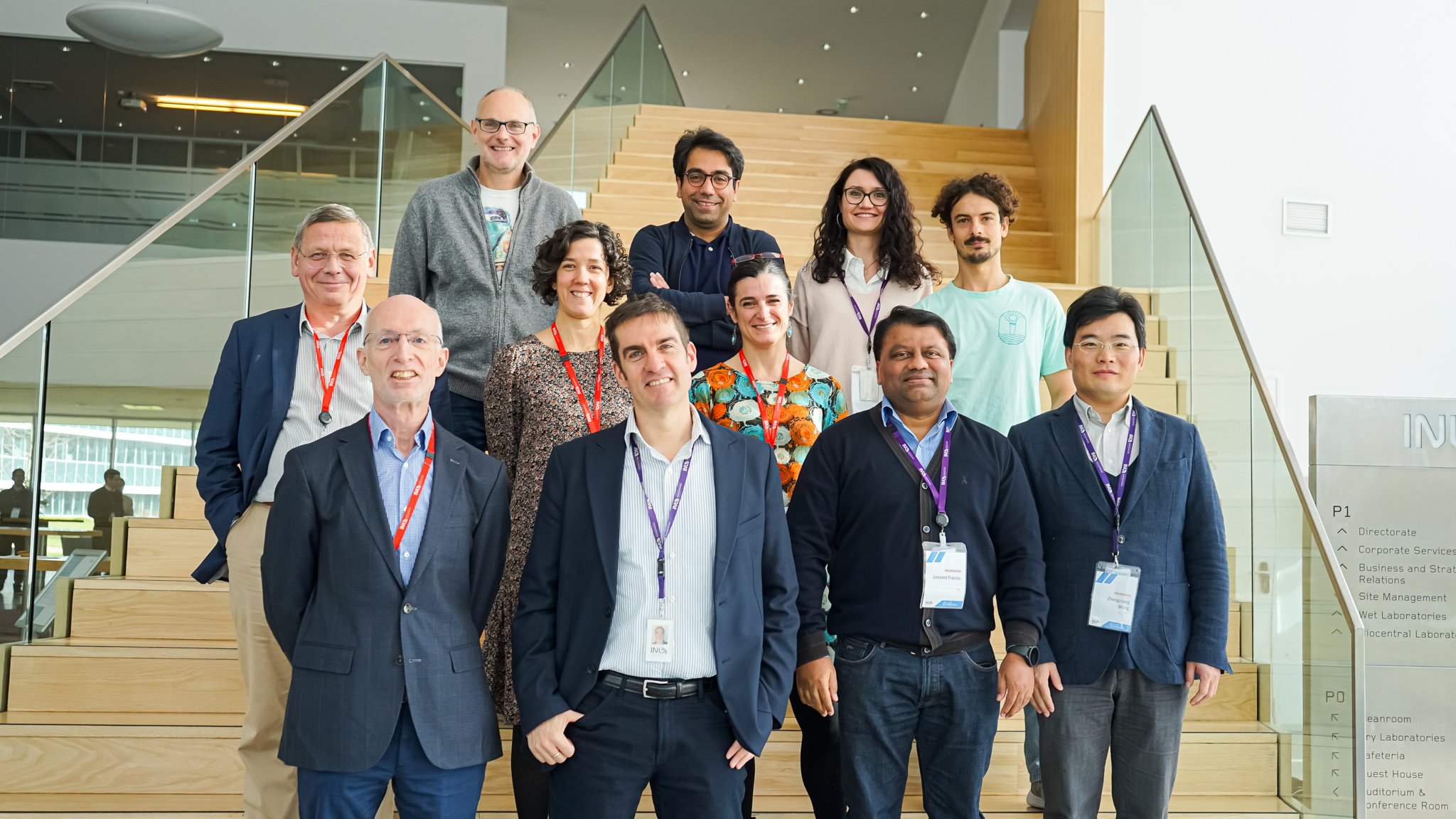
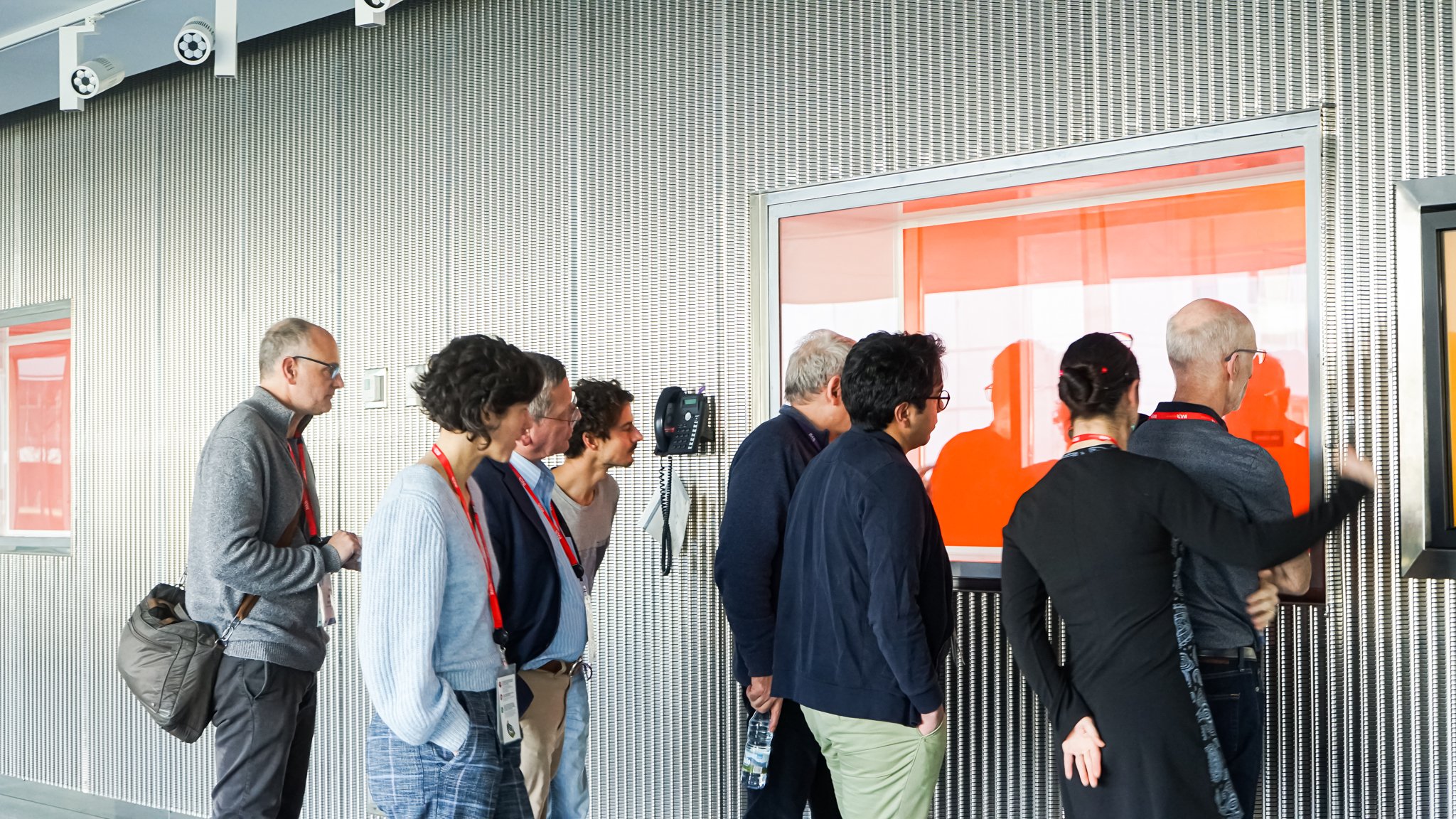
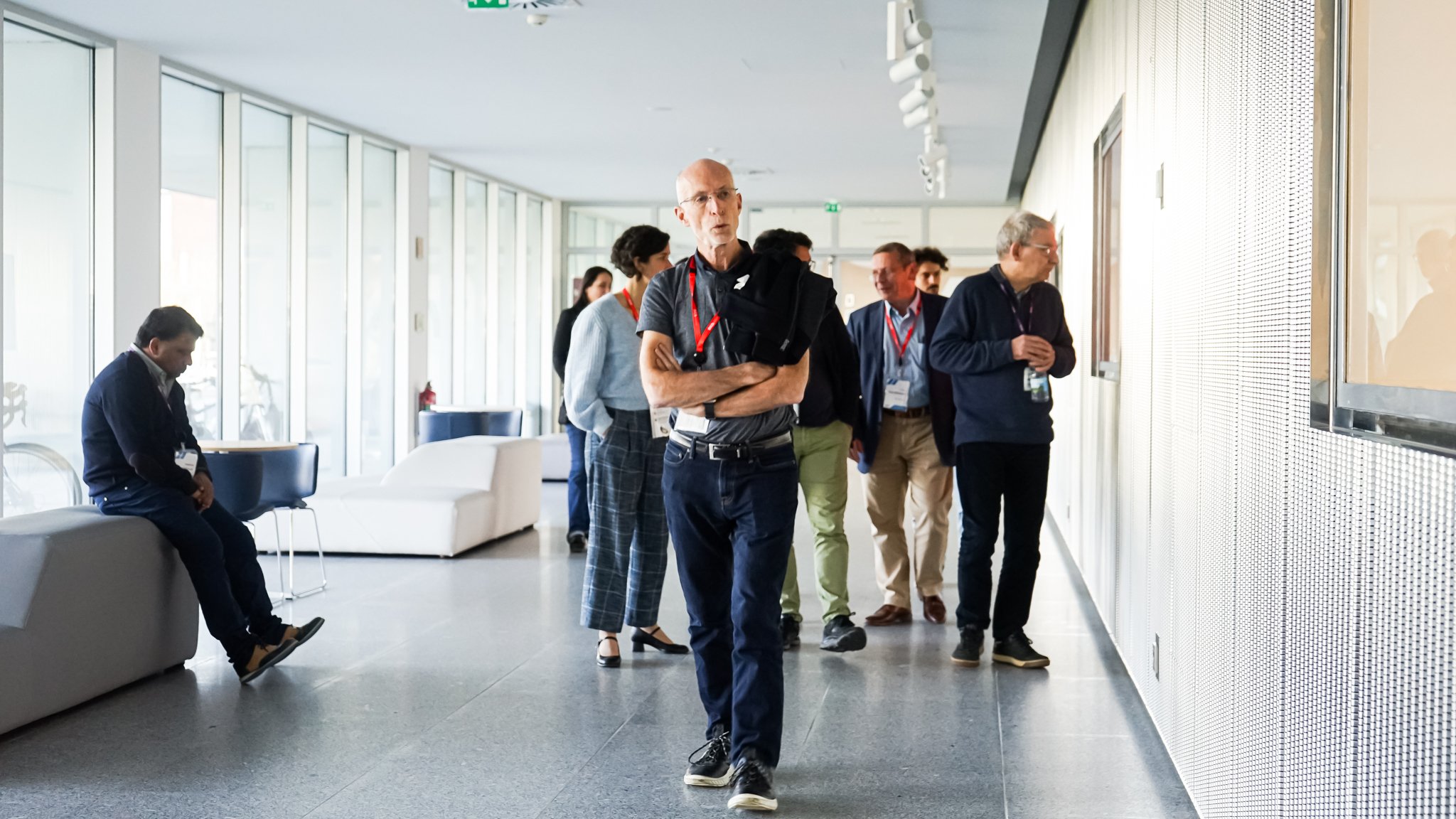
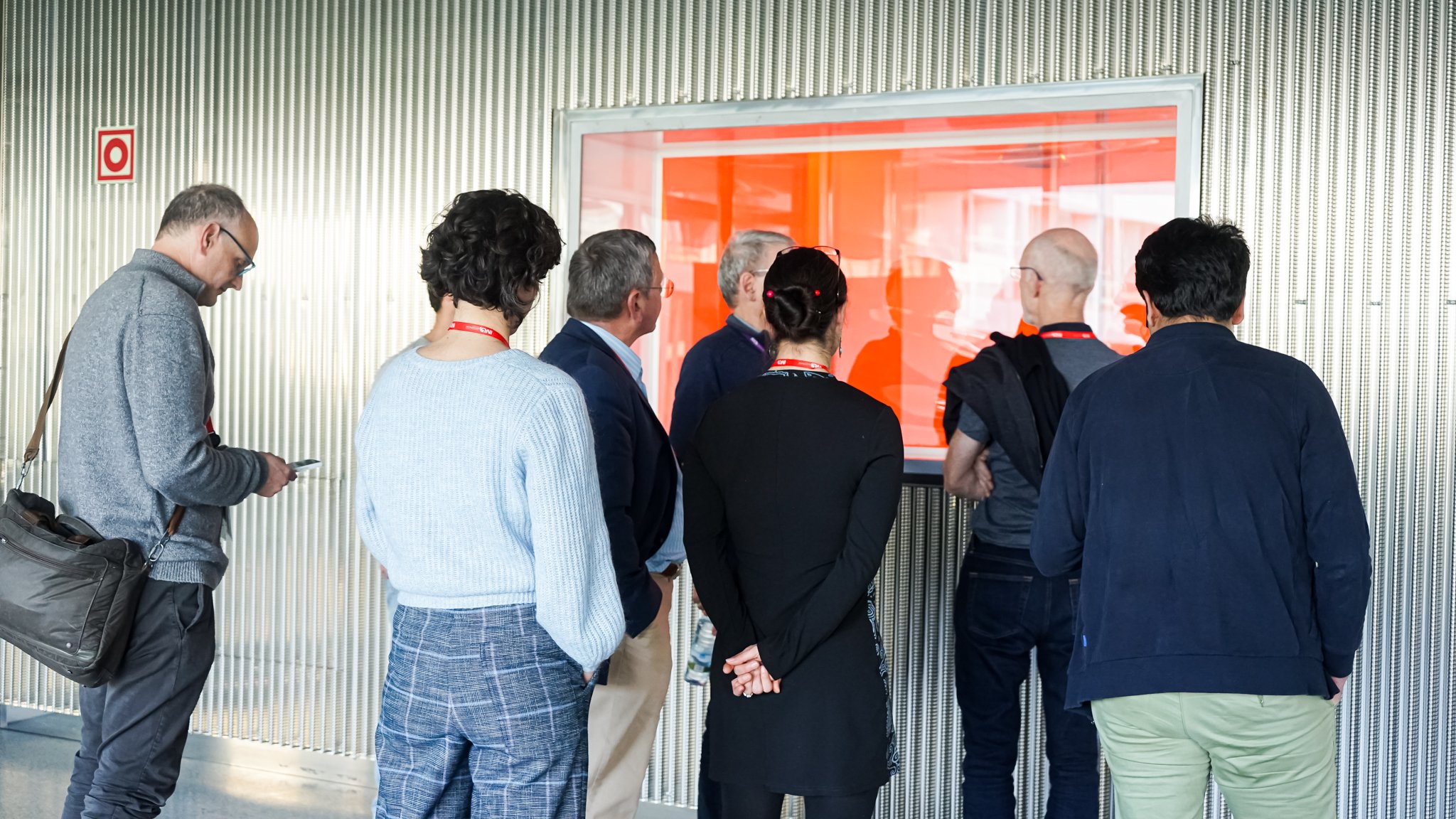
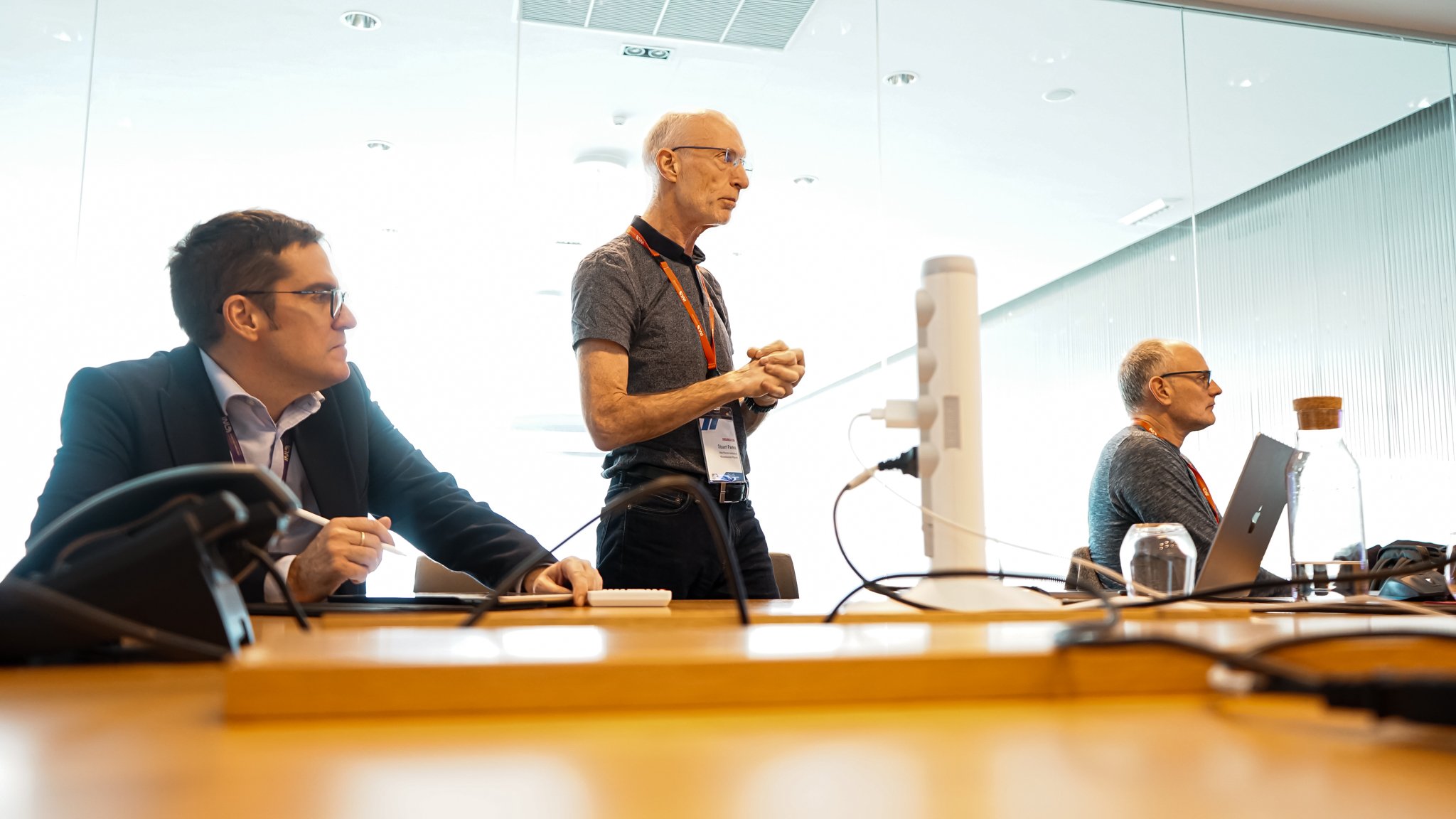
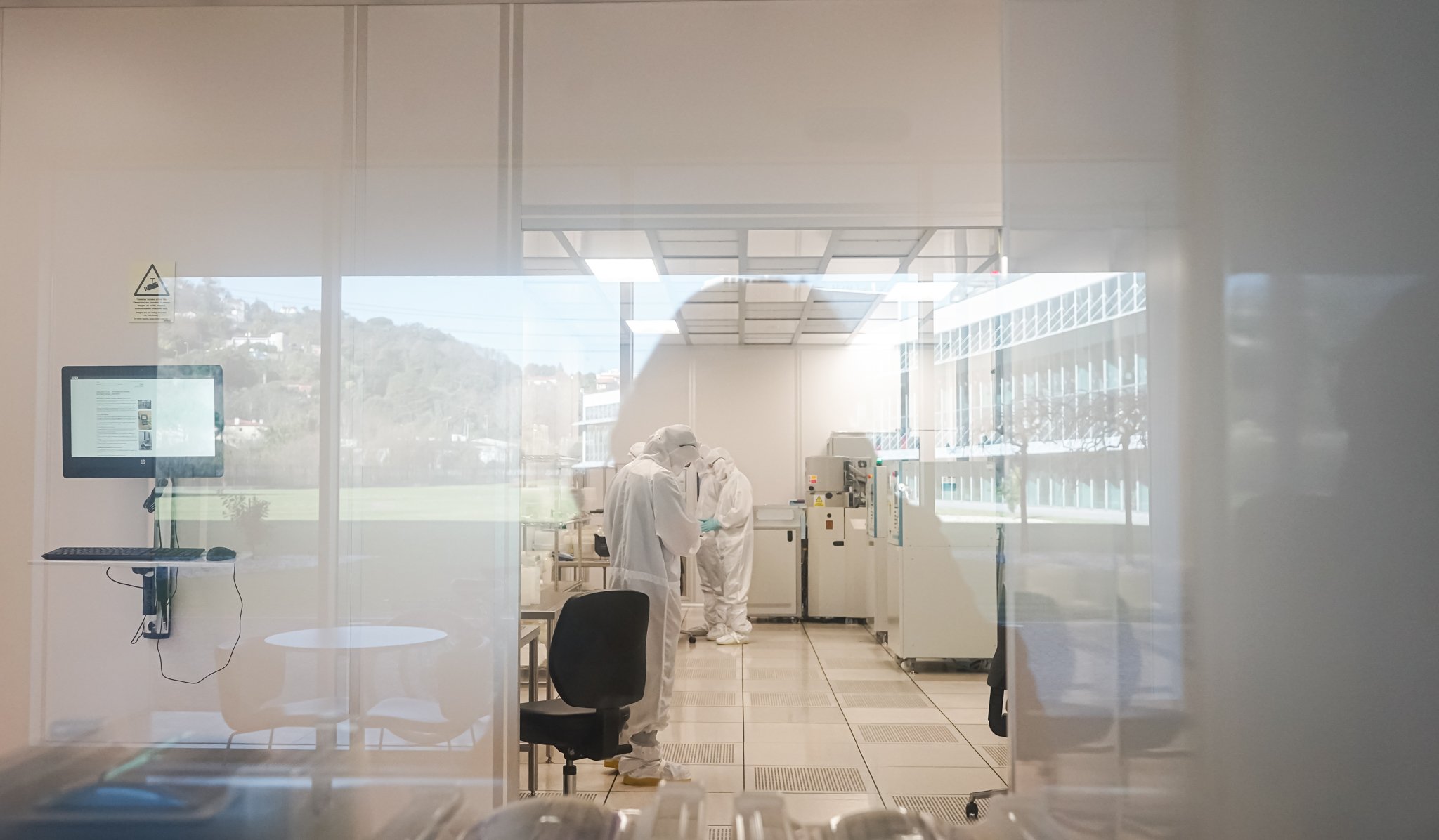
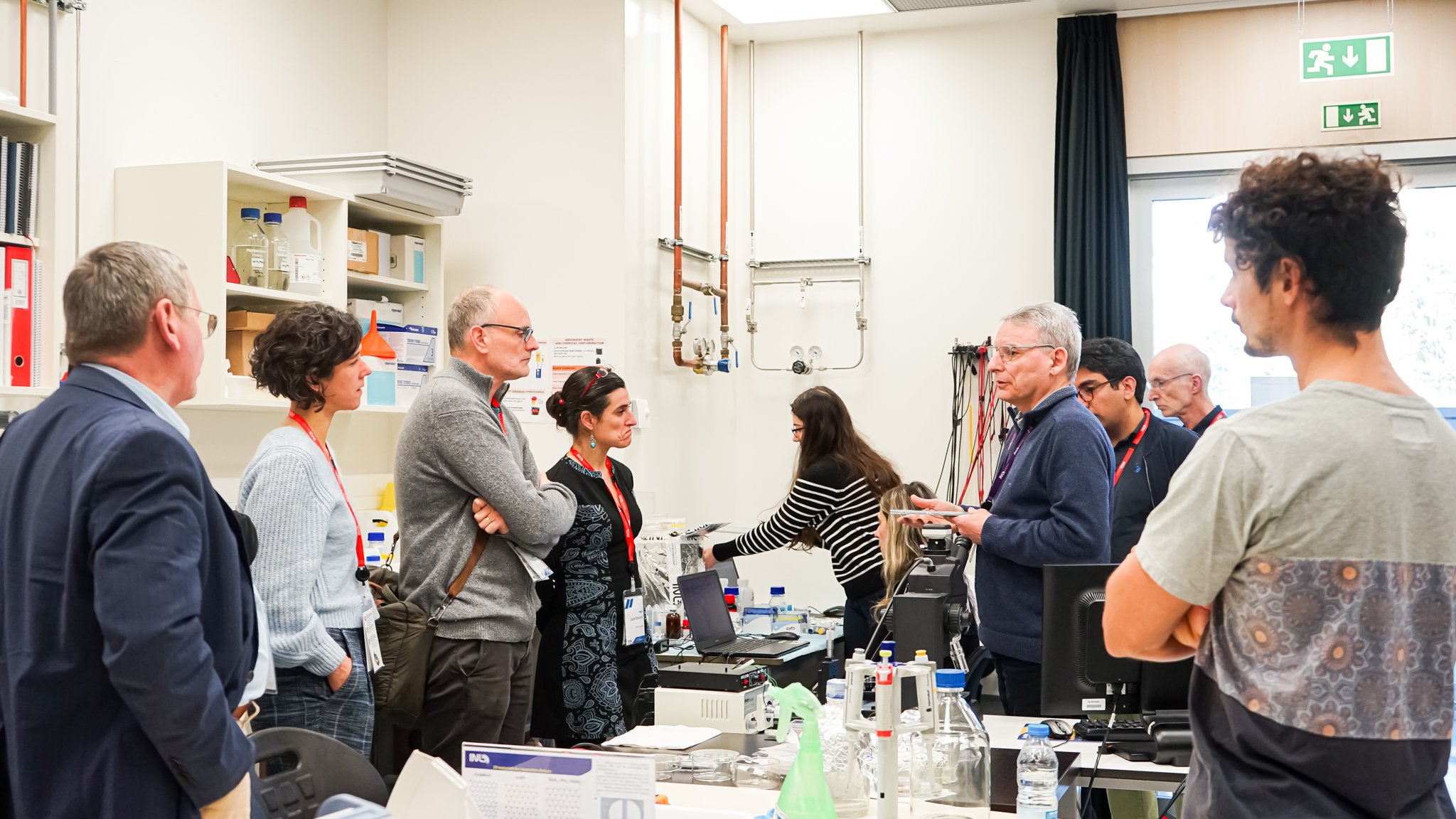
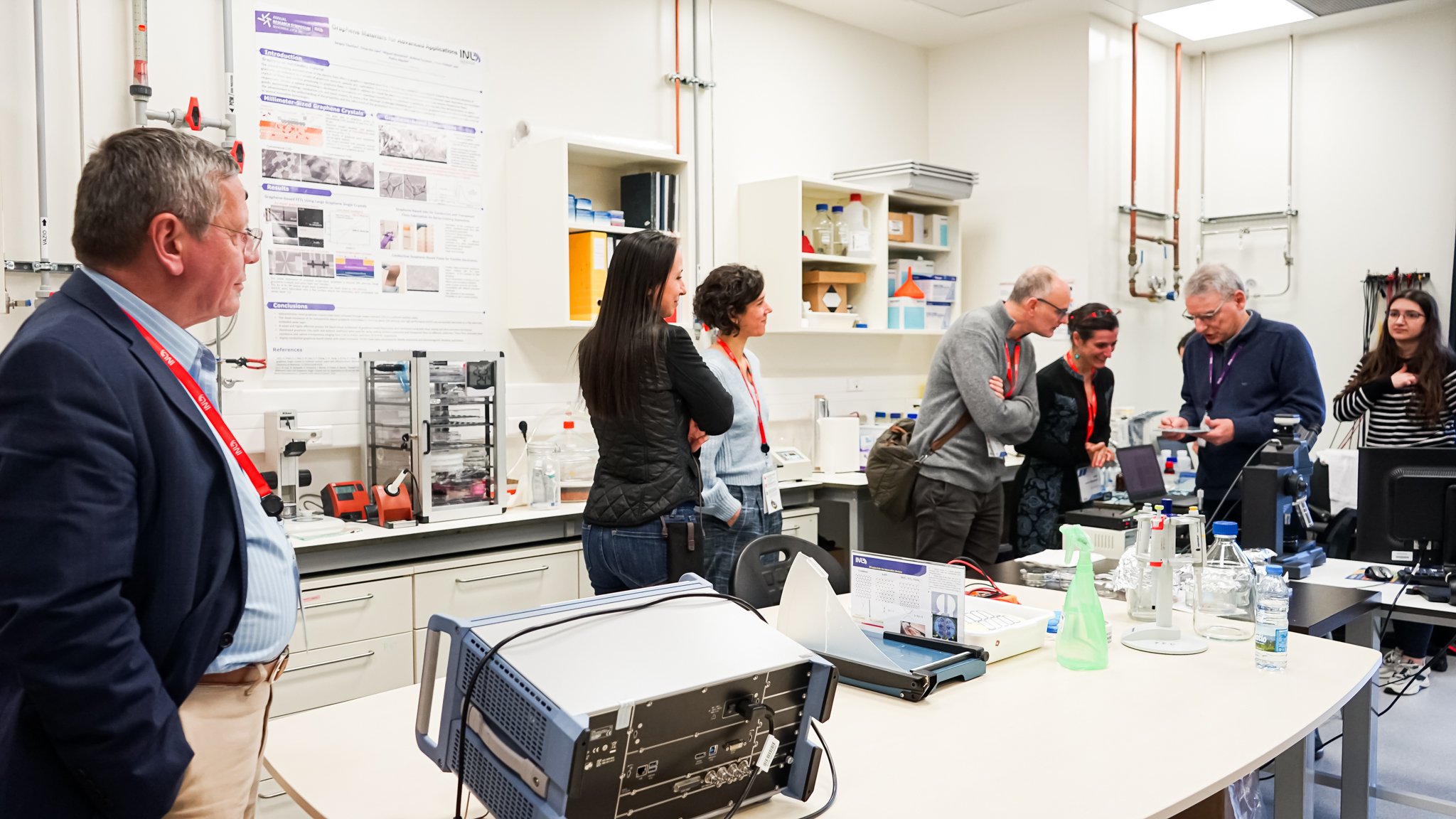
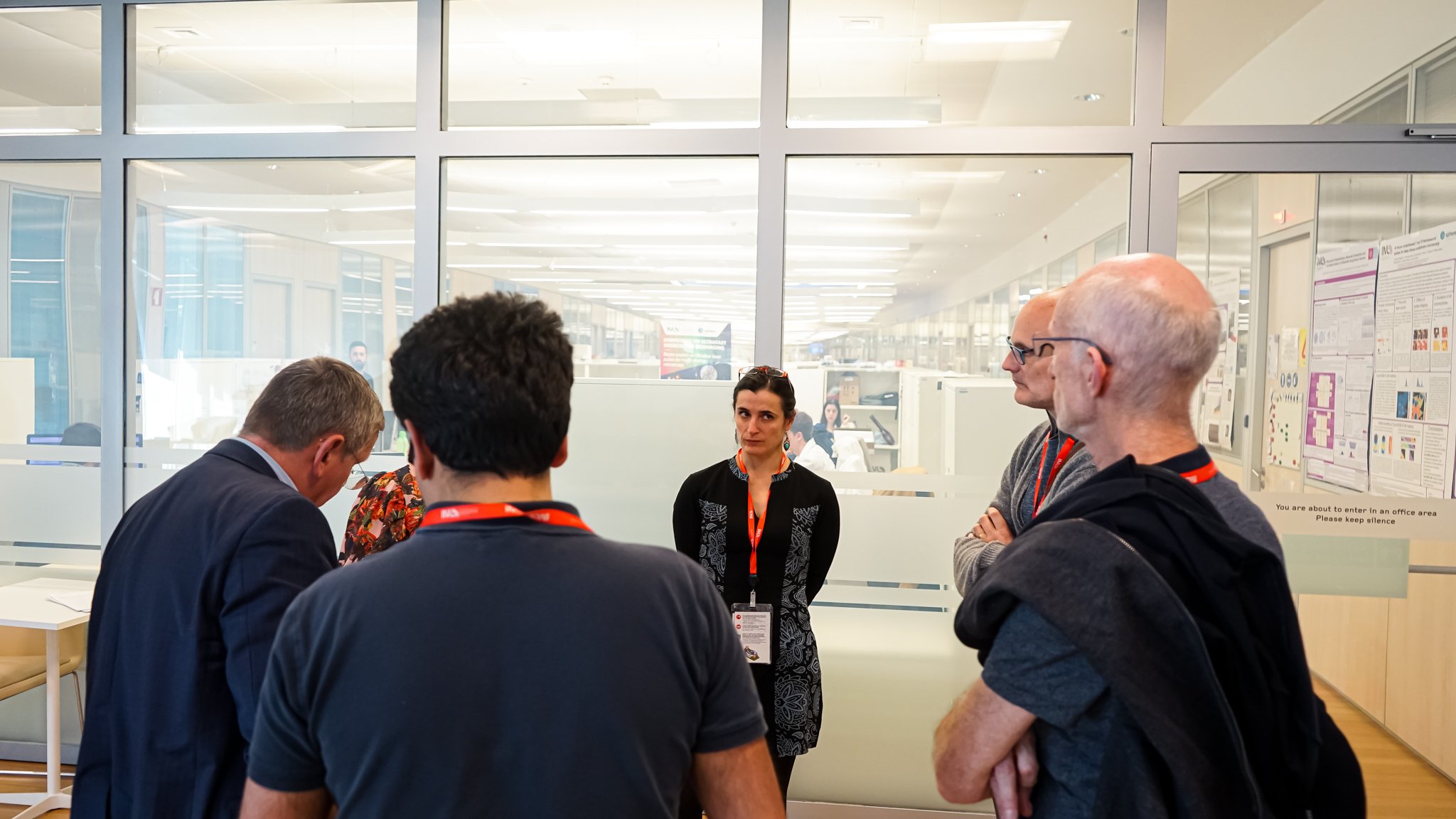
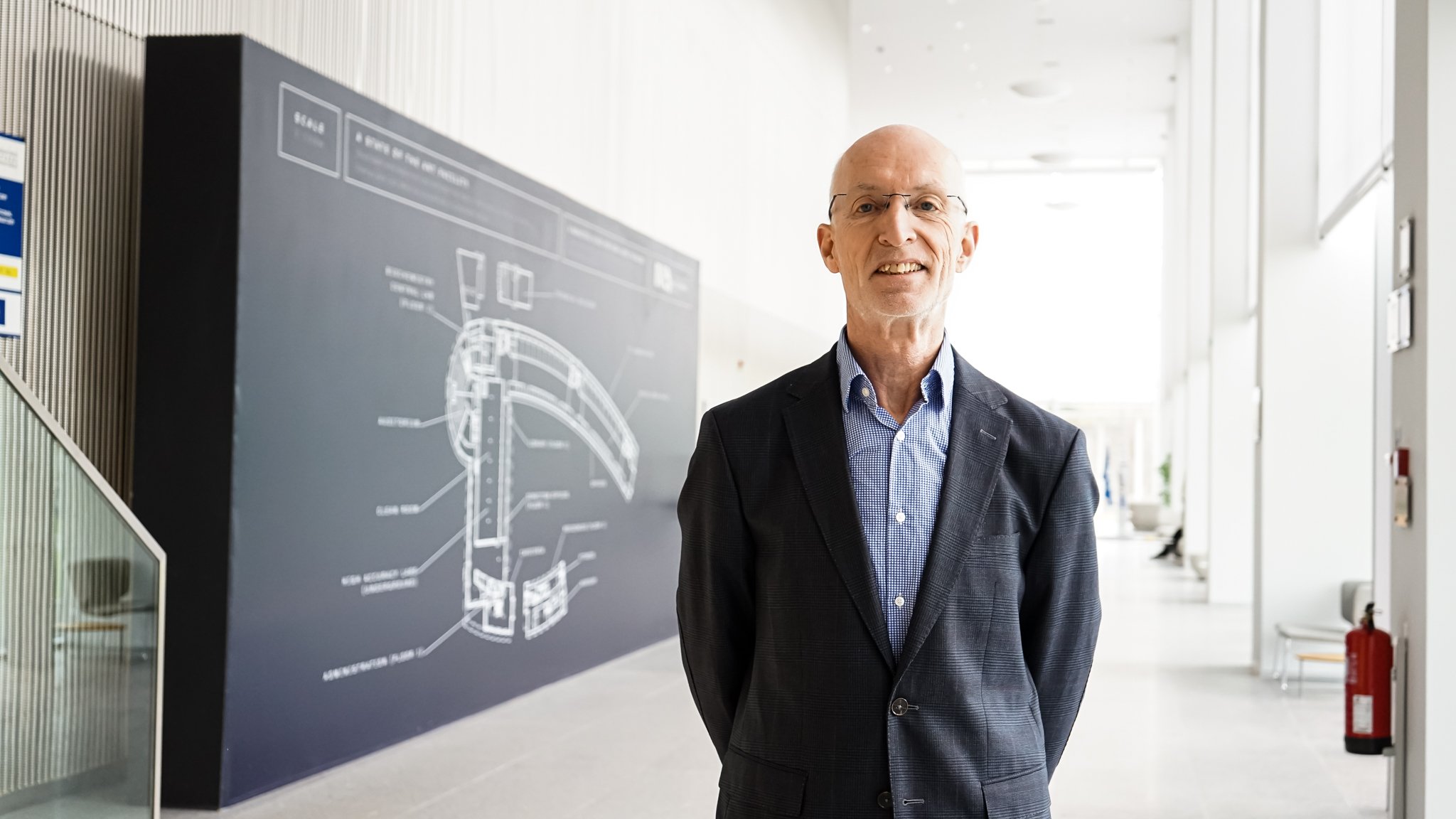
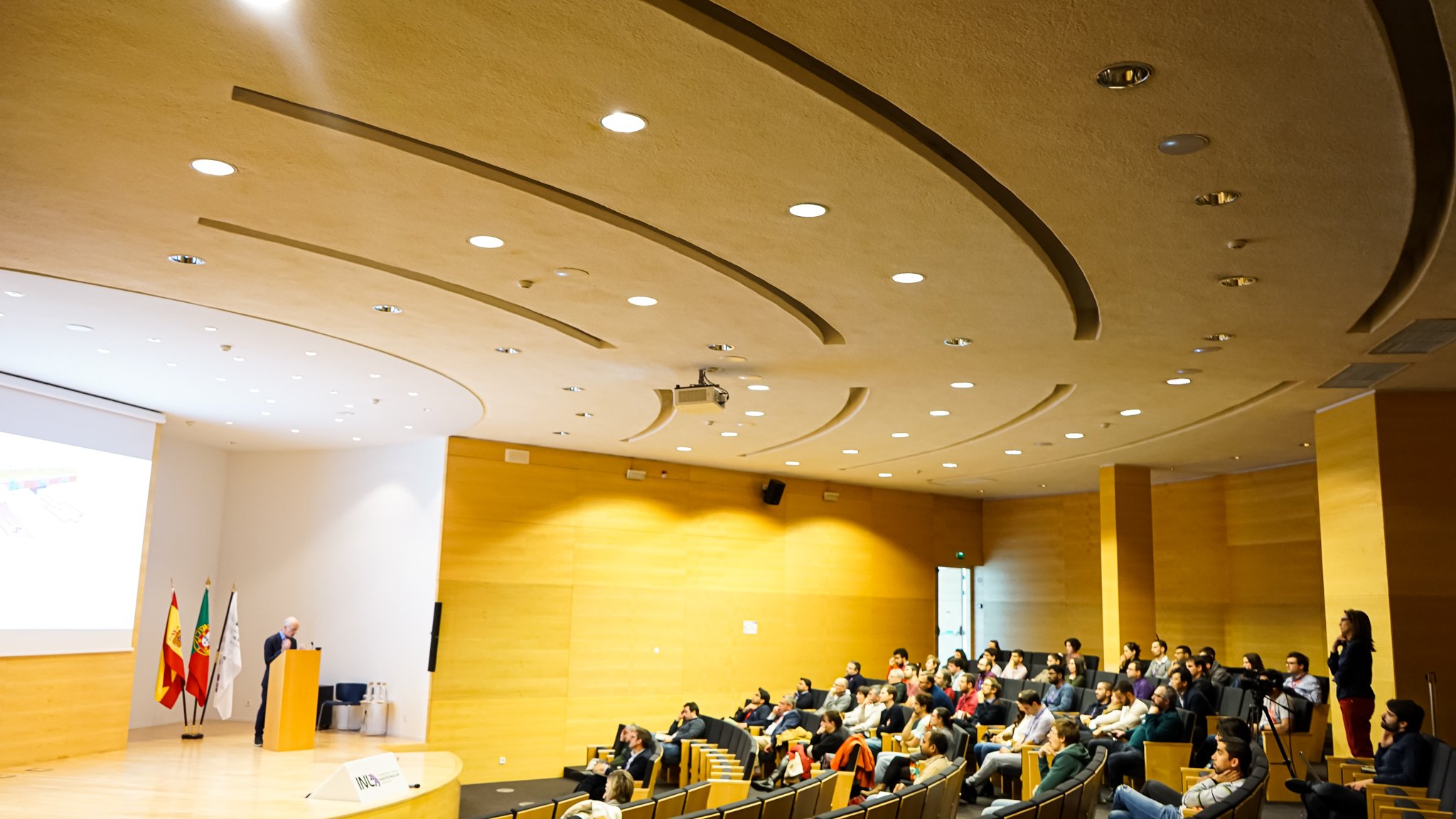
The Functional Layered Materials for Advanced Applications – FUNLAYERS project consists of a twinning initiative aimed to propel INL’s research excellence in the field of layered materials whilst unfolding its tremendous potential applications for energy storage and spintronics in partnership with two world-class European institutions at the forefront of material science – Consortium for the Construction, Equipping and Exploitation of the Synchrotron Light Source (ALBA-CELLS) and the Max Planck Institute of Microstructure Physics (MPG).
The project kicked off last week in Braga – Portugal, under the coordination of INL – International Iberian Nanotechnology Laboratory together with the other ALBA-CELLS and Max Planck Institute of Microstructure Physics (MPG) teams. The event was a hybrid event, in which the consortium met and discussed the challenges and strategies for the project and how we will work together to strengthen our research in the field of layered materials, capturing future opportunities for joint collaborations in R&I.
During three days FUNLAYERS team organised a workshop and the main goal was to strengthen both the research and the institutional capabilities of INL in the area of Functional Layered Materials and at the same time provide a diagnosis of INL capabilities in two different components – scientific and research management.
On the last day, we were also able to listen to Professor Dr Stuart Parkin – Director of the Max Planck Institute for Microstructure Physics, Halle, Germany, and an Alexander von Humboldt Professor, Martin Luther University, Halle-Wittenberg giving an inspiring talk about his path and work. We heard all about his research interests and the latest developments on spintronic materials and devices for advanced sensors, memory, and logic applications, oxide thin-film heterostructures, topological metals, exotic superconductors, and cognitive devices.
New updates will be shared on the FUNLAYERS website: www.funlayersproject.eu
NASCADIA, Using Microalgae for Bio-inspired Nanodevices
While the global demand for high technologies rises, their production still widely relies on unsustainable and environmentally unfriendly production techniques, and mining of critical raw materials.
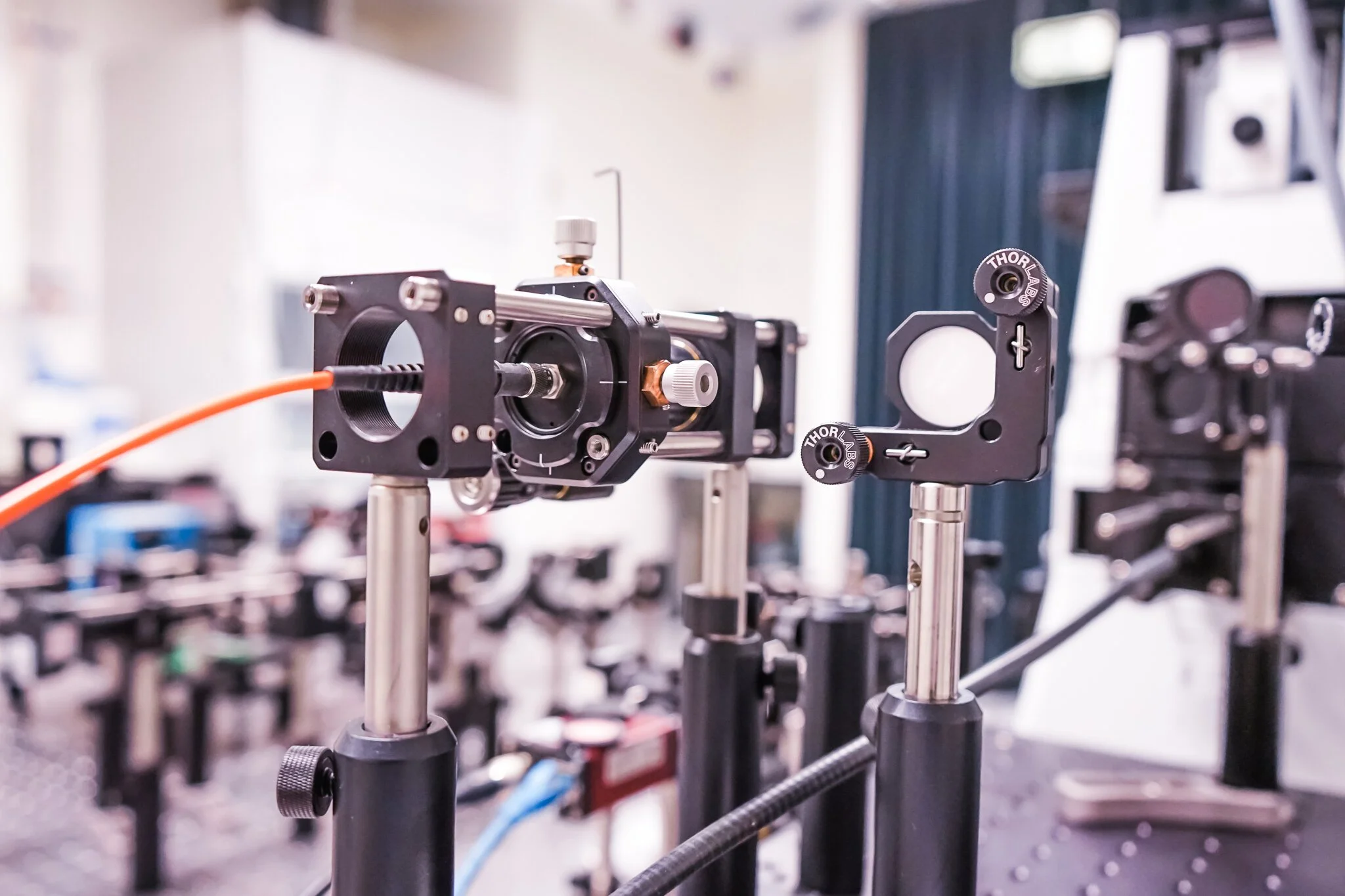
NASCADIA project aims to use microalgae as the bio-factory for high–quality photonic nanostructures production. Photonic crystals are among the highly demanded technological components, as they can manipulate light at the nanoscale. Applications include optoelectronics, telecommunication and information technologies, and medical and pharmaceutical devices.
Within the NASCADIA project, INL – International Iberian Nanotechnology Laboratory researchers are studying diatoms. Diatoms are a type of plankton and are among the most abundant microalgae on Earth. They have an external skeleton made of bio-silica around their cell, which serves as a barrier and promotes photosynthesis in the aquatic environment.
The properties of diatom bio-silica as nanomaterials have skyrocketed in the last years from a technological perspective. In fact, several implementations have denoted extremely good quality as a porous material for Lithium battery anodes as well as blood filtering strategies. Diatoms are also considered a suitable source of biomass for biofuels, and important indicators of water pollutants since their species composition is sensitive to variations in environmental factors.
There is a huge potential to use diatoms as “natural nanodevices”. However, for this to happen, it’s imperative to know how to control the properties of the bio-silica in the diatom exoskeleton in order to obtain a reliable and useful source of nanomaterial. INL researchers are learning about the implications of diatom photosynthesis, to better understand the diatom photonic system. The main goal of NASCADIA is to gain knowledge on how the uptake of different elements into the bio-silica, and to modify diatom nanostructures to make them suitable for nanophotonic approaches.
With the NASCADIA project, we are paving the way to photonic production through clean, safe and cost-effective natural methods.
INL inaugurates state-of-the-art Cryo-Electron Microscope that helps to study new diseases
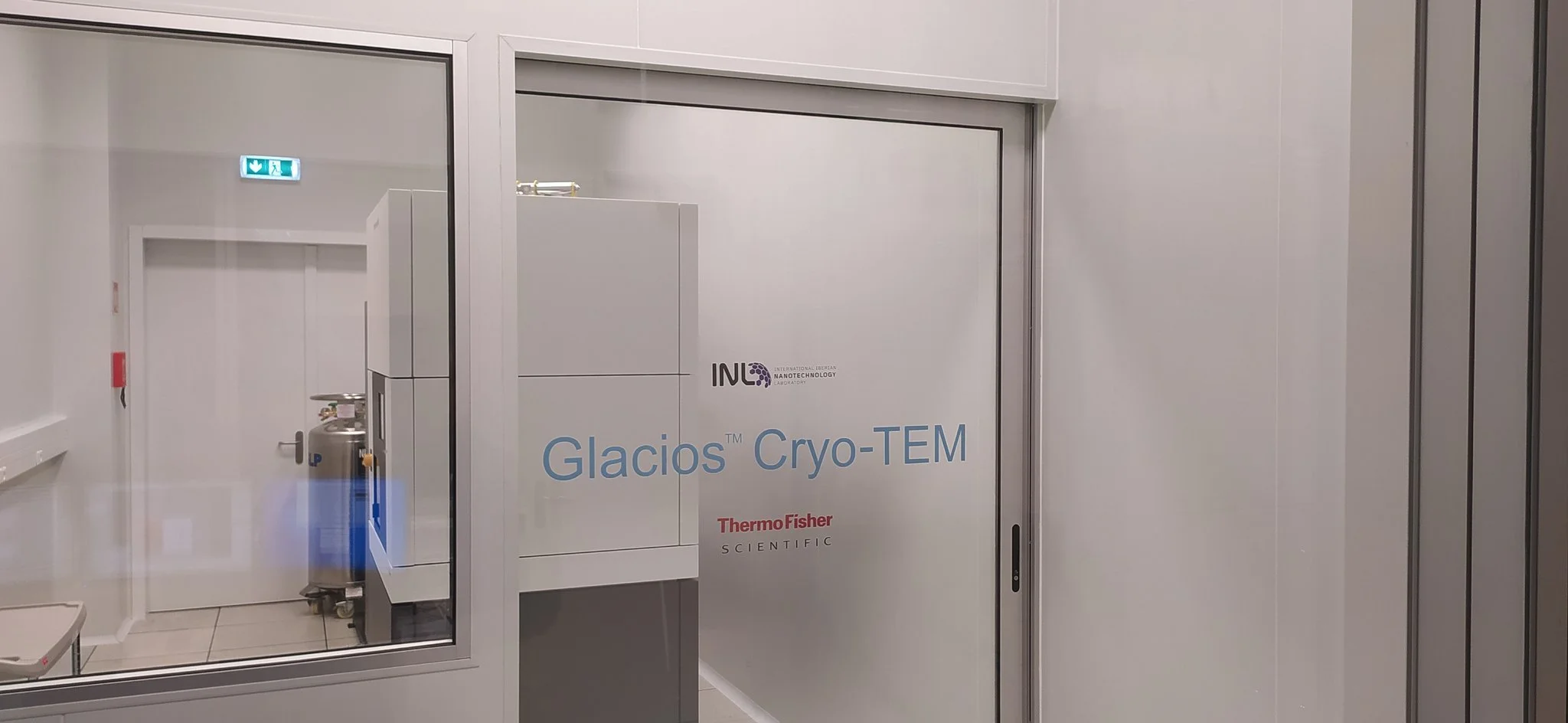
Analysing biostructures down to the atomic level can help to study diseases such as Alzheimer’s or cancer, as well as to develop new therapies. This new type of investigation is now possible from Braga, thanks to the new electronic cryogenic microscope installed at INL – International Iberian Nanotechnology Laboratory.
The acquisition of this equipment is part of the creation of the CryoEM-PT National Network, “an electron microscopy network for life and health sciences”, explains Paulo Ferreira, scientific coordinator of this initiative that opens doors to researchers and companies in Iberia, allowing easy access to state-of-the-art infrastructure and technologies.
The Cryo-Electron Microscopy is a state-of-the-art technique fundamental to structural biology and health research, allowing cells and their components to be observed with unprecedented precision. This type of microscope “uses electrons to look at materials”, which “allows reaching the atomic level”, explains Paulo Ferreira, while “the samples are cooled to the temperature of liquid nitrogen”. The latter is “the advantage of using these instruments”, details the project coordinator since the low temperature prevents “the electron beam from destroying the samples when it interacts with them”. In this sense, the technology it uses is useful for a wide variety of applications, such as “obtaining the three-dimensional structure of biomolecules and viruses such as SARS-CoV-2”, so that “we can develop more effective combat strategies”.
“This opens up a great opportunity to study many therapies and also diseases, for example, Alzheimer’s and Parkinson’s or cancer, as well as the development of new drugs”, which is why not only academic institutions are among the future users, but also companies dedicated to the drug development.
Furthermore, these microscopes are “very computationally demanding; servers with very high speeds and storage capacities are needed”, he explains, since the machine obtains thousands of images per second and in a few minutes generates “a large number of terabytes of data.
Regarding its operation, network users can choose to send the samples directly to the INL – International Iberian Nanotechnology Laboratory team, collaborate directly with its professionals or receive prior training so that they themselves can obtain and analyse the collected data. This technology was awarded the Nobel Prize in Chemistry in 2017 and Paulo Ferreira adds that this is “an instrument considered critical in health and life sciences around the world”.
INL Clean Energy cluster, improving the performance of energy applications
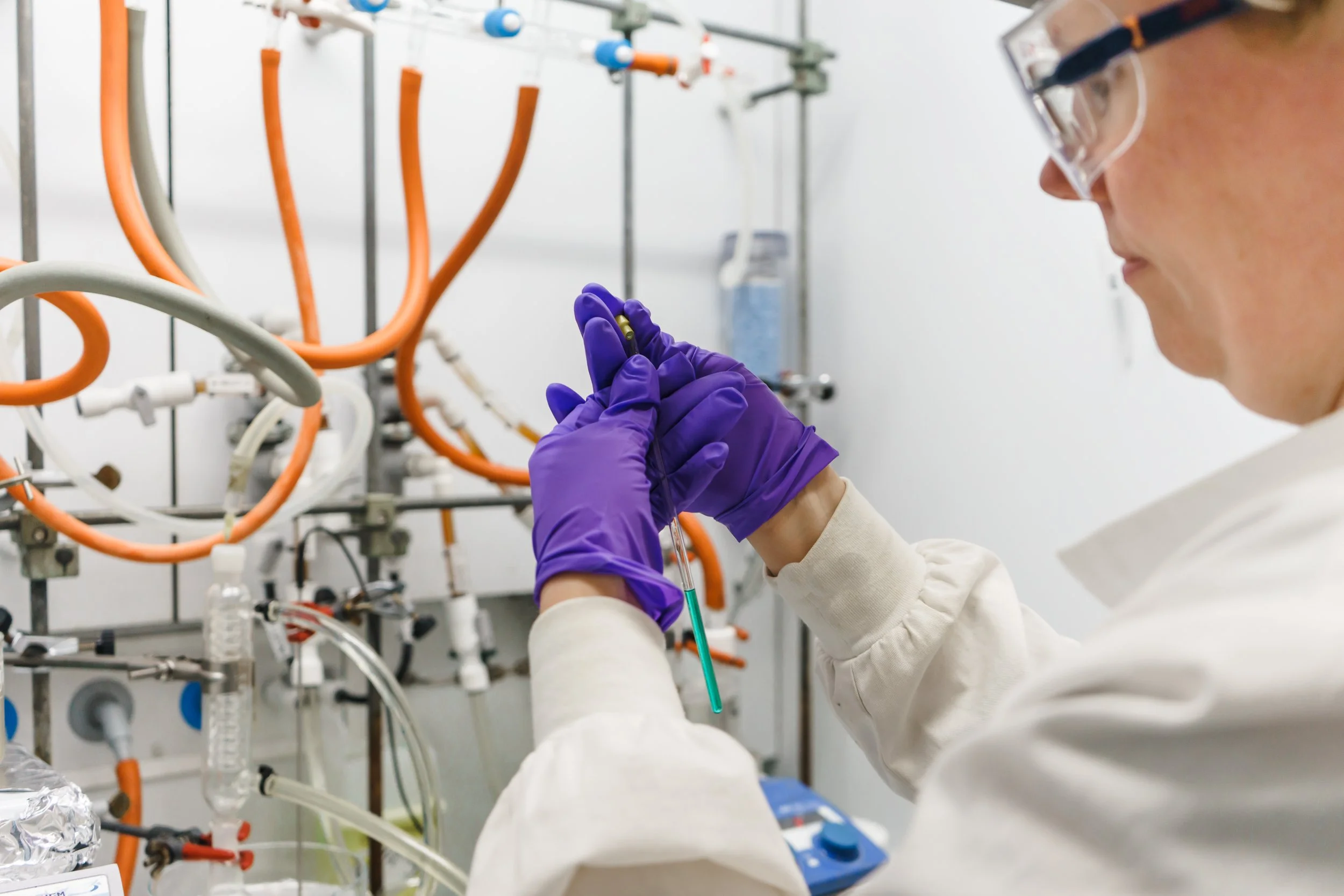
The most used energy sources today are based on fossil fuels which create severe implications for climate change. Moreover, Europe lacks easy access to these resources, as these have an uneven global distribution. There is an urgent need to develop new materials and technologies that will enable society to electrify and convert to renewable energy sources allowing for a green society with local value chains.
At INL, we recognise our responsibility to work towards meeting the United Nations’ Sustainable Development Goal ‘7: Affordable and clean energy. Additionally, the Clean Energy cluster is also focused to tackle issues within the goals ‘11: Sustainable cities and communities, ‘1: No poverty’, and ‘9: Industry, innovation and infrastructure’.
We aim at improving the performance of energy applications while, at the same time, reducing their production and usage cost in order to address the energy challenge. This has an indirect impact on the developments addressing all other societal challenges.
The INL Clean Energy cluster is working towards solutions for low-carbon renewable and recyclable energy technologies that incorporate nanomaterials and micro/nanofabrication, to enhance their performance, cost-effectiveness and sustainability. Solutions provided range from proof-of-concept up to prototype devices for energy conversion (such as photovoltaic and hydrogen technologies), and energy storage (rechargeable batteries and hydrogen).
The INL Clean Energy cluster consists of 10 core research groups from INL, and in 2023 is coordinated by Pedro Salomé with Yury Kolen´ko being the deputy coordinator. The Clean Energy cluster is open to collaborations in the energy sector with different stakeholders, from industry to academia.
Examples of ongoing projects: SmartPVm, REMAP, ATE, GreenAuto, R2UTechnologies, Baterias 2030, SITA, PLuTO, FUNLAYERS, HEDAsupercap, NGS, SpinCat, Cat4GtL, Kesper, Moving2Neutrality, H2GreenValley, AdIrCAT, KNOWSKITE-X.
HIBA launches a free E-Learning Data platform for the acquisition of digital skills in agro-digitization

After several months of preparation, the free E-Learning Data platform, a tool developed within the scope of the Interreg Poctep HUB IBERIA AGROTECH (HIBA) project, was launched today thanks to the cooperative work of several partner competence centres that are beneficiaries of this European initiative with extensive experiences in the field of agro-digitalization, such as the School of Agricultural and Forestry Engineering (ETSIAM) of the University of Córdoba, the University of Évora and the University of the Algarve, with the collaboration of the Agro-Food Cooperatives of Andalusia.
Available on the HIBA project web in Spanish and Portuguese, E-Learning Data was created in part with the aim of helping to acquire digital skills in the area of agro-digitalization. Open, after registration, to all those who wish to train and adapt to the new needs of the agricultural sector, the platform includes free MOOCs on Digital Enabling Technologies of importance in agriculture adapted to different user profiles, as well as access to tools innovations that favour entrepreneurship; support for the development of training through virtual assistants and knowledge on the most relevant aspects of precision agriculture, among others. In addition, a virtual assistant available 24 hours a day, HIBABot, will be responsible for resolving any doubts that may arise for the user.
The platform is aimed at people who work or are entrepreneurs in the agri-food sector, service companies in the sector, local development groups, agricultural associations, trainers and non-university and university students. It will allow testing innovations and experimenting with technologies to promote entrepreneurship, improve agricultural digitalization skills and provide decision-making support. To benefit from all its services, you only need to register here.
The Interreg Spain-Portugal Cross-border Cooperation Project (POCTEP) HIBA will promote a multi-regional ecosystem focused on the digitization of the agri-food sector in Spain and Portugal through the creation of a network of Digital Innovation Hubs (DIH) that will foster the entrepreneurial initiative, competitiveness and sustainability, promoting post-Covid19 economic reactivation.
With a budget of 5.3 million euros, 75% co-financed by the ERDF (European Regional Development Fund) under the Interreg V-A Spain-Portugal Cross-border Cooperation Program 2014-2020 (POCTEP), HIBA has 19 beneficiaries, with the Ministry of Agriculture, Fisheries, Water and Rural Development of the Regional Government of Andalusia being the main beneficiary.
The E-Learning data platform is part of ACTIVITY 3 of the HIBA project for accelerating digitization processes. The purpose of this activity is to provide companies with different services to start and/or accelerate their digitization process, through training in digital skills for different levels of training and user profiles; and the ability to test innovations and experiment with technologies to promote entrepreneurship and the improvement of processes and decision-making in agri-food companies in the area of multi-regional cooperation.
PROMISE: BioPrinted hydROgel MicrofluIdicS to mimic patient-specific tumor mEtastatic microenvironment

Fighting cancer metastasis efficiently remains a challenge in the oncology field. Metastasis involves a sequence of events in which malignant cells from a primary tumour invade the surrounding tissues by entering the blood circulation and spreading to other organs. Once cancer is spread, disease management is more complicated and patient survival decreases significantly. This issue is very relevant in colorectal cancer, the second most common cancer in humans, since it is estimated that approximately 50 % of patients develop metastasis, and most of them already have metastatic disease at the time of their first diagnosis.
The project PROMISE, funded by “La Caixa” Foundation, aims to provide clinicians with better tools to understand, diagnose and monitor metastatic colorectal cancer patients, which will help develop and select better therapeutic approaches.
Researchers are working on the development of an innovative platform that mimics the main features of the tumour microenvironment in humans. This device is bioprinted, forming a 3D cell-laden hydrogel system resembling a vascularised tumour and its surrounding tissue (stroma), which will be connected to microfluidic pumps to resemble blood circulation in the tumour.
Using this organ-on-a-chip device, it is possible to recreate the tumour microenvironment and allows the study of key events in metastasis, such as the intravasation and extravasation mechanisms of tumour cells, the invasiveness potential of circulating tumour cells, as well as their specificity towards preferred organs.
These data will be correlated with the patient’s molecular profile and disease stage and might reveal relevant information about the underlying mechanisms of metastasis. The transformative approach relies on combining state-of-the-art techniques in microfluidics, biofabrication, biomaterials, liquid biopsy, and cancer genetics in a powerful, but a feasible platform. Ultimately, PROMISE expects to expand our knowledge about cancer metastasis and contribute towards predicting the best treatment option for each patient, and provide a reliable tool for the development and testing of new therapeutic approaches.
PROMISE is coordinated by the Bioengineering Institute of Catalonia, in partnership with INL – International Iberian Nanotechnology and the Vall d’Hebron Institute of Oncology (VHIO).
RadioSpin, building a hardware based on a neural network
Machine learning is a subfield of artificial intelligence, and can be defined as the capability of using data and algorithms to imitate the way humans learn, gradually improving the accuracy of the machine.
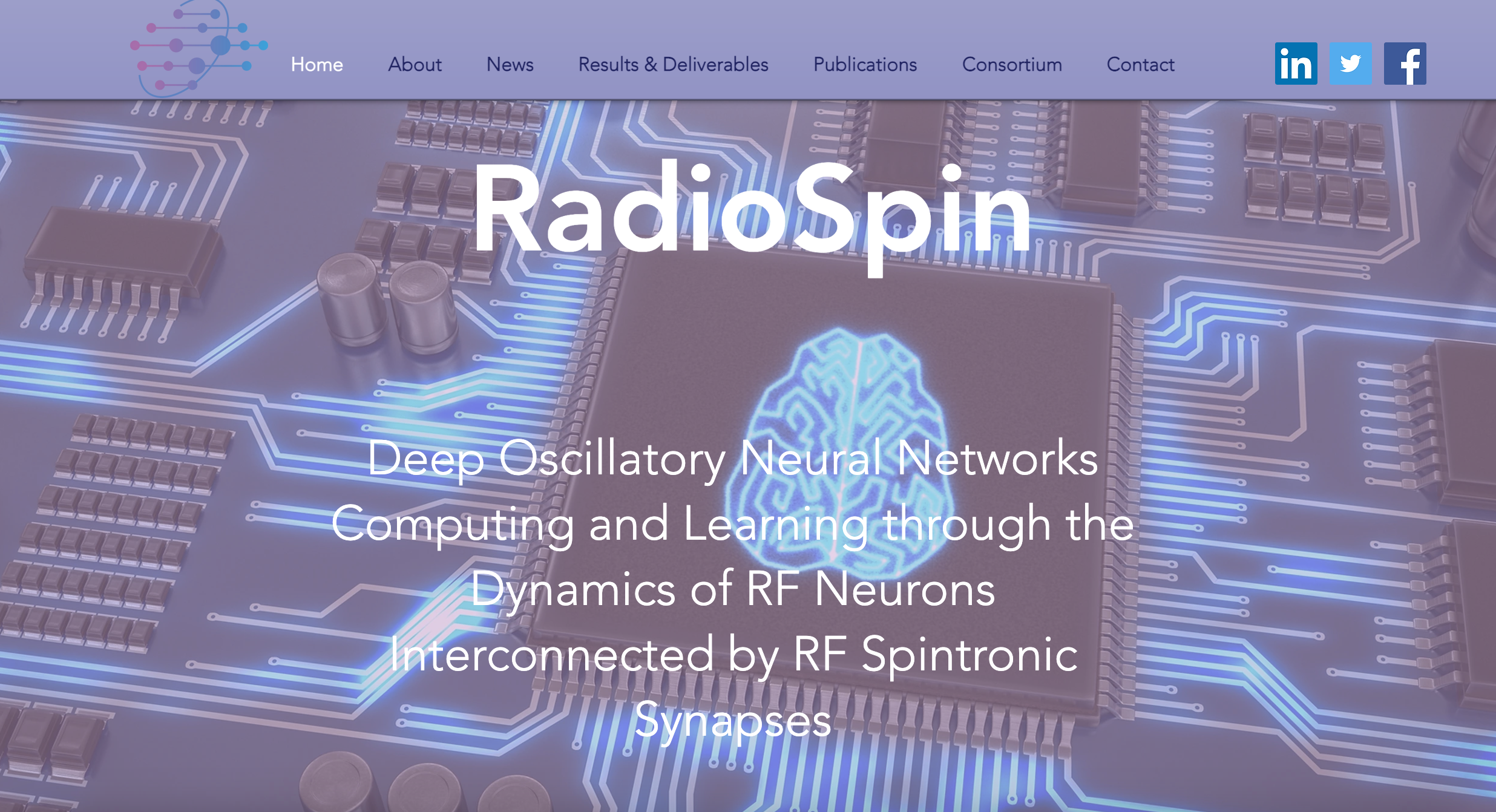
Deep learning, a type of machine learning, is inspired by the structure of the human brain. It uses artificial neural networks to perform sophisticated computations on large amounts of data. The EU-funded project RadioSpin combines deep learning and nanotechnology to process radio-frequency signals.
Currently, radio-frequency signals are brought to lower frequencies and digitised before being analysed. However, this digitisation is computationally heavy, consumes a high amount of power and generates vast amounts of data. Bypassing digitisation would provide significant gains in time, energy and area. RadioSpin will contribute to minimising the environmental impact linked to the increasing amount of electricity consumed by Information and Communications Technologies.
The goal of the RadioSpin project is to build hardware based on a neural network that is able to compute using neural dynamics (brain), that has a deeply layered architecture (neocortex), but runs and learns faster, by seven orders of magnitude.
Our team is using ultrafast radio-frequency oscillators to mimic the dynamics of biological neurons and we are also developing a new type of nano-synapses, based on spintronics technology, that directly processes the radio-frequency signals sent by neurons. Additionally, INL – International Iberian Nanotechnology Laboratory is building a lab-scale prototype that integrates these nano-synapses with CMOS. CMOS stands for a complementary metal oxide semiconductor and is one of the most popular technologies in the computer chip design industry, such as computer memories and mobile phones.
Artificial neural networks offer a new path for radio-frequency signal analysis. The results obtained in this project will open up new opportunities for deep machine learning applications, such as biomedical applications, telecommunications, transportation, and education.
RadioSpin is an interdisciplinary project bringing together six partners, which have a successful track record of collaborations together and have complementary expertise: INL – International Iberian Nanotechnology Laboratory, Université de Bordeaux (UBx), CNRS, Umbria Bioengineering Technologies (UBT), Thales, and Eurida.
FODIAC, foods for diabetes and cognition
According to the International Diabetes Federation, it is estimated that 8.5% of the European population aged between 20 and 79 years have type 2 diabetes (over 56 million Europeans).
Recent studies found evidence that type 2 diabetes predisposes to cognitive decline and has a strong association with dementia, which is one of the biggest causes of disability among older adults.
Good nutrition can improve human health, delaying or preventing the risk of developing age-related disorders such as vascular damage, type 2 diabetes, or cognitive dysfunction.
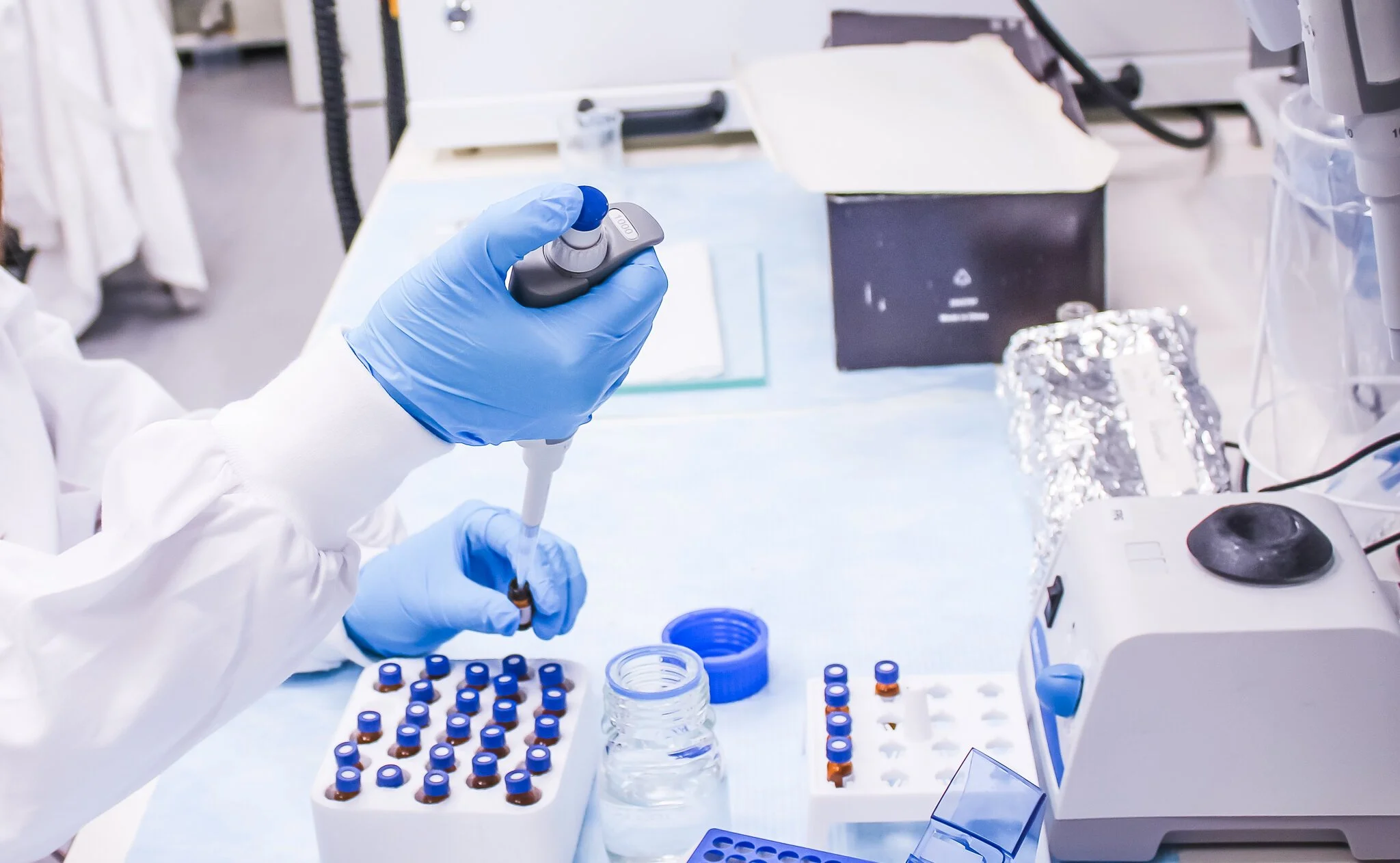
The project FODIAC aims to develop an integrative dietary approach to tackle type 2 diabetes and the associated cognitive impairment. Our researchers are developing technologies for the extraction and formulation of functional foods. More specifically, at INL we are encapsulating antioxidants and bioactive extracts, naturally found in plants, to improve their stability and bioavailability in foods. Using nanotechnology, the research team is working towards enriched and better-quality foods for the elderly population.
Additionally, the project FODIAC promotes international and multidisciplinary cooperation among all the stakeholders along the Food Value Chain, in order to improve the quality of Research & Innovation in Europe.
FODIAC is composed of a strong consortium with 7 academic and 8 non-academic partners, from 5 different countries, that provide expertise in extraction and purification of bioactive molecules, nanotechnology, nano- and micro-encapsulation, toxicology, nutrition, biomarkers, and clinical trial management.
Next Page » « Previous Page -->According to the International Diabetes Federation, it is estimated that 8.5% of the European population aged between 20 and 79 years have type 2 diabetes (over 56 million Europeans).
Recent studies found evidence that type 2 diabetes predisposes to cognitive decline and has a strong association with dementia, which is one of the biggest causes of disability among older adults.
Good nutrition can improve human health, delaying or preventing the risk of developing age-related disorders such as vascular damage, type 2 diabetes, or cognitive dysfunction.
The project FODIAC aims to develop an integrative dietary approach to tackle type 2 diabetes and the associated cognitive impairment. Our researchers are developing technologies for the extraction and formulation of functional foods. More specifically, at INL we are encapsulating antioxidants and bioactive extracts, naturally found in plants, to improve their stability and bioavailability in foods. Using nanotechnology, the research team is working towards enriched and better-quality foods for the elderly population.
Additionally, the project FODIAC promotes international and multidisciplinary cooperation among all the stakeholders along the Food Value Chain, in order to improve the quality of Research & Innovation in Europe.
FODIAC is composed of a strong consortium with 7 academic and 8 non-academic partners, from 5 different countries, that provide expertise in extraction and purification of bioactive molecules, nanotechnology, nano- and micro-encapsulation, toxicology, nutrition, biomarkers, and clinical trial management.