Today, February 11, in the “International Day of Women and Girls in Science, we highlight a simple equation: More women and girls in science equals better science,” said UN Secretary-General António Guterres. It’s an important day for promoting equitable access for women and girls in the fields of Science, Technology, Engineering and Mathematics (STEM).
Education research clearly shows that there is tremendous value in having scientists connect with students. When students see that scientists are real people like themselves, they are more likely to participate in science and consider science careers. And by actively promoting science in our everyday lives will empower our children to make informed decisions in the future.
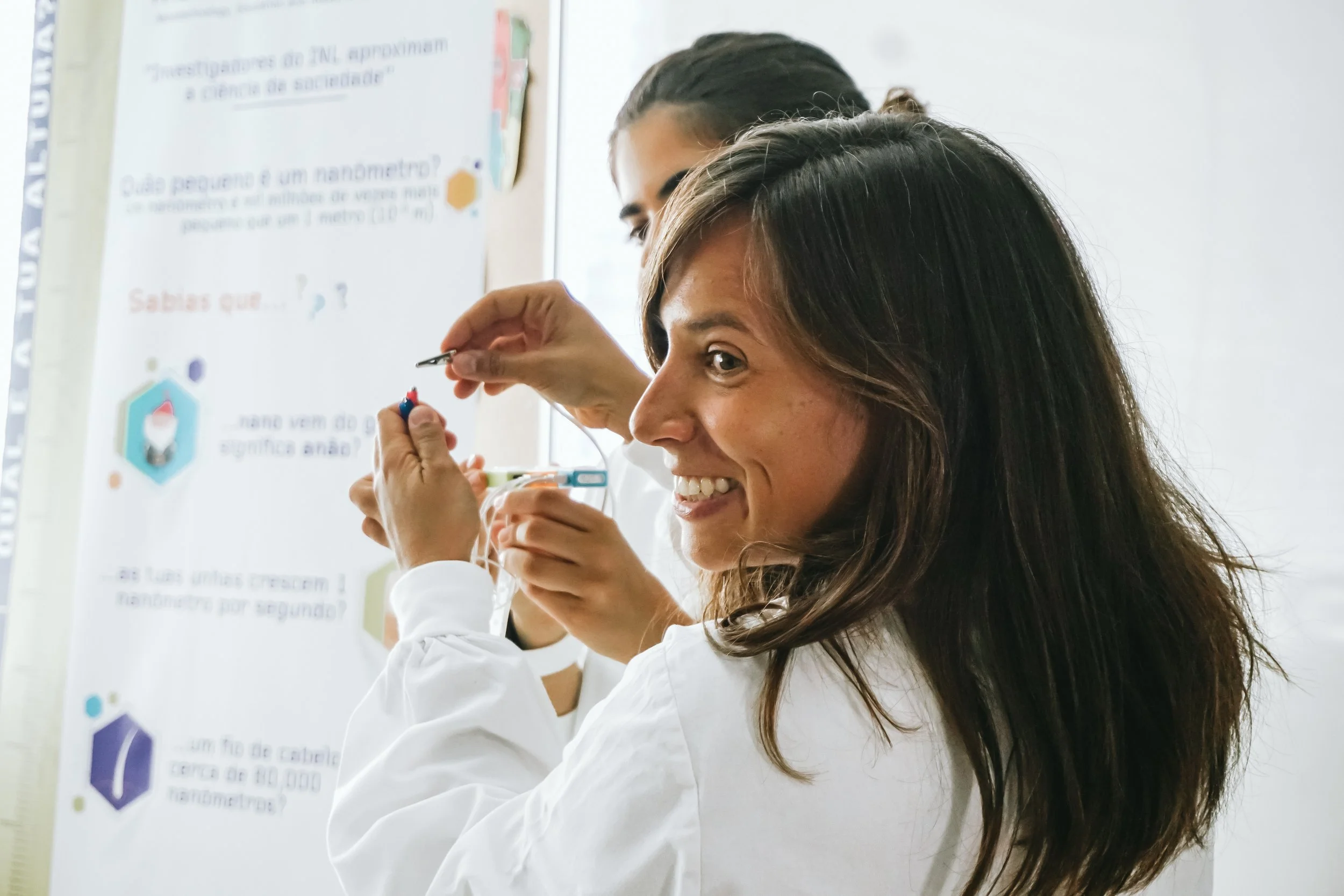
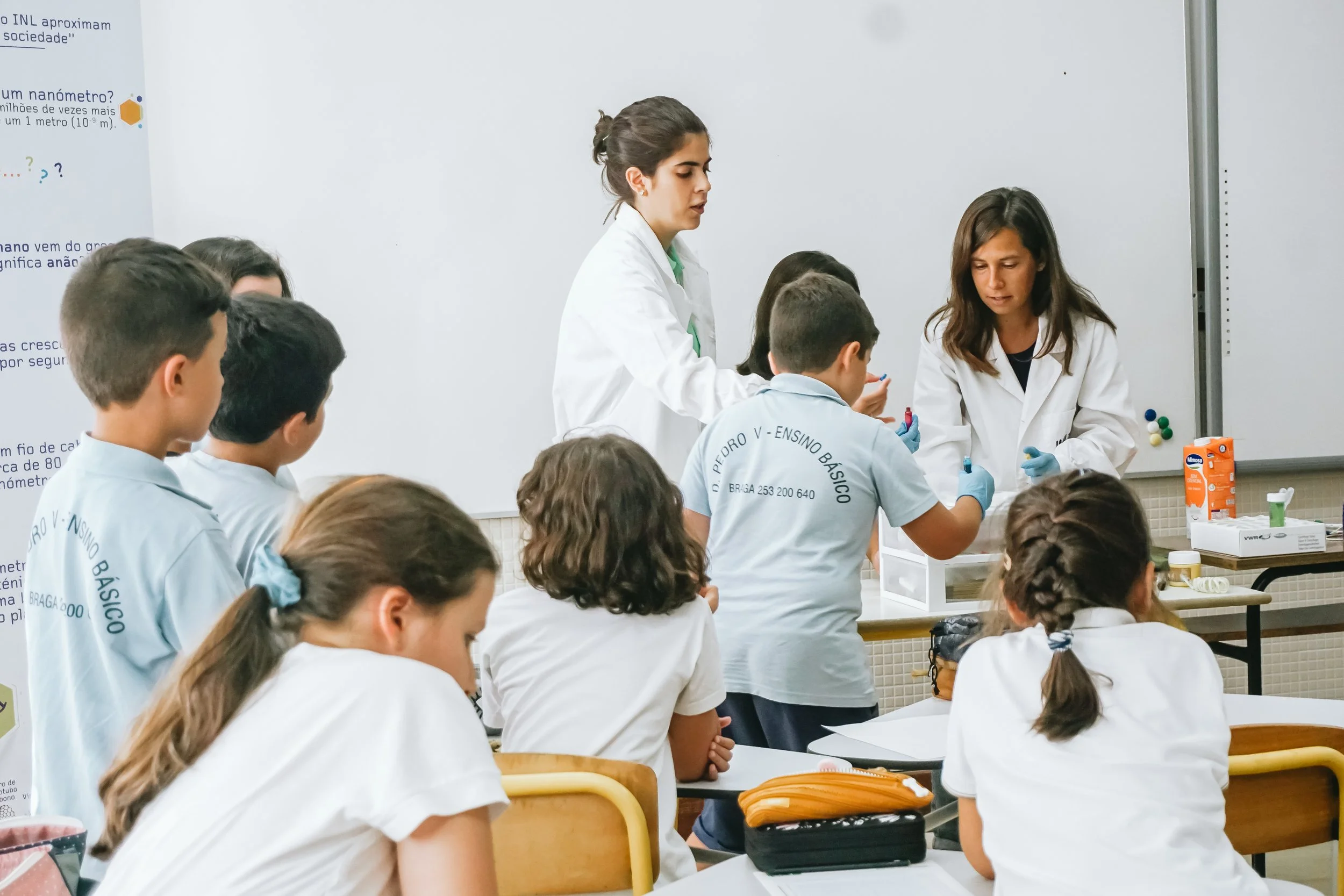
Taking part in the International Day of Women and Girls in Science celebrations and the European Researchers’ Night 2023 initiative, yesterday, female researchers working at INL – International Iberian Nanotechnology Laboratory visited Escola Básica nº 2 de Lamaçães and showcased to the inspiring and interested students what science is all about. During this visit, we counted the participation of the Research Group Leader Begoña Espiña, Research Fellow Bruna Alves, PhD student Sara Resende and the Science Communicator Catarina Moura.
We also take this special day to thank all the women working at INL – International Iberian Nanotechnology Laboratory. Thank you all for making science a journey of enchantment, mystery and discovery. Thank you for your constant work in making INL a more equitable, diverse and inclusive place. Today we celebrate you, your empowerment and your achievements. You are all true role models, never stop being who you are.
And stay tuned, in the upcoming weeks we will shine a spotlight on women in STEM with a new interview series with Women working in/with Science at INL. It’s important to celebrate the amazing contributions women make in science. Happy #WomeninScience day to all.
António Vilanova, seeking urgent solutions that guarantee current life quality standards
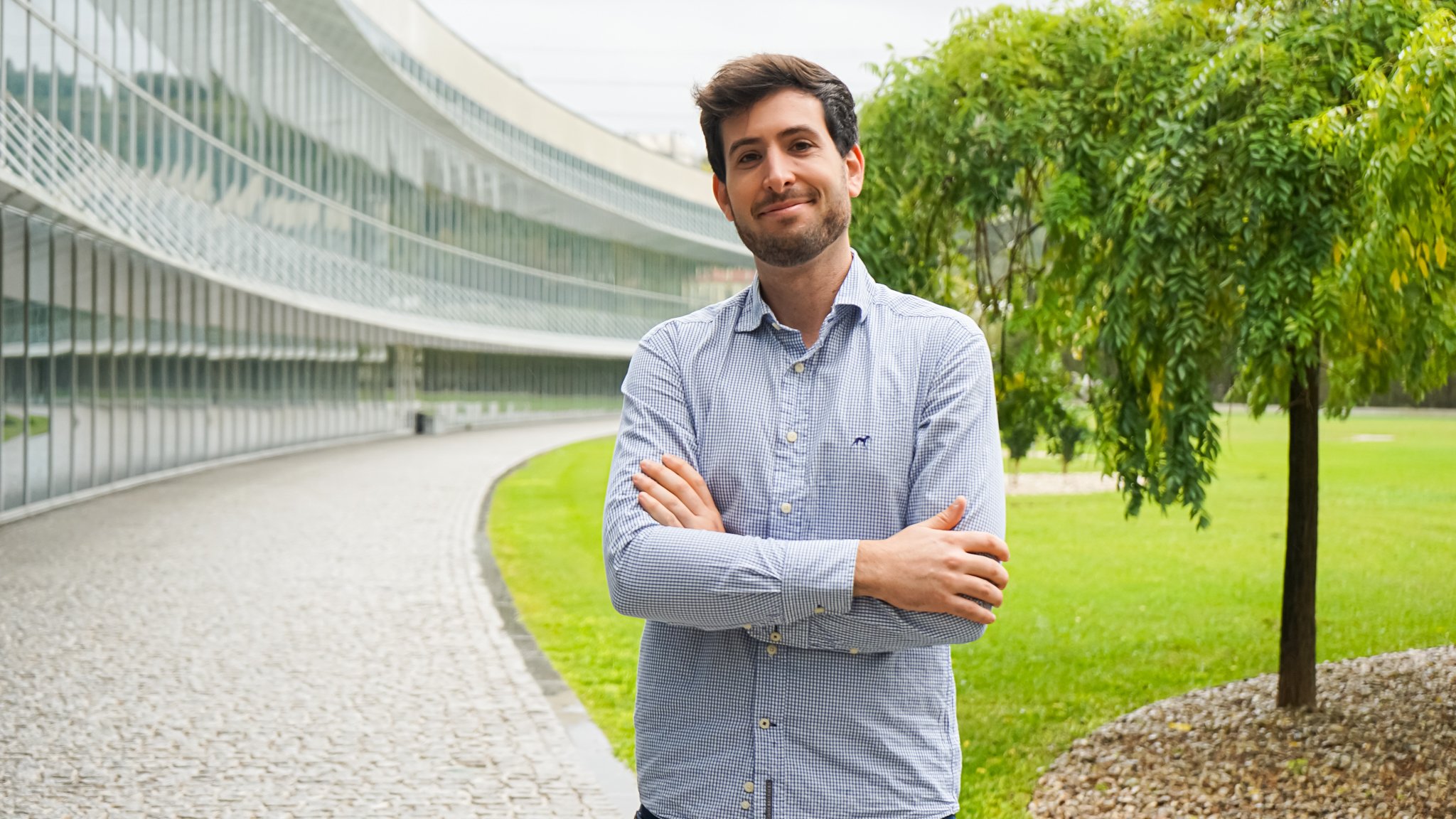
Meet António Vilanova, Research Fellow working on the Nanofabrication Optoelectronic Application’s Research Group at INL – International Iberian Nanotechnology Laboratory.
António obtained an MSc Degree in Environmental Engineering, in 2014, from the Faculty of Engineering of the University of Porto (FEUP), being awarded a Scholarship for Exceptional Academic Merit. In 2016, António was awarded a competitive individual FCT fellowship to carry on his PhD studies in chemical and biological engineering at FEUP. He obtained his PhD degree in February 2021. During his PhD work, he performed short research stays at the German Aerospace Centre (DLR) in Cologne, Germany, and he communicated his work at 5 international conferences. Between 2014 and 2017, António was responsible for FEUP’s activities within the EU Project PECDEMO.

What distinguishes the science at INL from your experience at the University?
As stated in the INL mission, the goal here is to explore interfaces, therefore, I think that science at INL aims at a wider universe of applications. Arising from its unique characteristics, INL has a close relationship with many different institutions – companies, universities and other research centres, something that at University is not so easy to materialize.
Still, in my particular case, coming from an engineering field, at university I always worked with a practical application in mind for the scientific advances that we were developing, but I think INL broadens this view, mainly because there is a common basis for the work that is being developed, which is nanotechnology, something truly transversal in the 21st century, which triggers the interest of end users from numerous fields of expertise. Also, since all INLers share the same floor, which is nanotechnology, there is closer cooperation between research groups, and a better sharing of knowledge, something that, given the size of universities, is often more difficult to achieve. Besides, I see at INL a closer engagement with other dimensions of society, namely with the artistic world, which, in my opinion, is essential, providing scientific work with a totally different perspective. Deep down, art makes us a question, think, and many times interrogate the theoretical foundations that rule our daily lives and, in a way, isn’t it what science should do too?

What inspired you to pursue the development of new scientific and technological solutions based on renewable sources?
The key motivation behind my scientific work, and academic career, has always been sustainable development. I sincerely believe that society will not change its consumption habits or daily routines just for the sake of the environment. Even with all the warnings – mass migrations, intense hurricanes, severe and prolonged droughts, and the rising of global temperatures, among others, energy consumption has never stopped increasing, as well as industrial production.
With this premise, I believe that science must seek urgent solutions that guarantee current life quality standards, and also ensure those standards for future generations, while minimizing the impact on the environment as much as possible, both in terms of pollution and consumption of natural resources. I became particularly interested in the topic of energy production because social, economic and industrial development is based on it, simple as that. As the global energy demand is planned to continue increasing, it becomes imperative to raise the share of renewables in the energy mix.
At the same time, the recent brutal rise in energy prices has demonstrated how important energy resilience and independence are, especially for European countries, where imports of fossil fuels remain a heavy burden. Therefore, I believe that if we manage to produce and store energy in a clean and sustainable way, we will surely take a giant step towards sustainability.

Any advice for students considering a career in science?
Love what you do. I think that the great advantage of working in science is that you can really work on the edge of knowledge, either by developing new materials, products, or processes, which will allow the true exploration of creativity, proactivity and critical thinking.
Undoubtedly, these skills are amplified if you are passionate about what you do. Of course, commitment and dedication are essential, and scientific work implies rigour, ethics and a lot of effort, but when you enjoy your work, good results come naturally.
Indeed, in science, a bad result can be also a good result. By sharing knowledge on why a certain direction is not the way to go, we are preventing other scientists from making the same mistake, and thus contributing to the scientific community to advance as a whole. Therefore, the main advice I give to students that might consider a scientific career is to always keep an open mind, don’t be afraid of the unknown, and pursue what really intrigues you, what arouses your curiosity and your will to learn and discover more.
What sparked your interest in science communication? What made you so passionate about it?
For me, science only makes sense if it is closely linked to society. In other words, scientific advances must be at the service of a more advanced, more egalitarian and, above all, more humane society. This was clearly demonstrated during the Covid-19 pandemic, where science, in an unprecedented collaborative effort, played a crucial role in getting us back to normality so quickly. That’s why it doesn’t make sense to develop science in a language that only scientists understand, otherwise, it misses the whole fun of it.
And one of the reasons I love to participate in school visits at INL and to participate in multidisciplinary conferences is that I have the opportunity to communicate my work to a broader audience. I feel that this is the link that bonds my work with society in general and with future generations.
The message only gets through if we use simple and appealing language. Of course, I am not saying that anyone should be able to interpret complex formulas or calculations, but rather relevant scientific advances must be transposed to society in a way that everyone can easily understand. For example, one of the most prestigious scientific journals – Nature, only publishes succinct articles written in simple and clear language, one that any citizen can appreciate.
Leonardo da Vinci once said, “Simplicity is the ultimate level of sophistication”, and I totally agree.
INL participated in the the International Science Festival – FIC.A 2022, in Oeiras

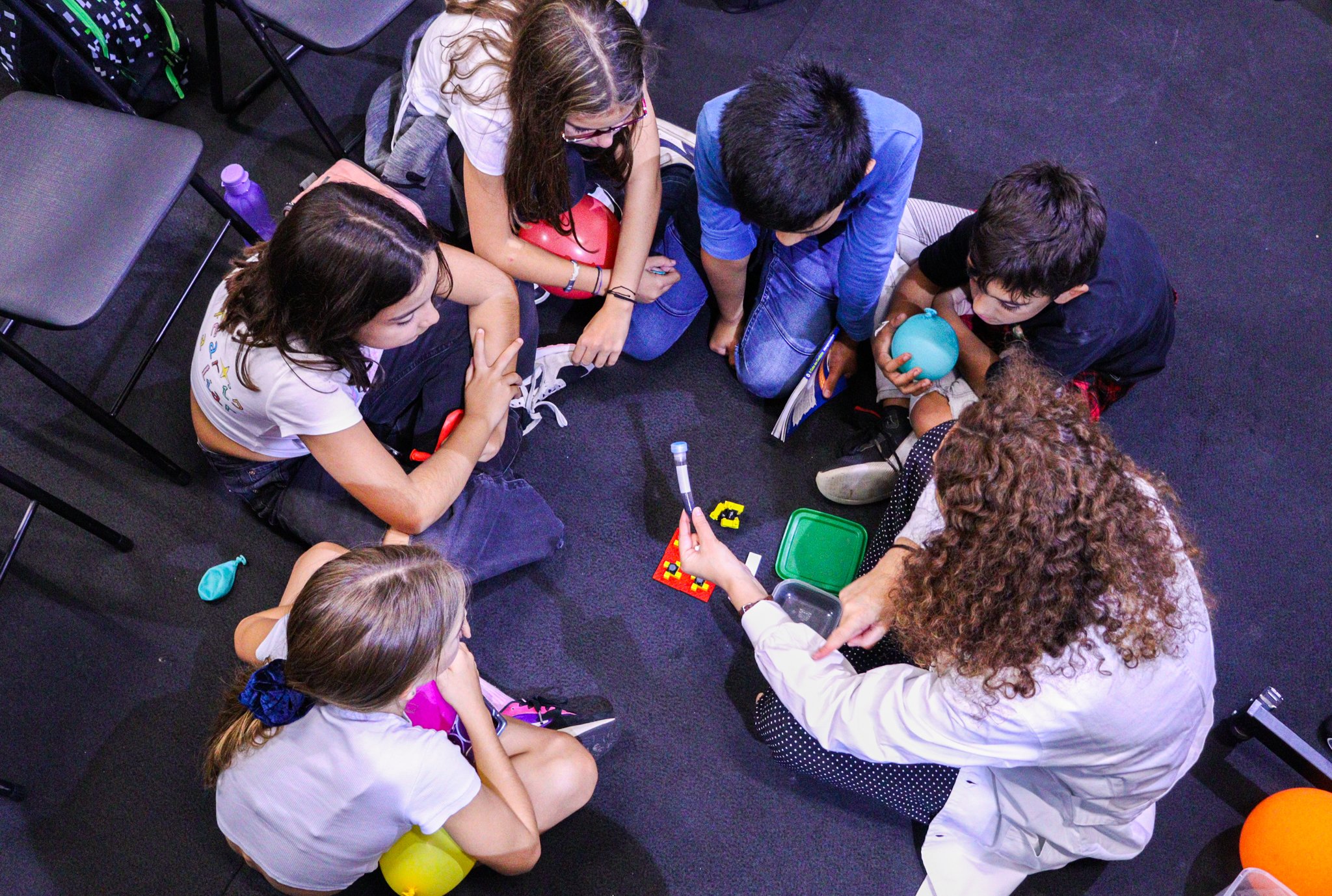
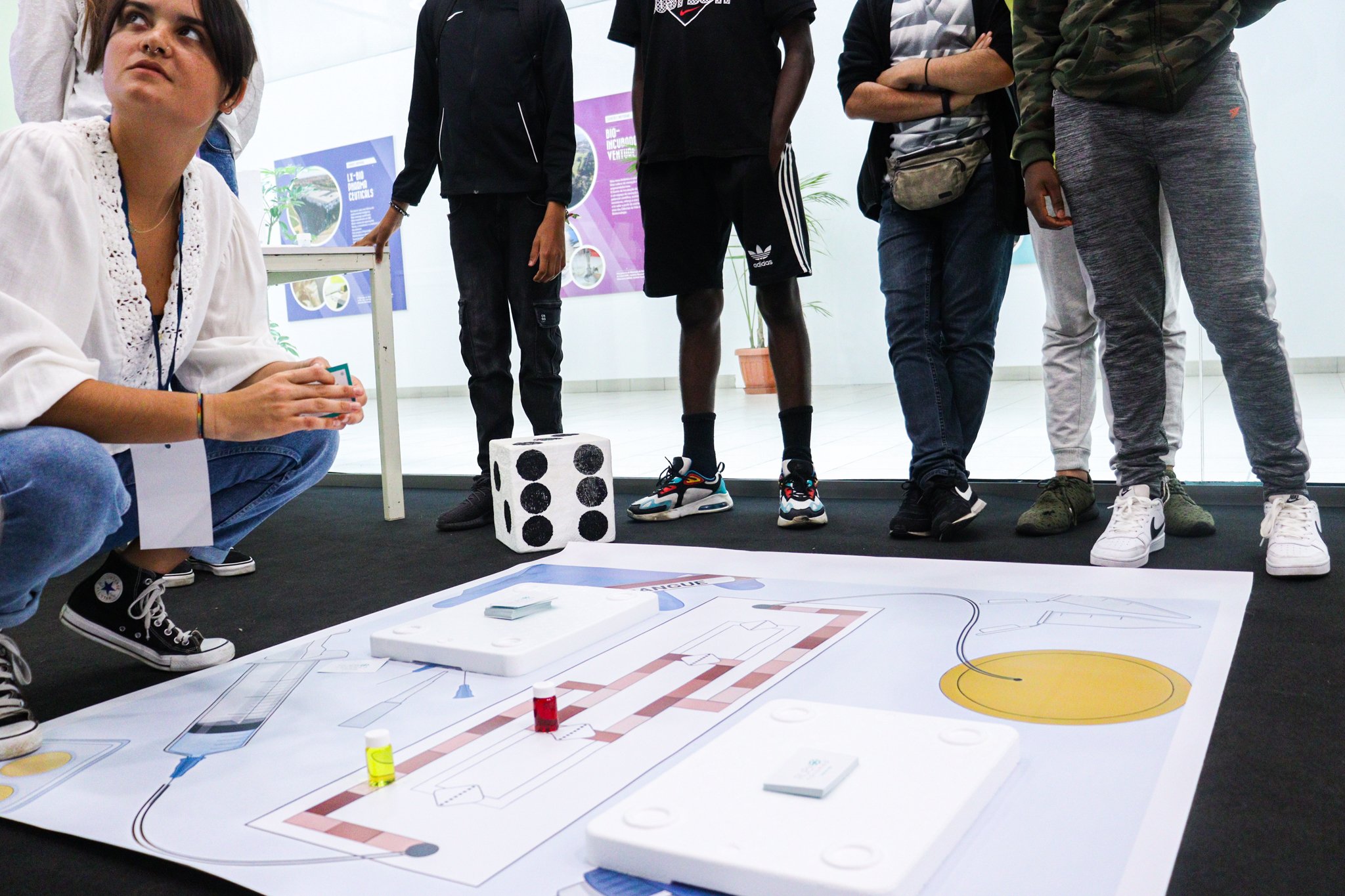
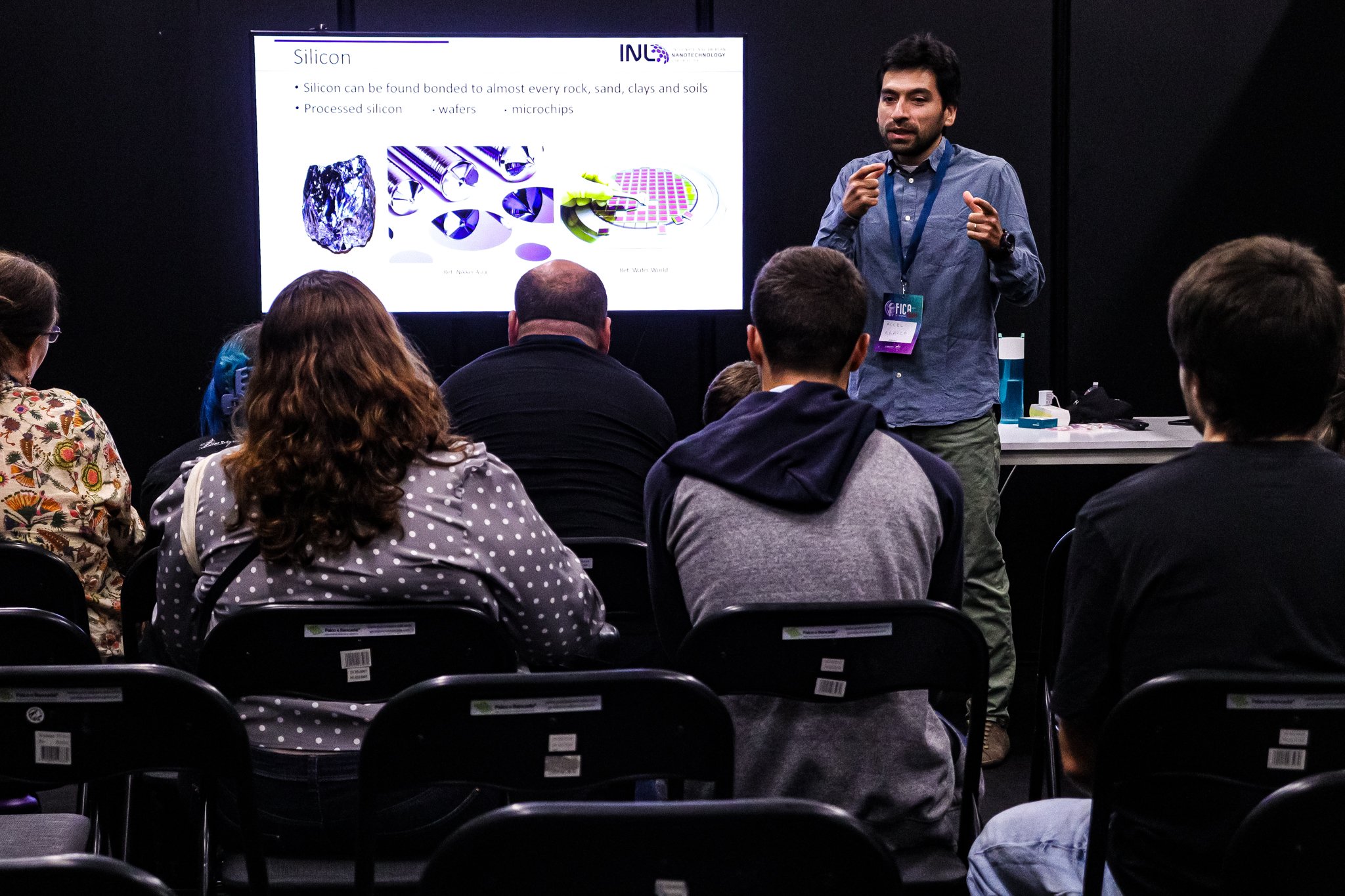
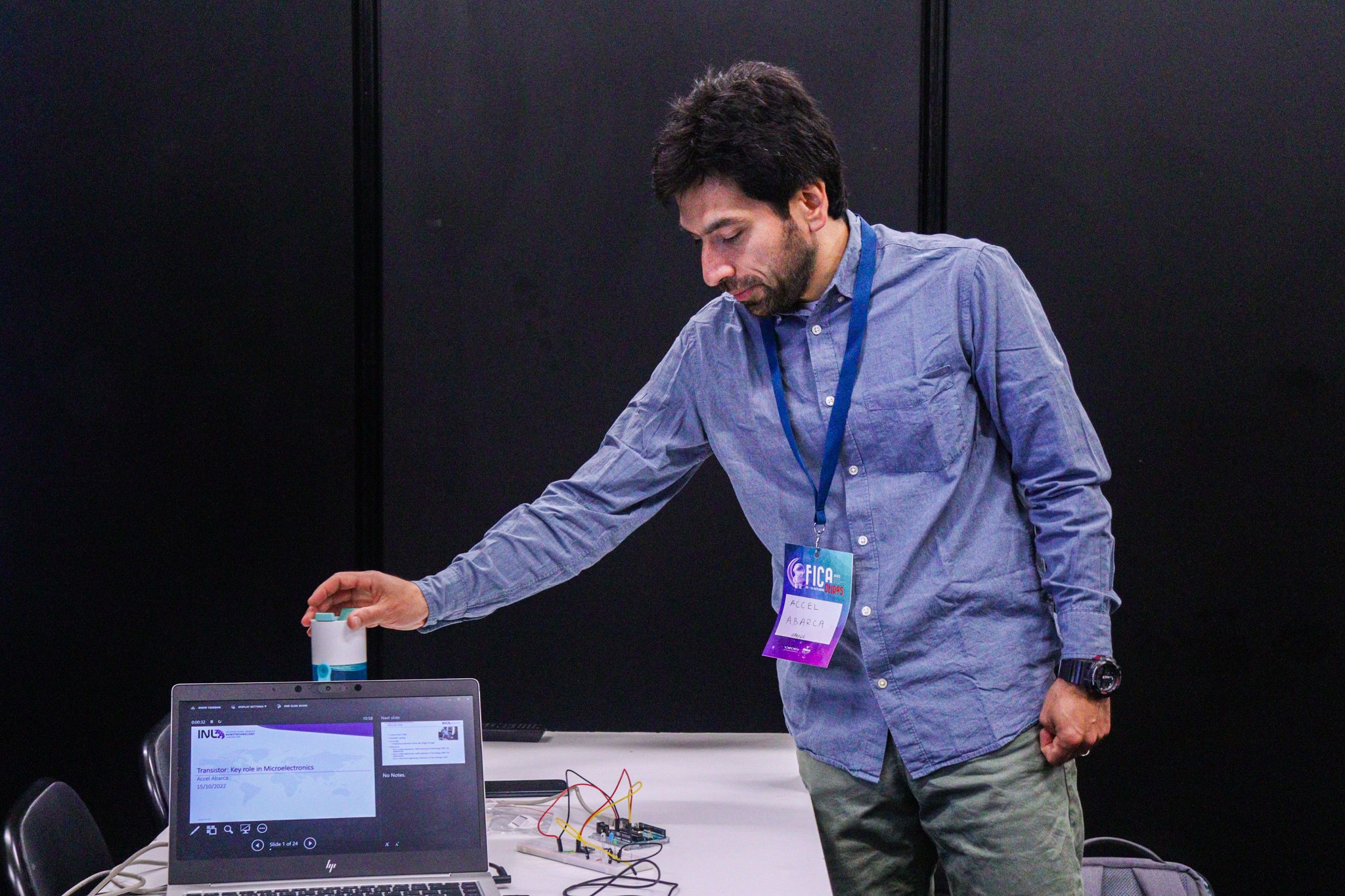
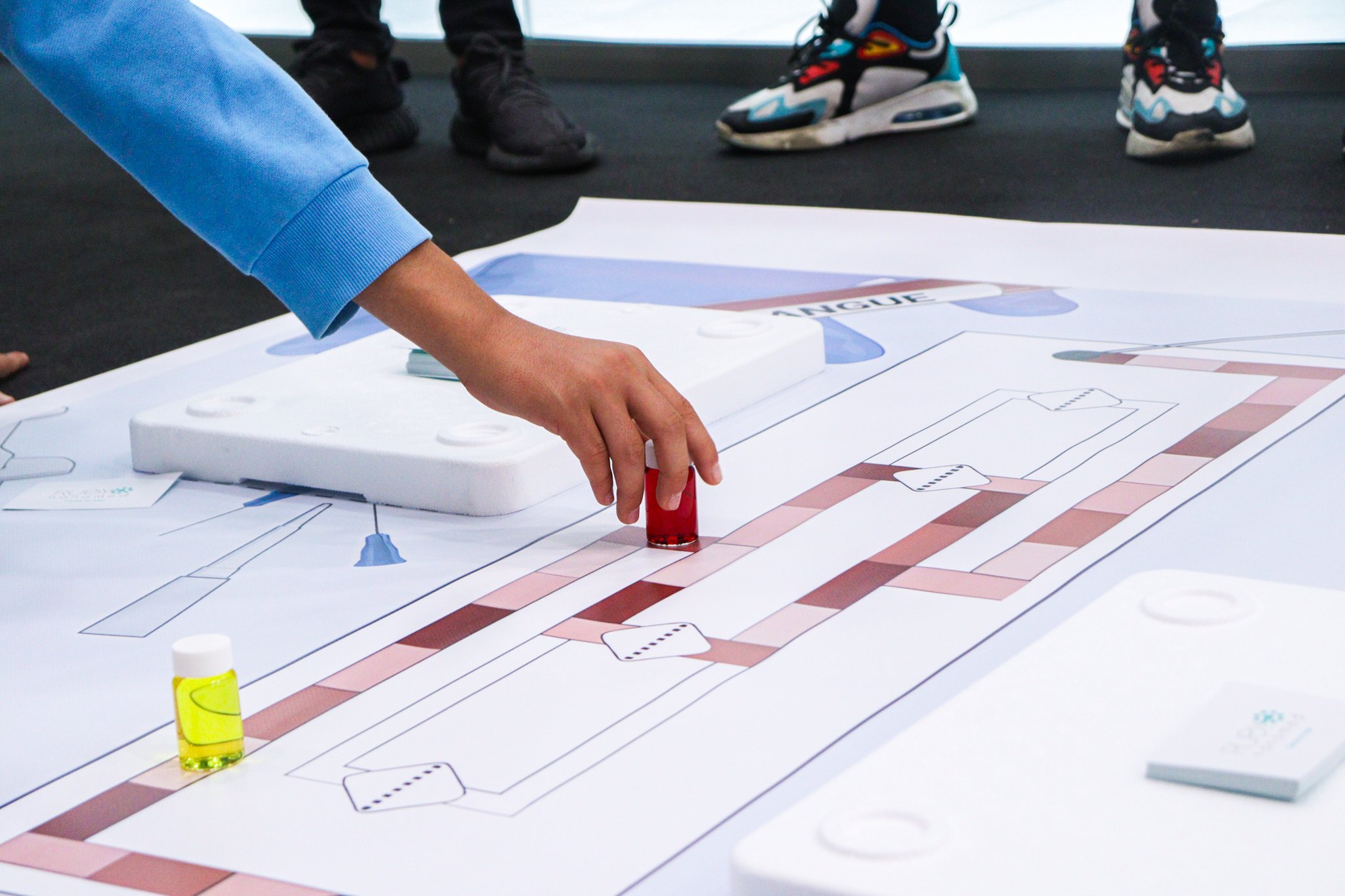
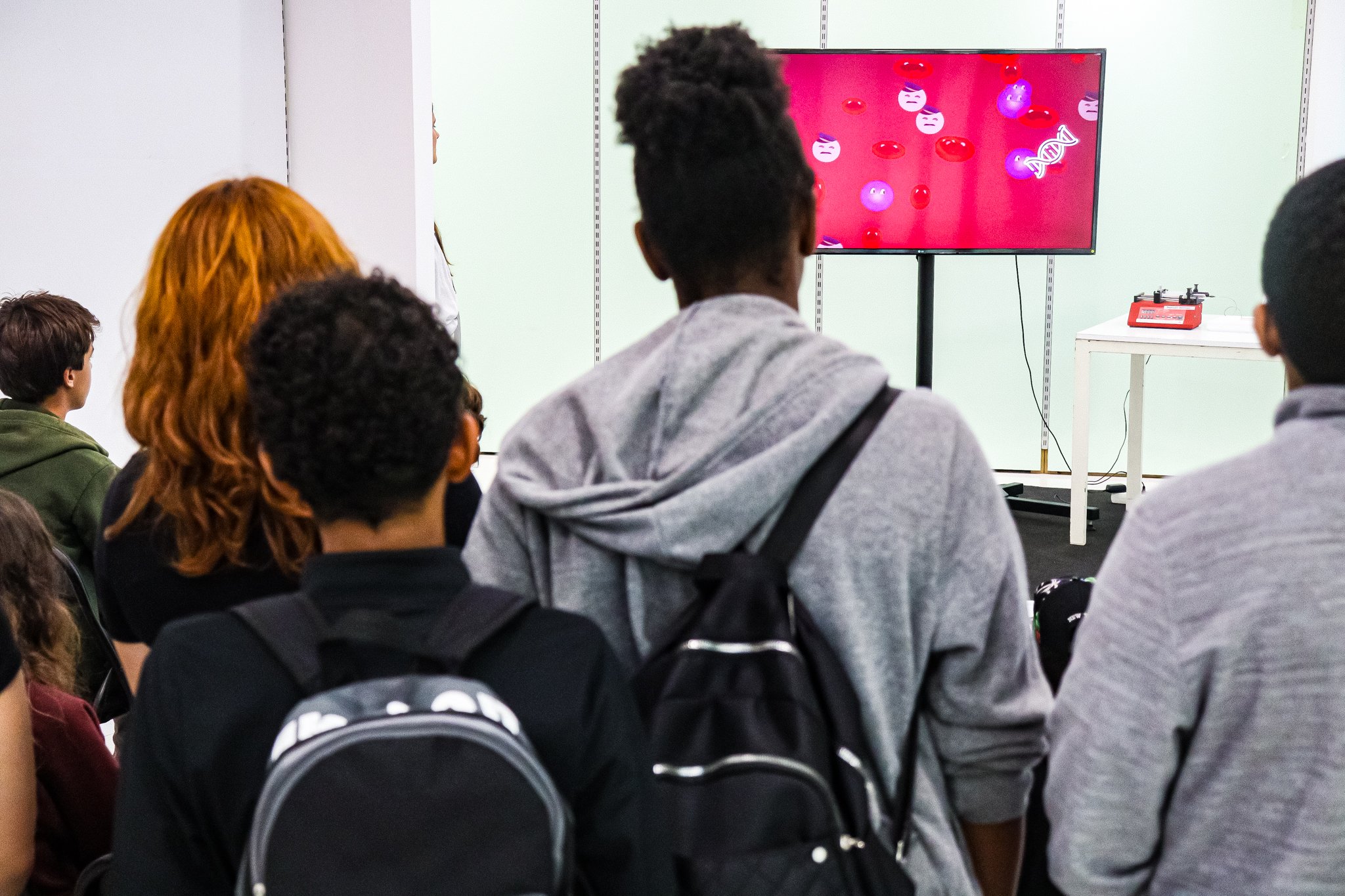
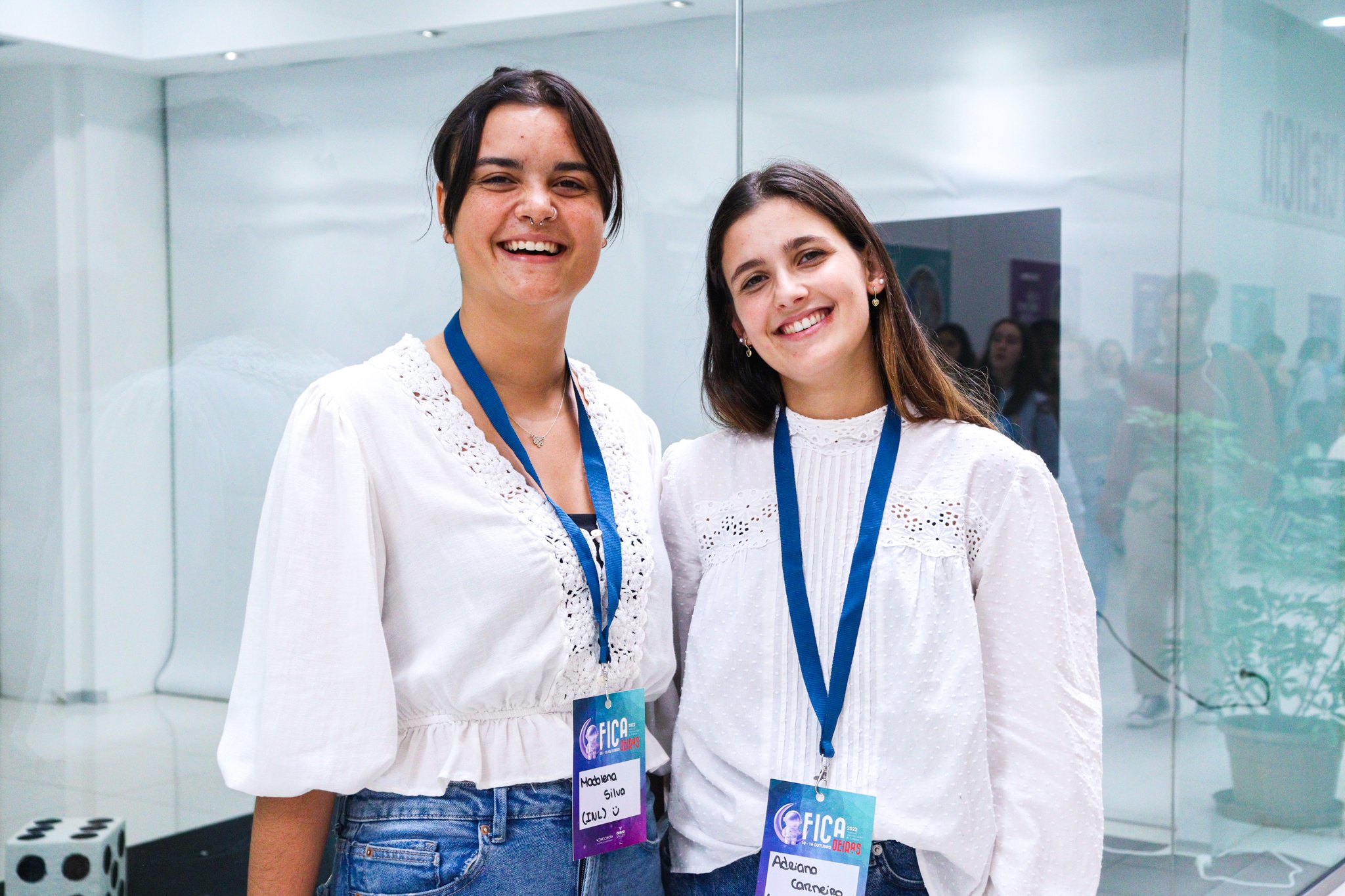
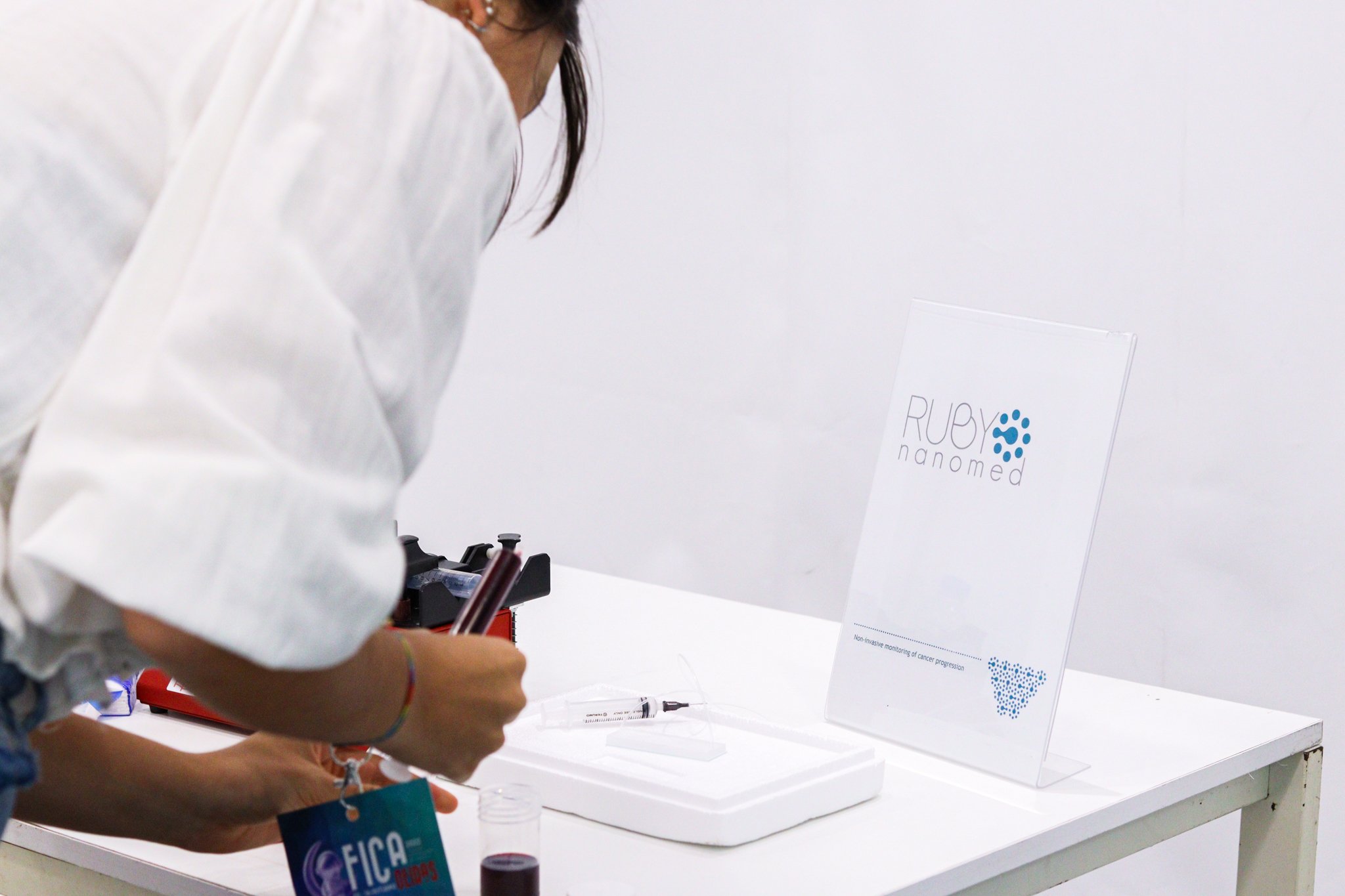
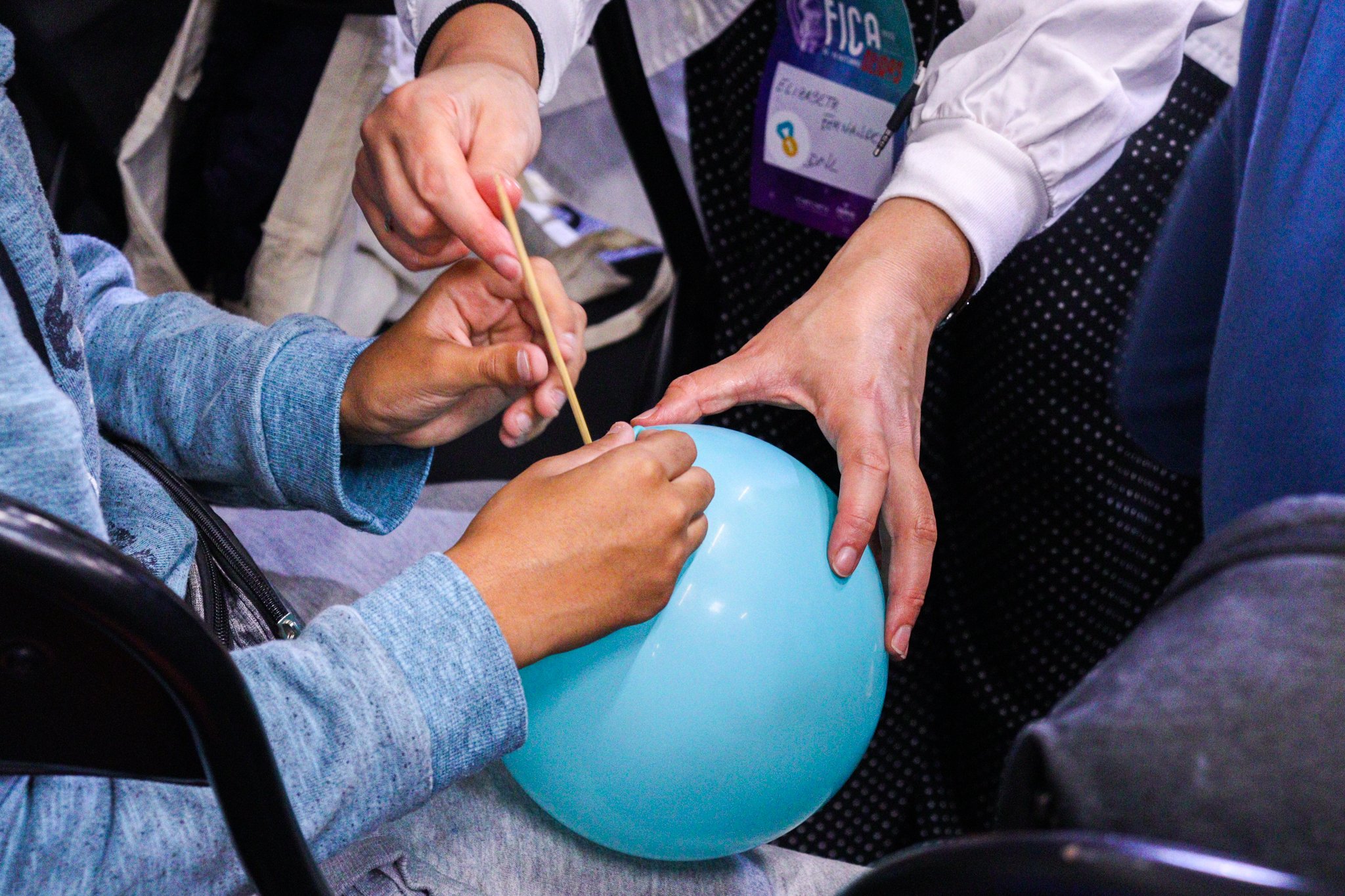
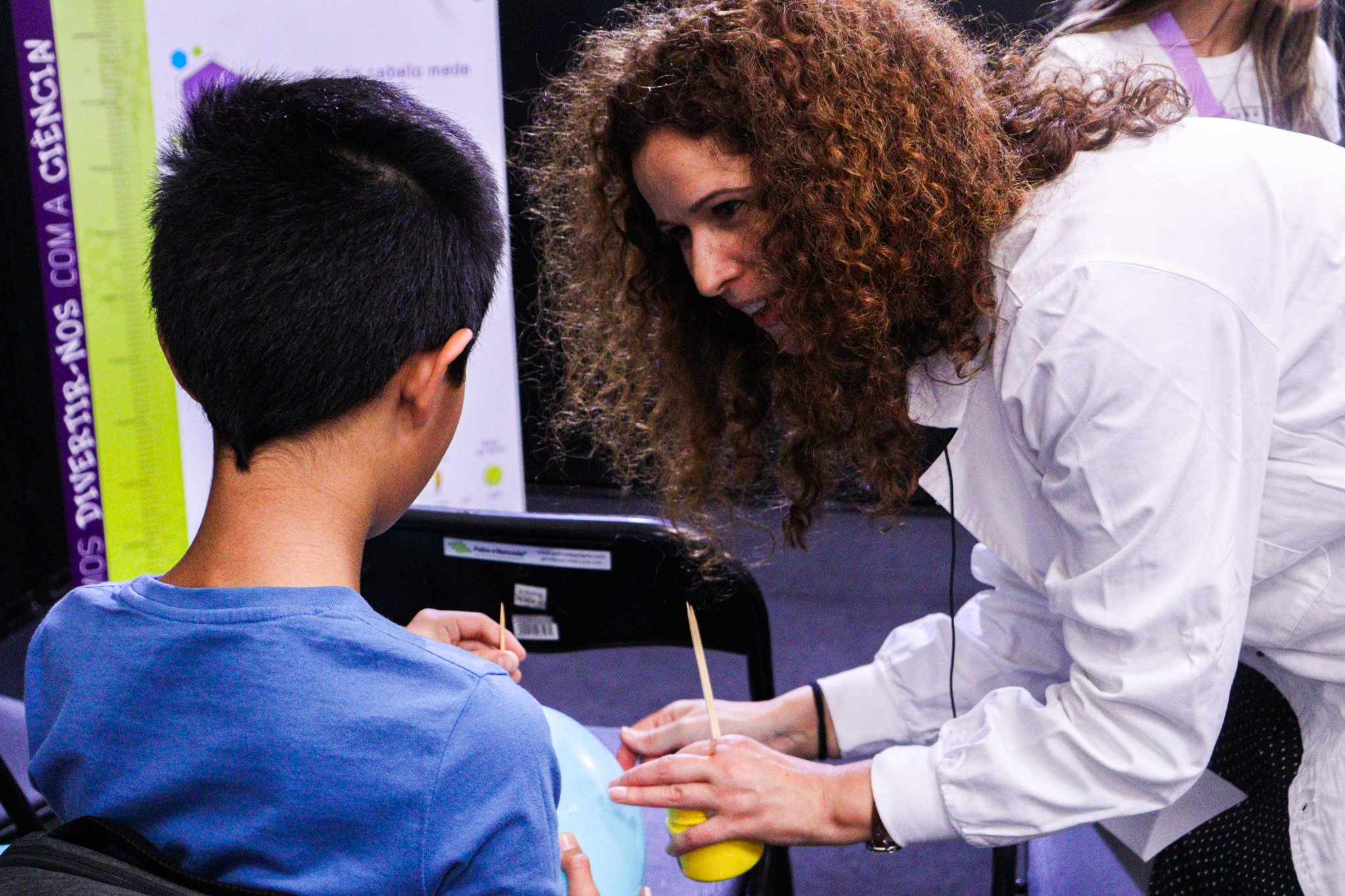
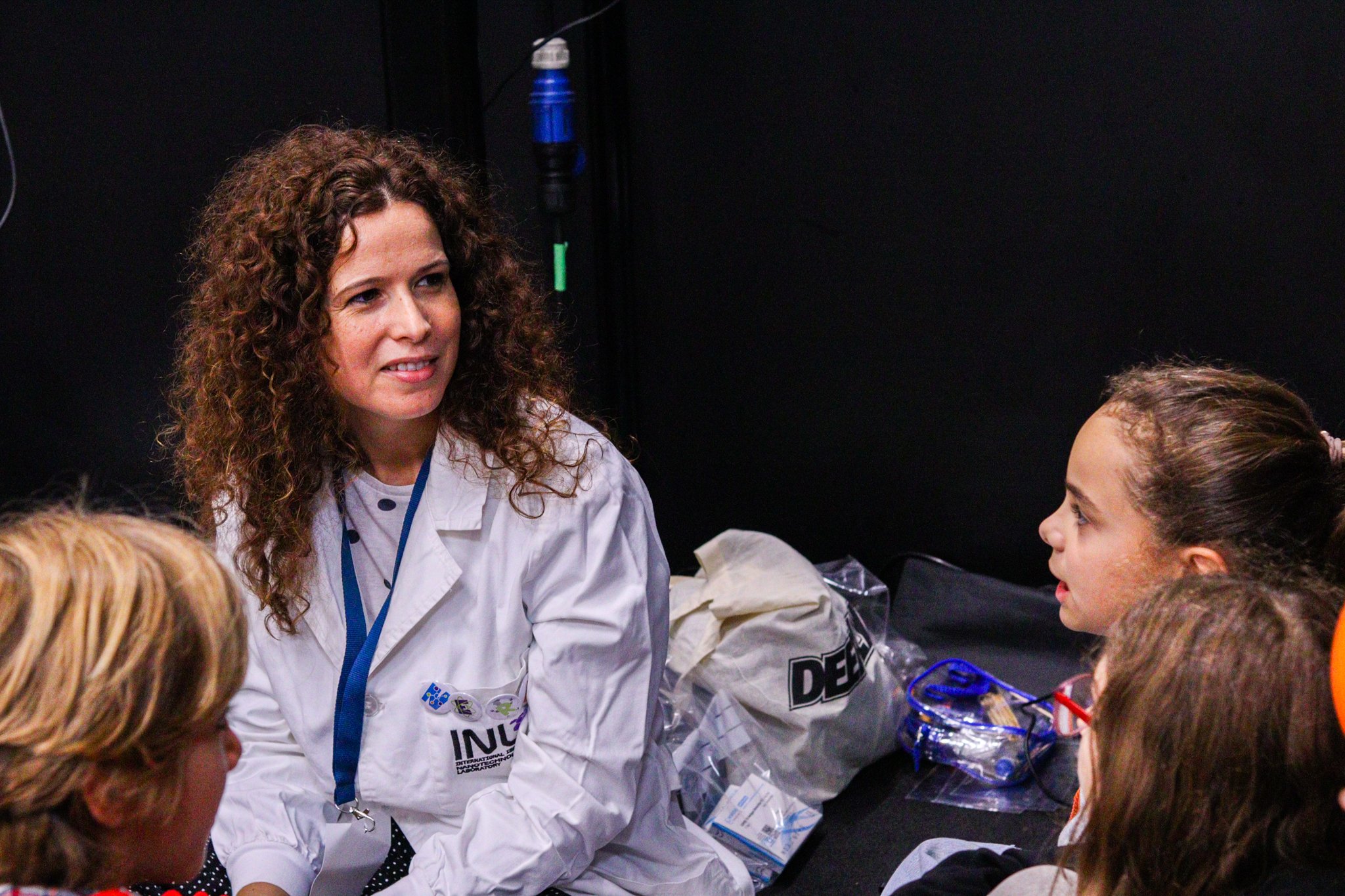
Last week, INL participated in FIC.A, which took place between October 10-16 at the Hub-ACT (Art, Science & Technology), a future incubation centre for creative industries in Oeiras, Portugal.
The International Science Festival – FIC.A was created in 2021 to innovate, disrupt stereotypes and establish a new reality that would fascinate those who, for some reason, are not connected to the world of science and technology.
During 7 days, the mission of FIC.A was to inspire and capture the attention of children and adults, create new audiences for science and use art to communicate exciting science and technology. There was an inspiring program of events, full of exciting opportunities to engage the audience.
The school program welcomed over 18.500 students over 5 days. INL researchers designed an interactive game about liquid biopsy, microfluidics and cancer and participated in fun demonstrations about nanotechnology and sensors. During the weekend, the program was filled with playful science explorations, including a science-inspired cultural program. INL prepared a hands-on workshop about transistors, participated in the ‘Conversations with authors’ session, a friendly set-up to talk about the Multicultural community at INL, and participated in a poetry reading gathering with poems written by an INL researcher.
INL team, together with over 100 academic, scientific, technological, diplomatic, governmental and non-governmental entities, joined FIC.A 2022 to bring to life the science that surrounds us, to encourage us to read about science, and understand and realise that science is behind everything.
INL highlights the impact of research on our daily lives at the European Researchers’ Night 2022
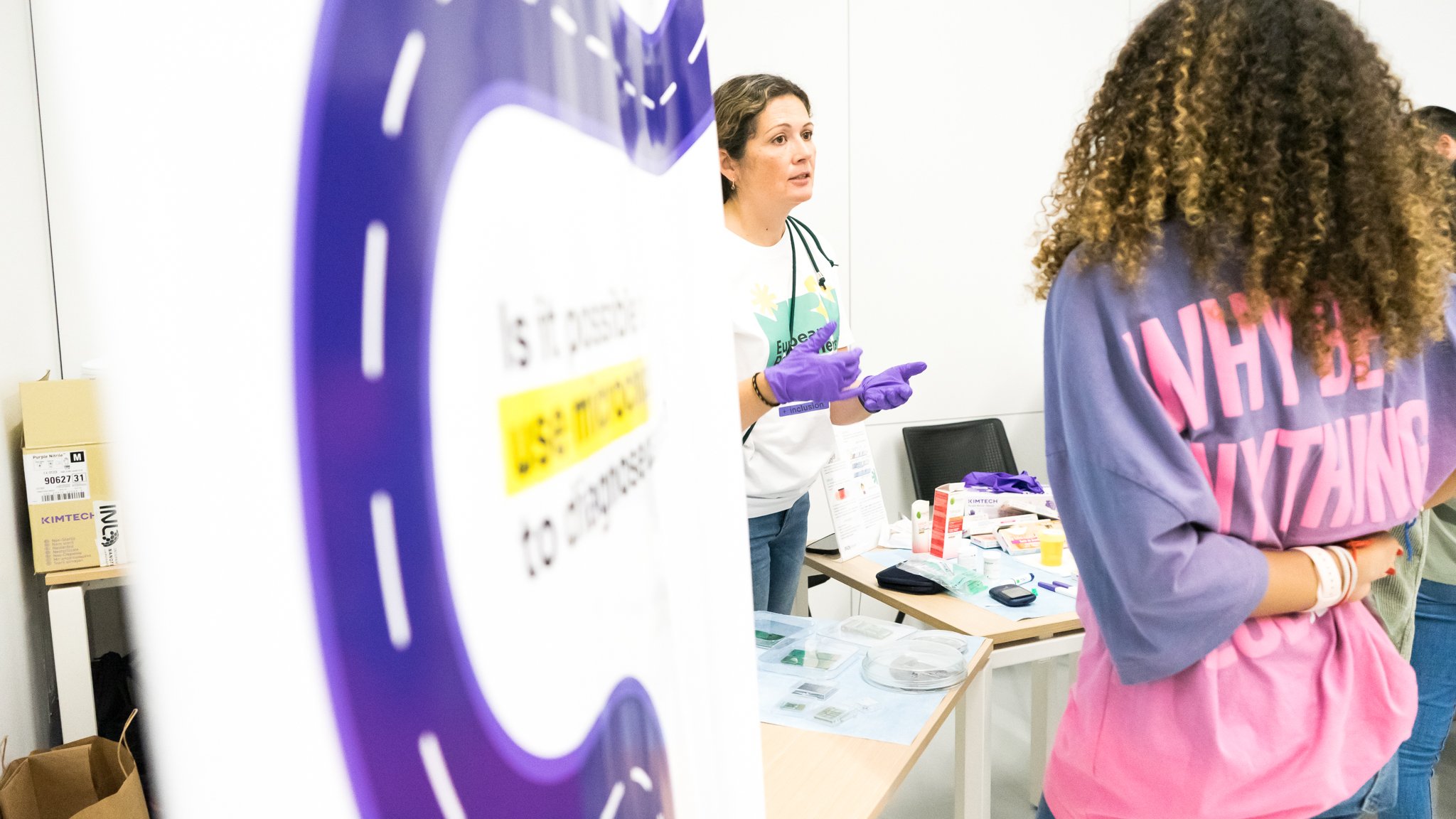
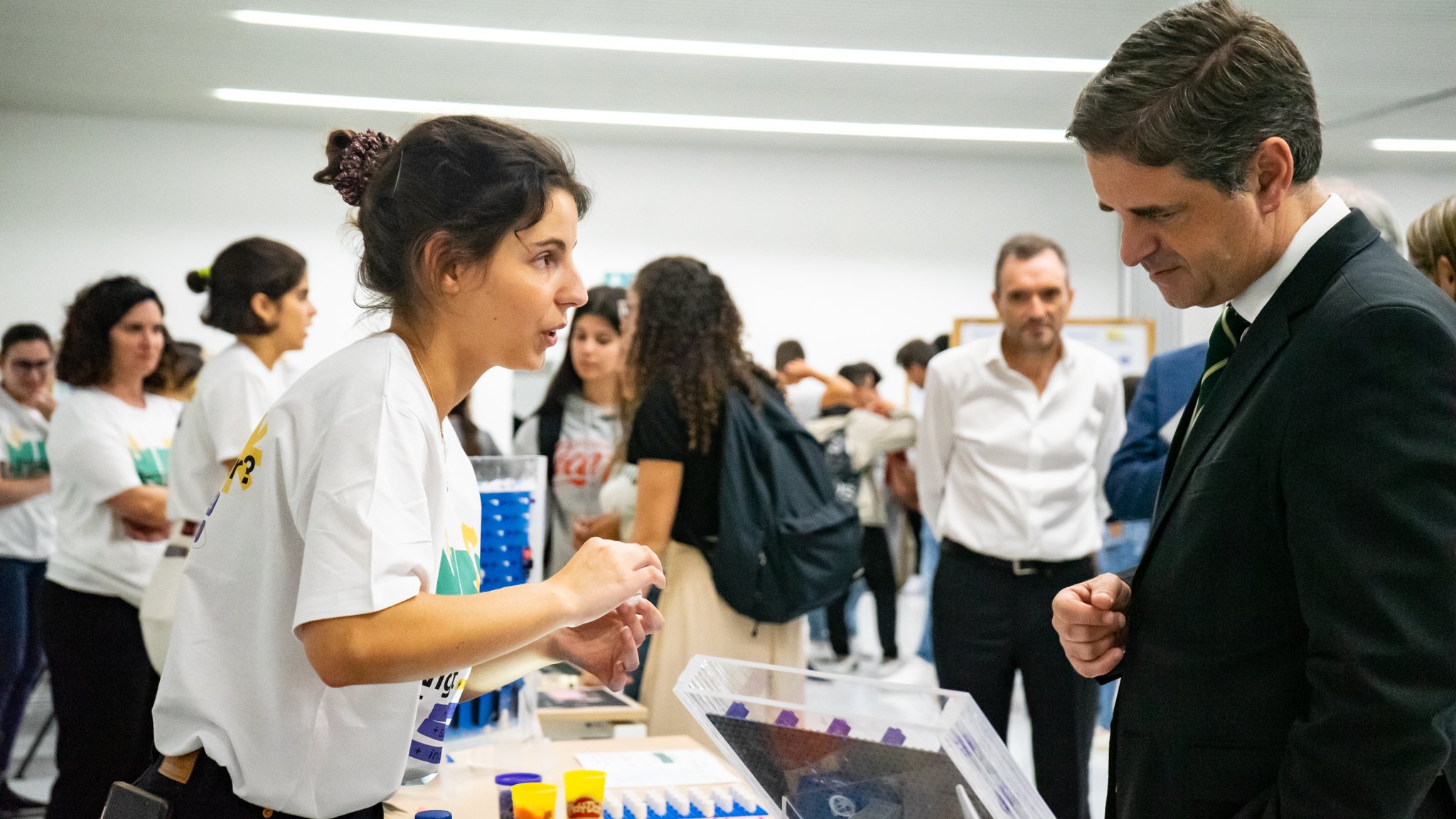
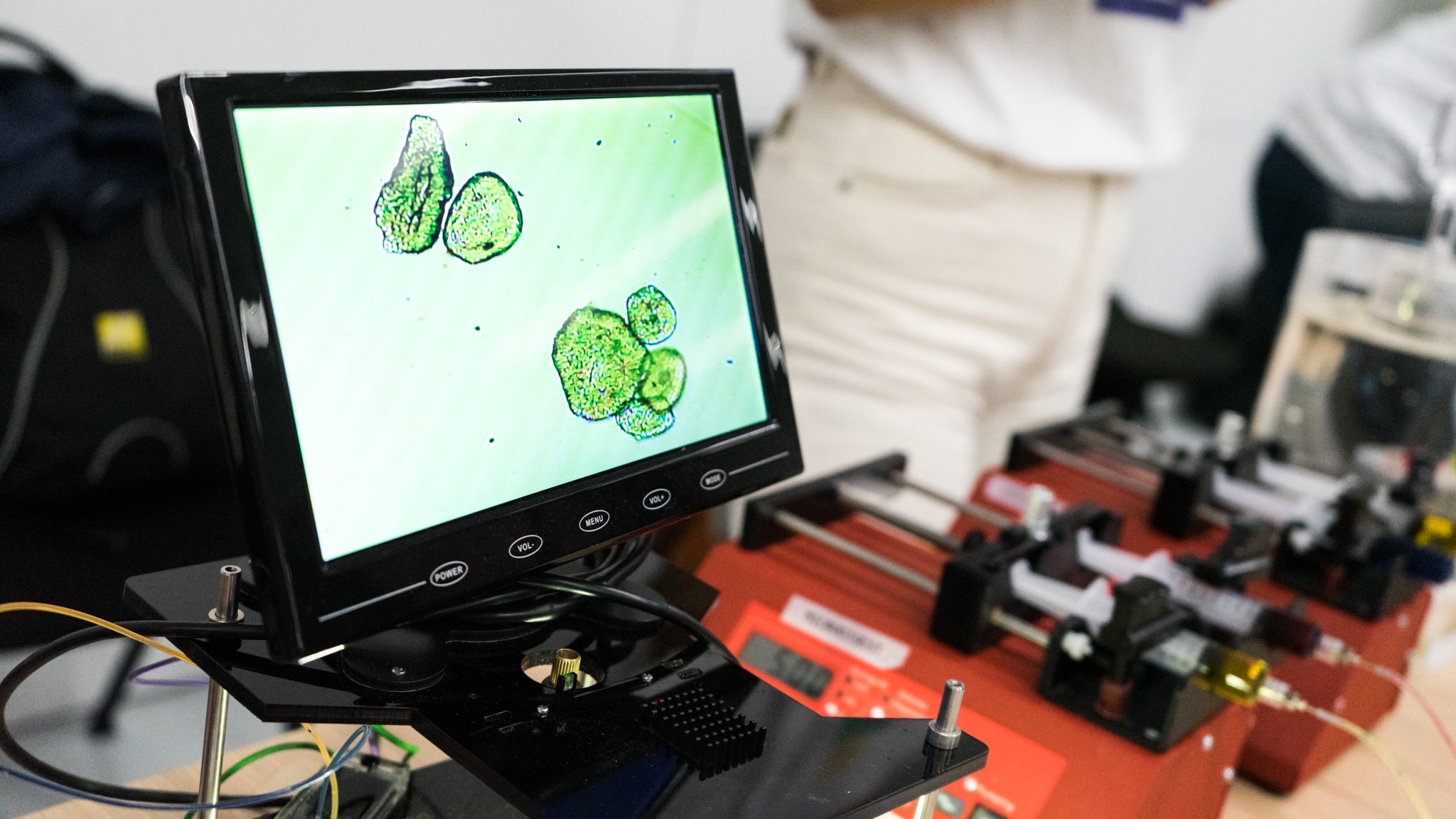
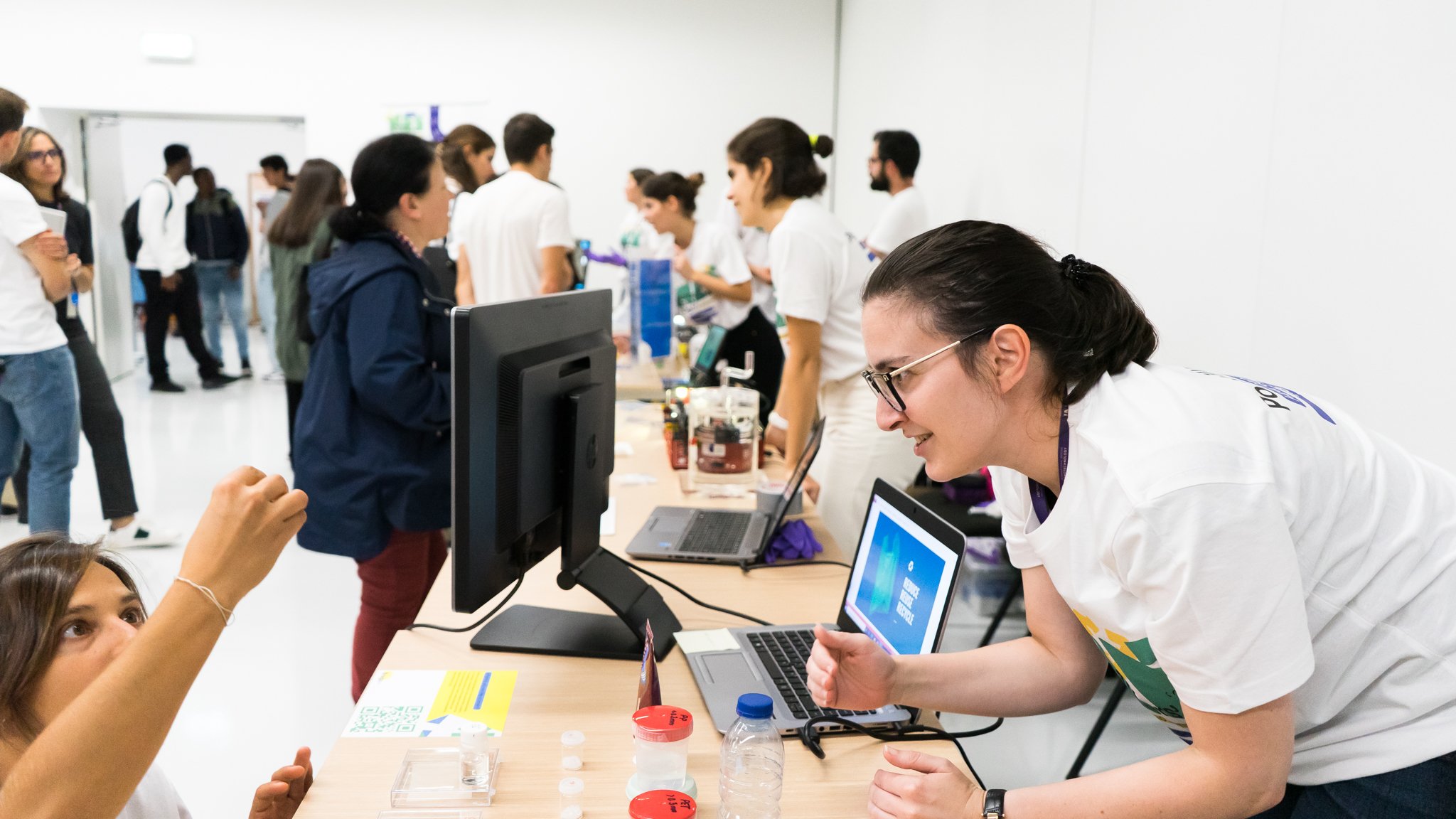

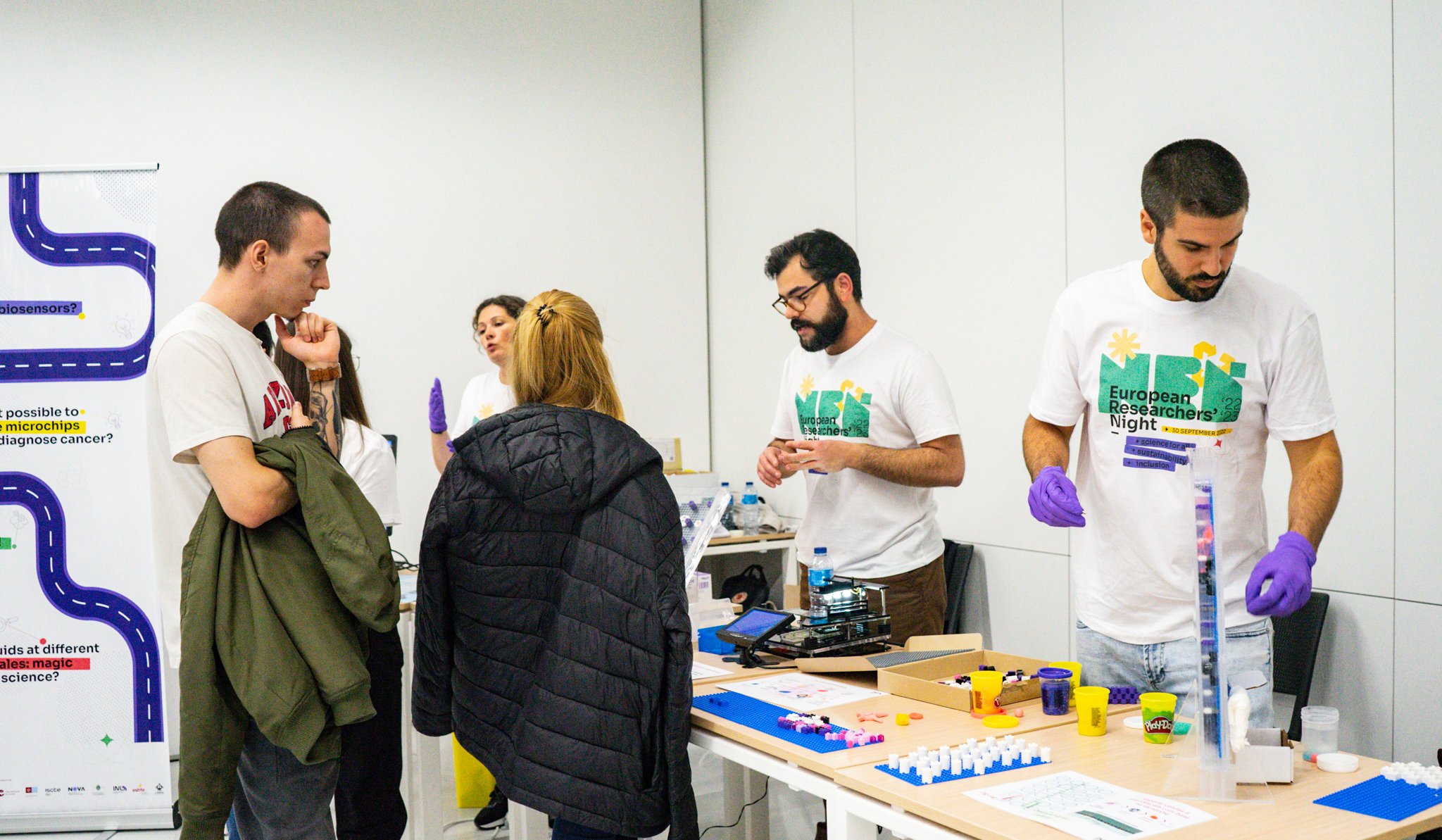
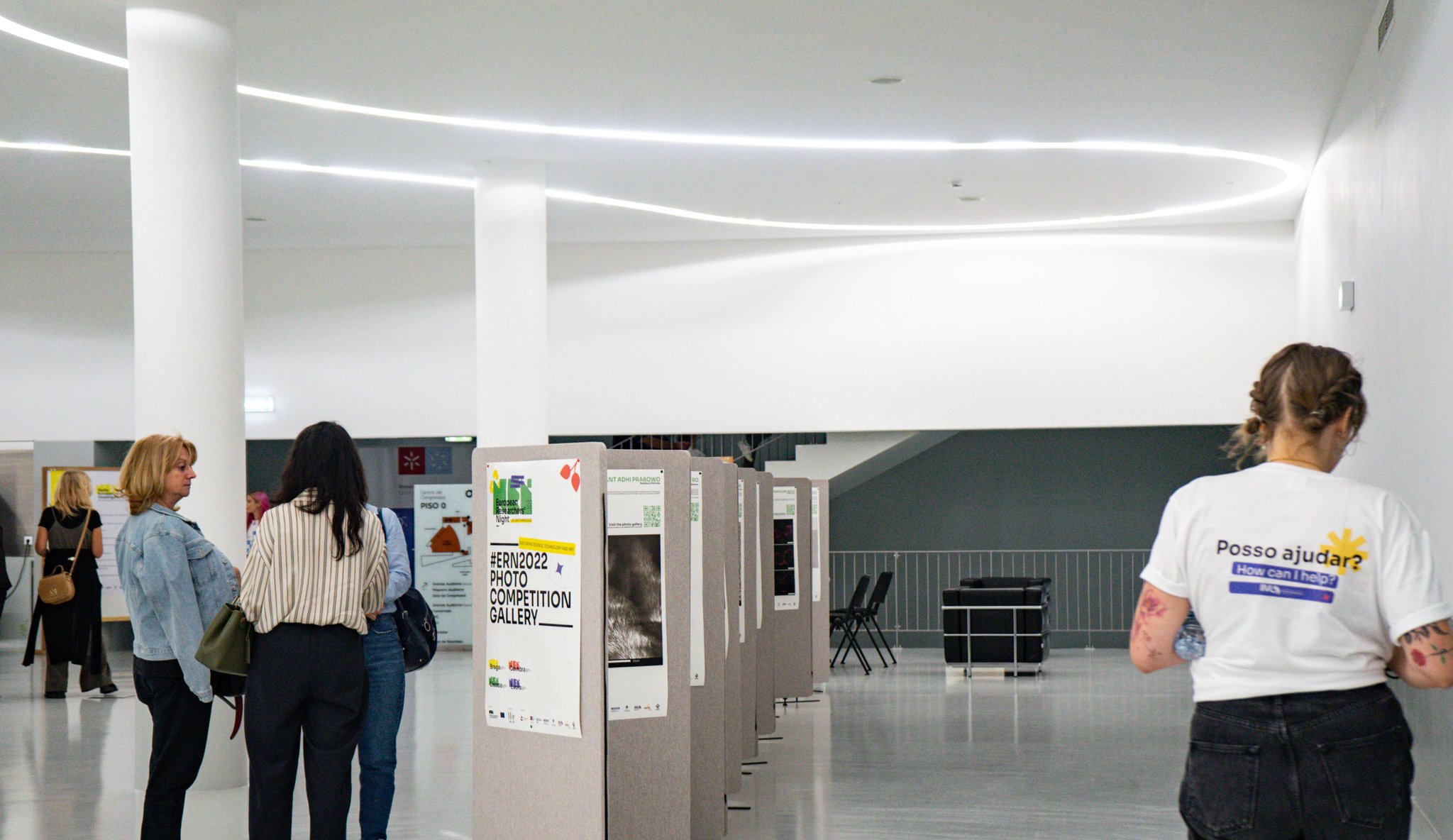
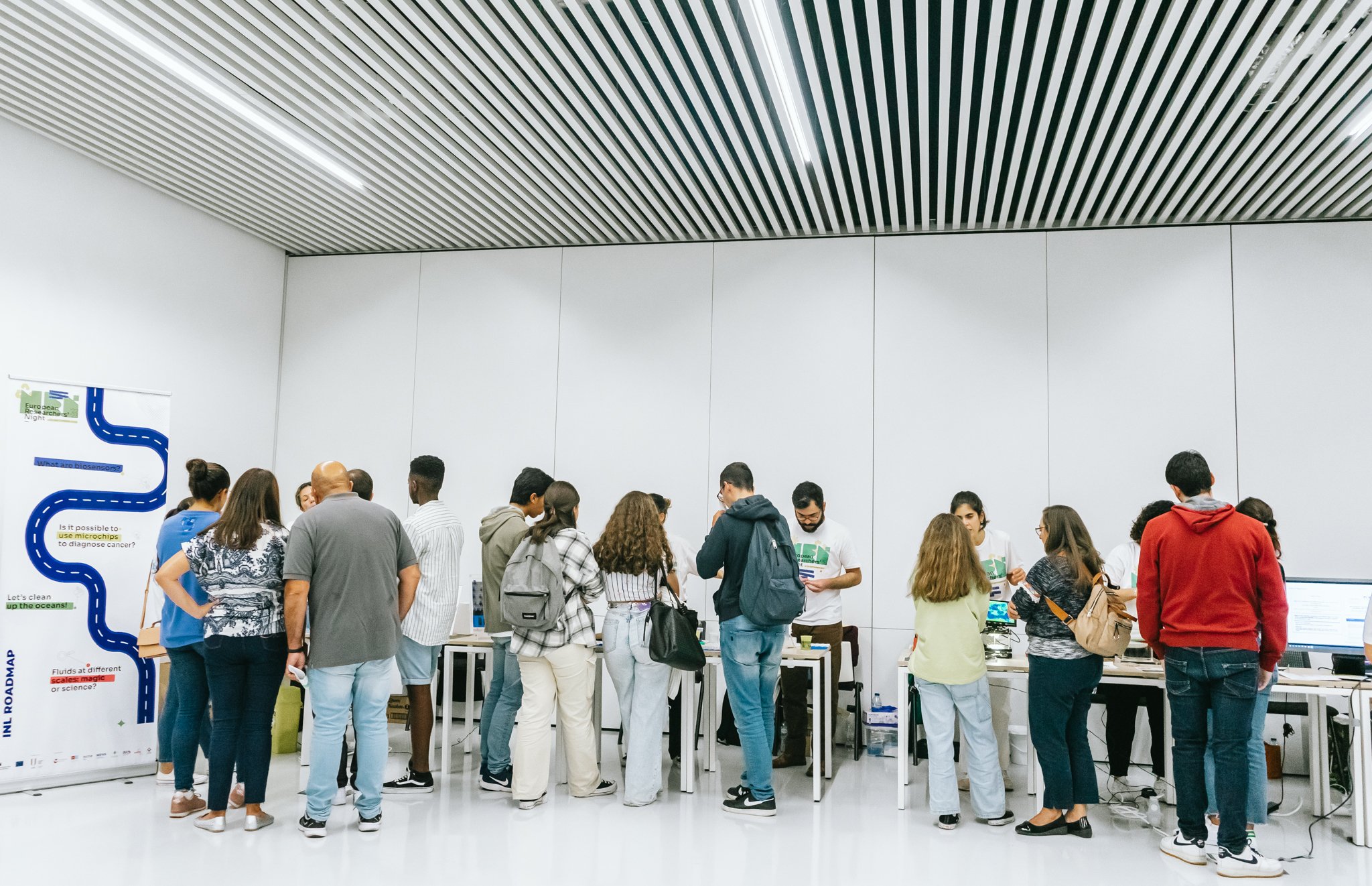
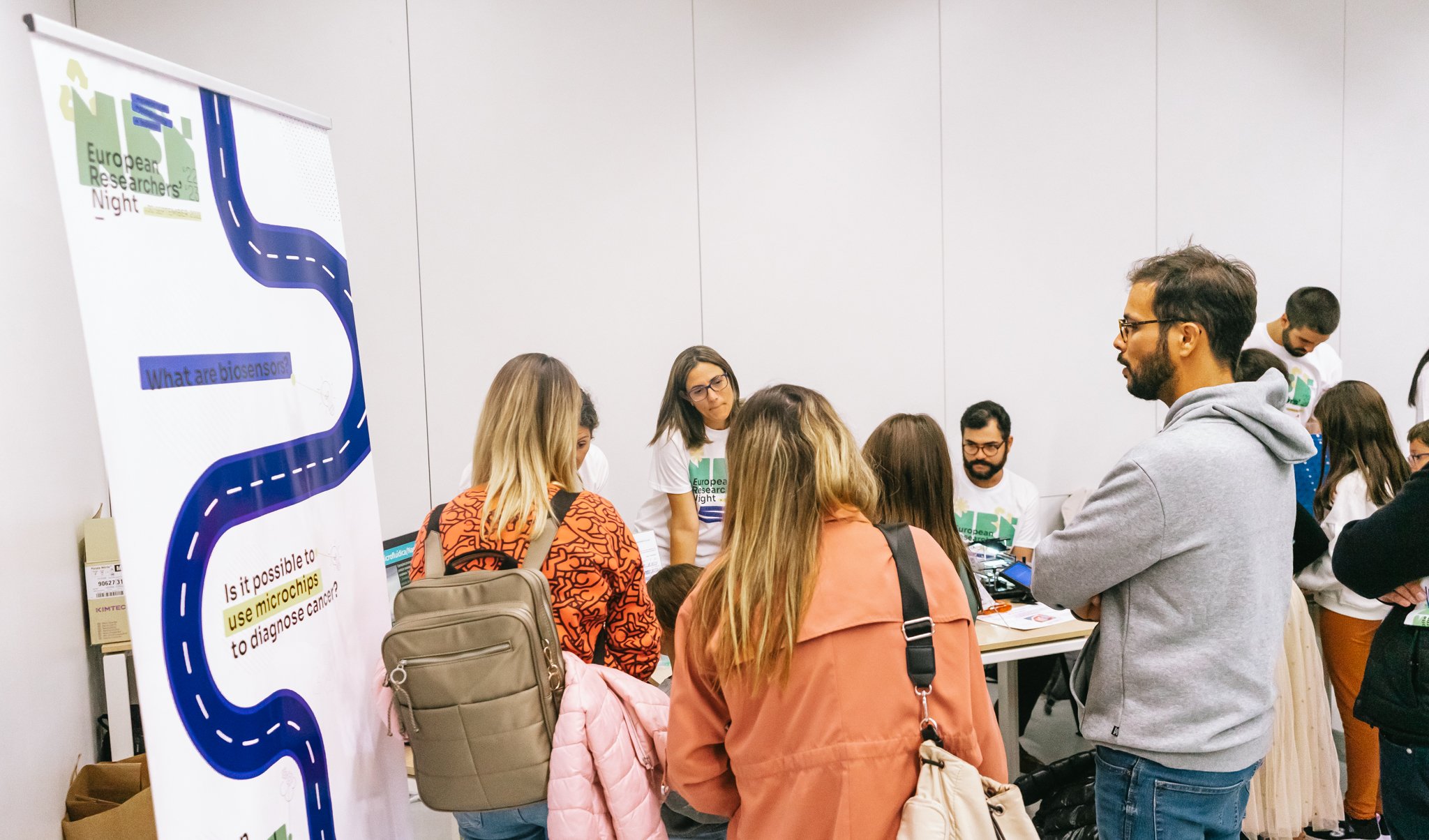
The last Friday of September 2022 marked the return of the European Researchers’ Night — the annual celebration of innovative research taking place simultaneously in more than 30 countries and 300 cities throughout Europe.
The diverse programme included games, hands-on activities, a photo booth, and the ERN2022 Photo Exhibition. We learned about biosensors, explored the world of microchips, showcased how we are fighting water pollution, illustrated how fluids work at different scales and shared the passion and the special work MISSION NERD is developing by spreading scientific knowledge to the community.
These were just a few of the possible applications that International Iberian Nanotechnology Laboratory (INL), and ECUM – University of Minho many other partners introduced to more than 1300 visitors 2022 European Researchers’ Night, at Altice Fórum Braga.
The audience defied all researchers with relevant questions and expressed genuine wonder as they saw “magic” happening before their eyes.
This year, ‘Science for Everyone – Sustainability and Inclusion’ was the motto that framed an event committed to raise awareness about the role of science in achieving sustainability and inclusion goals among school students and different audiences, while identifying key societal concerns about climate change and sustainable growth and linking them to science-oriented solutions and proposals.
Science Communication Meeting at INL

On October 7th, happened the first “Science Communication Meeting Antena Minho – INL”, under the radio program “Comunicar Ciência” of Antena Minho radio station.
With this empowering meeting it was intended to create a platform where science can be communicated to all types of audiences, an exciting challenge that, with the collaboration of several scientists and science communicators, has been truly successful.
This is an initiative in partnership with the “Master in Science Communication at the University of Minho” and the “European Researchers’ Night 2022” and had the following speakers and science communicators from Minho region: Elsa Costa e Silva; director of the Master in Science Communication at the University of Minho; Sara Gabriel Pereira; medical, specializing in lifestyle medicine; Andrea Pinho; PhD student at the University of Minho investigating the immune response associated with spinal cord trauma and responsible for the page @sciencewave; Ernesto Galvão; physicist researcher at INL in the field of quantum computing; and Catarina Loureiro; geologist and science communicator; responsible for the project “Stories with Science”;
This was an open and free event aimed at the general public, science lovers and the curious and was attended by almost 200 participants.
Catarina Moura, following a different path in science
Information and misinformation are everyday attitudes and actions. We find ourselves in the midst of so many problems where science might offer at least partial solutions and understanding. Science also may help us avoid more of the problems science has already caused. Access to science and its benefits and opportunities is uneven across the world—as is the production of scientific knowledge and it is in our hands to tackle this problem and help transform doubts and concerns into true and easy-to-access information and knowledge.
Science communication is the ability to explain science and scientific research to different audiences. A science communicator is someone who bridges the gap between science and the public. It’s the starter of a long conversation, the promoter of awe and curiosity while encouraging the audience to also contribute with their own questions, concerns or ideas.
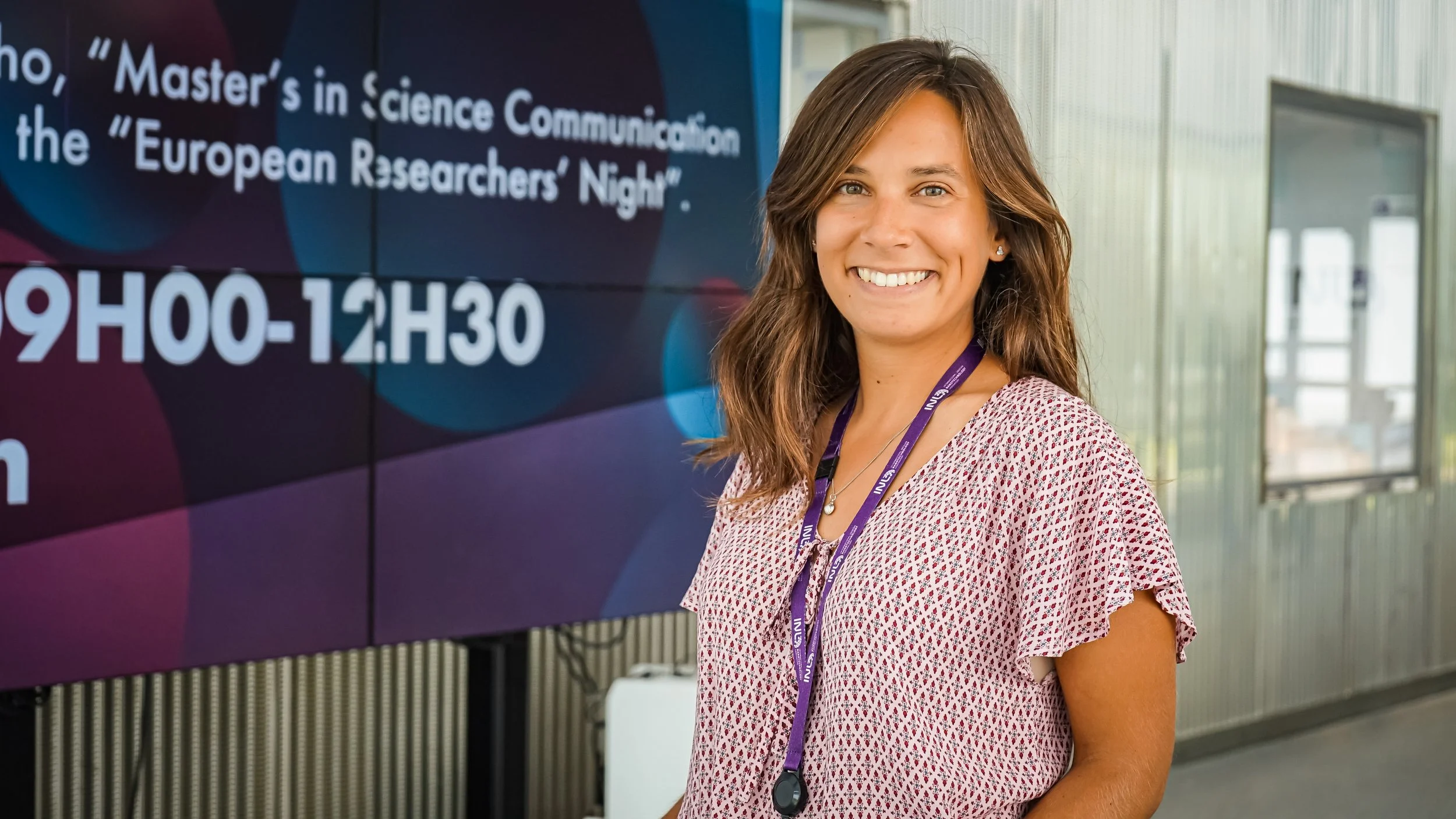
In these challenging times – the war, the pandemic, the climate crisis, and concerns over new technologies – we present you Catarina Moura, Science Communicator Officer at INL – International Iberian Nanotechnology Laboratory within the Communication, Conferences and Marketing unit.
Catarina has an active role in supporting the INL research community to carry out research and innovation-oriented activities of relevance for communication. She also coordinates science communication initiatives that range from the organisation of scientific events to the establishment of relationships with the media, scientific experts, universities, and other research organisations.
Could you take us through your professional life and the different roles you have played throughout your career?
I have worked as a scientist in the past years.
I studied Bioengineering at the Faculty of Engineering of the University of Porto, my Master‘s thesis was in the field of Nanomedicine, and I have a PhD in biomedical sciences from the University of Southampton, in the UK.
Throughout my career, I have always been involved in science communication.
I was part of the British Roadshow “Bringing Research to Life” team – which is an itinerant platform designed to help researchers share their work with the general public; and I participated in many international festivals like Glastonbury, working at the Science Tent, and the Cheltenham Science Festival,
I also worked at the Doctoral College in the UK, and my main responsibilities included the organisation of scientific activities for researchers as well as for non-scientific audiences.
What sparked your interest in science communication? What made you so passionate about it?
I was always driven by the excitement of discovering new things, solving problems, and getting things done – and being a full-time scientist looked like the perfect fit for a recently-awarded PhD student.
However, I have to confess that it has been a mammoth task to discover the best career to match my skills, personality, and passions. And it continues to be. In my dream job, I would be using my interpersonal and communication skills, solving problems and learning new topics, while being surrounded by nature and having a positive impact on our society and the World.
Coming from a scientific background, and having management, research and writing skills, it seemed to me like a natural step to become a science communicator.
In recent times, there has been a lot of talk about how the media misleads the non-academic community by misreporting scientific data or facts. What are your views on this?
I think there’s a communication gap between scientists and society, and that’s why science communication is so important. It’s important that we, scientists, are more open about how research works and all the uncertainties involved.
Usually, the media shares with the public the final results of a finished project, a ‘Eureka’ moment of a particular research group, or an interview with a scientist that was granted an international award. The general public is not aware that science is not a collection of facts that tell us what we know about the world. Science is a method of discovery.
Scientists make hypotheses, derive predictions, and then carry out experiments based on those predictions. And we need to combine our efforts to better communicate science and engage different audiences.
Could you share some advice for researchers trying to communicate their research to the non-academic community?
Science communication is important for many reasons: to address urgent issues (such as the climate crisis), to educate and inform the public and decision-makers, to make science more transparent, and to inspire communities and the next generations. And the communication of science can be delivered in a range of formats, such as news pieces, articles, books, podcasts, videos, music and theatre.
Finally, it’s important to remember that working in a team is key – people with different backgrounds and know-how bring different perspectives, and potentially this leads to more creativity and productivity (and fun!).
+ www.scaleexperiences.inl.int
Next Page » « Previous Page -->Information and misinformation are everyday attitudes and actions. We find ourselves in the midst of so many problems where science might offer at least partial solutions and understanding. Science also may help us avoid more of the problems science has already caused. Access to science and its benefits and opportunities is uneven across the world—as is the production of scientific knowledge and it is in our hands to tackle this problem and help transform doubts and concerns into true and easy-to-access information and knowledge.
Science communication is the ability to explain science and scientific research to different audiences. A science communicator is someone who bridges the gap between science and the public. It’s the starter of a long conversation, the promoter of awe and curiosity while encouraging the audience to also contribute with their own questions, concerns or ideas.
In these challenging times – the war, the pandemic, the climate crisis, and concerns over new technologies – we present you Catarina Moura, Science Communicator Officer at INL – International Iberian Nanotechnology Laboratory within the Communication, Conferences and Marketing unit.
Catarina has an active role in supporting the INL research community to carry out research and innovation-oriented activities of relevance for communication. She also coordinates science communication initiatives that range from the organisation of scientific events to the establishment of relationships with the media, scientific experts, universities, and other research organisations.
Could you take us through your professional life and the different roles you have played throughout your career?
I have worked as a scientist in the past years.
I studied Bioengineering at the Faculty of Engineering of the University of Porto, my Master‘s thesis was in the field of Nanomedicine, and I have a PhD in biomedical sciences from the University of Southampton, in the UK.
Throughout my career, I have always been involved in science communication.
I was part of the British Roadshow “Bringing Research to Life” team – which is an itinerant platform designed to help researchers share their work with the general public; and I participated in many international festivals like Glastonbury, working at the Science Tent, and the Cheltenham Science Festival,
I also worked at the Doctoral College in the UK, and my main responsibilities included the organisation of scientific activities for researchers as well as for non-scientific audiences.
What sparked your interest in science communication? What made you so passionate about it?
I was always driven by the excitement of discovering new things, solving problems, and getting things done – and being a full-time scientist looked like the perfect fit for a recently-awarded PhD student.
However, I have to confess that it has been a mammoth task to discover the best career to match my skills, personality, and passions. And it continues to be. In my dream job, I would be using my interpersonal and communication skills, solving problems and learning new topics, while being surrounded by nature and having a positive impact on our society and the World.
Coming from a scientific background, and having management, research and writing skills, it seemed to me like a natural step to become a science communicator.
In recent times, there has been a lot of talk about how the media misleads the non-academic community by misreporting scientific data or facts. What are your views on this?
I think there’s a communication gap between scientists and society, and that’s why science communication is so important. It’s important that we, scientists, are more open about how research works and all the uncertainties involved.
Usually, the media shares with the public the final results of a finished project, a ‘Eureka’ moment of a particular research group, or an interview with a scientist that was granted an international award. The general public is not aware that science is not a collection of facts that tell us what we know about the world. Science is a method of discovery.
Scientists make hypotheses, derive predictions, and then carry out experiments based on those predictions. And we need to combine our efforts to better communicate science and engage different audiences.
Could you share some advice for researchers trying to communicate their research to the non-academic community?
Science communication is important for many reasons: to address urgent issues (such as the climate crisis), to educate and inform the public and decision-makers, to make science more transparent, and to inspire communities and the next generations. And the communication of science can be delivered in a range of formats, such as news pieces, articles, books, podcasts, videos, music and theatre.
Finally, it’s important to remember that working in a team is key – people with different backgrounds and know-how bring different perspectives, and potentially this leads to more creativity and productivity (and fun!).