News

The ESRA Symposium Returns For a Dynamic 2nd Edition

The ESRA Symposium Returns For a Dynamic 2nd Edition

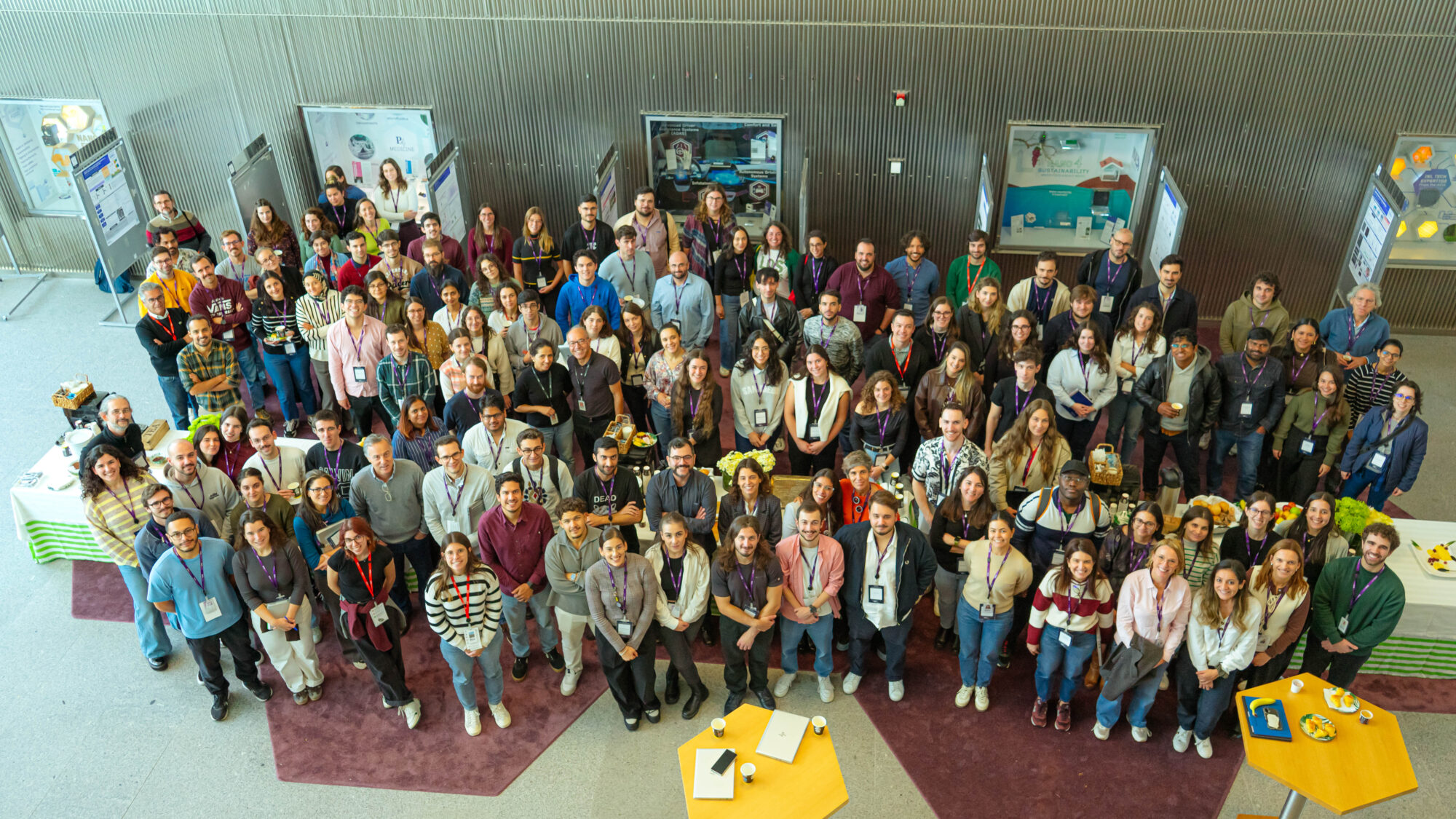
Following its successful inaugural session last year, the ESRA Symposium made a vibrant return to INL for its second edition on 11 and 12 November. Organised by the Early-Stage Researchers Association, the event is dedicated to championing the professional growth of early-career scientists. Eager to share their innovative work, master’s students, PhD candidates, and junior researchers gathered for two days of knowledge exchange and networking. The symposium opened with an inspiring address by Prof. Ado Jório, who emphasised the importance of the initiative in empowering the careers of early-stage researchers. Participants, then, showcased their work through engaging oral communications and poster presentations, creating a lively atmosphere filled with insightful discussions on innovation. Setting a captivating tone, the programme featured two keynote talks. First to take the stage was Prof. Luís Arnaut, from the University of Coimbra, founder and board member of Luzitin SA, and founder and chairman of Laserleap Technologies, who delivered a compelling presentation on “The Making of an Investigational New Drug – The Case of Redaporfin”. Later, attendees heard from Luís Sarmento, co-founder and CEO of Inductiva AI, who shared his perspective on “Start-ups, Simulations, and Surprises”. The symposium saw an impressive level of participation, with 180 total […]

Read more
Joana Araújo Honoured with Best Shotgun Poster Award at International Caparica Conference PTIM

Joana Araújo Honoured with Best Shotgun Poster Award at International Caparica Conference PTIM

INL is honoured to announce that Joana Araújo, a member of the Kolen’ko research group, has been awarded the prize for Best Poster Presentation at the 6th International Caparica Conference on Pollutant Toxic Ions & Molecules. Held biennially in Costa de Caparica, Portugal, this prestigious event brings together leading experts from the environmental sciences, biology, chemistry, and health research communities. The conference serves as a dynamic platform for showcasing latest technologies, innovative methodologies, and advances in pollution detection, contamination control, and remediation. The sixth edition of the conference took place from 2 to 6 November, featuring an extensive programme of plenary lectures, keynote presentations, oral communications, and poster sessions. Joana Araújo earned her recognition in the Shotgun Poster category, receiving a certificate and a gift from the PROTEOMASS Scientific Society. Her award-winning poster, titled “Covalent Organic Frameworks and Composites for Efficient Adsorption of Pharmaceuticals in Natural Waters”, explored the potential of covalent organic frameworks (COFs) and COF-based composites as efficient adsorbents for monitoring and removing persistent pharmaceutical contaminants from natural water sources. Further contributions from the Espiña Research Group strengthened INL’s presence at the conference. Begoña Espiña, the group leader, delivered a plenary lecture, while Miguel Sousa presented a poster […]

Read more
INL Welcomes Braga’s New Mayor and Municipal Team

INL Welcomes Braga’s New Mayor and Municipal Team

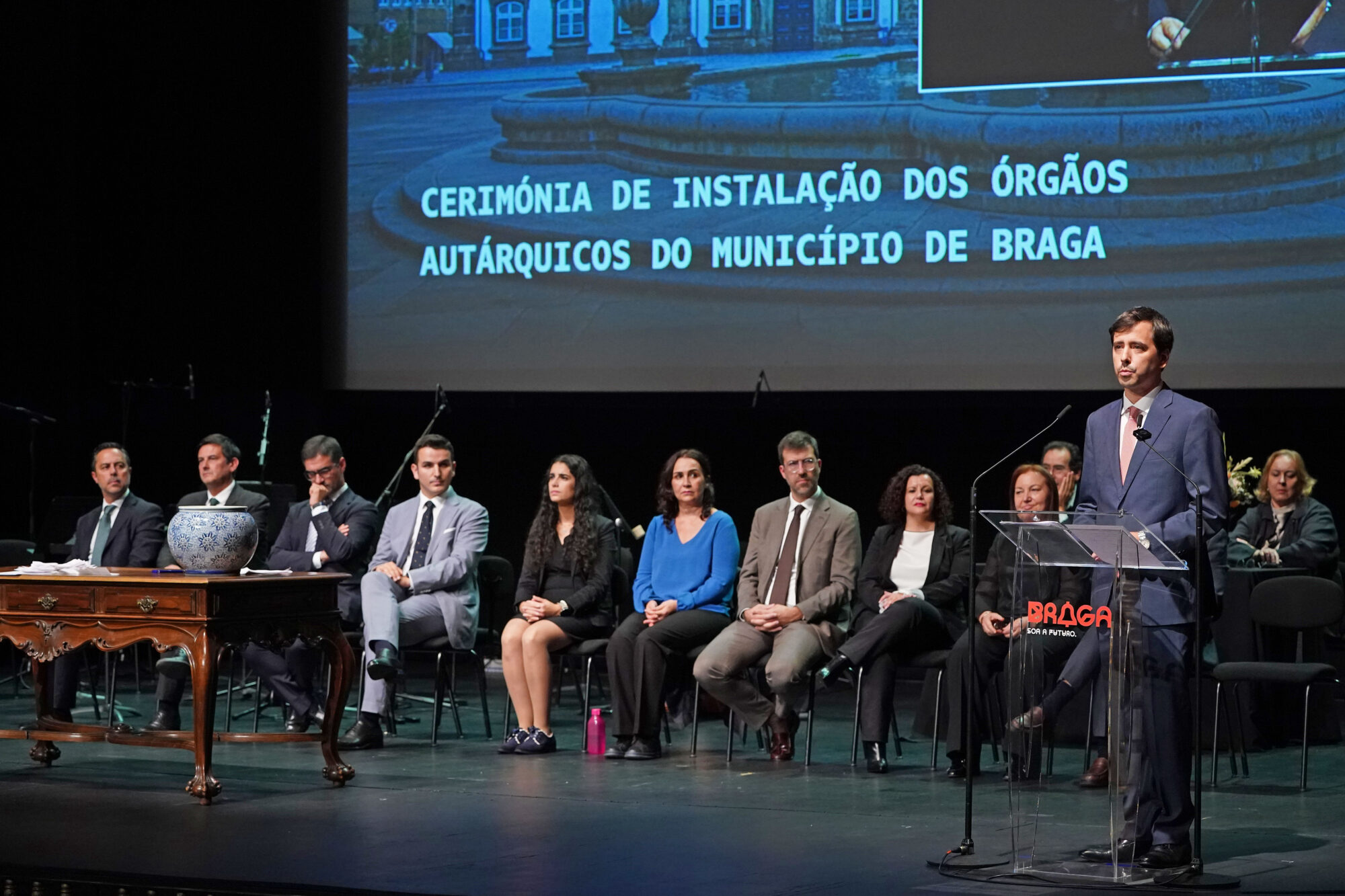
On the 3rd of November 2025, the installation ceremony of the municipal bodies of the city of Braga took place in Theatro Circo, marking the beginning of the 2025–2029 term. Representing the International Iberian Nanotechnology Laboratory, Professor Ado Jório de Vasconcelos, Deputy Director-General, and Dr Carolina Baptista, International Relations and Internal Affairs Communication Officer, attended the ceremony. The event formally inaugurated the new municipal administration. It included the swearing-in of the newly elected Mayor, Mr João Rodrigues, as well as the election of the Municipal Assembly, whose president is Professor Fernando Alexandre, the current Minister for Education, Science and Innovation of Portugal. Filled with symbolism, the moment brought together representatives from local and regional institutions, enhancing the city’s commitment to collaborative governance and community development. The participation of INL in this civic occasion reflects its enduring partnership with the Municipality of Braga and its dedication to contributing to the region’s scientific, technological and social advancement, reinforcing the shared values between institutions. Hence, INL warmly congratulates Mr João Rodrigues and his team and extends its best wishes for a successful mandate, knowing that continued progress and fruitful cooperation between the municipality and INL will be fostered.

Read more
Braga Startups Shine | Global Health Accelerator Demo Day at INL

Braga Startups Shine | Global Health Accelerator Demo Day at INL

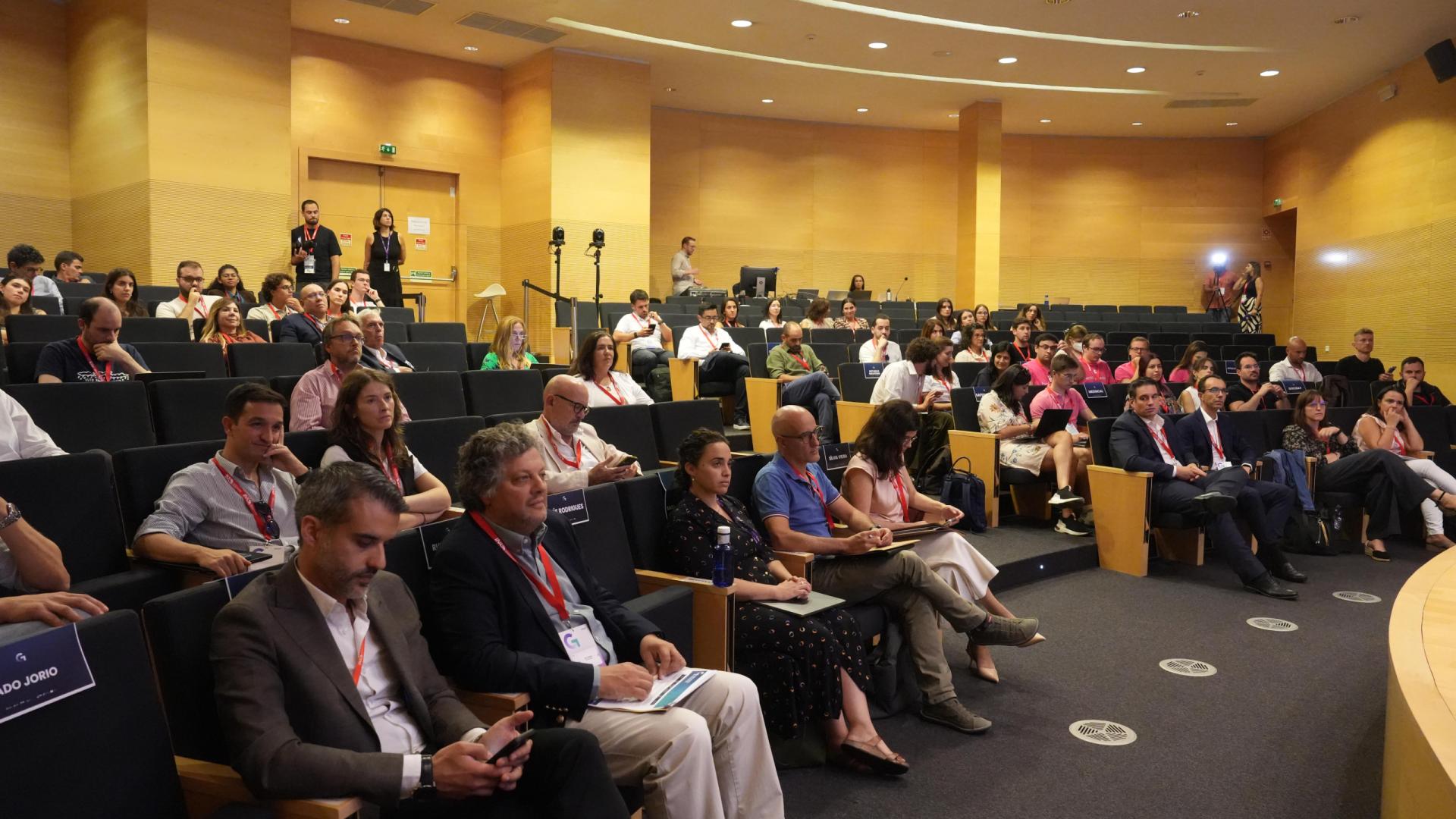
The Demo Day of the Global Health Accelerator (GHA) took place on Thursday, September 18, at the International Iberian Nanotechnology Laboratory (INL). This dynamic event, organised by Startup Braga in partnership with INL and 2CA-Braga, brought together 11 innovative health startups, which showcased transformative solutions developed throughout the 6-month program.  The Demo Day gathered investors, health sector leaders, researchers, business partners, and students, offering them a unique insight into the next generation of innovations in digital health, biotechnology, and nanotechnology. Participants had the opportunity to engage directly with founders, explore collaboration opportunities, and witness the tangible results of a vibrant innovation ecosystem. The 2025 edition celebrated the achievements of 11 pioneering startups, with expressTEC and MetaBlue Solution (Otitest) earning top honours for their transformative health solutions. Their recognition underscores the growing strength of Braga’s innovation ecosystem and its ability to nurture high-impact ventures in the biomedical space.Other presenting startups were: Apollo Medica, BestHealth4U, BloodFlow, DocBay, Enhanced Fertility, Fetalix, Medgical, OmniumAI, and SafeCaring. This initiative not only highlights the strategic role of INL in fostering innovation at the intersection of science and entrepreneurship but also reinforces Braga’s position as a hub for emerging health technologies. The upcoming Bio-MedTech Hub will further strengthen […]

Read more
A new tool being developed at INL can explore electrical effects on cells

A new tool being developed at INL can explore electrical effects on cells

While we usually consider electronics as a fruit of human engineering, electrical signalling is also fundamental in biology, playing an essential role in cellular functions from neuronal communication and muscle contraction to cell migration, proliferation and differentiation. Electrical stimulation activating these biological functions is therefore also a powerful tool for both fundamental research and for therapeutic applications. Alar Ainla, research scientist at INL, in collaboration with the Life and Health Sciences Research Institute (ICVS) at the University of Minho, has developed a novel multi-channel in vitro electrical stimulator to help study these effects in a versatile and accessible way. Their work was published in BMC Biomedical Engineering. Cells can sense and respond to the electric fields. Exposure to an electric field changes the electrical potential across the cell membrane, influencing voltage-gated ion channels and calcium signalling, which can trigger nerve impulses, muscle contraction, and even long-term processes like synaptic plasticity, cell proliferation, and differentiation. In stem and neuronal cells, electrical stimulation can promote axon growth, enhance the expression of neuronal markers, and trigger the release of molecules that guide the differentiation of neighbouring cells. In other words, cells behave like tiny sensors and communicators, adjusting their internal processes in response […]

Read more
Shedding light on ultrafast heat transport in graphene

Shedding light on ultrafast heat transport in graphene

Managing heat efficiently is one of the great challenges in the development of next-generation electronic and optoelectronic devices. At the nanoscale, energy moves in ways that defy classical descriptions of heat transfer. Houssem Rezgui, researcher from the Sotomayor research group at INL, has now provided new insights into how energy flows in graphene when excited with ultrafast laser pulses. Their work, published as a Letter in Journal of Physics D: Applied Physics, explores how electrons and vibrations in the lattice (known as phonons) interact in timeframes shorter than a trillionth of a second. Graphene, with its remarkable electronic and thermal properties, is an ideal platform for probing these processes. When struck by a femtosecond laser pulse, graphene enters a highly non-equilibrium state: electrons absorb the incoming energy almost instantly, and only afterward begin to share it with the lattice. Traditionally, this sequence has been described by the two-temperature model, which assumes that electrons and phonons equilibrate in a straightforward way. However, the INL researcher shows that reality is more complex. Using an extended temperature model, Rezgui revealed that different phonon branches respond at distinct timescales, with longitudinal acoustic phonons playing a key role in energy absorption and redistribution. Strikingly, their […]

Read more
Magnetic nanowires take hydrogen production to the next level

Magnetic nanowires take hydrogen production to the next level

As the world looks for cleaner ways to produce energy, green hydrogen (fuel made from water and renewable electricity) is gaining attention as a promising solution. To make green hydrogen affordable and efficient, better catalysts are needed to speed up the chemical reactions involved. Researchers at INL – International Iberian Nanotechnology Laboratory have developed a new type of magnetic catalyst that could change the game. Their findings, recently published in ACS Nano, reveal how these magnetic nanowires efficiently catalyse the oxygen evolution reaction, a key reaction in hydrogen production from water. The research team led by Yury Kolen’ko created cobalt ferrite (CoFe2O4) nanowires using a technique called electrospinning, which forms ultra-thin fibres by using an electric field to draw solid threads from a liquid solution; imagine sugar being spun into cotton candy, but at the nanoscale. By precisely controlling the calcination temperature, the team transformed the fibres into nanowires with excellent magnetic properties, critical for their catalytic performance. Why does magnetism matter? The oxygen molecules, which are formed during the water-splitting process, have a special triplet spin state. When the catalyst is magnetic, it can influence the spin alignment of the reaction intermediates, guiding the reaction to proceed faster and […]

Read more
Eco-friendly sensor developed at INL enables rapid detection of pharmaceutical contaminants in water

Eco-friendly sensor developed at INL enables rapid detection of pharmaceutical contaminants in water

Pharmaceutical waste in water sources is becoming a growing environmental concern. Among the most common pollutants are paracetamol and 4-aminophenol, a related compound that can appear as a contaminant or breakdown product. These substances persist in urban wastewater and surface waters, potentially harming aquatic ecosystems and human health. Detecting them accurately and efficiently is crucial for environmental protection and risk management. Researchers at INL from Espiña’s research group have designed an innovative electrochemical sensor that can simultaneously detect both pharmaceuticals at very low concentrations. The sensor uses carbon screen-printed electrodes modified with specially functionalised carbon nanofibers, which enhance sensitivity and selectivity. This study published in the journal Sensing and Bio-Sensing Research, describes a solution for portable, cost-effective, and environmentally friendly tool for water quality monitoring. Traditional methods for identifying pharmaceutical contaminants often rely on complex laboratory techniques such as chromatography and spectrometry. While highly precise, these require expensive equipment, trained personnel, and time-consuming sample preparation, limiting their use for routine or on-site testing. In contrast, electrochemical sensors like the one developed by the INL team led by Raquel Queirós, provide rapid, real-time results with minimal costs. The research team compared different transducer materials, finding that carbon-based ones performed better than […]

Read more
Cristiana Alves: Revealing the Invisible Through Materials Science

Cristiana Alves: Revealing the Invisible Through Materials Science

Meet Cristiana Alves, Facility Lead at the Electron Microscopy and X-Rays (EMX) Facility at INL. With a lifelong curiosity for how things work and a deep passion for uncovering the unseen, Cristiana’s journey into materials engineering and nanotechnology has been driven by both precision and wonder. From exploring bioactive coatings for dental implants during her PhD to working in one of the most advanced electron microscopy facilities in the Iberian Peninsula, she combines technical excellence with a commitment to discovery. At the heart of her work is a drive to understand materials at their most fundamental level, and to help others do the same. Can you tell us a bit about your path, your main area of work, and the importance of your work?Since I was a child, I have always loved to explore and discover things in nature, get to know how things work, and why they work in such a way. I also loved math because for me, math is simple; there are no doubts or misinterpretations. This combination brought me to an engineering course (materials engineering).While pursuing my master’s, I naturally became passionate about research and science, and I pursued a PhD to study nanomaterials for biomedical applications. When you […]

Read more
1 2 3 53