News

Science, Innovation and Society: INL attends the Science 2025 Meeting

Science, Innovation and Society: INL attends the Science 2025 Meeting

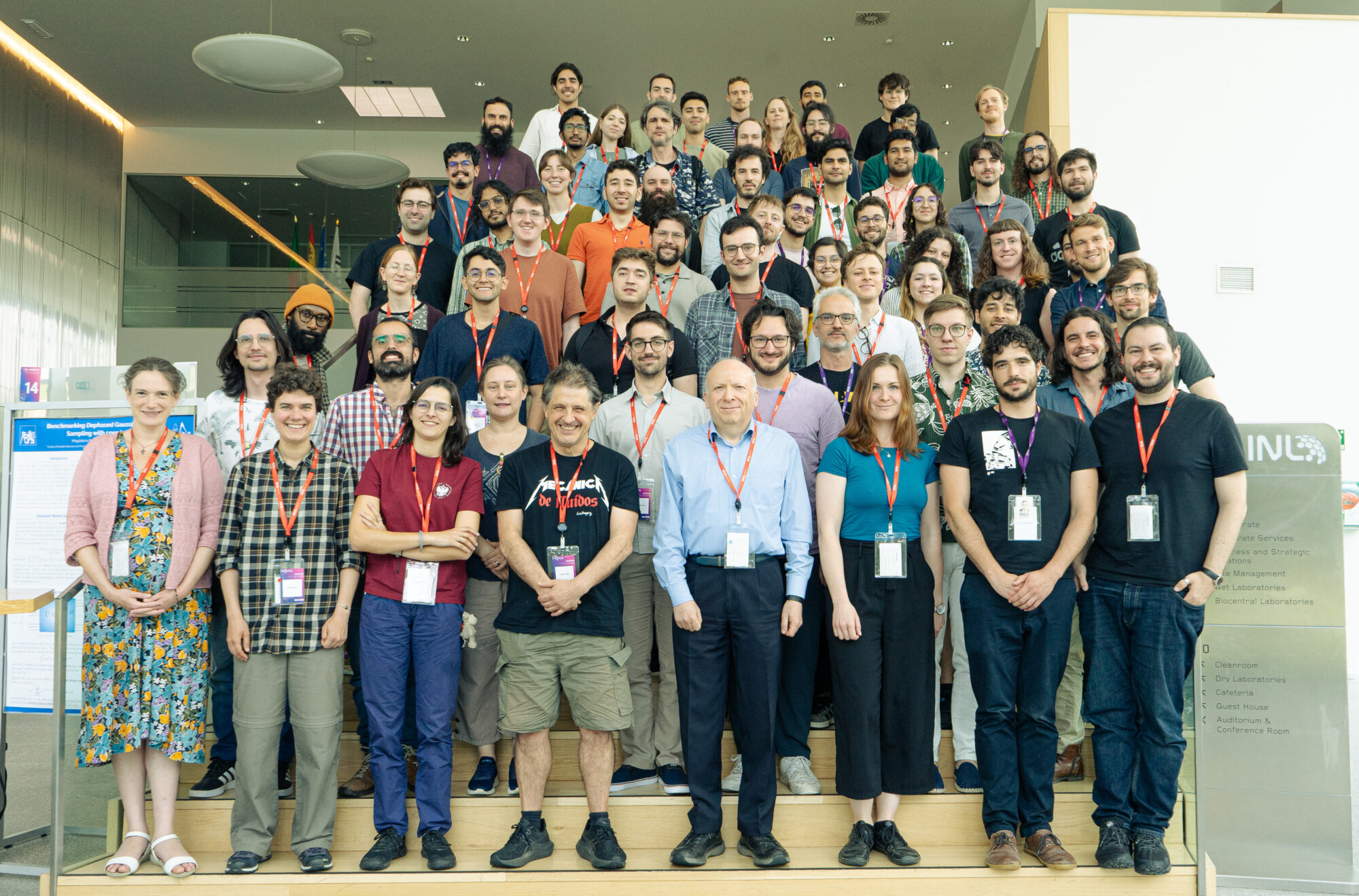
Between the 9th and 11th of July, the International Iberian Nanotechnology Laboratory was represented at Encontro Ciência 2025, Portugal’s largest science and technology meeting. This year, the event took place at the NOVA SBE Campus in Carcavelos, Lisbon, and centred around the theme “Science, Innovation and Society”. Part of the “Science, Technology, Innovation” exhibition, INL was present throughout the three-day event, fostering engagement with policymakers, researchers, students, and the broader public, in a clear celebration of the importance of science in the public sphere. Professor Ado Jório, INL’s Deputy Director-General, participated in the opening session, where several key figures opened the event by addressing priorities in science and innovation. First, Nuno Piteira Lopes, Vice-President of the Cascais City Council, and Dr Isabel Rocha, Vice-Rector of Nova University, welcomed participants, stressing the contemporary nature of societal concerns and how science and innovation contribute to their resolution, while Dr Vera Aldeias, Commissioner of Encontro Ciência 2025, highlighted the increasing need to reduce bureaucracy. Rosalia Vargas reinforced the role of the Ciência Viva network and Professor Madalena Alves, President of the Foundation for Science and Technology (FCT), emphasised the impact of digital tools, the agency’s support for research careers, gender equality, and its ongoing restructuring. Finally, Dr Helena Canhão, Secretary of State for Science and Innovation, outlined goals to reform the fragmented science system, boost industrial innovation, continue U.S. partnerships, and enhance funding opportunities in Portugal, […]

Read more
Empowering the Next Generation: INFRACHIP Research Accelerator Kicks Off at INL

Empowering the Next Generation: INFRACHIP Research Accelerator Kicks Off at INL

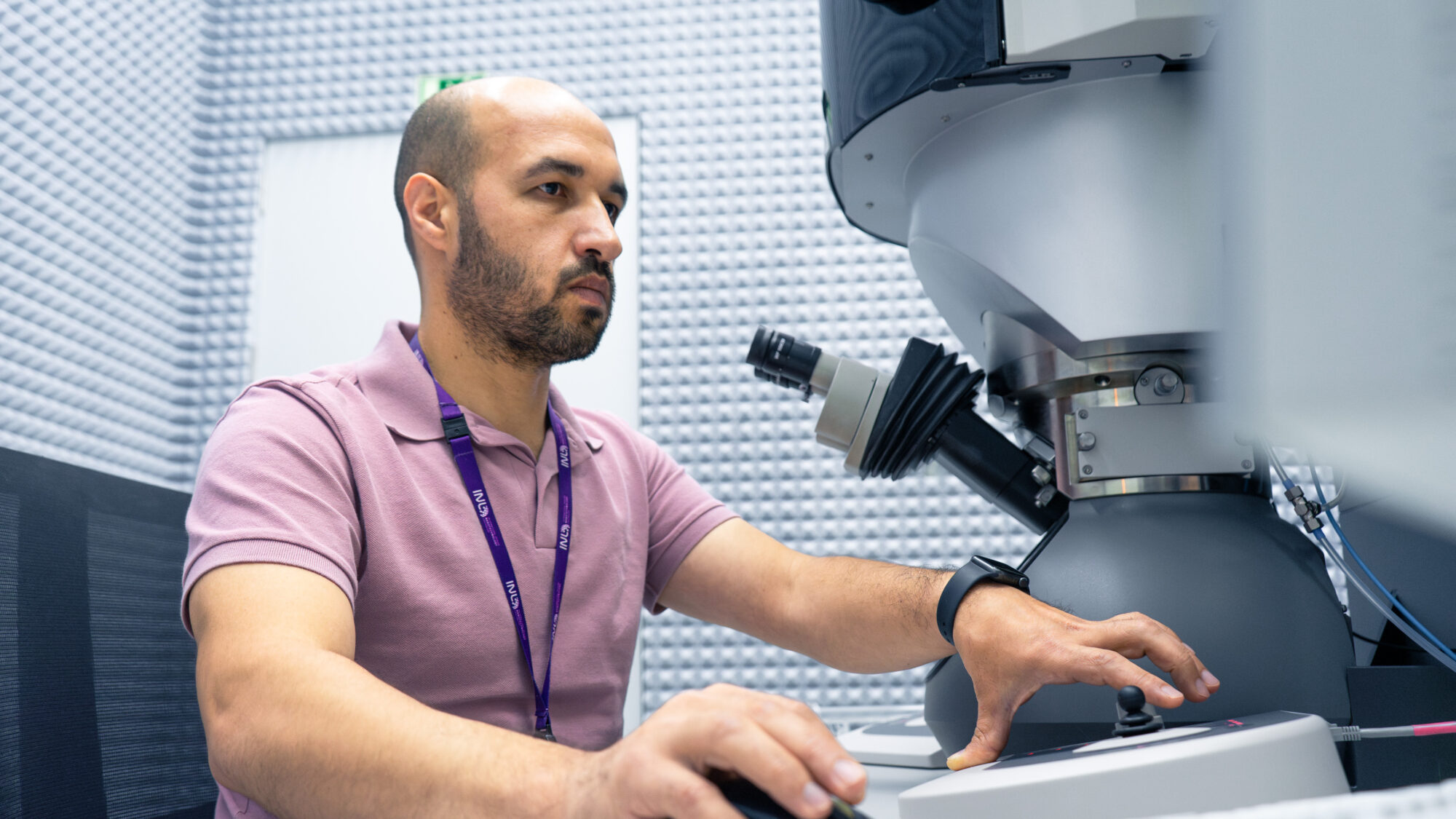
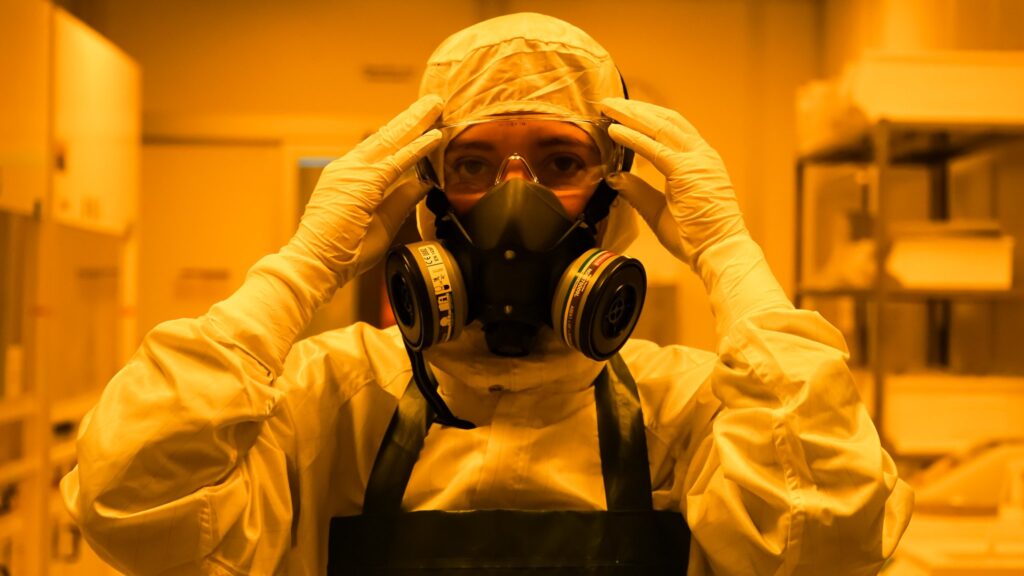
The International Iberian Nanotechnology Laboratory (INL) is proud to host an edition of the INFRACHIP Research Accelerator, a high-impact, short-term training programme designed to introduce early-career researchers to the cutting-edge technologies and facilities available through the INFRACHIP network. Over the course of two and a half days, 6 to 8 selected participants, PhD students and early-stage postdoctoral researchers—will gain hands-on exposure to advanced nanofabrication and nanocharacterization techniques. The immersive programme blends lectures by INL experts with live demonstrations inside two of INL’s state-of-the-art Research Core Facilities: the Micro and Nanofabrication (MNF) and Electron Microscopy and X-Rays (EMX). Participants will explore fundamental processes in micro- and nanofabrication such as deposition, patterning (optical and electron beam lithography), and etching (RIE). The programme also includes a deep dive into structural and chemical analysis techniques, including: + Transmission Electron Microscopy (TEM): Imaging, diffraction, and spectroscopy + Focused Ion Beam – Scanning Electron Microscopy (FIB-SEM) + X-Ray Photoelectron Spectroscopy (XPS) With a strong emphasis on practical training, participants will enter INL’s cleanroom and microscopy labs to directly observe and engage with the equipment and processes discussed in the lectures. This initiative is part of the broader INFRACHIP vision to democratize access to nanoelectronics infrastructure and strengthen the European research ecosystem. By sponsoring these researchers, INFRACHIP aims to accelerate their scientific progress […]

Read more
Bridging Theory and Experiment: A Conversation with Luísa Madail

Bridging Theory and Experiment: A Conversation with Luísa Madail

Welcome to our Quantum Spotlight Series, where we explore the stories and insights of researchers contributing to the rapidly evolving world of quantum science. Today, we’re joined by Luísa Madaíl, a Research Assistant in the Theory of Quantum Nanostructures group at the International Iberian Nanotechnology Laboratory (INL). With a background in theoretical physics and a deep curiosity about the electronic properties of novel materials, Luísa shares how her academic path, current research, and personal reflections all intersect in her journey through the quantum frontier. How did your academic journey and early career experiences shape your role as a Research Assistant at INL? My research in theoretical physics began on understanding the role of topology in condensed matter physics, particularly studying the electronic properties of analytically solvable artificial materials with topological behavior. During this time, I also had the opportunity to collaborate with a research group on open many-body quantum systems, mainly focusing on developing numerical techniques for out-of-equilibrium dynamics and validating quantum devices through experiments with neutral atoms, trapped ions, and solid-state systems. In 2020, I started my PhD and since then, my work has centered on exploring the electronic properties of two-dimensional real materials based on nanographenes. This background has contributed […]

Read more
Magnetic 1D van der Waals heterostructure

Magnetic 1D van der Waals heterostructure

A new spin on magnetism: INL researchers create 1D magnetic nanotubesResearchers at the International Iberian Nanotechnology Laboratory (INL) in Braga, Portugal, have achieved a major breakthrough at the intersection of quantum materials and nanotechnology. In a new study published in Communications Chemistry, they report the synthesis and atomic-scale characterisation of high-quality, single-walled hollow magnetic CrI₃ nanotubes – a landmark advance in the control of low-dimensional magnetism. What distinguishes this work is the confinement of the iconic layered ferromagnet CrI₃ within the innermost cavities of multiwall carbon nanotubes (MWCNTs). This structural innovation yields truly 1D magnetic heterostructures with unprecedented aspect ratios. “This is not just a structural feat, it’s a conceptual leap forward to develop a fully isolated, truly 1D magnetic heterostructure.”, says the first author Ihsan Çaha. Exploring magnetic states This study raises new questions about magnetism at the nanoscale. Using X-ray magnetic circular dichroism (XMCD) at the ALBA Synchrotron in Spain, the researchers observed unusual magnetic behavior in the CrI₃ nanotubes. “Our XMCD results carried out at ALBA synchrotron show that chromium atoms retain magnetism, but act like paramagnets with minimal remanence,” explains Aqrab ul Ahmad. “This behaviour hints at an intriguing suppression of long-range magnetic order, until now, unexplored.” Theoretical insight […]

Read more
Intelligent biosensor developed at INL combines NMR and AI to improve infectious disease diagnostics

Intelligent biosensor developed at INL combines NMR and AI to improve infectious disease diagnostics

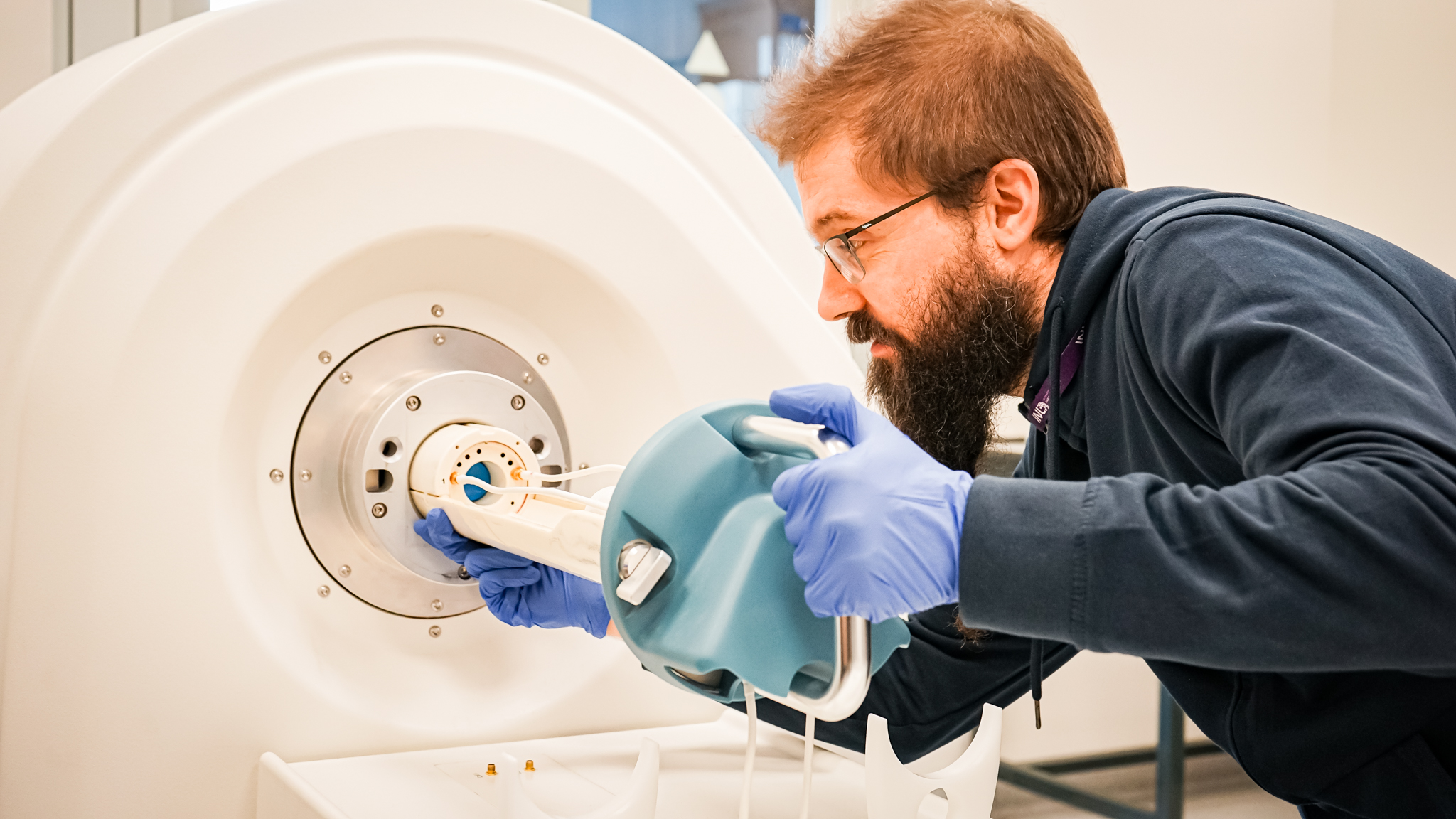
In the fight against infectious diseases, rapid and accurate diagnosis is key to effective treatment and control. INL researchers have developed a breakthrough biosensor that combines cutting-edge nuclear magnetic resonance (NMR) technology with artificial intelligence. This portable device not only speeds up diagnosis but also provides detailed insights into the immune response, opening new possibilities for point-of-care testing. The study, led by Juan Gallo and Weng Kung Peng published in the journal Biosensors and Bioelectronics, demonstrates how this innovative approach can detect viral infections and monitor patient recovery faster and more precisely than traditional methods, all within a compact, user-friendly system. The technology uses magnetic nanoparticles specifically designed to detect viral particles, as well as the immune response they trigger in the body. When these nanoparticles bind to target molecules in a small biological sample, they cause measurable changes in the sample’s magnetic properties. These changes are captured by the portable NMR system and translated into meaningful diagnostic information using machine learning models. “What sets this system apart is its ability to offer a more complete picture of the patient’s status,” explains Juan Gallo. “It doesn’t just tell you if someone is infected – it can help determine whether they […]

Read more
INL Open Day 2025: A Celebration of Science, Innovation, and Community

INL Open Day 2025: A Celebration of Science, Innovation, and Community

Last Saturday, INL welcomed more than 800 visitors of diverse nationalities for a day filled with curiosity, discovery, and joy. Families, students, researchers, and science enthusiasts of all ages came together to experience what it’s like to be a scientist for a day and the energy throughout the building was unforgettable. Across the INL campus, guests explored interactive exhibits and live demonstrations that brought science to life, from fluid dynamics and 3D printing to nano-enabled food and health technologies. In the “NanoPlanet: Fixing the Future” area, visitors discovered how nanotechnology is addressing some of the world’s most pressing challenges, boosting sustainability, energy storage, and public health. The Kids Zone provided a space where younger visitors could build molecules, explore science hands-on, and enjoy the new INL kids’ book, designed to spark curiosity through storytelling. Art and science merged in Pepto Playground, a performance by the Foqacia project in collaboration with Arte Total. Inspired by the paradoxes of quantum physics, the dancers moved through shifting pink landscapes and invisible forces, inviting audiences to reflect on uncertainty, presence, and transformation. INL researchers also presented impactful projects, from 3DSecret’s pioneering cancer research using microfluidic platforms to national innovation efforts like NGS Storage and GreenAuto, which aim to shape the future of clean energy and mobility. Guests found […]

Read more
INL Hosts First Edition of Falling Walls Lab Portugal, Showcasing Bold Ideas with Global Potential

INL Hosts First Edition of Falling Walls Lab Portugal, Showcasing Bold Ideas with Global Potential

Yesterday afternoon, June 11, the International Iberian Nanotechnology Laboratory (INL), in Braga, proudly hosted the first edition of Falling Walls Lab Portugal, bringing to the stage five semi-finalists with bold, breakthrough ideas aiming to shape the future of science and society. The event is part of the global Falling Walls initiative, a renowned competition that gives early-career researchers, innovators, and visionaries the opportunity to present their work in just three minutes, in a dynamic and high-impact format. The semi-finalists at the INL edition presented proposals ranging from novel treatments for breast and lung cancer, to strategies addressing neuroinflammation, promoting scientific inclusion in schools, and creating new pathways to connect art, science, and communities. The event was hosted by Marisol Dias, INL researcher and 2024 Falling Walls Lab global finalist, who brought both energy and inspiration to the session. After the pitches, the audience enjoyed a coffee break and networking session, followed by the highly anticipated jury deliberation and announcement of winners. The winner of this first edition of Falling Walls Lab Portugal was Leonor Ribeiro, with her project “Breaking the Wall of Lung Cancer with a Beam of Light” – a promising approach using photonics to improve lung cancer treatment. Leonor will represent Portugal at the Falling Walls Science Summit in Berlin this November, joining an international […]

Read more
Capturing the Future: Winners of the European Researchers’ Night 2025 Photo Contest Announced

Capturing the Future: Winners of the European Researchers’ Night 2025 Photo Contest Announced

The European Researchers’ Night 2025 Photo Contest has brought science into focus—literally—through a stunning collection of images from around the globe. With 60 submissions from countries including Portugal, Spain, France, Australia, India, and Morocco, this year’s contest proved that scientific inspiration knows no borders. Organised as part of the European Researchers’ Night (ERN)—a European Commission flagship initiative under the Marie Skłodowska-Curie Actions—the contest is one of many events designed to connect science with society. Since 2005, ERN has engaged millions across 30+ countries and 300+ cities, making research more accessible and relevant to the public. Under the theme “Science for a Sustainable Future,” participants were invited to capture the ways science addresses global challenges—from climate change and public health to social equity and innovation. The result: a diverse gallery of powerful visuals reflecting the transformative role of research in everyday life. 🏆 And the Winners Are: 🥇 1st Place – Photo 28: “Microcosmic Chemical Gardens”📷 Karl GaffA breathtaking fusion of science and art, this image reveals the intricate beauty of crystalline formations through polarized light microscopy, highlighting the spontaneous self-assembly of molecules. 🥈 2nd Place – Photo 6: “Hidden Artefacts of Science”📷 Emine KahramanA vivid Scanning Electron Microscope image that unveils the unexpected aesthetic hidden within biomedical materials, showing how even experimental artefacts can become windows into discovery. 🥉 3rd […]

Read more
1 2 3 4 53