Today, February 11, in the “International Day of Women and Girls in Science, we highlight a simple equation: More women and girls in science equals better science,” said UN Secretary-General António Guterres. It’s an important day for promoting equitable access for women and girls in the fields of Science, Technology, Engineering and Mathematics (STEM).
Education research clearly shows that there is tremendous value in having scientists connect with students. When students see that scientists are real people like themselves, they are more likely to participate in science and consider science careers. And by actively promoting science in our everyday lives will empower our children to make informed decisions in the future.
Taking part in the International Day of Women and Girls in Science celebrations and the European Researchers’ Night 2023 initiative, yesterday, female researchers working at INL – International Iberian Nanotechnology Laboratory visited Escola Básica nº 2 de Lamaçães and showcased to the inspiring and interested students what science is all about. During this visit, we counted the participation of the Research Group Leader Begoña Espiña, Research Fellow Bruna Alves, PhD student Sara Resende and the Science Communicator Catarina Moura.
We also take this special day to thank all the women working at INL – International Iberian Nanotechnology Laboratory. Thank you all for making science a journey of enchantment, mystery and discovery. Thank you for your constant work in making INL a more equitable, diverse and inclusive place. Today we celebrate you, your empowerment and your achievements. You are all true role models, never stop being who you are.
And stay tuned, in the upcoming weeks we will shine a spotlight on women in STEM with a new interview series with Women working in/with Science at INL. It’s important to celebrate the amazing contributions women make in science. Happy #WomeninScience day to all.
Wrapping Up 2022: Our People
2022 has been a busy year for the INL Community. This week we take a look at some of this year’s highlights and achievements regarding our people, our projects, and the latest research developments. Join us on this ride and remember all the interviews carried out throughout the year.
We have come to the end of yet another successful year that brought with it fantastic achievements, along with its own challenges and uncertainties.
The war in Ukraine, the continuing pandemic, and the rising inflation combined with an energy crisis. This has been a difficult year for all. Fighting such tough challenges is only possible when we come together when we perform interdisciplinary work and people from all backgrounds come together to find new solutions. INL is a proud and truly talented community.
Thank you all for your hard work, enthusiasm and perseverance. You are what INL is made of.
Andrea GOUVÊA
2022 interviews started with Andrea Gouvêa, Research Engineer in the Micro and Nanofabrication facility at INL – International Iberian Nanotechnology Laboratory providing technical and hands-on expertise on advanced systems and techniques. Read the full interview >>

Jennifer Teixeira
Research Fellow at the Nanofabrication for Optoelectronic Applications (NOA) group since June 2019. In the group, I’m involved in the research line for the development and fabrication of high-performance substrates, based on passivation and light management strategies, for photovoltaic (PV) applications. Read the full interview >>

Jana Nieder
The Ultrafast Bio- and Nanophotonics research group under her leadership develops three synergistic photonics research lines: 1) Innovative Bioimaging Methodology Development for the health sciences, 2) Integrated Photonics Technologies, e.g. for biosensing and neuromorphic, and 3) Quantum Photonics methodologies for metrology, bioimaging and computation.
As Head of the Nanophotonics and Bioimaging Corporate Laboratories at INL, Jana Nieder has the ambition to provide the latest technologies and excellent service and access to the community of internal and external researchers via the established open-access programme. Jana Nieder Ultrafast Bio- and Nanophotonics Research Group Leader. Read the full interview >>

António Oliveira
Student of the Doctoral Program in Physical Engineering at the University of Aveiro (UA), who has just received a Fulbright Scholarship. The Fulbright Program offers international educational and cultural exchange programs for passionate and accomplished students, scholars, artists, teachers, and professionals of all backgrounds to study, teach, or pursue important research and professional projects and is one of the most prestigious in the United States of America (USA), that will take António Oliveira to the Institute of Energy Conversion (IEC) at the University of Delaware.
António concluded the Integrated Master’s degree in Micro and Nanotechnologies Engineering at the NOVA School of Science and Technology | FCT NOVA in November 2019. His Master’s thesis was performed at the International Iberian Nanotechnology Laboratory (INL) where he developed novel light management structures for ultra-thin chalcogenide solar cells at the Nanofabrication for Optoelectronic Applications Research Group. Read the full interview >>

Alejandro Garrido-Maestu
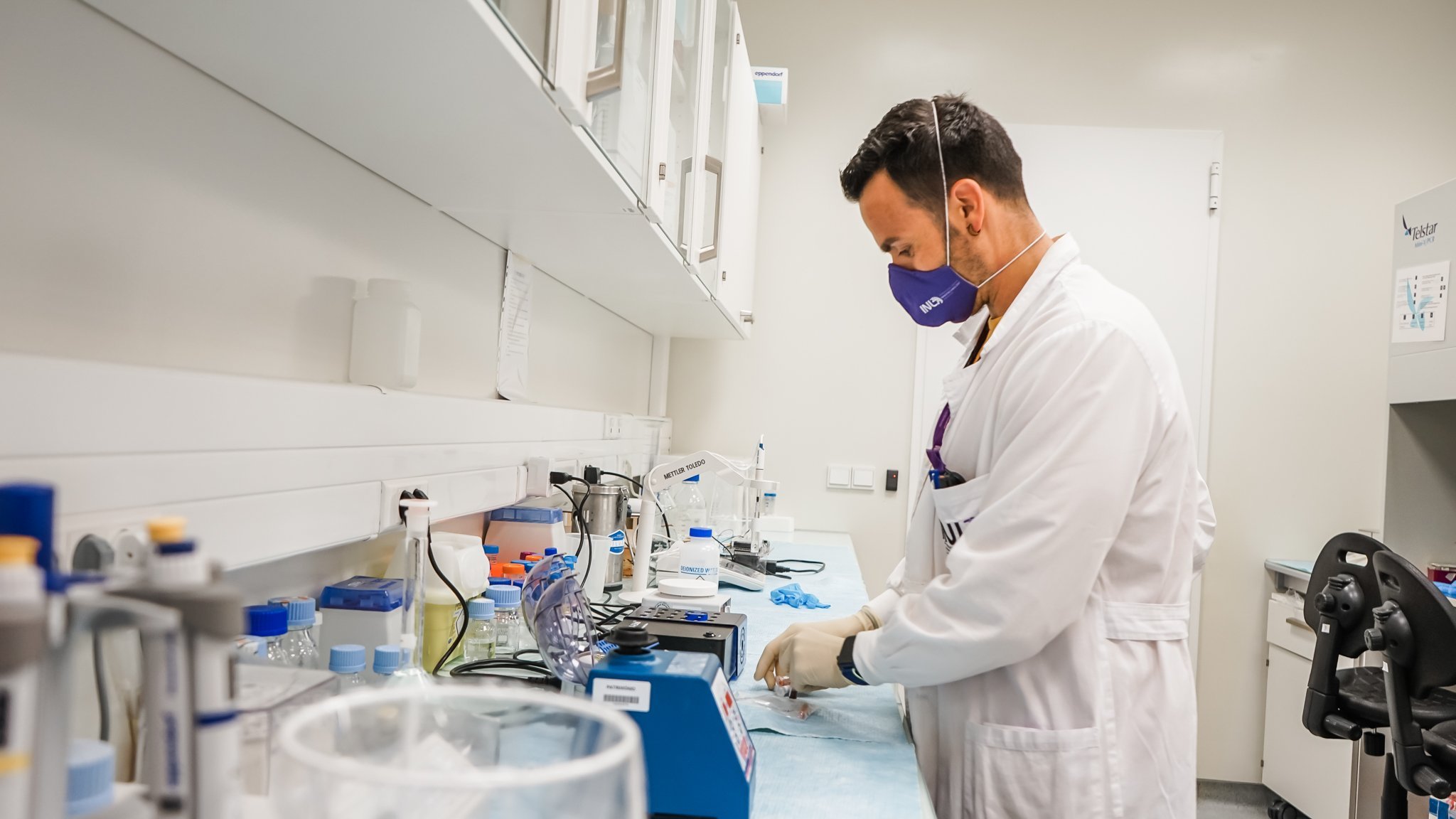
He joined INL – International Iberian Nanotechnology Laboratory in 2015 as a Marie Curie COFUND Research Fellow. Within this project, his research aimed to develop a fast multi-pathogen detection lab-on-a-chip based on DNA amplification by loop-mediated isothermal amplification combined with gold nanoparticles.
Alejandro is now a Staff Researcher in the Food & Quality Research Group and his work is focused on the development, and application, of molecular methods for the detection and quantification of foodborne pathogens, the implementation of bacteriophages as fast detection tools, and discrimination among viable and dead microorganisms. To this end, he is working with different DNA amplification techniques such as PCR/ qPCR, LAMP, LCR and RPA. Read the full interview >>
José Pedro Rodrigues
Facility Manager, is currently a member of the Micro and Nanofabrication Facility at INL. Among his facility management responsibilities, José focuses on cleanroom processes and equipment performance management.
José joined INL in 2016 with already 19 years of significant industrial background. He worked for international semiconductor companies having roles in Operations, Equipment and Process Engineering departments. More recently, he worked in a Swiss MEMS and Sensors company as an Equipment Specialist. Read the full interview >>

Sarah Azinheiro
PhD student at the INL – International Iberian Nanotechnology Laboratory as an FCT Research Fellow in the Food Quality and Safety Research Group. Sarah won the “Testing for Life” Student Award from the AOAC/Eurofins Foundation and she is involved in several projects related to the development of innovative and faster detection methods for pathogenic microorganisms and allergens, based on DNA analysis. Read the full interview >>

Catarina Moura
Science Communicator Officer at INL – International Iberian Nanotechnology Laboratory within the Communication, Conferences and Marketing unit.
Catarina has an active role in supporting the INL research community to carry out research and innovation-oriented activities of relevance for communication. She also coordinates science communication initiatives that range from the organisation of scientific events to the establishment of relationships with the media, scientific experts, universities, and other research organisations. Read the full interview >>

António Vilanova
Research Fellow working on the Nanofabrication Optoelectronic Application’s Research Group at INL – International Iberian Nanotechnology Laboratory. António obtained an MSc Degree in Environmental Engineering, in 2014, from the Faculty of Engineering of the University of Porto (FEUP), being awarded a Scholarship for Exceptional Academic Merit. In 2016, António was awarded a competitive individual FCT fellowship to carry on his PhD studies in chemical and biological engineering at FEUP. He obtained his PhD degree in February 2021. Read the full interview >>
Edoardo Sotgiu
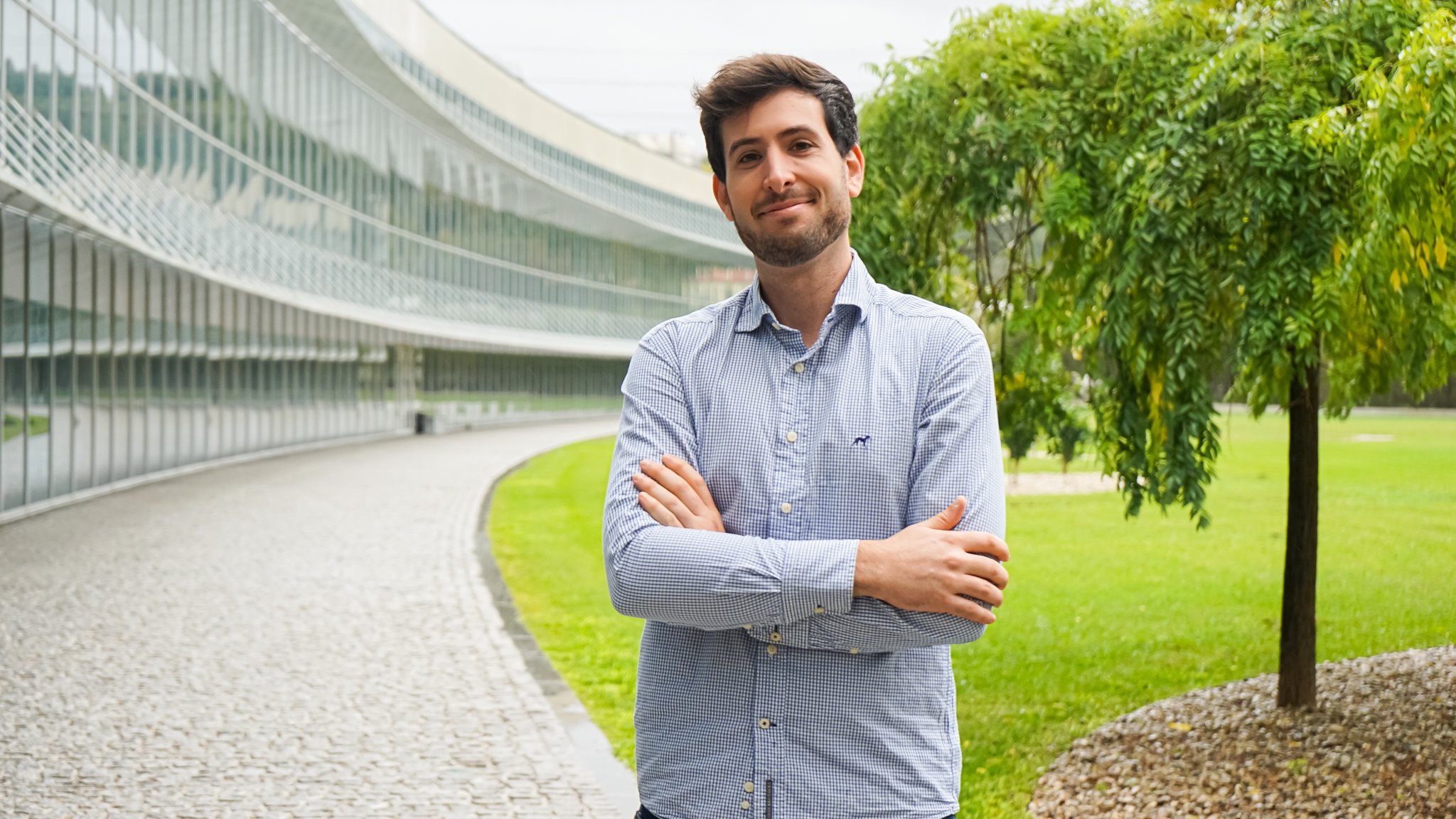
Research Engineer in the group of Microfabrication and Exploratory Nanotechnology (iMINA) at INL – International Iberian Nanotechnology Laboratory. He focuses his research on the field of haptics and his research interests vary from biomechanics and human movement analysis, to control of exoskeleton robotic devices, and robot-assisted neurorehabilitation to the pedestrian navigation system for blind people. Read the full interview >>

Carlos Marques
Research Engineer of the Systems Engineering Research Group. Carlos holds an Industrial Electronics and Computer Engineering Integrated Master Degree and completed his PhD in Electronics and Computer Engineering in 2016 at the University of Minho.
His research and work are focused on almost all aspects of electronics, but his preferences are in analogue instrumentation, signal processing, power electronics, and everything that involves electromagnetism. Read the full interview >>

Michael González-Durruthy
He joined INL – International Iberian Nanotechnology Laboratory this year and he is currently working in the Nanosafety research group. He graduated in Pharmaceutical Sciences from the University of Havana Cuba with an M.Sc. in Experimental Toxicology. And he holds two PhDs – one in Physiological Sciences from the Federal University of Rio Grande, Brazil and a second PhD in Materials Science from the University of Santiago de Compostela, Spain, Department of Applied Physics. Read the full interview >>

Lars Montelius
Lars Montelius completed his 8-year mandate as Director-General of INL – International Iberian Nanotechnology Laboratory last August and has been in service for eight years. In these last INL has matured both from its research activities and from an organizational point of view. Today, INL is, as you know, home to more than +400 passionate people from about +30 different countries.
In his own words “it has been a real pleasure to serve as Director-General of INL – International Iberian Nanotechnology Laboratory throughout these years, being able to be part of INL in all its areas of activity. I am grateful to all INLers, present and former ones, that so passionately have been part of this amazing journey – and of course to all partners and friends worldwide that we have been engaged with. I wish INL – and the new Director-General – soon to be appointed, all the best success”.
2023 looks to be even bigger, better, and busier and we will face strong goodwill and our usual stamina. INL is a proud and truly talented community. Thank you all for your hard work, enthusiasm and perseverance.
To all our partners and friends, thank you for being here and for supporting our work and our path.
We wish you all an amazing 2023!
“Healthy food design” with Mahnoor Ayub
Meet Mahnoor Ayub, Research Fellow in the Food Processing and Nutrition research group at INL – International Iberian Nanotechnology Laboratory. The focal point of her research includes the development of oleogels to be used in ice creams with enhanced health benefits. Her main objectives include researching novel ingredients that could replace or reduce fat content in ice creams with health benefits.
Mahnoor is an Erasmus Mundus Joint Master Degree Scholar where she holds a triple Master degree in Food Innovation and Product Design (FIPDes) from 3 countries including France, Ireland and Italy.

Can you tell us a bit about your path, your main area of work, and the importance of your work?
Being a big-time foodie, food always fascinated me since my childhood. I was always amazed at how food and nutrition affect us in all stages of our lives. Given a choice, I opted for a Bachelor’s degree in Food Science and Nutrition as it fascinated me tremendously to study the science behind food how food is processed in the bodies, its relation to health and diseases and food processing in the industry. Therefore, I specialized in Nutrition and Dietetics where I learnt in-depth the relationship between food and nutrients with life and health.
After my bachelor’s, I worked as a nutritionist where I realised that it’s very hard for anyone to follow a strict diet plan for a long time and to always eat healthily. There, I developed a huge interest to develop healthy and sustainable food products that could be readily available to people on a commercial level. Therefore, to broaden my horizons, I was fortunate enough to win an Erasmus Mundus Master’s scholarship in “Food Innovation and Product Design” where I could actually experience the real essence of food systems while working on industrial and science-driven culinary and research-based projects in a multi-cultural work environment. I specialised in “Healthy Food Design” at the University of Naples (Italy) where I learned to develop healthy and innovative food products from scratch to commercialisation.

Currently, I am working as a `Product Development Food Scientist` at INL where my main area of work is the development of healthy and innovative food products. This innovative project involves the use of novel and functional ingredients like phytosterols, fibres, vitamins and proteins to be added to the ice cream to bring functional properties and health benefits.
There are many people who are health conscious or people with health issues that cannot enjoy simple things in life like enjoying ice cream, therefore, with the development of food products that are healthier than conventional ice cream, we can bring a difference to the table. With growing consumer interest and consciousness in food-related issues, it’s very important to introduce healthy alternatives in the market to meet consumers’ needs and make products that are sustainable for the planet.
Why did you decide to work for the development of functional ice creams with enhanced health benefits?
Ice cream is everyone´s favourite, including mine. When I read the project description, it instantly grasped my attention to work for ice creams. And why not, ice cream is a fascinating and delicious food product but, it also brings guilty pleasure to many of us. The idea of thinking outside of the box to use functional ingredients to bring nutritional and health benefits was a big take for me, especially to work on a product that is novel and not currently available in the market. After studying more about INL and the partner Ice cream Company, I became really interested in the project which would give me an opportunity to work in the industrial and research side simultaneously.
Even now, when I tell people in simple language (not in scientific language), that I am working on the development of healthy ice creams, I could simply see the joy on their faces just by listening to the words “ice cream”. This project will bring something new to the food market and people with health issues can also enjoy “ice cream” in a healthy way.

If you weren’t a Researcher, what would you be doing?
That’s a tough question. I have been interested in many things but I if was not researcher, I would have been an entrepreneur. From time to time, I think of many business ideas that revolve around food and sometimes, some other non-edible products as well. That’s a plan for the future, which eventually will be executed, hopefully in the near future. But, I guess, even for that, I need to be a good researcher, to research the market and to work on the product. So, this research part would stick with me even if I am doing something else.
Michael González-Durruthy on performing computational studies toward safer, efficient and rational nanomaterial design
Michael González-Durruthy, joined INL – International Iberian Nanotechnology Laboratory this year and he is currently working in the Nanosafety research group. He graduated in Pharmaceutical Sciences from the University of Havana Cuba with an M.Sc. in Experimental Toxicology. And he holds two PhD’s – one in Physiological Sciences from the Federal University of Rio Grande, Brazil and a second PhD in Materials Science from the University of Santiago de Compostela, Spain, Department of Applied Physics.
Michael’s research work and interests go from Computational biochemistry, Computational Nanotoxicology, Molecular Biophysics, Precision Nanomedicine, and MitoTarget-Drug Discovery. Please welcome Michael and know a bit more about his path below.

Can you tell us a bit about your path, your main area of work, and the importance of your work?
I graduated in Pharmaceutical Sciences from the University of Havana Cuba with an M.Sc. in Experimental Toxicology, from the same university.
My research covers the field of Computational Biochemistry mainly focusing on topics of Computational Nanotoxicology, Molecular Biophysics, Precision Nanomedicine, and MitoTarget-Drug Discovery.
Concerning my scientific path, I have a PhD in Physiological Sciences from the Federal University of Rio Grande, Brazil and a second PhD in Materials Science from the University of Santiago de Compostela, Spain, Department of Applied Physics. I also participate as a postdoctoral researcher as part of funded European projects in the Faculty of Sciences of the University of Porto – FCUP and BioISI – BioSystems and Integrative Sciences Institute in the Faculty of Sciences of the University of Lisbon. Being enrolled in several European projects aimed to risk evaluation and nanosafety of nanomaterials.
Currently, I work as a Research Fellow in Computational Toxicology at the Nanosafety research group at INL – International Iberian Nanotechnology Laboratory. Regarding the importance of my work, it is oriented to develop and implement computational in silico tools for Computational Nanotoxicology toward a rational and safe use of nanotechnology applications.
How would you explain the importance of your work area to a non-scientific person?
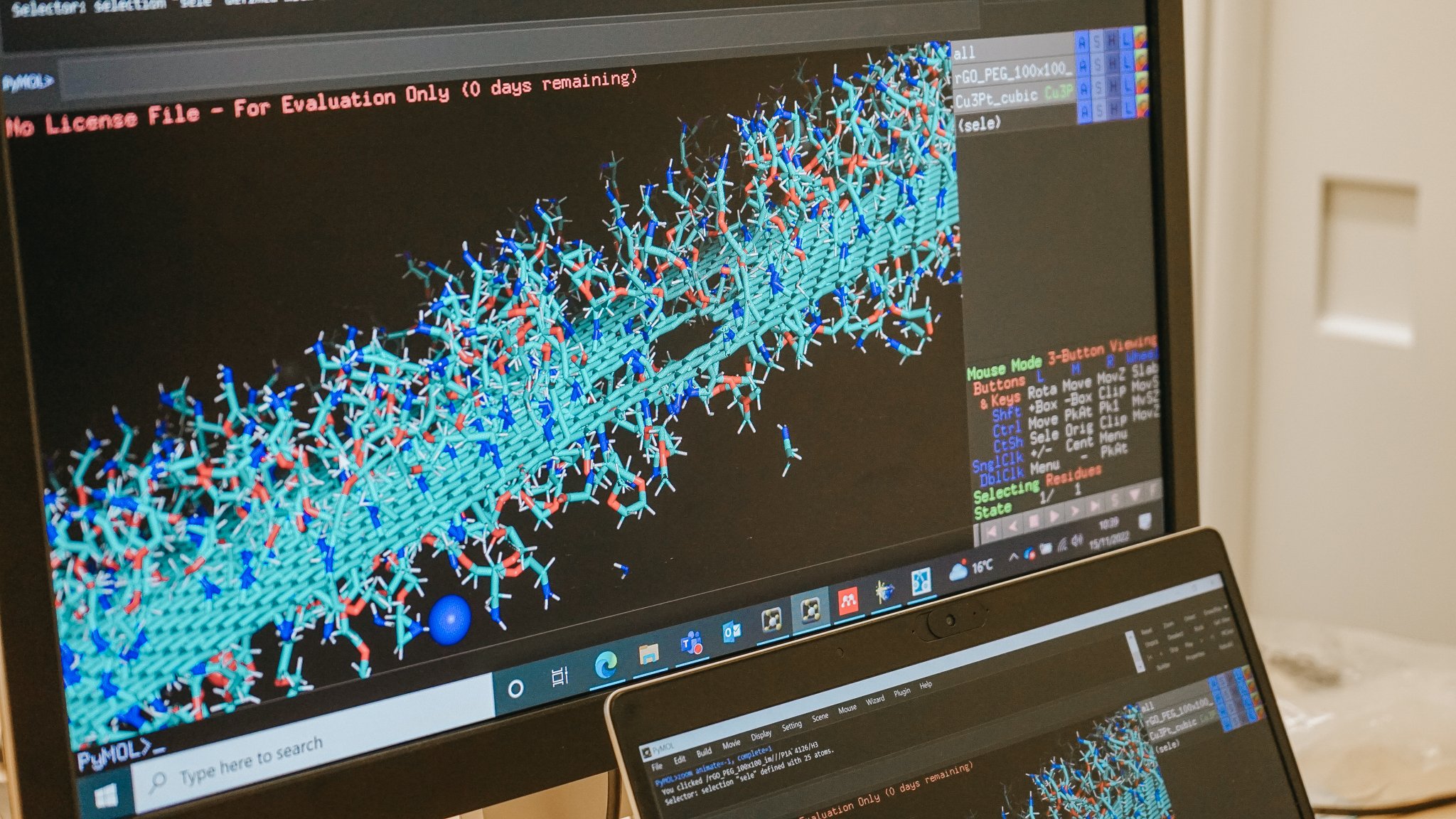
My research work is mainly focused on performing computational studies toward safer, efficient and rational nanomaterial design, with an emphasis on Nanotoxicology by performing predictive methods for nanosafety concerns and nano-risk evaluation.
Basically, these tools involve artificial intelligence as machine learning regression and classification-based models that allow the establishment of quantitative-structure-nanotoxicity relationships of nanoparticles and nanomaterials from different chemical natures and properties. Being the main objective to ensure an optimal balance between their physicochemical properties and their potential nanotoxicity toward a safety use for potential biomedical applications with the lowest health and environmental impact.
Also involving ethical concerns on the use and development of free-animal testing according to OECD principles on animal experimentation.

Briefly, what is a ‘day in the life’ of Michael and how can you inspire future students to follow this path?
I have a strong motivation for multidisciplinary challenges involving potential toxicological concerns derived from the use of nanotechnologies in our daily life. In this regard, my research daily routine turns around improved and widen the borders of Nanotoxicology as a growing field. In this regard, every day I keep improving my skills closely connected with recent advances in the computational toxicology field and related branches such as machine learning, structure-based methodologies such as molecular docking, and biophysics models that allow establishing quantitative-structure-nanotoxicity relationships of nanoparticles and nanomaterials toward a safe use of the nanotechnologies.
I encourage future students interested in this field to follow their dreams and keep their curiosity and motivation alive to find new perspectives and challenges on these cutting-edge topics. I do not doubt that it could take your scientific ambitions and personal dreams to the next level.
Meet Carlos Marques, Research Engineer in the Systems Engineering Group
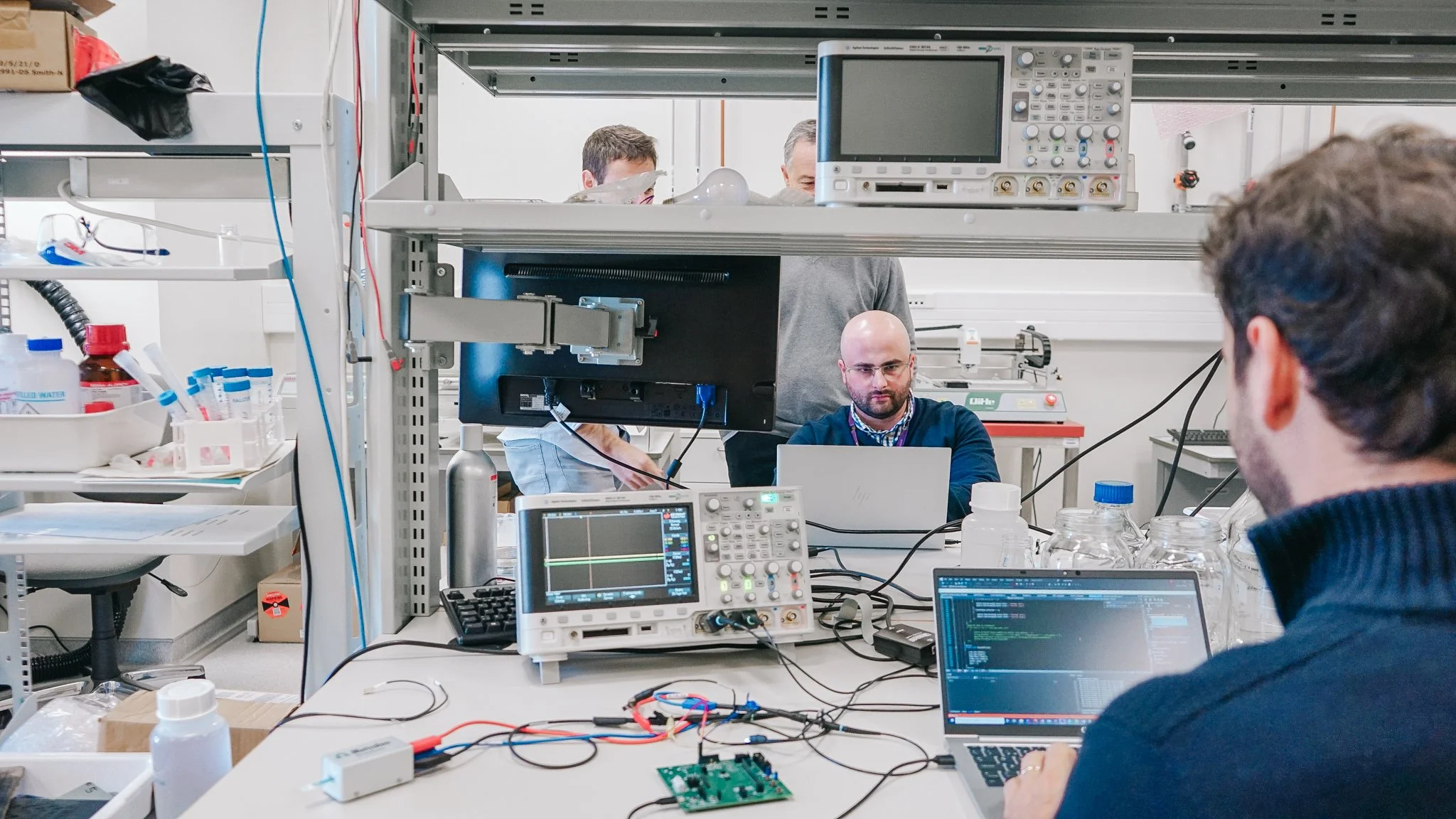
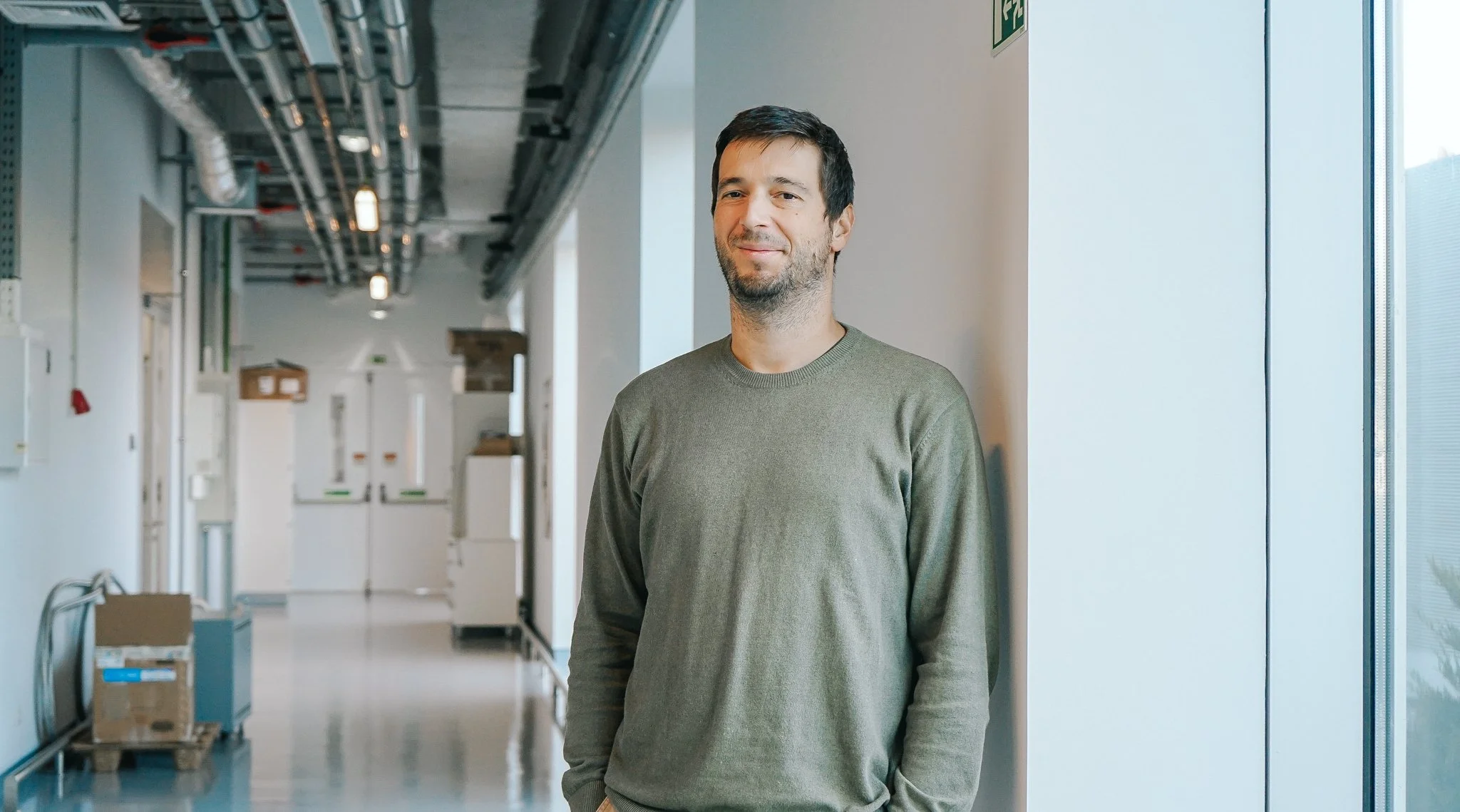
Meet Carlos Marques, Research Engineer of the Systems Engineering Research Group. Carlos holds an Industrial Electronics and Computer Engineering Integrated Master Degree and completed his PhD in Electronics and Computer Engineering in 2016 at the University of Minho.
His research and work are focused on almost all aspects of electronics, but his preferences are in analogue instrumentation, signal processing, power electronics, and everything that involves electromagnetism.

Could you take us through your professional life and the different roles you have played throughout your career?
I’m fond of electronics since I know myself. I remember disassembling old (sometimes even new) electronic and electromechanical equipment I had access to and becoming fascinated with all that coloured animated fuss, resembling big complex cities seem from the air, in which chaos and order coexist. From this perspective, it’s a pity nowadays electronic equipment is so small and hard to disassemble, it’s an entire underworld closing to kids’ eyes. Something similar is happening with homemade electronics, as the size of components continues to shrink, requiring specialized equipment for assembling them.
In all these years of activity, I have been in almost every branch of electronics: from analogue to digital; from small-signal to power applications; from low to high voltage; from low-frequency to high-frequency (radiofrequency); even on retro electronics (I’m a fan of electronic valves). I have also been active on microcontrollers and low-level programming (low-level software and firmware) for a long time; I started with the ZX Spectrum.
My “official” professional life started after getting my engineer’s degree, in a small research and development company in Braga. During that time I worked in close connection with the industry, designing custom retrofit devices and sometimes also making some industrial maintenance; I was a kind of “jack-of-all-trades”. It was a tough period of endless work and big responsibilities, having to deal with expensive industrial machines without having any specific training on some specific brand or model. I remember leaving work at 2am and dining a hot dog and a beer in some bar that was still open. I often worked overnight at home, for having things ready on time. The industry is the non-stop underworld that keeps society moving on, full of picaresque characters and sad lives, especially at night shifts. It was a very special period, it made me grow both as an engineer and as a person.

After that, I worked for one year as a freelancer, repairing and making custom electronic equipment for musicians (valve equipment, mostly), and doing some sporadic industrial maintenance, also. I’m an amateur musician, so this was a natural step. I was then invited to another small company, in which I designed power dimmers for all kinds of loads (that’s power electronics), and made some low-level software. I then decided to return to the university, for getting closer to the research world: I got a grant for working at a textile research centre, in which I designed medical-grade electronics for their textile applications.
I was becoming an experienced engineer. However, over all these years I noticed that the very best engineers (those who write technical books, for example) have a clear understanding of the underlying physics, more precisely, of electromagnetism. I retained some basic knowledge of it from the university classes, but soon I realised it was not enough for sure if I wanted to go further. At the time I was around 34, or 35 years old, so it seemed obvious to me that the best way for pursuing such knowledge was by taking a PhD. For that, I chose a subject that would force me to study electromagnetism hard: wireless power transmission. I made a proposal to the scientific committee of the university, and it was accepted, then I applied to the Portuguese FCT, and I got a PhD grant. That’s the “how and why” of my PhD. I know this isn’t the usual motivation for a PhD (you know, a research career in an academic context, writing a bunch of papers for the curriculum, etc.); I was more focused on the knowledge itself and on research methodology (learning how to think), just for being a better engineer. It ended up being a decisive option in my career, as it was a major step forward in my engineering skills, mainly in the understanding of fundamental phenomena, which is precisely the main limitation of the typical engineer, by the way.
Finally, having finished the PhD, and after a short hiatus, I applied to a position here at the INL in 2017, and here I am since then!
What aspects of systems engineering interest you the most?
As I said, I’m interested in almost all aspects of electronics, but my preferences would go for analogue instrumentation, signal processing, power electronics, and everything that involves electromagnetism. I like also the system-level approach to solving engineering problems, that is, devising an architectural solution (an algorithm or block diagram, for example).
ICs are the major enablers of current and future technologies and applications, such as 5G/6G, smart factories and cars, blockchains, artificial intelligence (AI), and machine learning. How do you see the future of IC design?
I would say that ICs will become smaller and more complex, integrating more and more things, thus continuing a long-lasting trend. Regarding the chip design itself, I believe there is still a lot to do on EDA – Electronic Design Automation software tools for analogue and radio frequency design automation, with special emphasis on automatic synthesis from a block diagram or analogue Hardware Description Language. Currently, EDA tools are quite advanced for digital electronics, but not so for the referred fields.
Still, I’m not the right person to comment on that, because I’m not a “full” chip designer, as I have just some knowledge of analogue CMOS design, and chip design is far more than that. In fact, my activity on chip design is practically limited to the system architecture.
We will see that technology continues to evolve rapidly with more electronic devices and appliances operating with a simple tap on a mobile app. Robotics and AI will also have a larger role in our world, making systems smarter, faster and more efficient.
Any advice for students considering a career in science or engineering?
First of all, be brave! Try to go further whenever possible, even if it takes more time: try to understand what you are doing, even if you are just copying or adapting an existing solution. Typically, engineers tend to know the “how”, but not the “why”: they love algorithms and formulas, but usually don’t know their origin or even their validity domain. This is the main limitation of most engineers, and it is the cause of the bad reputation they have in the research environment. But, to be fair, this works for both sides: usually, researchers don’t know what they are doing when they deal with engineering!
Try to be creative when you face a problem. Don’t start up by just looking immediately for an existing solution (a paper, an application note, a commercial solution, etc.), try to devise your own solution first, and then see how it compares to the existing ones if any. It takes time, as I said, but you will learn a lot in the process, and you will be boosting your creativity. Moreover, this is the key to bringing some added value to the institution you work for in the future, and thus becoming a valuable resource.
Last but not the least, try to broaden your personal interests and activities, don’t get stuck just on electronics. This will help with creativity, and you will become a more fulfilled (and interesting) person. Remember, life is finite and brief, carpe diem!
INL is looking for a new Director-General
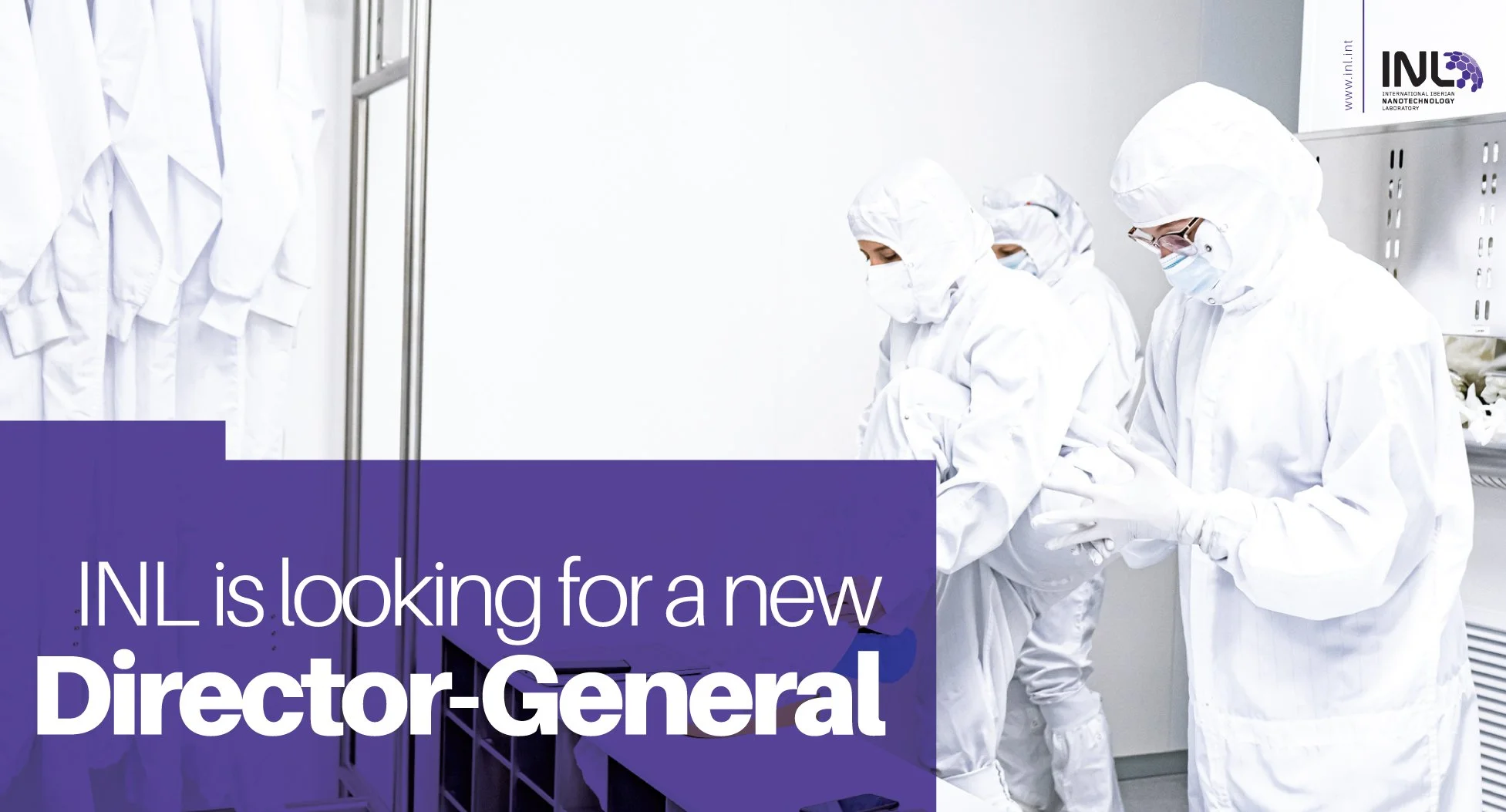
The Council of INL is seeking an experienced, inspirational and dynamic leader to serve as INL’s next Director-General.
The Director-General is responsible for the overall leadership, strategic direction and management of the multidisciplinary and international community of INL.
Moreover, the Director-General is the spokesperson for INL and serves as an advocate and communicator with all stakeholders and interested parties including the worldwide scientific community, policymakers, industry groups, funding organisations, the media and the general public.
About INL
At INL – International Iberian Nanotechnology Laboratory, located in Braga (North of Portugal), scientists and engineers from all over the world work in a highly interdisciplinary environment and strive to make INL become a worldwide hub for the deployment of Nanotechnology, addressing society’s grand challenges.
The INL was founded by the governments of Portugal and Spain under an international legal framework to perform interdisciplinary research deploy and articulate nanotechnology for the benefit of society.
The Research and Technology activities are focused on areas : Advanced Materials and Computing, Clean Energy, Food for the Future, Precise Personalised Health, Smart Digital Nanosystems and Sustainable Environment, which complement each other and provide a base for interdisciplinary interactions between our research.
The full-fledged nanotechnology laboratory enables leading research of the highest international standard.
Edoardo Sotgiu, reproducing technology that can create an experience of touch by applying forces, vibrations, and motions
Meet Edoardo Sotgiu, Research Engineer in the group of Microfabrication and Exploratory Nanotechnology (iMINA) at INL – International Iberian Nanotechnology Laboratory. He focuses his research on the field of haptics and his research interests vary from biomechanics and human movement analysis, to control of exoskeleton robotic devices, and robot-assisted neurorehabilitation to the pedestrian navigation system for blind people.


Can you tell us a bit about your path and your main area of work?
I started by taking a master’s degree in mechanical engineering at the University of Pisa, and then worked as a research fellow at Scuola Superiore Sant’Anna at PerCro, a research laboratory focused on the human-robot interface and haptic devices.
I’ve spent many years at PerCro, involved in many national and international projects, ranging from the development of control of parallel kinematics haptic interface for bilateral teleoperation system for surgeries to the development of autonomous mobile robot based on bio-inspired vision, from vibrotactile and sensing devices for psychophysics study on human perception in a virtual environment to the development and control of exoskeletal robotic devices for neuro-rehabilitation robotic therapy, to pedestrian navigation systems for blind people.
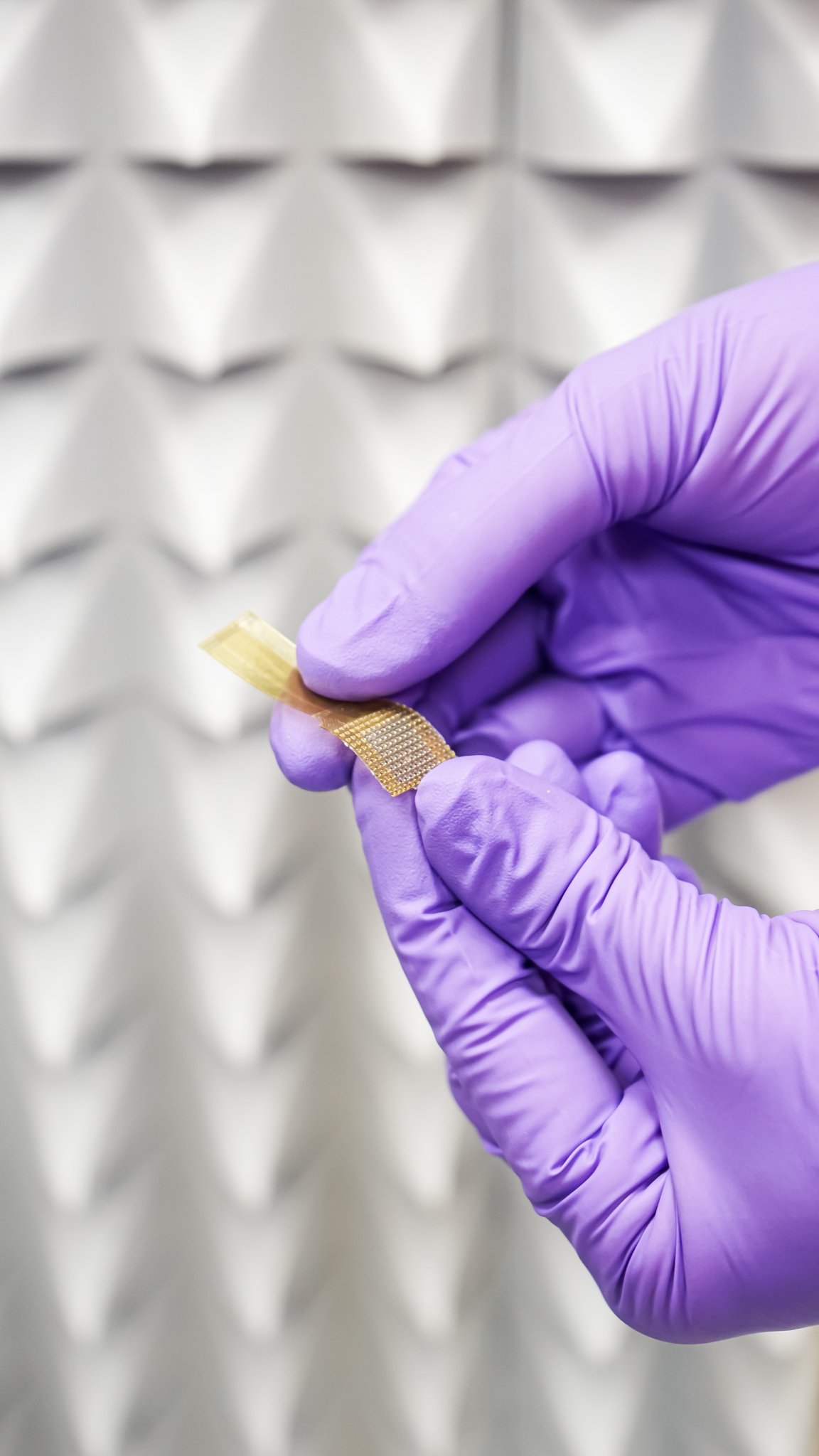
In 2017, I took a new opportunity at INL. Here I would be able to explore the use of micro-technology in the development of haptic devices I am now a Research Engineer in the IMINA research group and my current research is focused on the field of haptics, including tactile sensors and actuators. In this context, in collaboration with Edilásio (Ibermoldes) – a plastic injection moulding company -, we proposed a project, Product-In-Touch. Under this project, thanks to the support of Diogo Aguiam and many other colleagues of IMINA research group, we develop a flexible tactile sensor array for surface recognition and a pneumatic-based tactile actuator array for VR simulation of the interior car.
The project finished in 2021, and I’ve already been involved in submitting a new proposal for a new European project for exploiting such tactile sensors in an industrial set-up. In parallel, my research continues and I am exploring many different technologies and materials for new tactile sensors and actuators in collaboration with some colleagues of the IMINA research group.
In parallel, I’ve been involved, under the FDPanel project, in the development of MEMS-based capacitive acoustics and ultrasonic speaker.

How will interactions change through haptics? How can it be helpful?
The ProTouch project, specifically, allowed us to develop and test both a haptic sensor for capturing surface textures and a haptic display to virtually render the tactile sensation on the fingertip of a user interacting with virtual objects. The intent was to reproduce the tactile sensations in the interaction between the user and car interiors, creating the prerequisites for the development of a tool to validate the quality of plastic injection surfaces before their fabrication.
Speaking of tactile sensors, the applications that can benefit from them are many. They range from improving the perceptual ability of autonomous or teleoperated robots (humanoid and non-humanoid) to extending human-machine interfaces used to transmit commands and information in real-time.
One of the fields that can benefit most is the medical field, where haptic sensing can be critical as a functional skin for prostheses, enriching their perceptual capabilities, in joint replacement procedures, incorporating smart sensors to monitor load distribution, or even in enhancing the fine tactile perception of slave surgery robots remotely controlled by the medical staff.
Shifting the focus to haptic feedback devices, the idea of rendering kinesthetic and haptic sensations on humans has been a research challenge since the 60s. Indeed, a variety of applications can benefit from their use ranging from telepresence to bilateral teleoperation, especially in the medical field (for example, in minimally invasive surgery or robotic rehabilitation), from virtual applications for gaming or virtual training for a complex and dangerous task to applications in prosthetics.
In addition, the recent development of tactile feedback touchscreens is paving the way for the introduction of a completely new communication channel between the smartphone and the user.
Such innovation is leading to revolutionise, for example, the online commercial field, enriching visual and audio feedback to the customer for product selection, or the social sphere, going on to change the way people interact virtually.

Any advice for students considering a career in science or engineering?
Keeping your personal skills and your own motivation and research goal, I would advise to complete the master’s degree and consider achieving a postgraduate qualification, by gaining experience in the field of academics and research. I also suggest undertaking internships or work experience, preferably abroad. This will help you make a decision about your future and your career, whether it is more academically or professionally oriented.
Also, I would like to give some tips, which I hope can help, like asking people for help, having the courage and don’t avoid something just for fear of failing, working as hard as you can, and also, don’t worry too much about the failures, because you can learn more from them and they will help you grow.
Miguel Cerqueira among the most cited researchers for the fifth year in a row
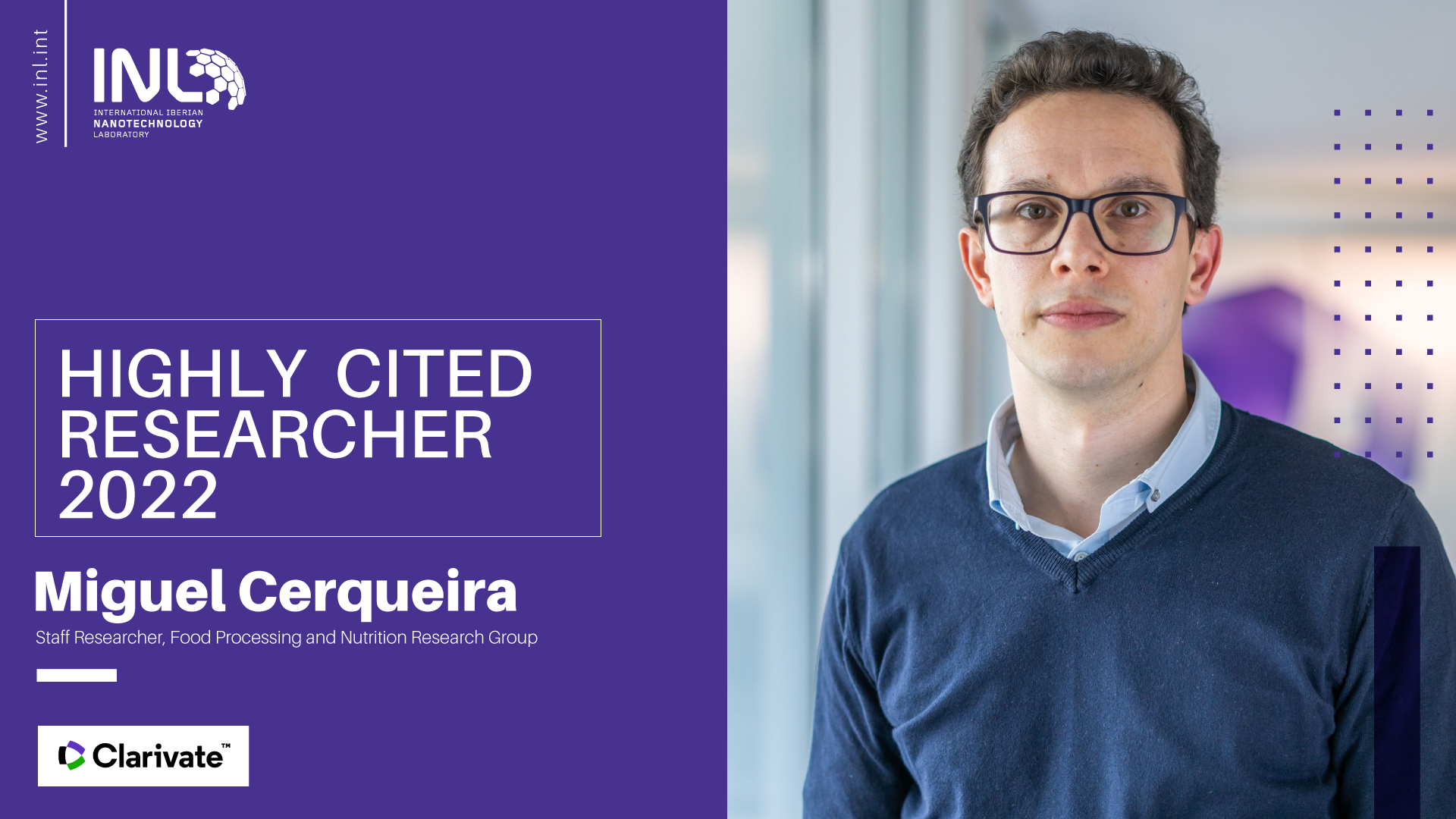
The INL – International Iberian Nanotechnology Laboratory staff researcher, Miguel Cerqueira, from the Food Processing Research Group, has been ranked as a “Highly Cited Researcher” for the fifth consecutive year, in the field of Agricultural Sciences.
The annual list identifies some 6,938 researchers from across the globe who demonstrated significant influence in their chosen field or fields through the publication of multiple highly cited papers during the last decade. The Highly Cited Researchers’ names are drawn from the publications that rank in the top 1% by citations for field and publication year in the Web of Science™ citation index, and the list identifies the research institutions and countries where they are based.
Miguel Cerqueira commented: ‘I’m very happy for being included in the list again. It highlights the excellent research that we are doing in the area of Agricultural Sciences at INL. Our goal is to combine different areas of expertise, such as nanotechnology and food science and technology, to address some of the agri-food chain challenges. We hope these endeavours can positively impact our food system’s future.”
Miguel has been focusing his research on the development of nanosized bio-based structures for food applications such as edible and biodegradable films and coatings for packaging, encapsulation of functional compounds using emergent encapsulation technologies, and the structuring of gels, such as emulgels and oleogels.
Congrats, Miguel!
Eight INL researchers among the World’s Top 2% Scientists

Paulo Freitas, INL – International Iberian Nanotechnology Interim Director-General, Paulo Ferreira, Group Leader – Atomic Structure Composition of Materials, Joaquín Fernández-Rossier, Group Leader of Theory of Quantum Nanostructures, Sascha Sadewasser, Group Leader Nanostructured Solar Cells, Zongchang Wang, Group Leader of Atomic Manipulation for Quantum Nanotechnology, Miguel Ângelo Cerqueira, Staff Researcher of the Food Procession and Nutrition Group, Lifeng Liu, Group Leader of Nano Materials for Energy Storage and Conversion, and Nuno Peres, Associate of the Theory of Quantum Nanostructures have been included in a study conducted by the University of Stanford (United States), about the top 2% of most widely cited scientists in various disciplines, in a recent release by Stanford University.
These eight INL researchers were highlighted for the impact of their work throughout their whole careers, among the World’s Top 2% Scientists. The updated list is based on the Sep 01, 2022, snapshot from Scopus, updated to the end of the citation year 2021. The list provides a publicly available database of 100,000 top scientists in several disciplines worldwide, with standardised information on citations, h-index, co-authorship-adjusted hm-index, citations to papers in different authorship positions, and a composite indicator.
Congratulations to Paulo Freitas, Zhongchang Wang, Paulo Ferreira, Nuno Peres, Lifeng Liu, Joaquín Rossier, Sascha Sadewasser and Miguel Cerqueira.
Next Page » « Previous Page -->Paulo Freitas, INL – International Iberian Nanotechnology Interim Director-General, Paulo Ferreira, Group Leader – Atomic Structure Composition of Materials, Joaquín Fernández-Rossier, Group Leader of Theory of Quantum Nanostructures, Sascha Sadewasser, Group Leader Nanostructured Solar Cells, Zongchang Wang, Group Leader of Atomic Manipulation for Quantum Nanotechnology, Miguel Ângelo Cerqueira, Staff Researcher of the Food Procession and Nutrition Group, Lifeng Liu, Group Leader of Nano Materials for Energy Storage and Conversion, and Nuno Peres, Associate of the Theory of Quantum Nanostructures have been included in a study conducted by the University of Stanford (United States), about the top 2% of most widely cited scientists in various disciplines, in a recent release by Stanford University.
These eight INL researchers were highlighted for the impact of their work throughout their whole careers, among the World’s Top 2% Scientists. The updated list is based on the Sep 01, 2022, snapshot from Scopus, updated to the end of the citation year 2021. The list provides a publicly available database of 100,000 top scientists in several disciplines worldwide, with standardised information on citations, h-index, co-authorship-adjusted hm-index, citations to papers in different authorship positions, and a composite indicator.
Congratulations to Paulo Freitas, Zhongchang Wang, Paulo Ferreira, Nuno Peres, Lifeng Liu, Joaquín Rossier, Sascha Sadewasser and Miguel Cerqueira.