Today, February 11, in the “International Day of Women and Girls in Science, we highlight a simple equation: More women and girls in science equals better science,” said UN Secretary-General António Guterres. It’s an important day for promoting equitable access for women and girls in the fields of Science, Technology, Engineering and Mathematics (STEM).
Education research clearly shows that there is tremendous value in having scientists connect with students. When students see that scientists are real people like themselves, they are more likely to participate in science and consider science careers. And by actively promoting science in our everyday lives will empower our children to make informed decisions in the future.
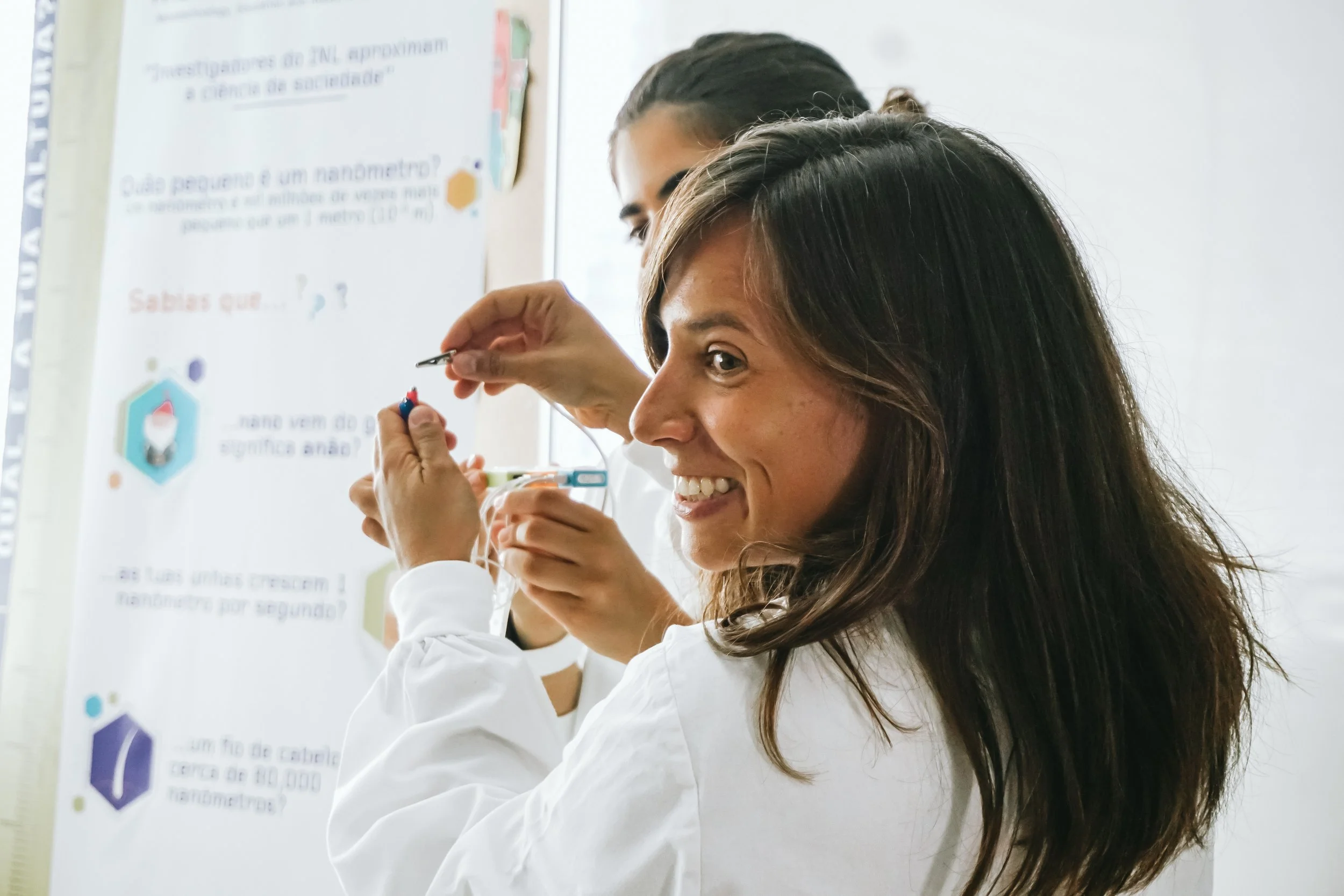
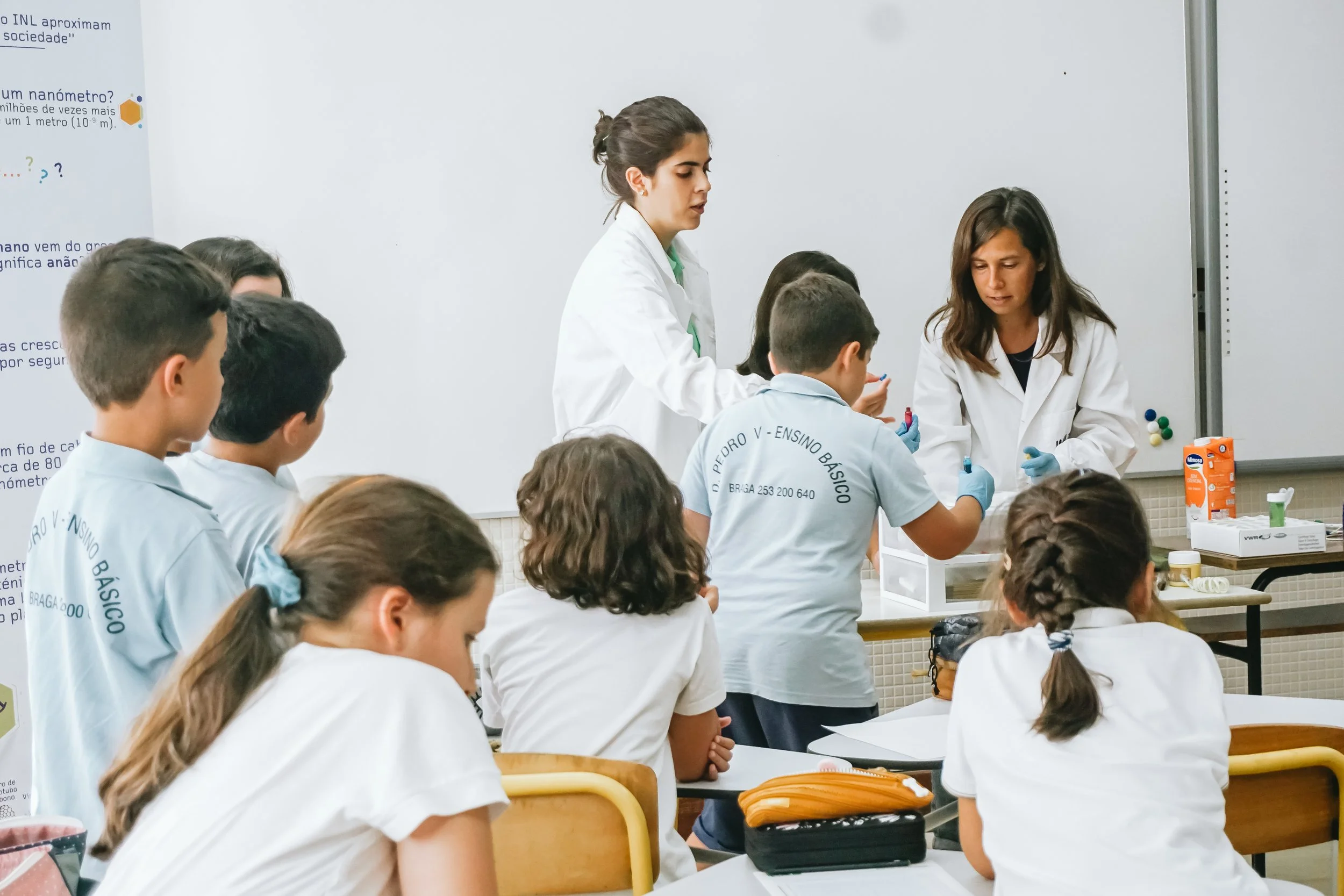
Taking part in the International Day of Women and Girls in Science celebrations and the European Researchers’ Night 2023 initiative, yesterday, female researchers working at INL – International Iberian Nanotechnology Laboratory visited Escola Básica nº 2 de Lamaçães and showcased to the inspiring and interested students what science is all about. During this visit, we counted the participation of the Research Group Leader Begoña Espiña, Research Fellow Bruna Alves, PhD student Sara Resende and the Science Communicator Catarina Moura.
We also take this special day to thank all the women working at INL – International Iberian Nanotechnology Laboratory. Thank you all for making science a journey of enchantment, mystery and discovery. Thank you for your constant work in making INL a more equitable, diverse and inclusive place. Today we celebrate you, your empowerment and your achievements. You are all true role models, never stop being who you are.
And stay tuned, in the upcoming weeks we will shine a spotlight on women in STEM with a new interview series with Women working in/with Science at INL. It’s important to celebrate the amazing contributions women make in science. Happy #WomeninScience day to all.
“Healthy food design” with Mahnoor Ayub
Meet Mahnoor Ayub, Research Fellow in the Food Processing and Nutrition research group at INL – International Iberian Nanotechnology Laboratory. The focal point of her research includes the development of oleogels to be used in ice creams with enhanced health benefits. Her main objectives include researching novel ingredients that could replace or reduce fat content in ice creams with health benefits.
Mahnoor is an Erasmus Mundus Joint Master Degree Scholar where she holds a triple Master degree in Food Innovation and Product Design (FIPDes) from 3 countries including France, Ireland and Italy.

Can you tell us a bit about your path, your main area of work, and the importance of your work?
Being a big-time foodie, food always fascinated me since my childhood. I was always amazed at how food and nutrition affect us in all stages of our lives. Given a choice, I opted for a Bachelor’s degree in Food Science and Nutrition as it fascinated me tremendously to study the science behind food how food is processed in the bodies, its relation to health and diseases and food processing in the industry. Therefore, I specialized in Nutrition and Dietetics where I learnt in-depth the relationship between food and nutrients with life and health.
After my bachelor’s, I worked as a nutritionist where I realised that it’s very hard for anyone to follow a strict diet plan for a long time and to always eat healthily. There, I developed a huge interest to develop healthy and sustainable food products that could be readily available to people on a commercial level. Therefore, to broaden my horizons, I was fortunate enough to win an Erasmus Mundus Master’s scholarship in “Food Innovation and Product Design” where I could actually experience the real essence of food systems while working on industrial and science-driven culinary and research-based projects in a multi-cultural work environment. I specialised in “Healthy Food Design” at the University of Naples (Italy) where I learned to develop healthy and innovative food products from scratch to commercialisation.

Currently, I am working as a `Product Development Food Scientist` at INL where my main area of work is the development of healthy and innovative food products. This innovative project involves the use of novel and functional ingredients like phytosterols, fibres, vitamins and proteins to be added to the ice cream to bring functional properties and health benefits.
There are many people who are health conscious or people with health issues that cannot enjoy simple things in life like enjoying ice cream, therefore, with the development of food products that are healthier than conventional ice cream, we can bring a difference to the table. With growing consumer interest and consciousness in food-related issues, it’s very important to introduce healthy alternatives in the market to meet consumers’ needs and make products that are sustainable for the planet.
Why did you decide to work for the development of functional ice creams with enhanced health benefits?
Ice cream is everyone´s favourite, including mine. When I read the project description, it instantly grasped my attention to work for ice creams. And why not, ice cream is a fascinating and delicious food product but, it also brings guilty pleasure to many of us. The idea of thinking outside of the box to use functional ingredients to bring nutritional and health benefits was a big take for me, especially to work on a product that is novel and not currently available in the market. After studying more about INL and the partner Ice cream Company, I became really interested in the project which would give me an opportunity to work in the industrial and research side simultaneously.
Even now, when I tell people in simple language (not in scientific language), that I am working on the development of healthy ice creams, I could simply see the joy on their faces just by listening to the words “ice cream”. This project will bring something new to the food market and people with health issues can also enjoy “ice cream” in a healthy way.

If you weren’t a Researcher, what would you be doing?
That’s a tough question. I have been interested in many things but I if was not researcher, I would have been an entrepreneur. From time to time, I think of many business ideas that revolve around food and sometimes, some other non-edible products as well. That’s a plan for the future, which eventually will be executed, hopefully in the near future. But, I guess, even for that, I need to be a good researcher, to research the market and to work on the product. So, this research part would stick with me even if I am doing something else.
Catarina Moura, following a different path in science
Information and misinformation are everyday attitudes and actions. We find ourselves in the midst of so many problems where science might offer at least partial solutions and understanding. Science also may help us avoid more of the problems science has already caused. Access to science and its benefits and opportunities is uneven across the world—as is the production of scientific knowledge and it is in our hands to tackle this problem and help transform doubts and concerns into true and easy-to-access information and knowledge.
Science communication is the ability to explain science and scientific research to different audiences. A science communicator is someone who bridges the gap between science and the public. It’s the starter of a long conversation, the promoter of awe and curiosity while encouraging the audience to also contribute with their own questions, concerns or ideas.
In these challenging times – the war, the pandemic, the climate crisis, and concerns over new technologies – we present you Catarina Moura, Science Communicator Officer at INL – International Iberian Nanotechnology Laboratory within the Communication, Conferences and Marketing unit.
Catarina has an active role in supporting the INL research community to carry out research and innovation-oriented activities of relevance for communication. She also coordinates science communication initiatives that range from the organisation of scientific events to the establishment of relationships with the media, scientific experts, universities, and other research organisations.
Could you take us through your professional life and the different roles you have played throughout your career?
I have worked as a scientist in the past years.
I studied Bioengineering at the Faculty of Engineering of the University of Porto, my Master‘s thesis was in the field of Nanomedicine, and I have a PhD in biomedical sciences from the University of Southampton, in the UK.
Throughout my career, I have always been involved in science communication.
I was part of the British Roadshow “Bringing Research to Life” team – which is an itinerant platform designed to help researchers share their work with the general public; and I participated in many international festivals like Glastonbury, working at the Science Tent, and the Cheltenham Science Festival,
I also worked at the Doctoral College in the UK, and my main responsibilities included the organisation of scientific activities for researchers as well as for non-scientific audiences.
What sparked your interest in science communication? What made you so passionate about it?
I was always driven by the excitement of discovering new things, solving problems, and getting things done – and being a full-time scientist looked like the perfect fit for a recently-awarded PhD student.
However, I have to confess that it has been a mammoth task to discover the best career to match my skills, personality, and passions. And it continues to be. In my dream job, I would be using my interpersonal and communication skills, solving problems and learning new topics, while being surrounded by nature and having a positive impact on our society and the World.
Coming from a scientific background, and having management, research and writing skills, it seemed to me like a natural step to become a science communicator.
In recent times, there has been a lot of talk about how the media misleads the non-academic community by misreporting scientific data or facts. What are your views on this?
I think there’s a communication gap between scientists and society, and that’s why science communication is so important. It’s important that we, scientists, are more open about how research works and all the uncertainties involved.
Usually, the media shares with the public the final results of a finished project, a ‘Eureka’ moment of a particular research group, or an interview with a scientist that was granted an international award. The general public is not aware that science is not a collection of facts that tell us what we know about the world. Science is a method of discovery.
Scientists make hypotheses, derive predictions, and then carry out experiments based on those predictions. And we need to combine our efforts to better communicate science and engage different audiences.
Could you share some advice for researchers trying to communicate their research to the non-academic community?
Science communication is important for many reasons: to address urgent issues (such as the climate crisis), to educate and inform the public and decision-makers, to make science more transparent, and to inspire communities and the next generations. And the communication of science can be delivered in a range of formats, such as news pieces, articles, books, podcasts, videos, music and theatre.
Finally, it’s important to remember that working in a team is key – people with different backgrounds and know-how bring different perspectives, and potentially this leads to more creativity and productivity (and fun!).
+ www.scaleexperiences.inl.int
Meet Sarah Azinheiro, granted AOAC INTERNATIONAL/Eurofins Foundation “Testing for Life” Student Award
Meet Sarah Azinheiro, PhD at the INL – International Iberian Nanotechnology Laboratory as an FCT Research Fellow in the Food Quality and Safety Research Group. Sarah won the “Testing for Life” Student Award from the AOAC/Eurofins Foundation and she is involved in several projects related to the development of innovative and faster detection methods for pathogenic microorganisms and allergens, based on DNA analysis.
Her background is focused on genetic and molecular biology research in different areas, from plant biology to microorganism studies, where she has been taking part in several research groups. Sarah’s been increasingly requested to teach in health, microbiology and biotech areas.
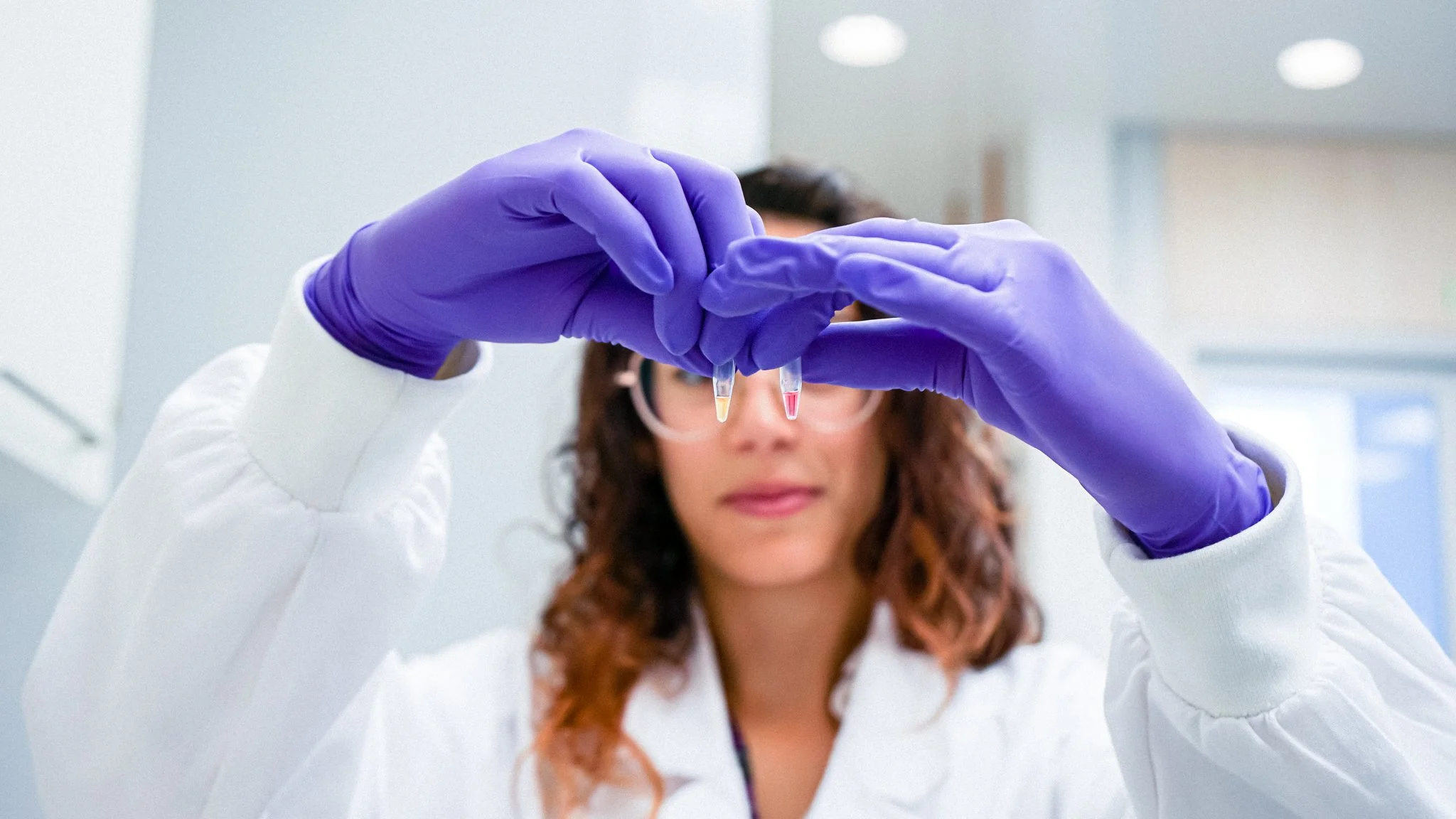
Congratulations on the AOAC INTERNATIONAL/EurofinsFoundation “Testing for Life” Student Award. Can you tell us about your path at INL and the importance of this award in your career?
I started at INL by participating in the 2015 summer internship initiative. A few months later the opportunity arose and I got accepted as a research laboratory assistant in the Food Quality and Safety group, by 2017 I got into a PhD program in Santiago de Compostela and by 2018 I was awarded an FCT scholarship to support the development of my project at INL.
The “Testing for Life” Student Award, supported by contributions from the Eurofins Foundation, is designed to encourage student researchers to advance basic or applied science in analytical or molecular testing for food safety, food security, food defence, food authenticity, or health and environmental protection.
The “Testing for Life” Student Award means my research and academic performance have been acknowledged. It’s proof that I am on the right path and that in Portugal you can also do research of international quality.
Why did you decide to take a PhD on “Fast, Affordable and multiplexed foodborne pathogen detection on miniaturised devices”?
Being involved in the different projects held at INL, and seeing the possibilities of the miniaturised devices for various applications, I’ve felt the need for simpler, faster and more sensitive detection of pathogens in the food industry. This desire and need meant a new opportunity and a new focus on my passion for microbiology and molecular biology techniques in specific applications.
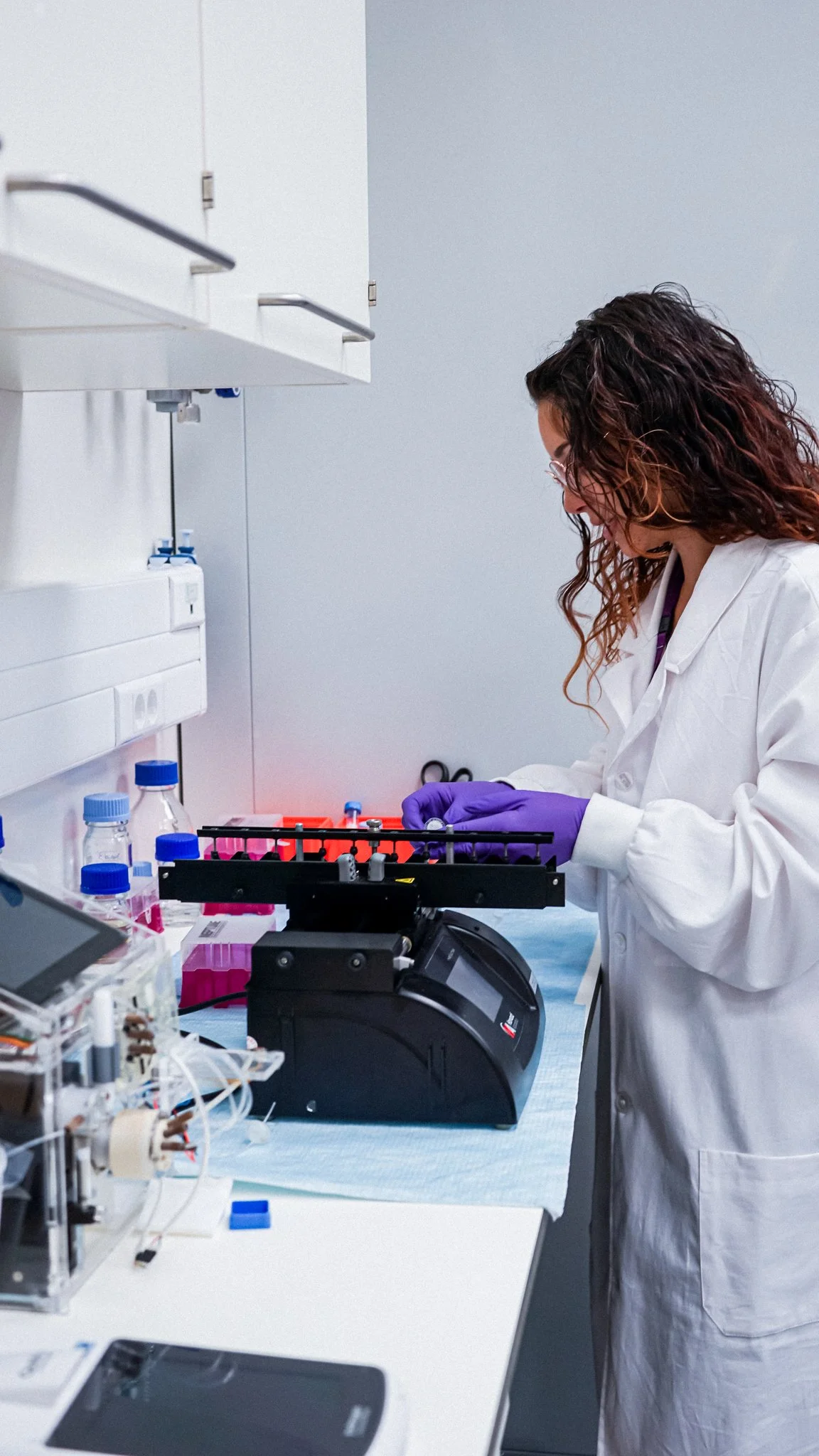
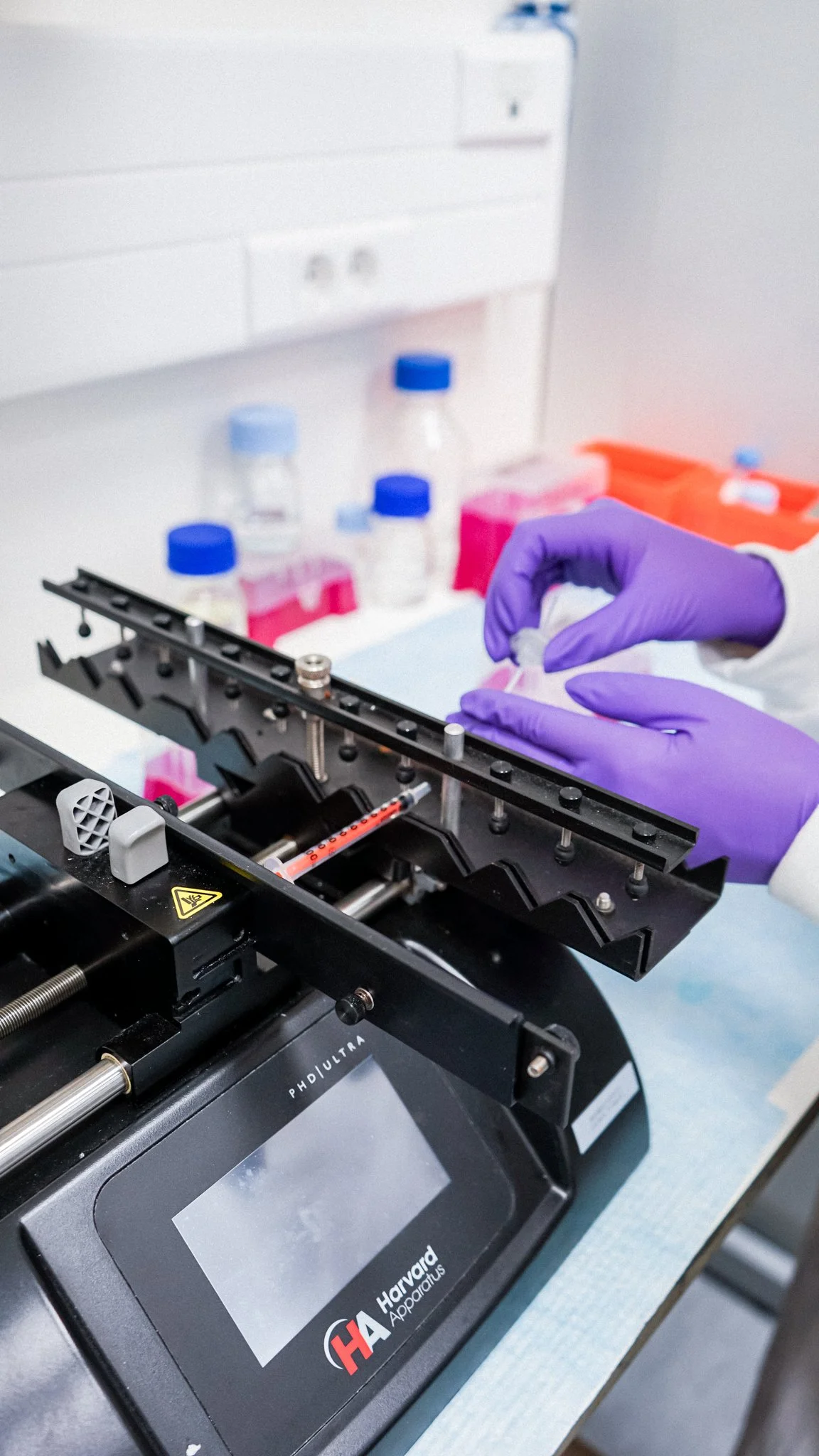
How would you explain the importance of your work area to a non-scientific person?
Despite the effort to ensure the safety of food products the outbreaks persist, the World Health Organization (WHO) state that nearly 1 in 10 people around the world falls ill after eating contaminated food, each year. The actual pressure in the food system made the products to reach the consumer increasingly faster, giving a short time to analyse the food to ensure its safety. Because of this the analysis for the detection of pathogens need to be improve as is still can take 1 week to have the results, which is not suitable with the intense food production of nowadays.
The automation in miniaturised devices can help to make the analysis less laborious and without the need of specialised personal, laboratories and even allow to reduce the cost of the analysis by using smaller volumes.
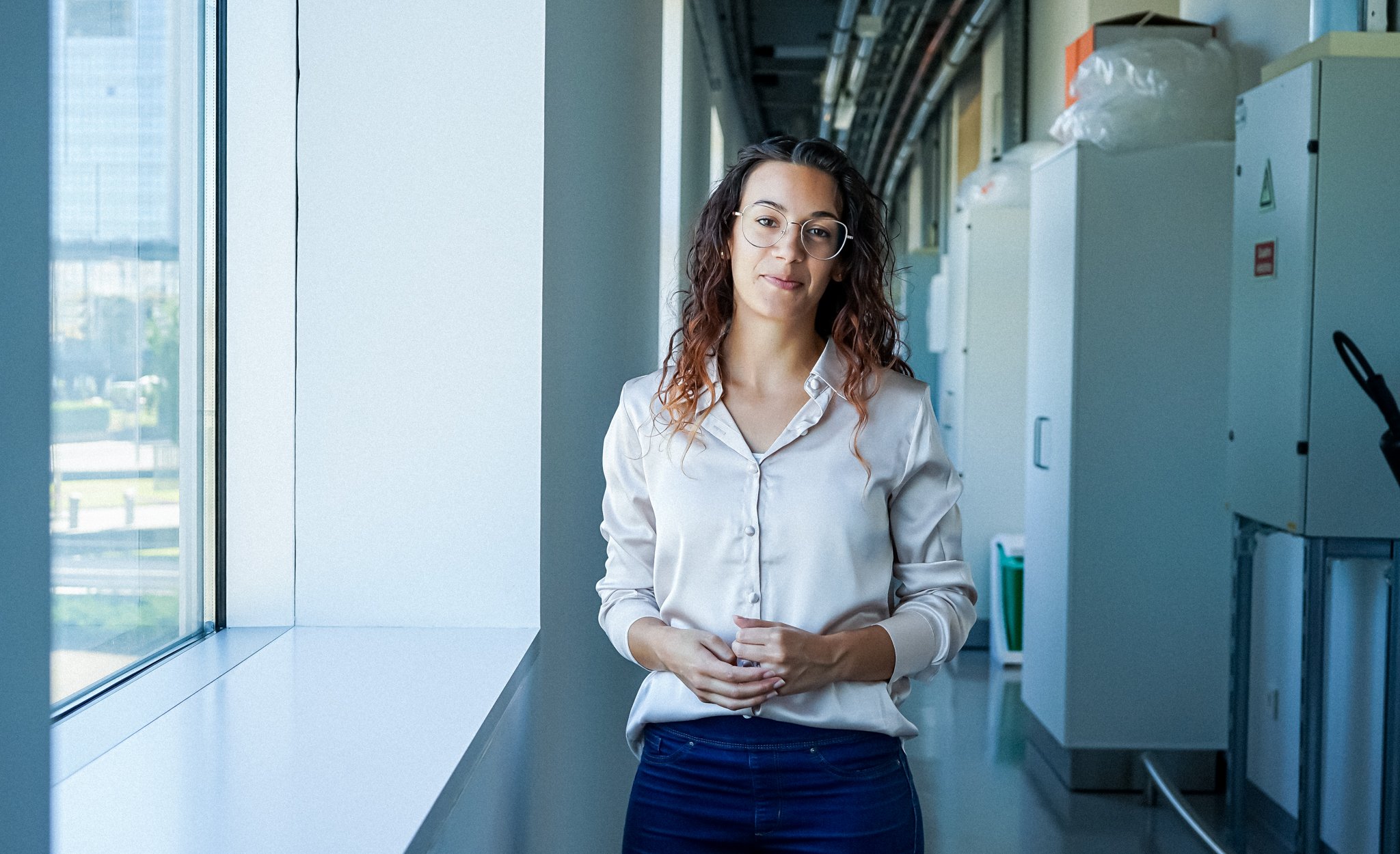
What inspires you about science and how can you inspire future students to follow this path?
To be a scientist is to be always looking for the latest developments and answers on the field you’re most passionate about. Not only do I, as scientist, can see the future of my field, but I’m also contributing to improving it, leaving my mark in the world.
How many professions do you know that can say the same?
Photovoltaic (PV) applications a path to the future, an interview with Jennifer Teixeira
Jennifer Teixeira holds a PhD in Physics from the University of Aveiro. She dedicated her research to understanding the impact of absorbers’ electronic structure on chalcogenide (ultra)thin-film solar cells’ performance. Jennifer trusts that a solid fundamental knowledge of materials’ properties is critical for a continuous fostering of innovative materials through the rational use of natural resources, in order to meet the urge for sustainable energy solutions, suiting the circular economy principle.

Tell us about your experience and path at INL
I’m a Research Fellow at the Nanofabrication for Optoelectronic Applications (NOA) group since June 2019. In the group, I’m involved in the research line for the development and fabrication of high-performance substrates, based on passivation and light management strategies, for photovoltaic (PV) applications.
I came from a more fundamental and theoretical material science background, and at NOA I had the opportunity to apply my previous know-how in a more technological ecosystem through several H2020, FCT, and PT2020 projects.
You’ve been recently granted FCT support for Scientific Employment as Junior Researcher. Can you tell us how this project will help your career goals?
The CEEC Individual funding will allow me to work on fundamental material science applied to energy transition systems. The aim of the project is to design and develop nano- and multi-layered structures to perfectly meet the weaknesses of already existing technologies. So far, this project opens a new research line for advanced tailored materials in the NOA Research Group; thus, we expect to create a solid path on the topic of functionalised materials, which will encourage new funding opportunities on the matter.
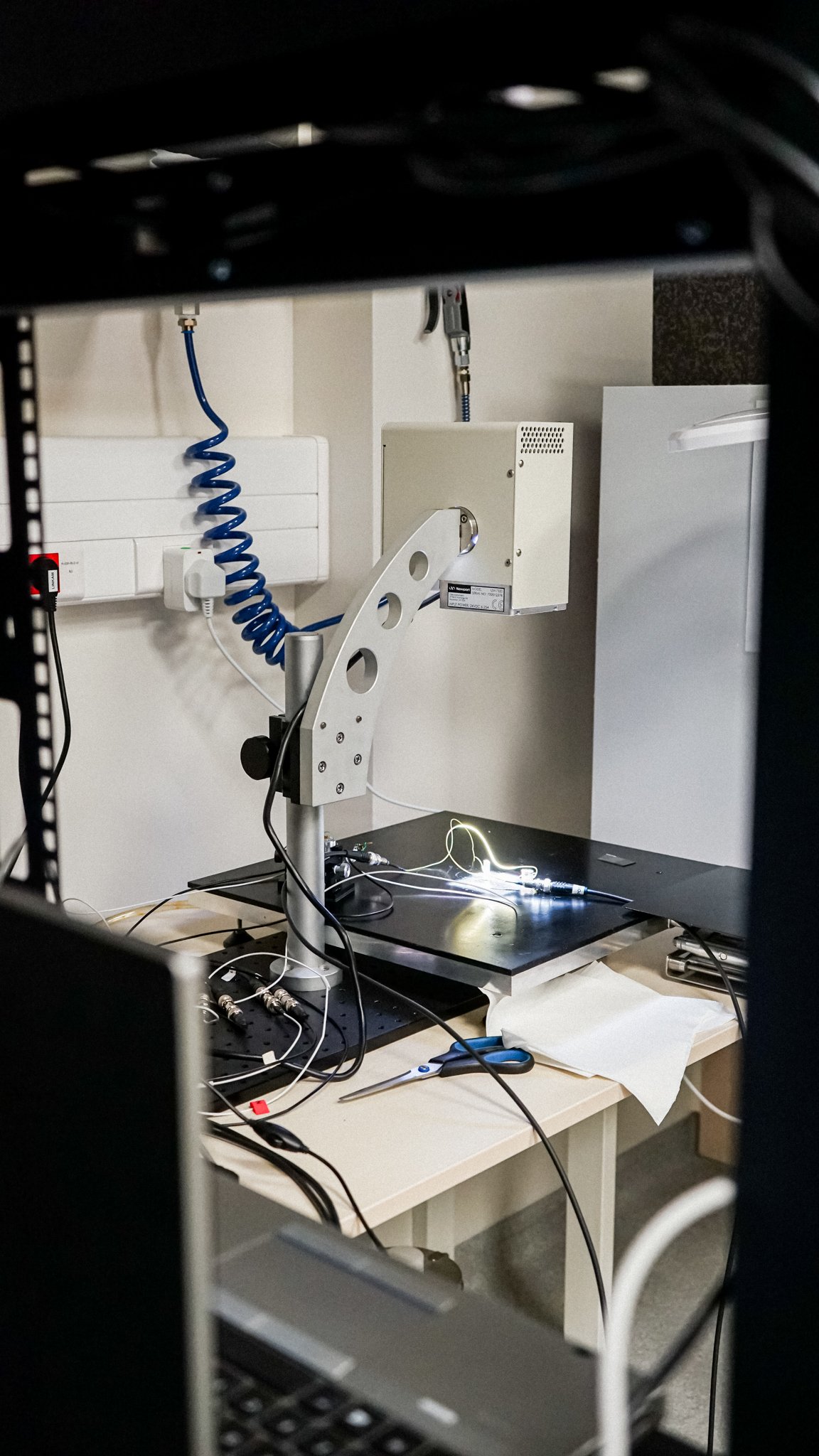
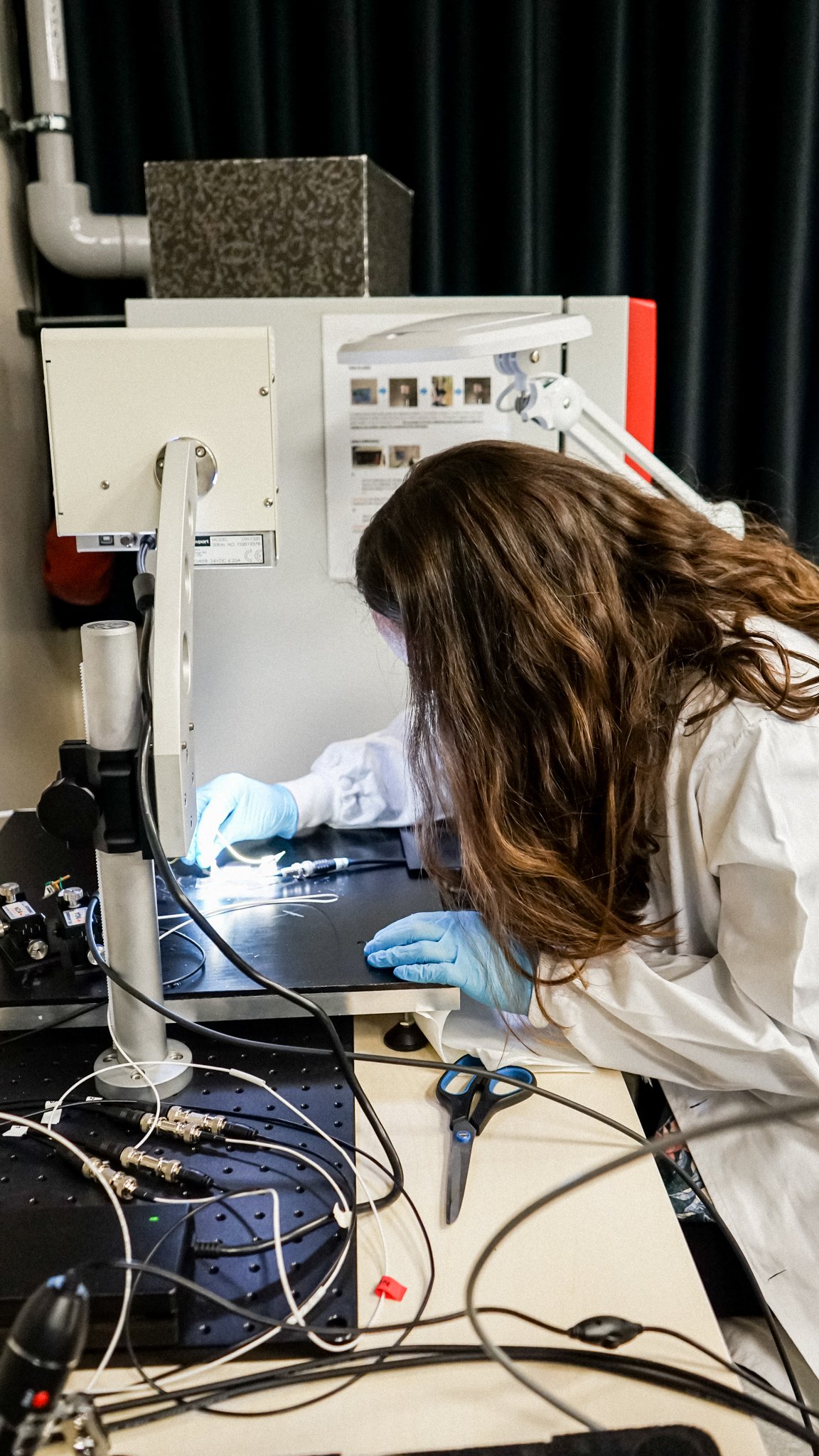
How would you explain the importance of your research to a non-scientific person?
Despite the obvious need for clean and sustainable energy systems, we are now witnessing the importance to have decentralized energy solutions. So far, this 2022 scenario asks for fast time-to-market energy solutions, as emerging technologies will struggle to meet the current needs in a short time span.
One emerging concept that meets perfectly the decentralization label is the building-Integrated Photovoltaics (BIPV), which provides a spatial solution to incorporate PV systems into buildings, allowing for hundreds of GW to be installed worldwide without requiring any additional land. Moreover, this energy supply concept is the segment that best fits the current urbanization scenario. However, there are still several challenges for BIPV to overcome.
Here at NOA, we explore novel solar cell concepts for traditional 2nd PV generation fostering high performance, while meeting environmental and economically sustainable targets; more recently we started looking for solutions that gather conversion efficiency, durability, and aesthetics to meet the building industry stakeholders for BIPV.

What inspires you and excites you about science?
Science and R&D as key dimensions of meaningful work. So, knowing that the small prototypes that we are developing on a day-to-day basis have a much broader purpose. In our case, we are looking for a more sustainable energy system.
Building a new future, an interview with Andrea Gouvêa
Andrea Gouvêa is a research engineer in the Micro and Nanofabrication facility at INL – International Iberian Nanotechnology Laboratory providing technical and hands-on expertise on advanced systems and techniques.
She has an MSc in Biomedical Engineering from the University of Coimbra where she worked in the development of an electronic system for Time-of-Light (TOF) Positron-Emission Tomography (PET) using Resistive Plate Chamber (RPC) detectors. She obtained her Ph.D. in Physics Engineering from the University of Coimbra where an X-ray detection system for the determination of the Lamb Shift was developed and implemented.
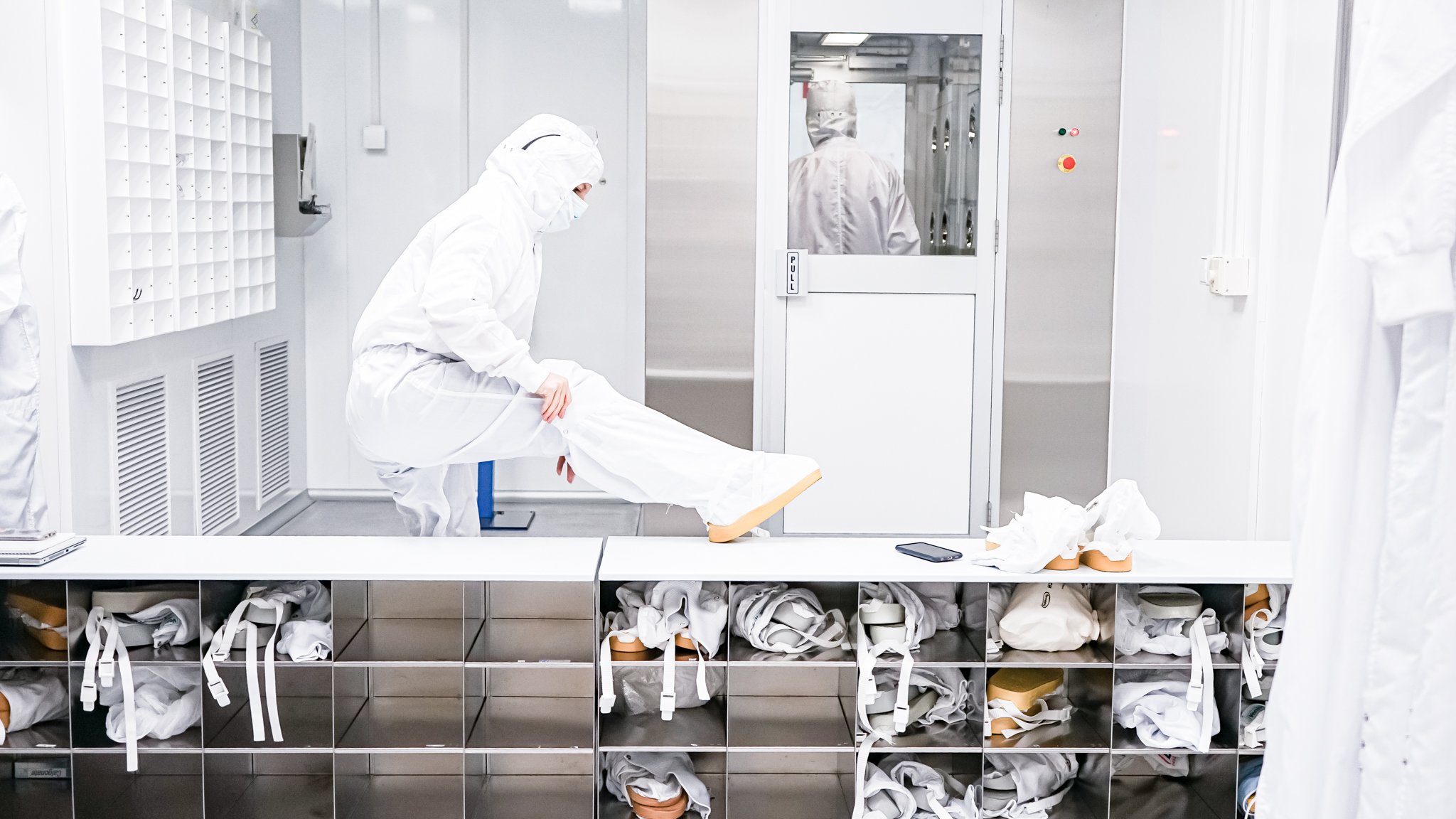
Can you tell us what you are working on at present?
Presently I’m working on several industry projects and supporting a few internal projects as a process integrator in the Micro and Nanofabrication Facility. Those projects are covering areas from medical, technology to energy devices’ development, few of them to be scaled up to mass production.
Why did you decide to work in the Microfabrication area?
I was in the right place at the right time. I confess that if you told me 15 years ago that I would be working in this area, I would probably have said that I would not have that chance. However the future had other plans for me and in 2016 I joined a big packaging company – Amkor, and that was when I jumped into this world. I got very excited to be part of this micro and nanofabrication “world” always challenging Moore’s Law and decided to stay on board and learn more. Every day is a challenge and the final fabrication results can be applied in very different areas, spanning from automotive to medical applications, covering telecommunications… in the end, we are everywhere!

How do you see the development of Microfabrication and Exploratory Nanotechnology?
This area is in continuous growth every day, having as final general objective to burst the quality of life of society! (It is so that the growth of this area I can simply say it is almost impossible to be aware of all the innovation groups are developing here). But if you think that 20 years ago you had telephones at home to phone ‘Granny’ and you just listen to her voice and nowadays, I phone her using my mobile phone and at the same time I can see her, it is really comforting! The same technology brought the quality of life and wellness in areas such as medicine.
Nowadays we have labs on chips when one or two decades ago, we needed big laboratories, reagents, among others. For instance, diabetes, before you needed to prick yourself twice or even more per day to see your glucose levels and nowadays we have a sensor you can implant in your skin and it’s monitoring your levels for a few days in a continuous mode and the data can be seen in your mobile phone, you can also receive alerts and inform your relatives of your health condition. So, technology is improving a lot every day and one key factor is the fabrication of micro and nanodevices!

What inspires you and excites you about science?
What excites me more is knowing that science is one of the most amazing ways to obtain freedom! It is one of the humanity pillars. It is the way to understand human life and the universe and to improve our standard parameters on the quality of life.
My daily inspiration is to know that each day I learn something new, and that information somehow will serve to help Humanity and younger people that will continue to develop these new technologies, take them further and have new ones! Building the future one day at a time.
“Biosensors as key elements in the future of water quality”, interview with Raquel Queirós
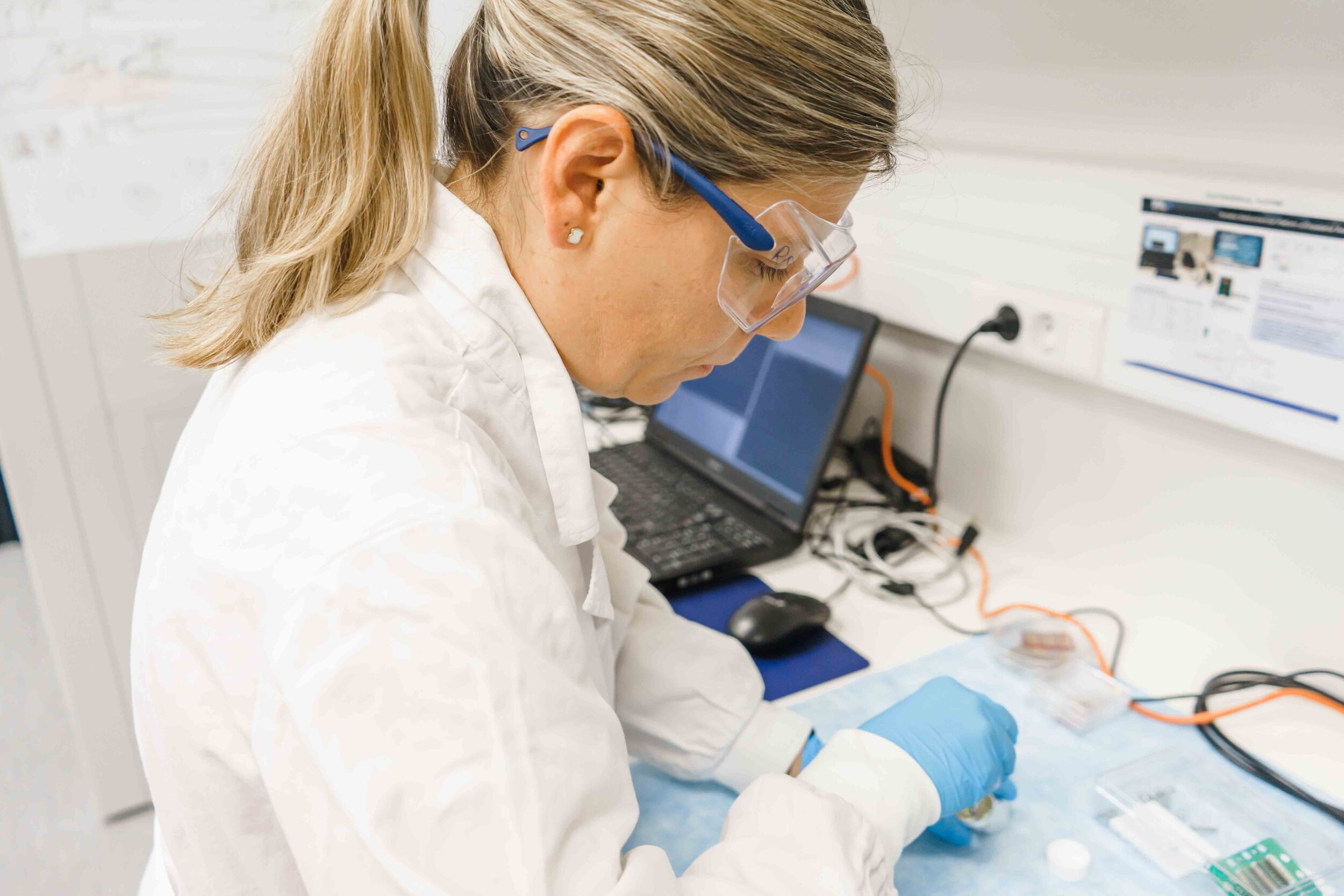
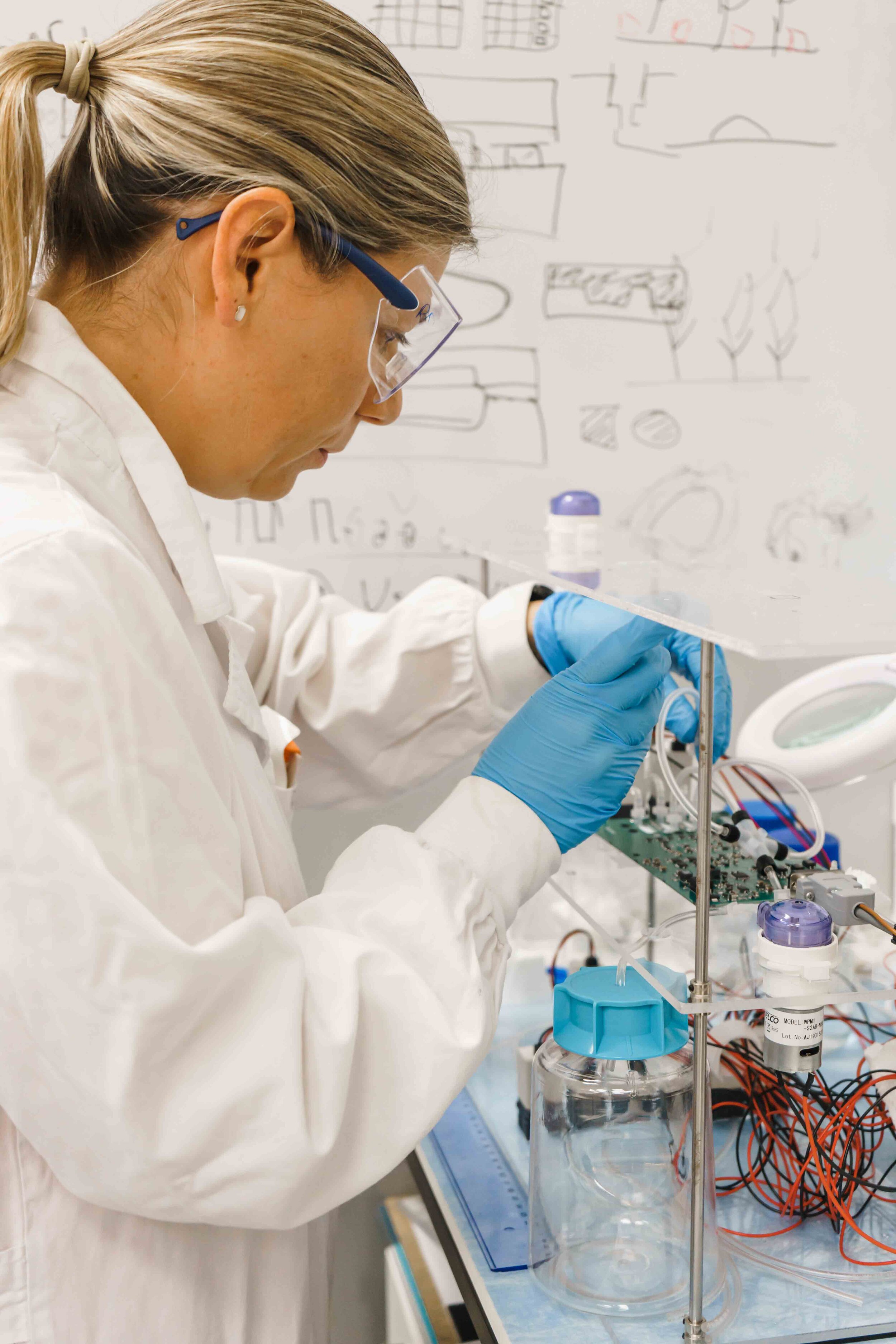
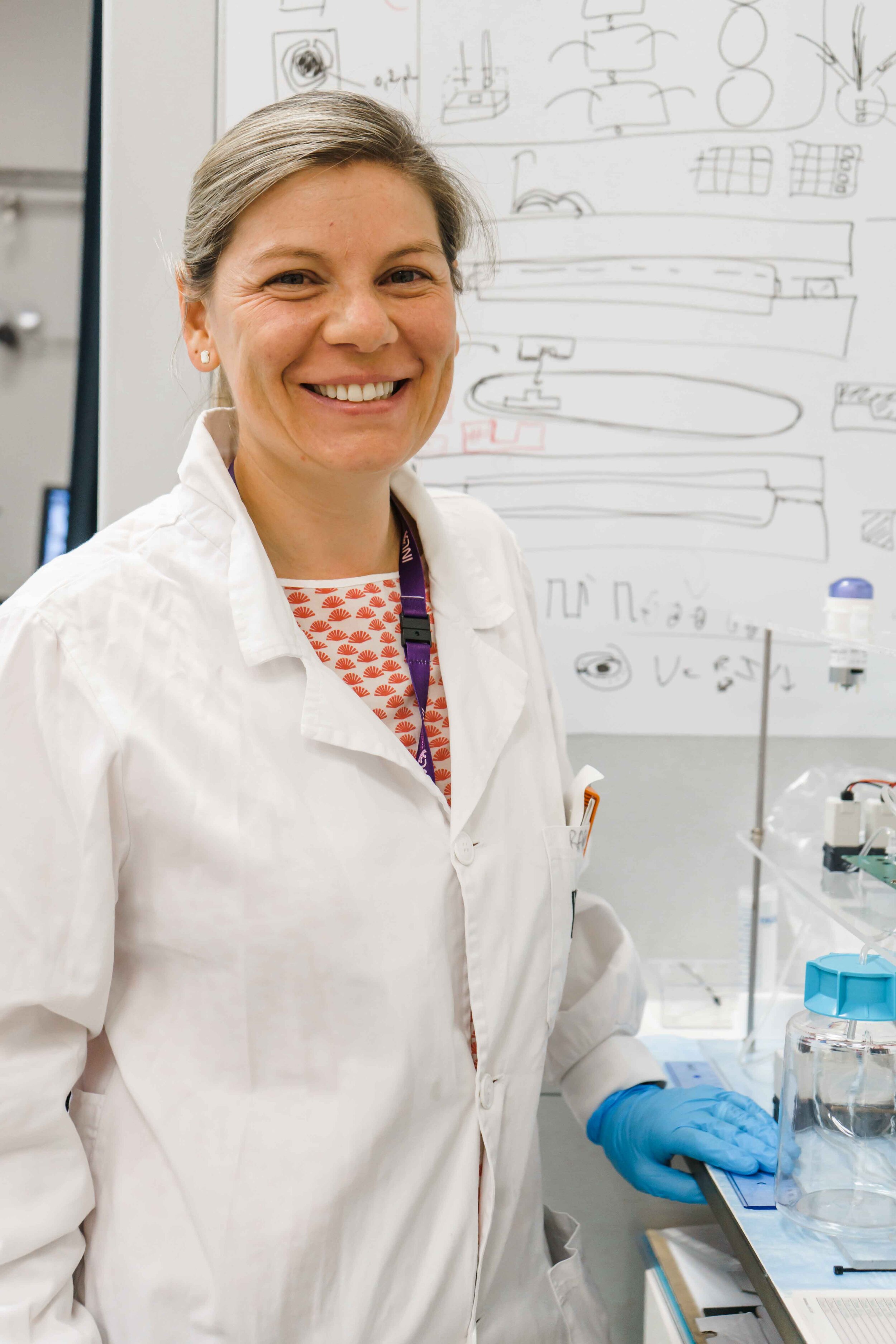
Raquel Queirós is a staff researcher in the Water Quality Research Group at the International Iberian Nanotechnology Laboratory. Her main research interests include label-free detection methods for life science applications, new biomimetic materials as molecular recognition probes and engineering solutions for water quality monitoring.
She joined INL as a NanoTRAINforGrowth Marie Curie Research Fellow in 2014, where she started working on the development of new nanomaterial-based sensors for water biotoxins monitoring.
What got you interested in this field?
I think it came up naturally since my background is in chemical engineering which was much centred in the development of advanced knowledge concerning chemical and biological processes optimisation and integration, but always pursuing advances in the main areas of environment and energy. During my Master, I worked in the development of chemical sensors very focused on the analytic part yet during my PhD I build up my expertise in biosensors since I’ve been dedicated to the development of the devices on a full scale, from understanding biochemical interactions to signal transducers and systems integration.
What is the importance of your research?
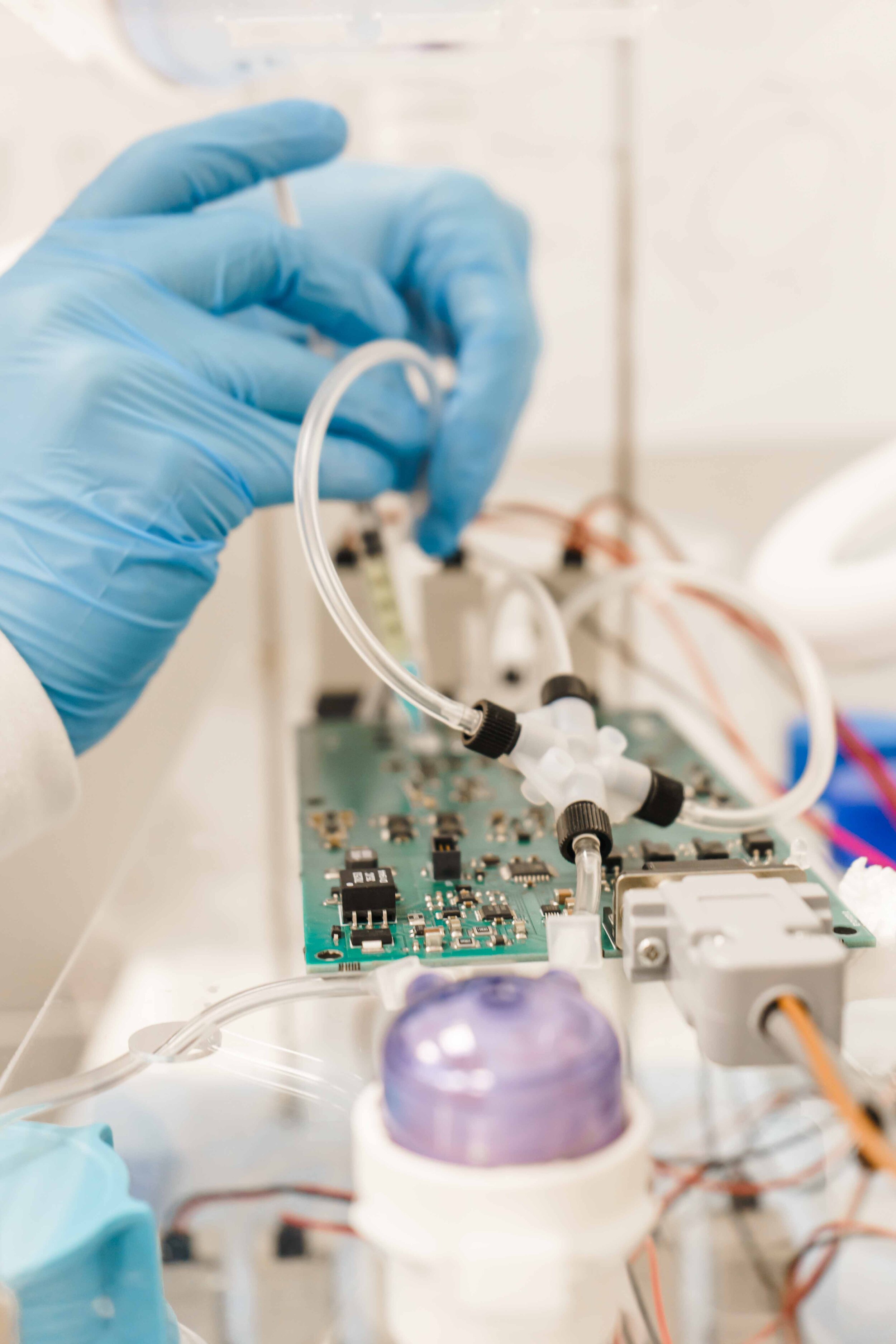
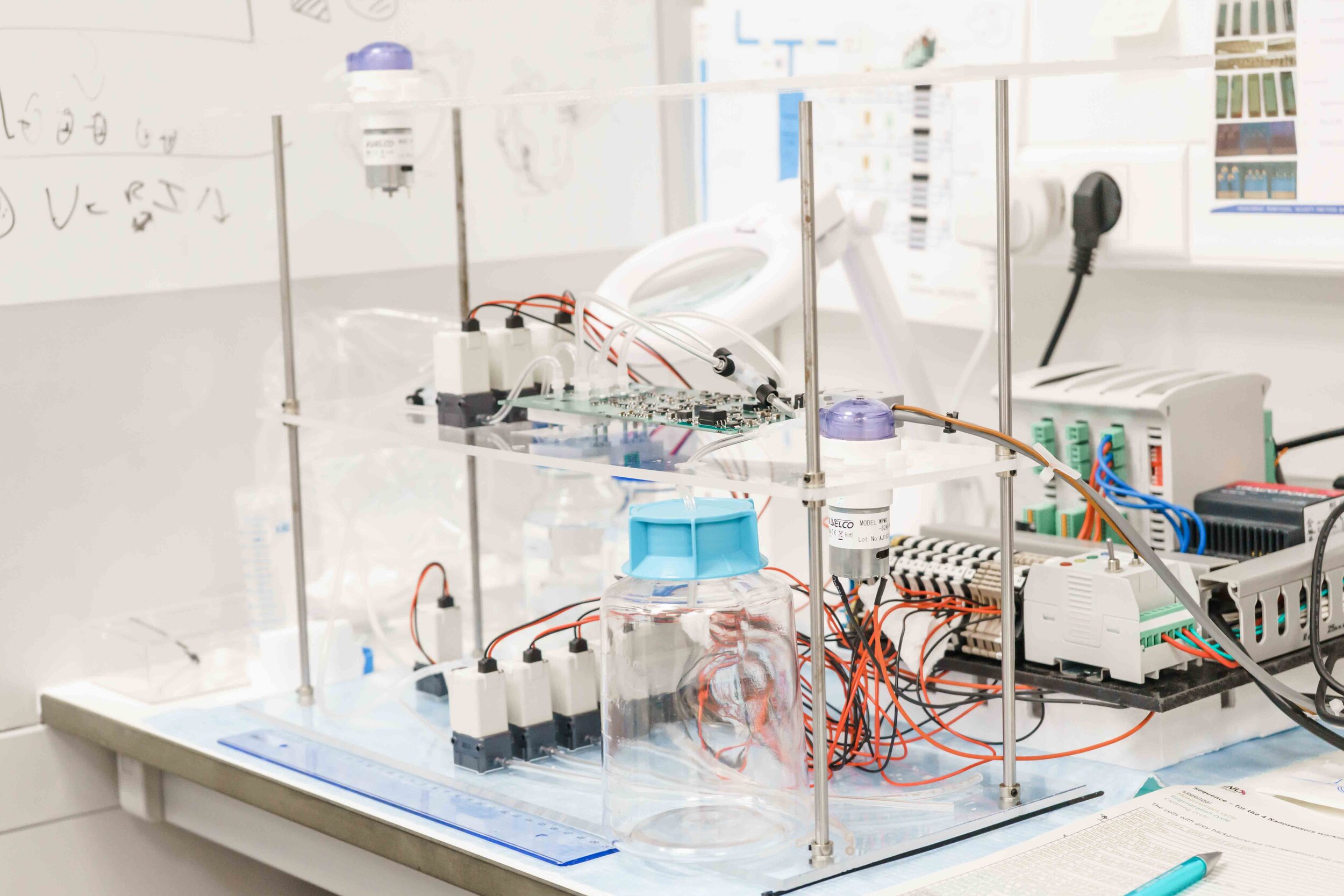
The immense potential in what concerns possible applications of this type of devices, from agricultural, environmental and food sciences to wearables and clinical diagnostics, and particularly in resource-limited environments, that are powerful analytical tools which bring huge advantages when compared to conventional analytical techniques. The growing demand for cost-effective, fast, real-time reliable information in a massively connected world it is of utmost importance. The capabilities of these devices go beyond the measuring ability, they can provide critical information directly to users or be available remotely.
What was the most striking time you have during your career?
I would say my PhD, it was a time of many changes that brought lots of challenges, I came from a group dedicated to analytical chemistry and I integrated a group of physicists devoted to the development of optical fibre sensors. I had to learn a lot of new concepts and disciplines, and a completely new mode of working. I worked for the first time in a clean room, in fact in several, so different. I lived abroad for the first time and I met incredible people, and places.
Briefly, what excites you about your work and how do you juggle motherhood and Research?
That we can always improve and do better.
It was very demanding in the beginning, I felt that I was not in the best of my capacities/abilities and that I was doing a job that was not the best I could do. Now, since I can sleep more than two hours in a row, it is much easier. But it requires a lot of organisation and always has a backup plan ready.
Next Page » « Previous Page -->Raquel Queirós is a staff researcher in the Water Quality Research Group at the International Iberian Nanotechnology Laboratory. Her main research interests include label-free detection methods for life science applications, new biomimetic materials as molecular recognition probes and engineering solutions for water quality monitoring.
She joined INL as a NanoTRAINforGrowth Marie Curie Research Fellow in 2014, where she started working on the development of new nanomaterial-based sensors for water biotoxins monitoring.
What got you interested in this field?
I think it came up naturally since my background is in chemical engineering which was much centred in the development of advanced knowledge concerning chemical and biological processes optimisation and integration, but always pursuing advances in the main areas of environment and energy. During my Master, I worked in the development of chemical sensors very focused on the analytic part yet during my PhD I build up my expertise in biosensors since I’ve been dedicated to the development of the devices on a full scale, from understanding biochemical interactions to signal transducers and systems integration.
What is the importance of your research?
The immense potential in what concerns possible applications of this type of devices, from agricultural, environmental and food sciences to wearables and clinical diagnostics, and particularly in resource-limited environments, that are powerful analytical tools which bring huge advantages when compared to conventional analytical techniques. The growing demand for cost-effective, fast, real-time reliable information in a massively connected world it is of utmost importance. The capabilities of these devices go beyond the measuring ability, they can provide critical information directly to users or be available remotely.
What was the most striking time you have during your career?
I would say my PhD, it was a time of many changes that brought lots of challenges, I came from a group dedicated to analytical chemistry and I integrated a group of physicists devoted to the development of optical fibre sensors. I had to learn a lot of new concepts and disciplines, and a completely new mode of working. I worked for the first time in a clean room, in fact in several, so different. I lived abroad for the first time and I met incredible people, and places.
Briefly, what excites you about your work and how do you juggle motherhood and Research?
That we can always improve and do better.
It was very demanding in the beginning, I felt that I was not in the best of my capacities/abilities and that I was doing a job that was not the best I could do. Now, since I can sleep more than two hours in a row, it is much easier. But it requires a lot of organisation and always has a backup plan ready.