LEARN: What four years of research revealed about indoor air quality in schools
May 6, 2026
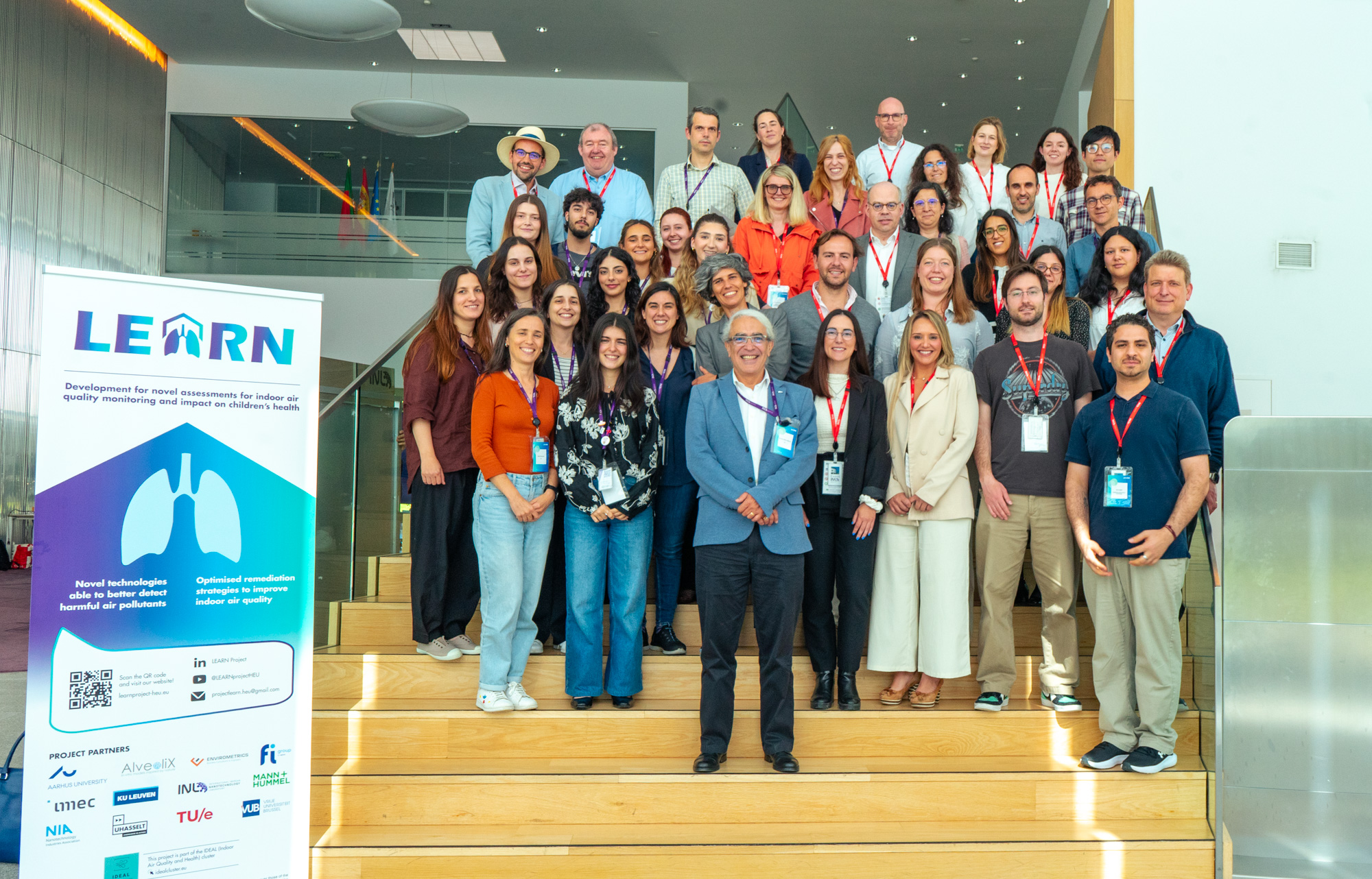
On 22 April, the International Iberian Nanotechnology Laboratory (INL) hosted LEARN’s Final Conference on its campus, in Braga, bringing together researchers, policymakers and stakeholders to reflect on four years of research and technological development. The event marked the close of a project built around the question: does the quality of indoor air at schools affect children’s cognition?
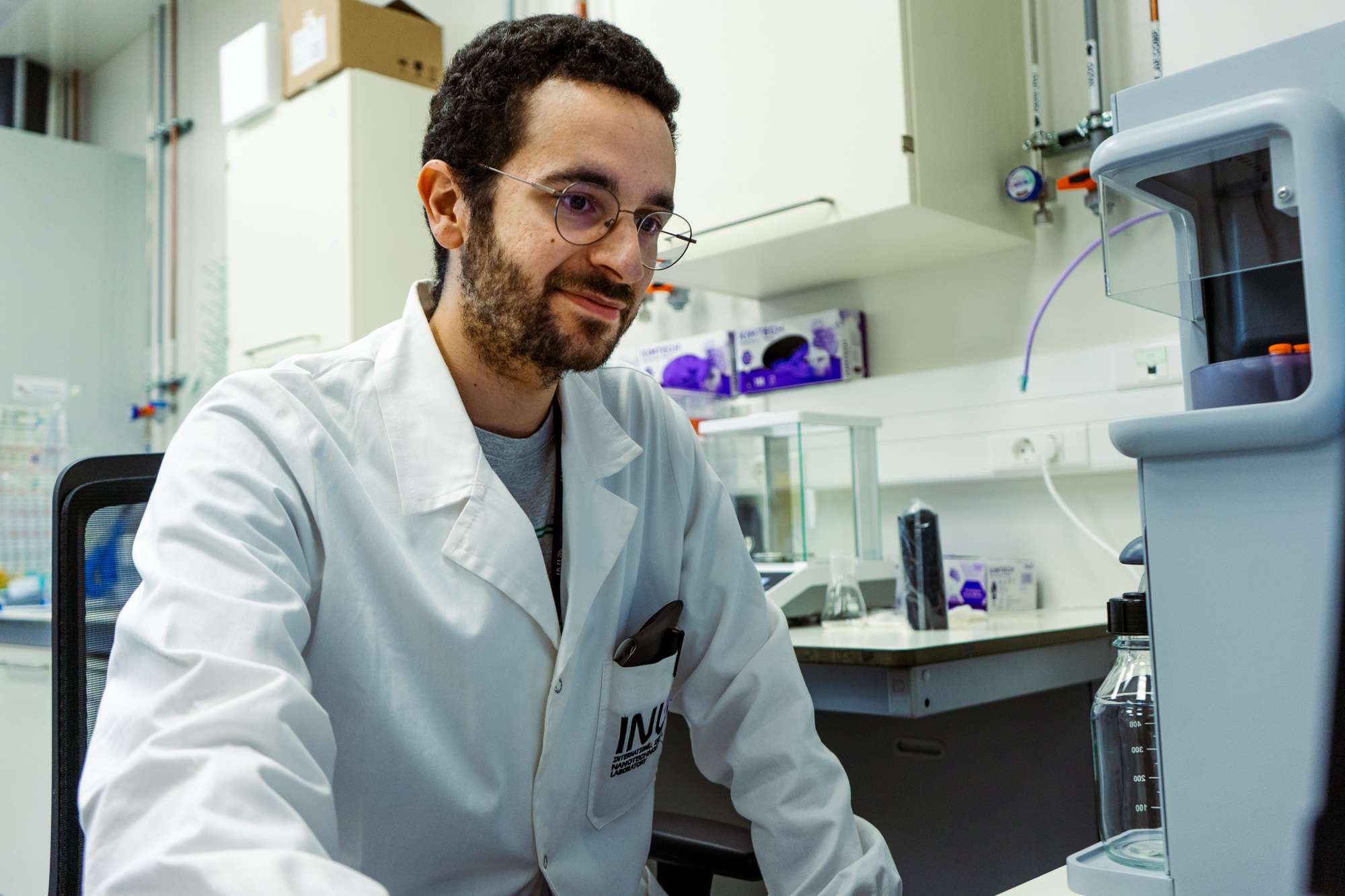
Coordinated by INL and funded under the Horizon Europe framework, LEARN launched in 2022 with a twelve-partner consortium. Its ambition was to develop novel sensors capable of detecting harmful air pollutants, measure indoor air quality across schools, and assess its impact on children’s cognition.
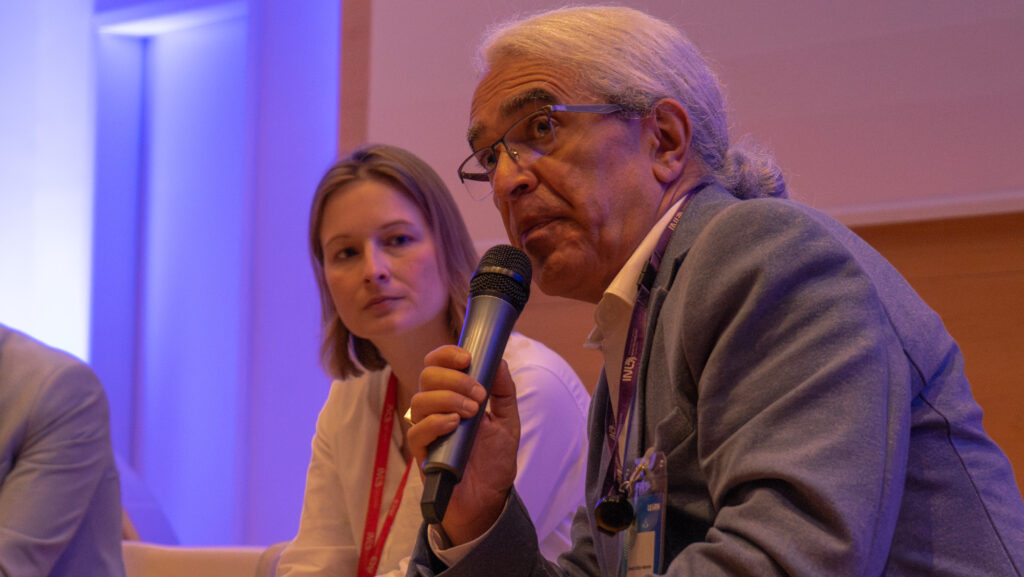
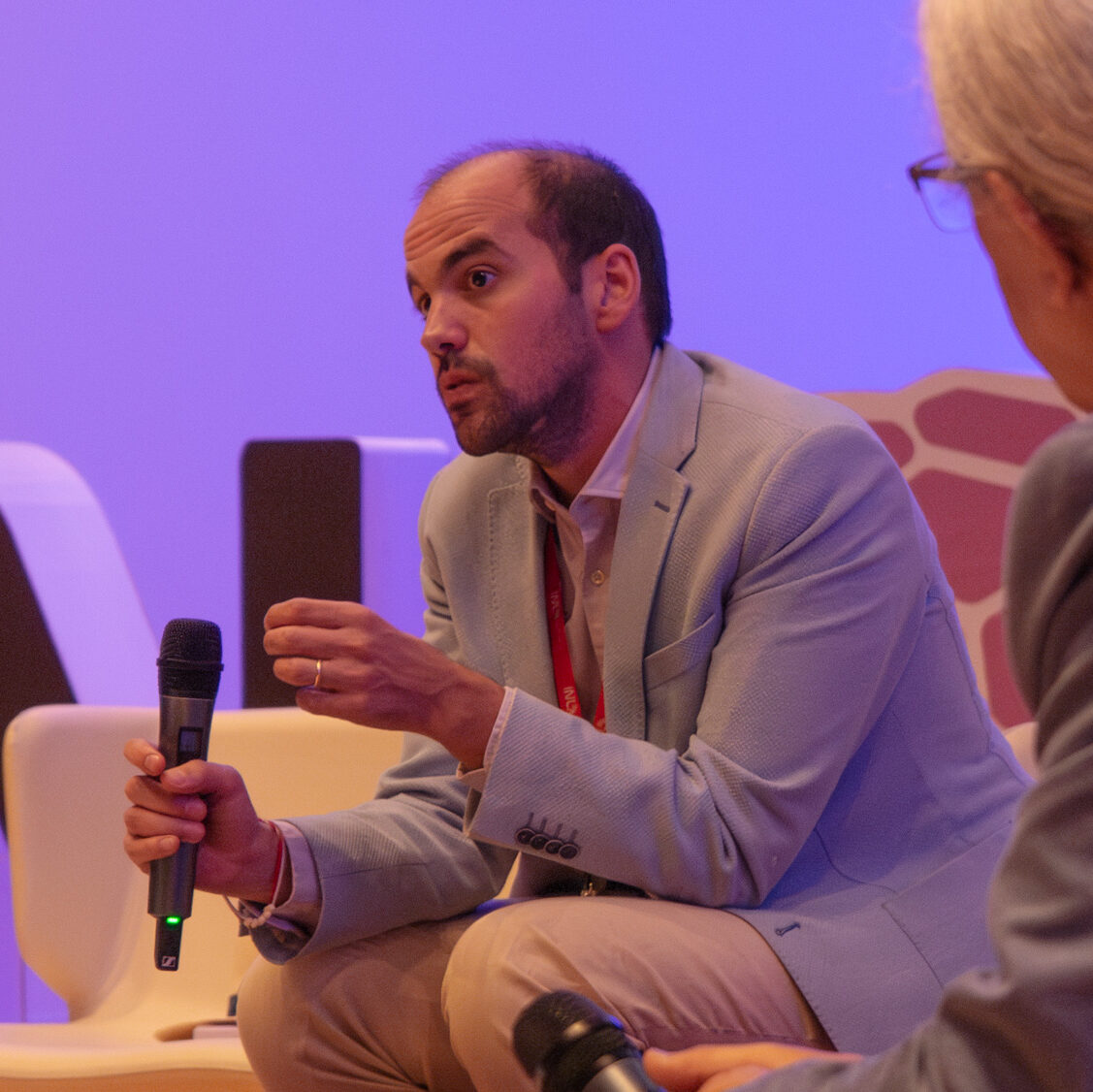
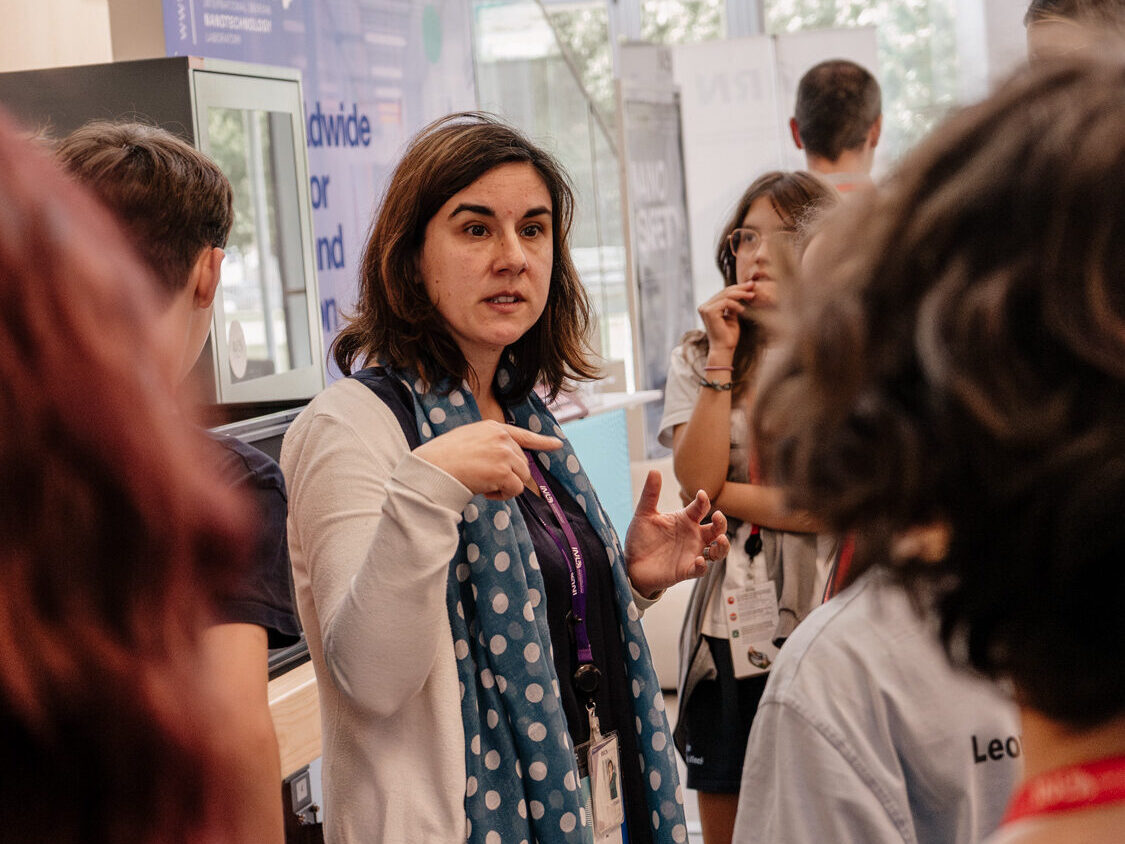
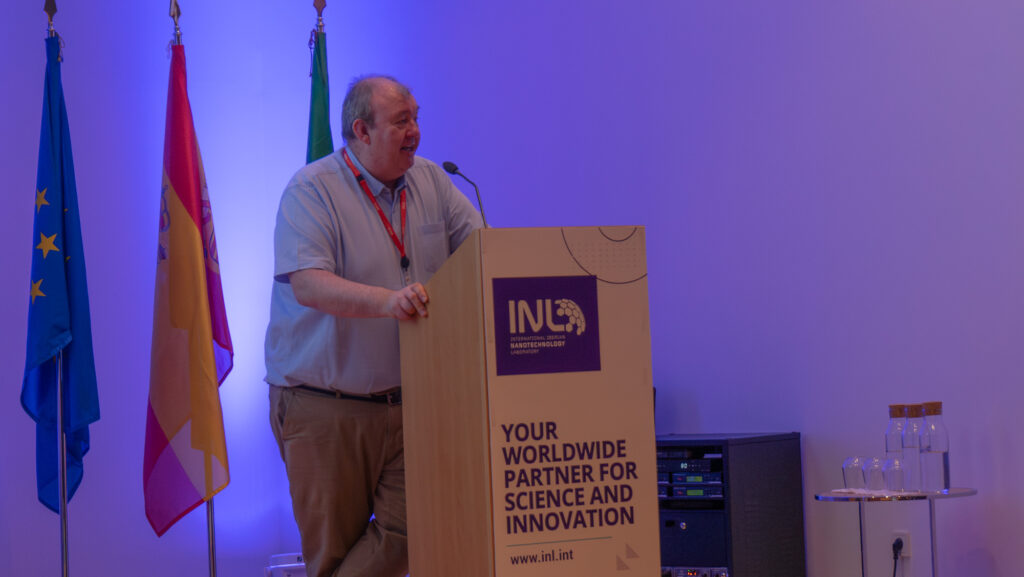
The conference opened with remarks from Ernesto Alfaro-Moreno, scientific project manager and group leader at INL, who outlined how LEARN had evolved into a practical roadmap for improving indoor air quality in schools. Presentations from partners across the consortium followed, and the day also welcomed a visit from a local school, giving pupils the opportunity to explore the project’s findings and engage directly with its tools.
Fundamentally, the meeting served as a platform for sharing the project’s principal findings and outputs. Most notably, LEARN established a clear link between indoor air quality and children’s health and cognitive performance, with improved air quality associated with better cardiovascular health indicators and stronger classroom learning outcomes.
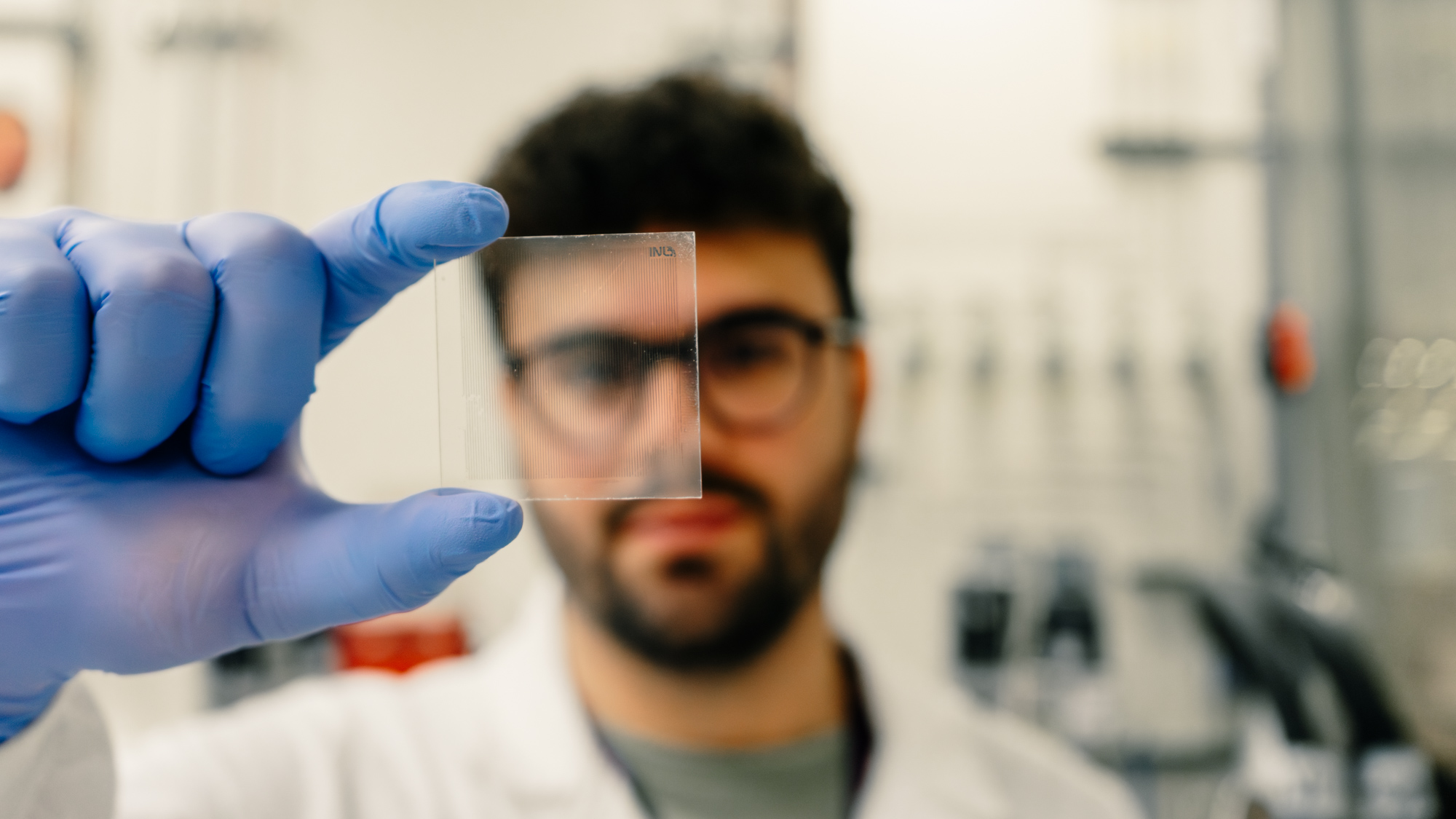
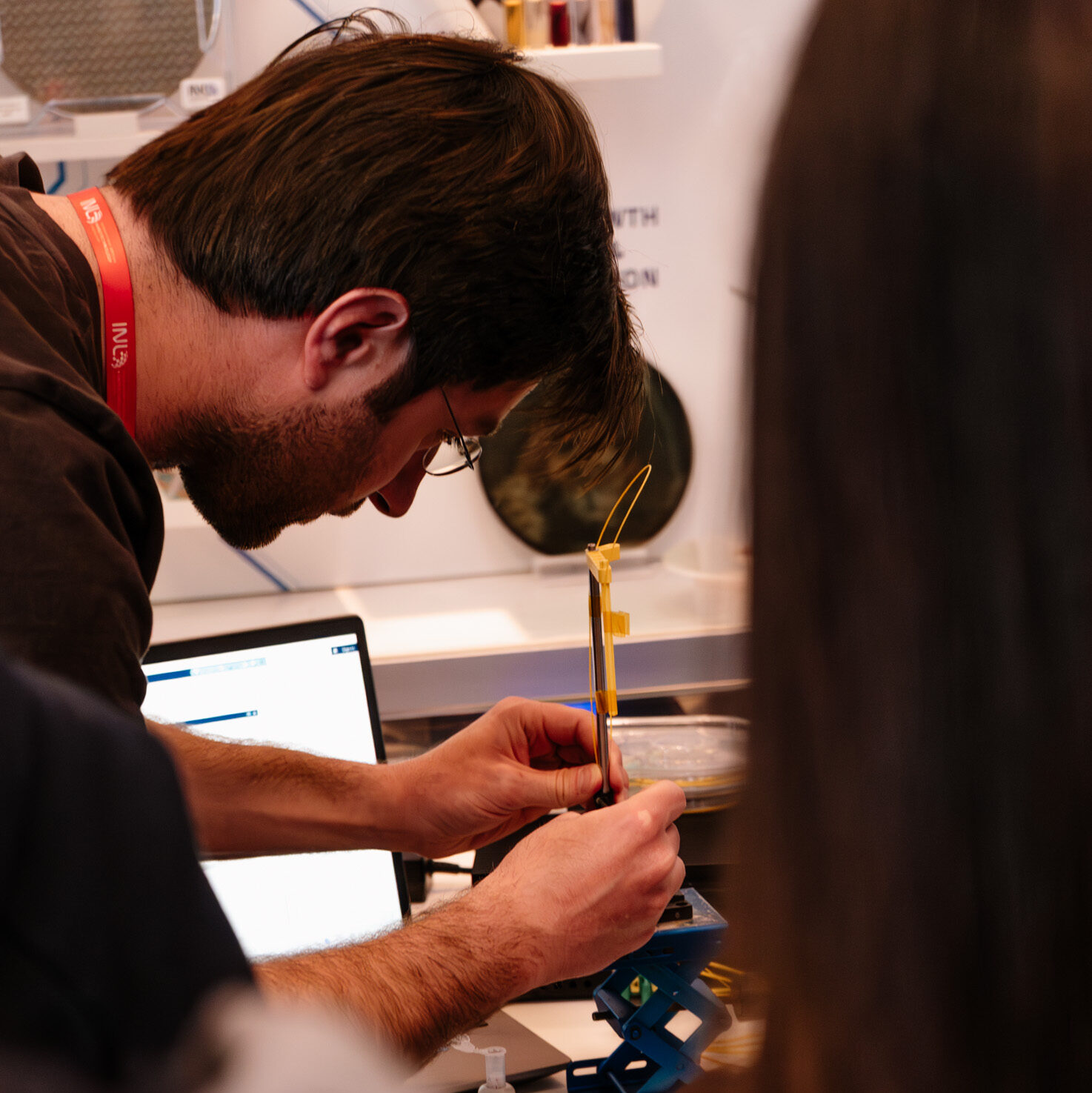
The project delivered results across technology, policy, and education. New sensing technologies were developed, including a novel UFP system, based on fibre-tip optical technology to detect ultrafine particles as small as ~50 nanometres and VOC sensors using the SIPS technique for real-time, molecule-specific gas detection. Air purification systems were installed in classrooms, and a centralised open-access Data Hub now consolidates datasets from multiple environmental studies. The project also produced a biomonitoring methodological framework, an educational board game on indoor air quality, and a comprehensive set of technical, behavioural, and policy recommendations, underscoring that clean school air requires organised action.
Overall, LEARN has demonstrated that the air in our schools is not a peripheral concern, but a public health and educational priority. In doing so, the project has charted a clear roadmap for the systems-level response needed to make clean indoor air in European schools a reality, spanning ventilation, monitoring, awareness, and regulation.