News

1st Annual INL Research Symposium

1st Annual INL Research Symposium

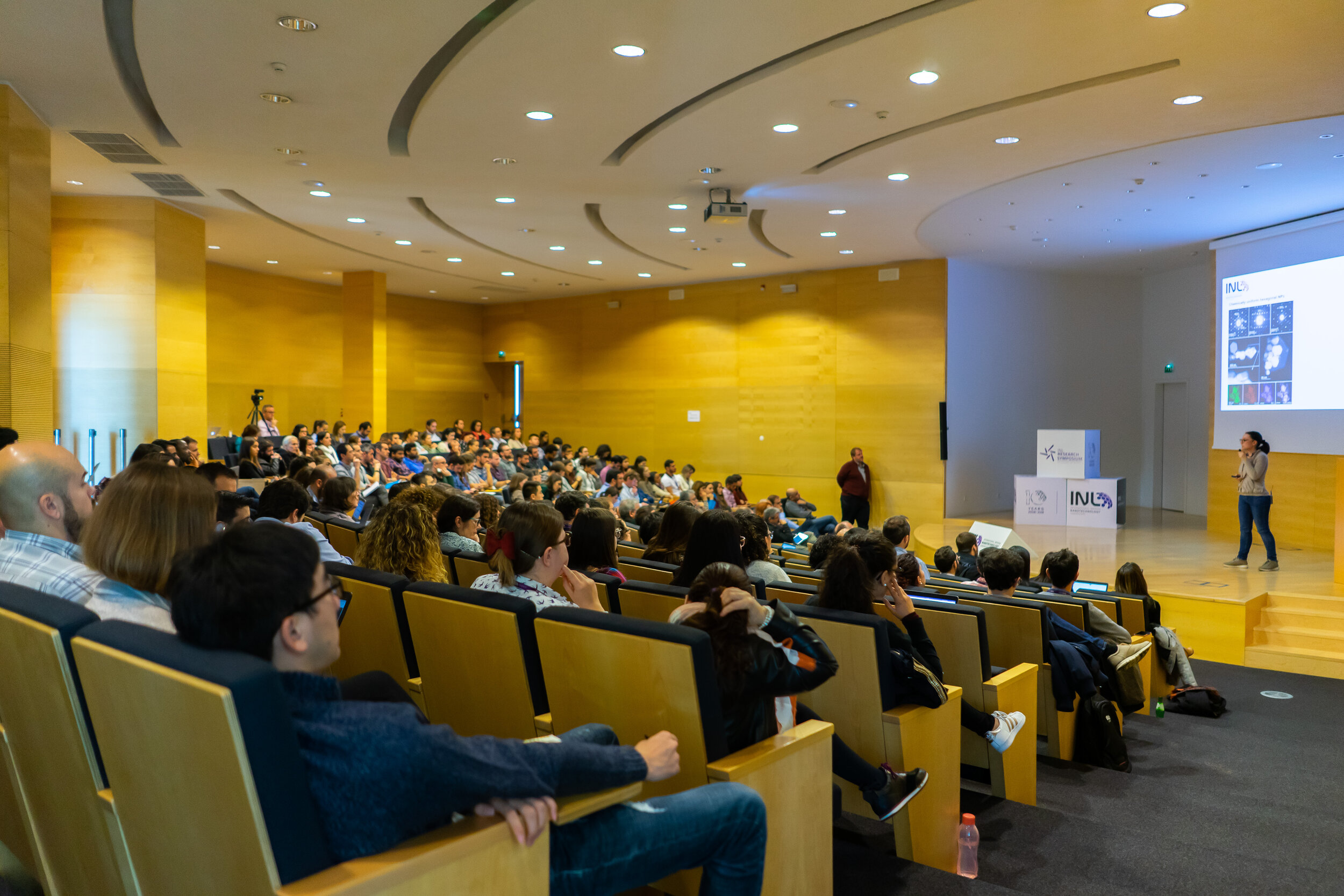
From November 14th to 15th, INL had the honour to hold the 1st Annual INL Research Symposium. The event, an internal initiative, aimed at sharing the most significant research achievements from the previous year and discuss the challenges and future projects for the coming year. The first edition of the symposium was an excellent opportunity to promote synergies between INLers and an outstanding celebration of the multidisciplinary nature of the Laboratory. Next year, INL will continue promoting this event as part of the strategic plan of internal research dissemination activities for 2019.

Read more
European Researchers Night 2018

European Researchers Night 2018

Last September, INL was in Porto, Portugal, at the European Researchers Night bringing science and innovation to a fun and inspiring event that brought together families, scientists, artists and more. The initiative is promoted every year by the European Commission and runs in more than 300 cities simultaneously all over Europe. INL co-organized the 2019 edition: ”Science Wars” at Palácio das Artes, in partnership with INOVA+ and Fundação da Juventude. For Boryana Yotova, representative of the Education, Culture and Audiovisual Executive Agency of the European Commission, this initiative is the “opening-up” of science to the new generations and “blending education and entertainment is the perfect match” to make it successful. For INL, the event was an outstanding opportunity to showcase the work developed every day at the Laboratory by a passionate and committed group of people. Next year, INL will bring European Researchers Night to life again in collaboration with Inova+, promising new activities and experiments for everyone to learn and have fun with science.

Read more
INL researchers win NANO.IL.2018 “Best Poster Award”

INL researchers win NANO.IL.2018 “Best Poster Award”

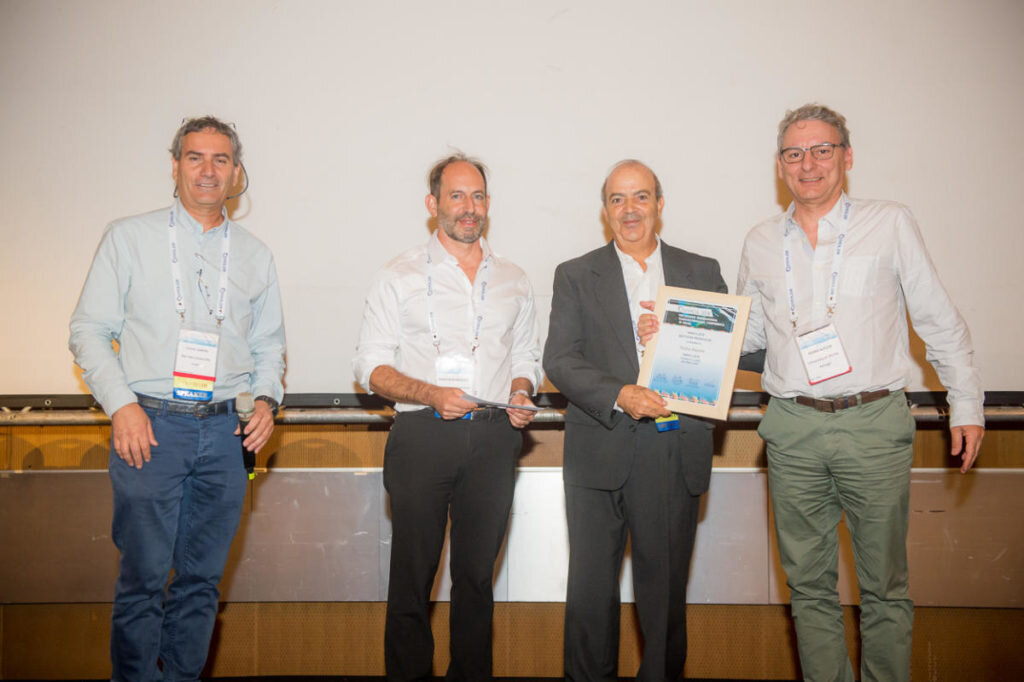
A team of INL researchers from different groups was awarded the “Best Poster Award” during NANO.IL.2018, the leading international nanotechnology conference in Israel, which gathered over 900 participants from the 9th to the 11th of October, in Jerusalem. The award was handed over to Pedro Alpuim, from INL and University of Minho (Department of Physics), the leader of the research team and group leader of 2D Materials and Devices at INL, representing also Joana Rafaela Guerreiro, Rui Campos (now at the University of Antwerp), Marco Martins, Andrey Ipatov, Fátima Cerqueira and Jérôme Borme. The awarded poster with the title “Lab-on-a-chip platform based on graphene field-effect transistors for DNA sensing” was developed within INL Departments of Quantum & Energy Materials, Nanoelectronics Engineering, Micro and Nanofabrication, and Life Sciences. Lab-on-a-chip systems for the detection of complex diseases are growing in importance, normally requiring the detection of multiple targets in an autonomous and portable fashion. For the creative use of sensors, combining different areas of expertise, INL is in the forefront of new diagnostic tools development, which aims to provide quicker and more accurate information to support a medical decision on the best therapeutics.

Read more
INL accelerates the development of applications with a new nanoimprint system

INL accelerates the development of applications with a new nanoimprint system

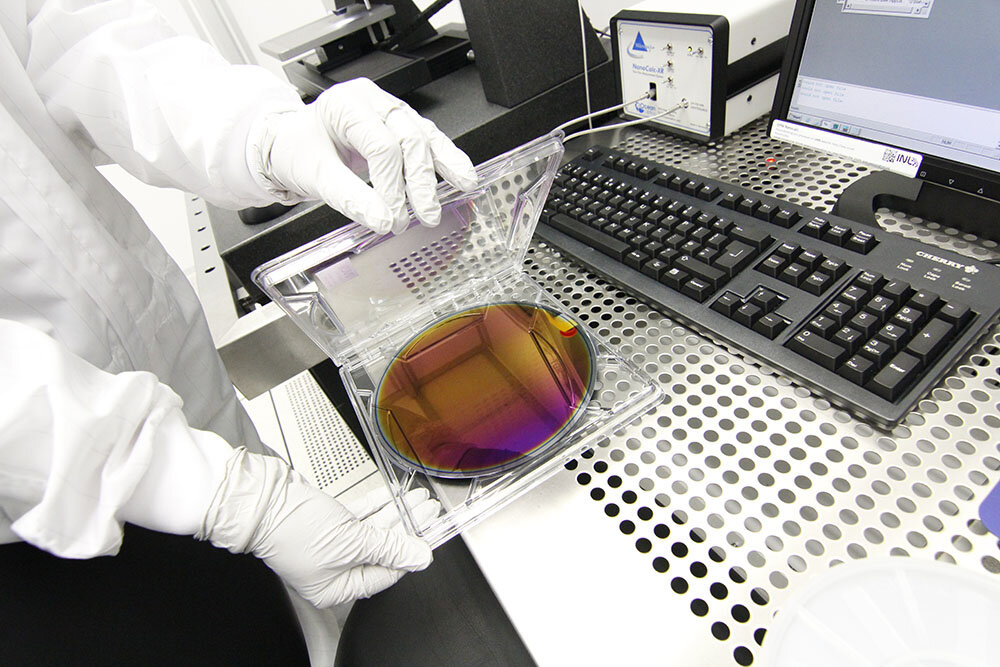
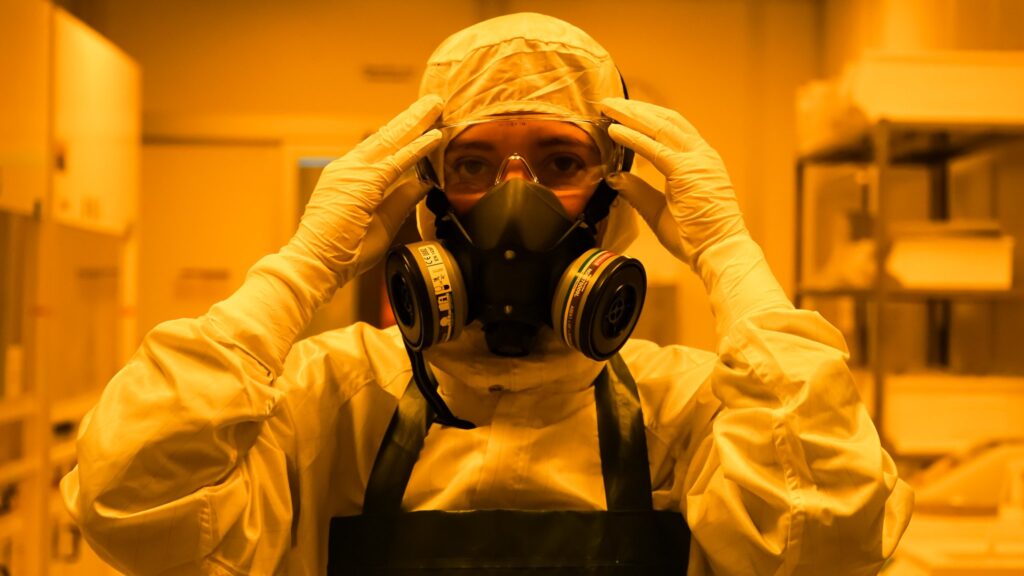
INL – International Iberian Nanotechnology Laboratory has purchased an Eitre 8 NIL nanoimprint system from Obducat, a leading supplier of lithography solutions based on nanoimprint lithography (NIL). This investment reinforces INL high-end equipment portfolio and consequently its ability to provide better and faster outcomes. This nanoimprint system will be installed in the INL cleanroom facilities. With its high-throughput and high yield capabilities of replicating nanostructures at the 200 mm wafer-scale, this lithography system will allow to significantly reduce process and development times for INL and its partners. It will be used for a broad range of applications, covering fields in optics, nanosensors and surfaces with very special functions, to name a few. The EITRE system is scheduled to be delivered to INL during the fourth quarter this year.

Read more
IBM-QuantaLab School on Quantum Computing 2018

IBM-QuantaLab School on Quantum Computing 2018

The IBM-QuantaLab School aims to provide both an overview of the current status of quantum computation as well as the potential for applications of quantum computing. Organised by IBM Research and QuantaLab and sponsored by Nanogateway, the School includes the participation of 6 researchers from IBM Zurich, one of the world-leading institutions in the fabrication of the first commercially available quantum computers, and several experts on different areas of Quantum Information, Condensed Matter Physics and Computer Science. The scope of the school will be to provide an Introduction to Quantum Computing, being the main objectives: – To provide an introductory description of the main notions and the massive potential of quantum computing, as well as some basic notions of the hardware of IBM quantum computers. – To provide hands-on technical training, using the IBM Quantum Experience hardware. Know more and register here.

Read more
Breakthrough in accessing the tiny magnet within the core of a single atom

Breakthrough in accessing the tiny magnet within the core of a single atom

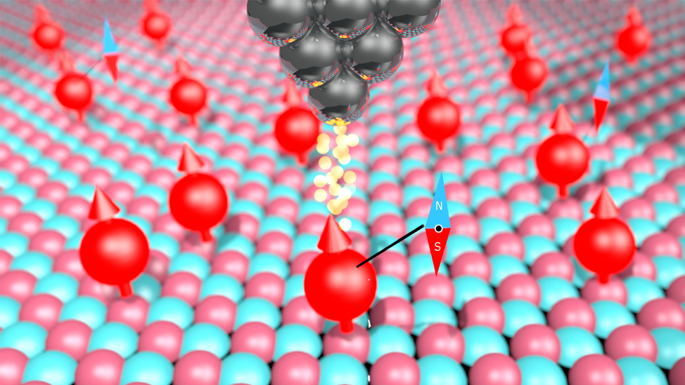
New method enables identification of different isotopes atom by atom Braga, Portugal — A international collaboration, including INL researchers – Jose Lado (ETH, Zurich), Alejandro Ferrón (CONYCET, Argentina) and Joaquín Rossier ( Theory of Quantum Nanostructures Group Leader at INL) –, have made a major scientific breakthrough by detecting the nuclear magnetism, or “nuclear spin” of a single atom. The experiments have been carried out by IBM Research at Almaden (California), in collaboration with the University of Oxford and QNS (Seoul). The researchers used advanced and novel techniques to measure the nuclear spin of individual atoms on surfaces for the first time. Normally the nuclear spin, which describes the magnetism of the atom’s core, can only be detected in very large numbers. The findings, published today in the journal Science, show that this is now also possible for single atoms on a surface. To do that the team used a Scanning Tunneling Microscope, which consists of an atomically sharp metal tip and allows researchers to image and probe single atoms. The two elements that were investigated in this work, iron and titanium, are atoms that can have a different number of neutrons in the atom’s core, these are the so-called […]

Read more
Training Workshop for Pilot Lines

Training Workshop for Pilot Lines

On November 12th-13th, Brussels will be the stage for the “Pitch Training Workshop for NanoMarket” aimed at pilot line owners and powered by the European Pilot Production Network. 142 pilot productions and 41 Projects are already at the EPPN and Marketplace tool. Come and join them at the event that will gather experts from the nanotech sphere in a vigorous debate around the EPPNetwork, the digital platform and the next steps and challenges to be addressed within the WG. Register here and know more about the EPPN project and how it can help you grow.

Read more
Regional agents discuss the action plan in the context of the NMP-REG project

Regional agents discuss the action plan in the context of the NMP-REG project

Norte Regional Coordination and Development Commission (CCDR-N) and the International Iberian Nanotechnology Laboratory (INL) organised an NMP-REG regional stakeholder group meeting, on 28th September, at the premises of CCDR-N, in Porto (Portugal). This meeting gathered stakeholders from the regional scientific and technological system, clusters and competitiveness poles and entities from the public sector. The session focused on the actions proposed for the Norte Region action plan, which are aimed at improving an investment priority of the Regional Operational Programme – Norte 2020. Additionally, the main challenges faced by stakeholders in this field and the project state of the art were also discussed. The participants took a very active role in this meeting and provided many interesting insights.

Read more
“Meat” me at the Lab

“Meat” me at the Lab

In the last 50 years, meat consumption increased by 330%. In 2016, there were 28 billion live animals mostly used for food production for 7.4 billion of humans, worldwide. This demand is causing huge health and environment problems such as soil contamination, antibiotic resistance, green-gas emission, deforestation and tons of animal suffering. You might have never thought about this, but meat is a high-protein food composed of highly organized muscle and fat cells. And, today, we can grow those cells in culture flasks instead of in the animals. This is what the new-born industry of cell-based meats does. They might mitigate many of those impacts by dropping land use by 99%, reducing agricultural gas emissions by 78%-96%, and not using antibiotics. Sara M. Oliveira, Postdoctoral Fellow at Food Processing Group, contributed in the report “You are What you Meat”, recently published by Massive Science and available here. This is a science guide to equip you with everything you need to stay informed as a scientist, consumer or a science-curious reader.

Read more
1 117 118 119 120 121 134