News

Revolutionising cancer monitoring: INL’s microfluidic chip enables earlier diagnosis and personalised treatment

Revolutionising cancer monitoring: INL’s microfluidic chip enables earlier diagnosis and personalised treatment

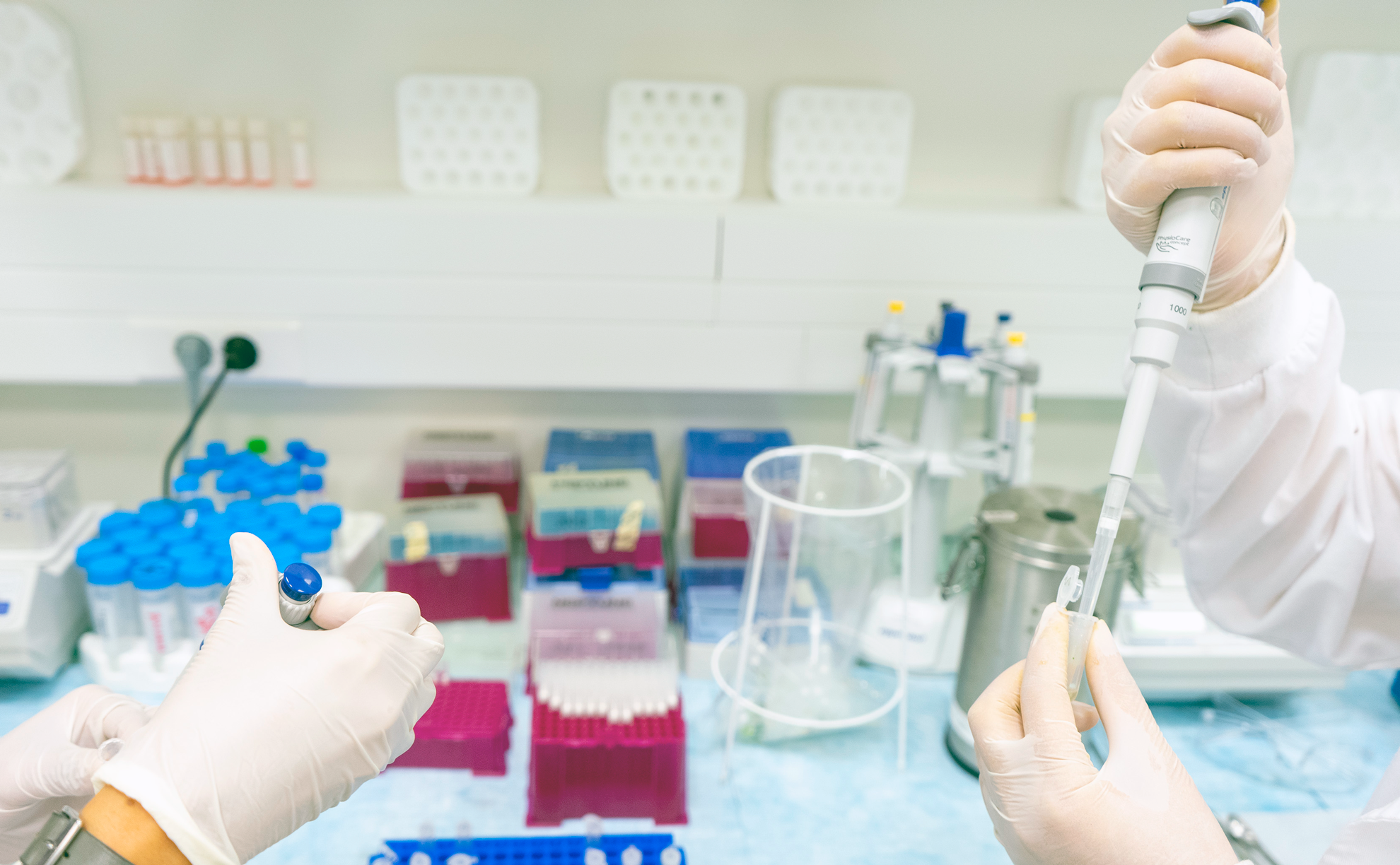
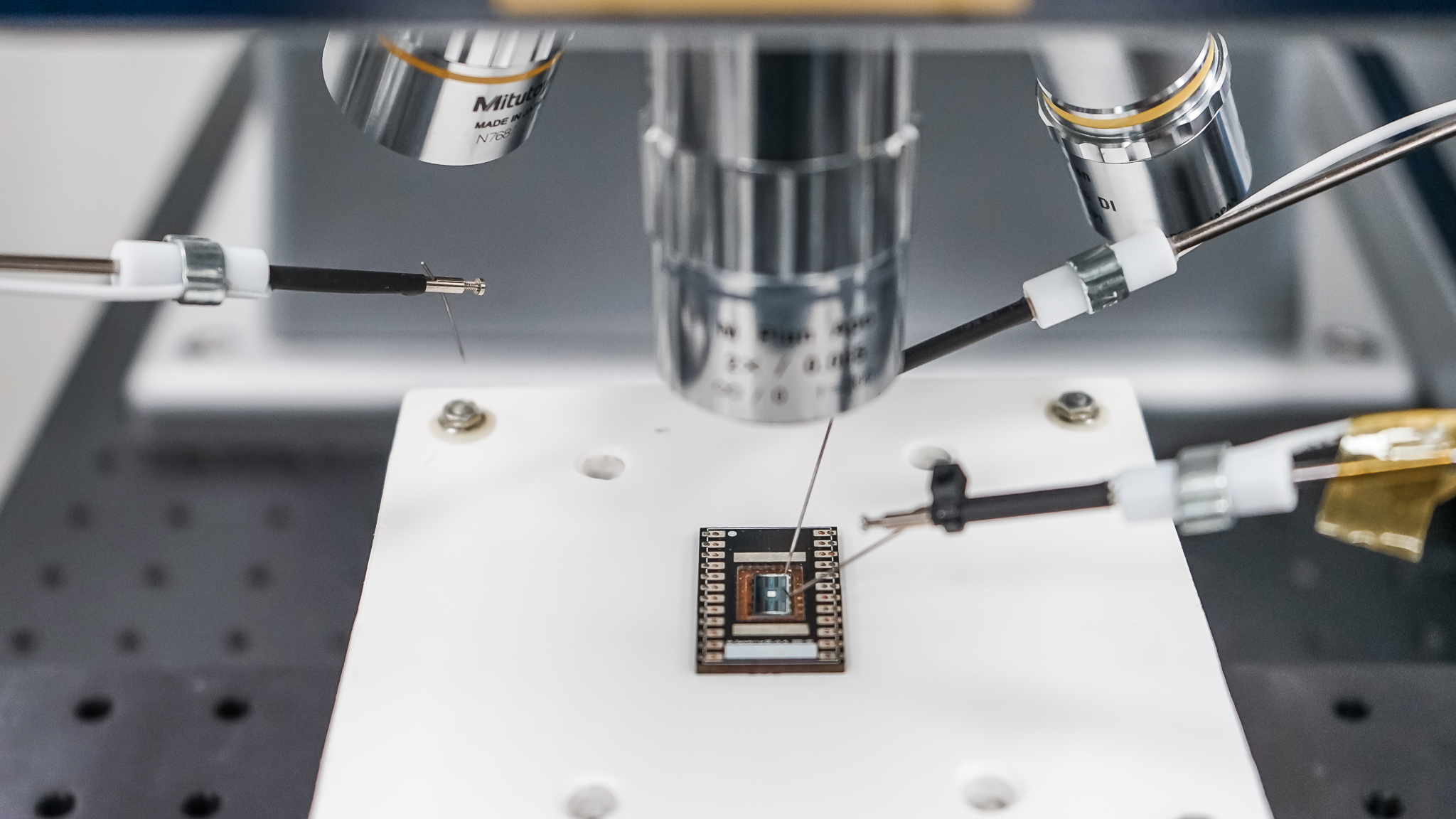
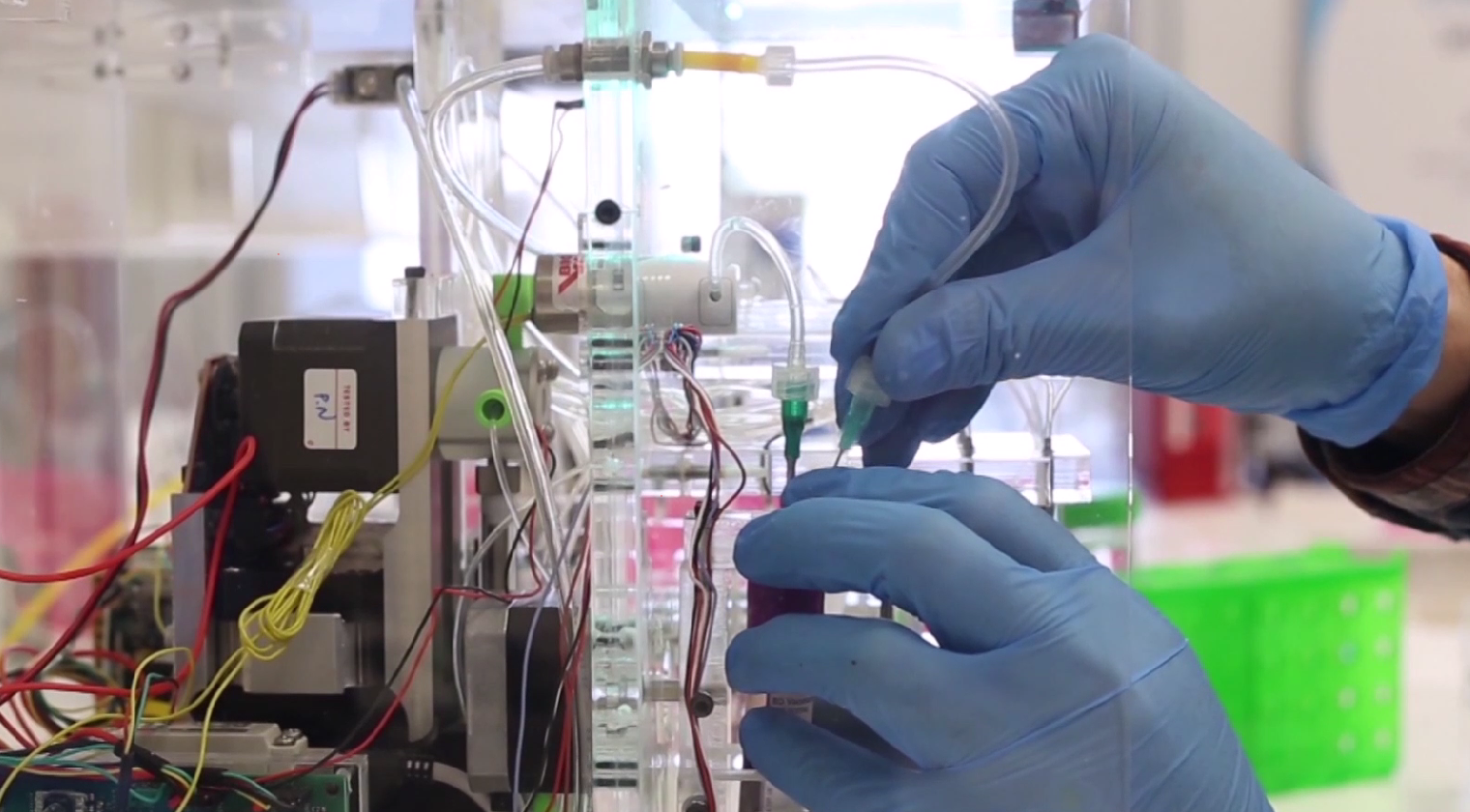
Circulating tumour cells, or CTCs, are the agents responsible for cancer’s spread to distant parts of the body and have been an enigma in the realm of cancer research. Their analysis, termed liquid biopsy, allows for non-invasive and continuous monitoring of cancer through a simple blood test. However, until now, this analysis has been limited by the technologies available for CTC isolation which were primarily dependent on immuno-recognition and only captured a subgroup of CTCs (typically the less aggressive type). The Medical Devices research group at INL has pioneered a microfluidic system that holds the potential to transform the way we understand and fight cancer. This pioneering microfluidic chip marks a paradigm shift. The revolutionary system can efficiently and swiftly isolate all types of CTCs directly from whole blood samples, eliminating the need for complex pre-processing steps. The microfluidic chip also facilitates high-resolution imaging of the CTCs, enabling automation of the entire processing and analysis method, thus reducing user dependence, and has already been demonstrated in clinical testing to predict cancer progression up to 1 year earlier than existing technologies. The project CTC-OncoDynamics funded through the Caixa Impulse Consolidate program, and done in collaboration with INL’s spin-off company RUBYnanomed, aimed […]

Read more
1st International Conference of the Portuguese Association of Cellular Agriculture at INL

1st International Conference of the Portuguese Association of Cellular Agriculture at INL

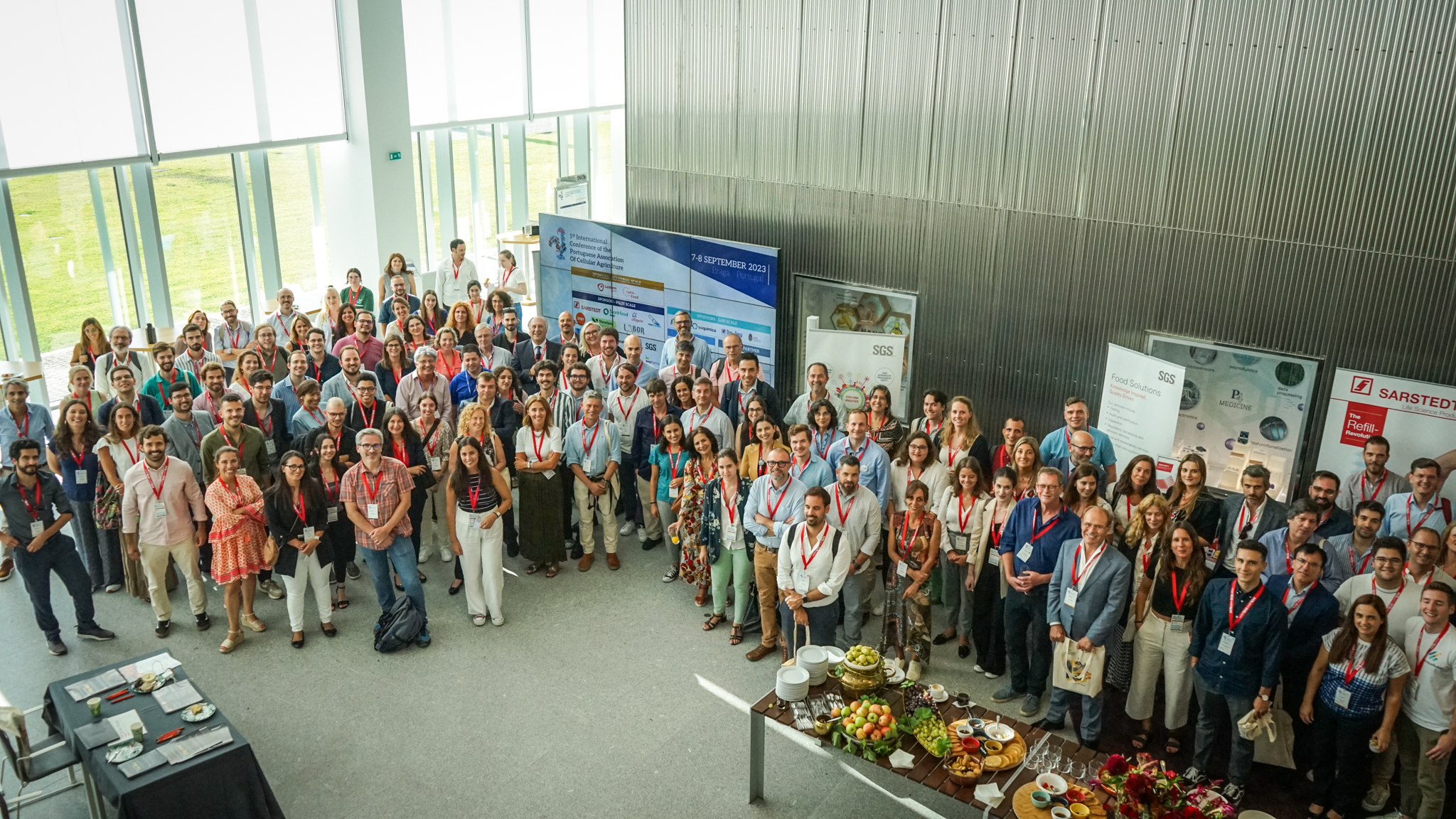
CellAgri Portugal – Portuguese Association for the Development of Cellular Agriculture together with INL – International Iberian Nanotechnology Laboratory and in partnership with Municipio de Braga, Portugal Foods, Colab4Food and FLAD hosted the 1st International Conference of the Portuguese Association of Cellular Agriculture. This event aimed to foster and encourage the collaborative development of cellular agriculture while sharing the latest scientific and innovative advancements related to cellular agriculture products, such as cultivated meat, fish, milk, collagen, leather, fur, wool, and hair, both nationally and internationally. Some of the most influential minds in cellular agriculture –  Mark Post, Isha Datar, Andrew Stout, and Vítor Espírito Santo joined this unique event as keynote speakers and panellists. They shared their expertise and insights on the latest developments, challenges, and opportunities in this transformative field. More than 150 participants took part in the conference during two truly productive and inspiring days in which we were able to learn from the best and discuss the most recent advances with leaders in the area.

Read more
INL researchers are working on a novel approach to fight a common disease in pigs

INL researchers are working on a novel approach to fight a common disease in pigs

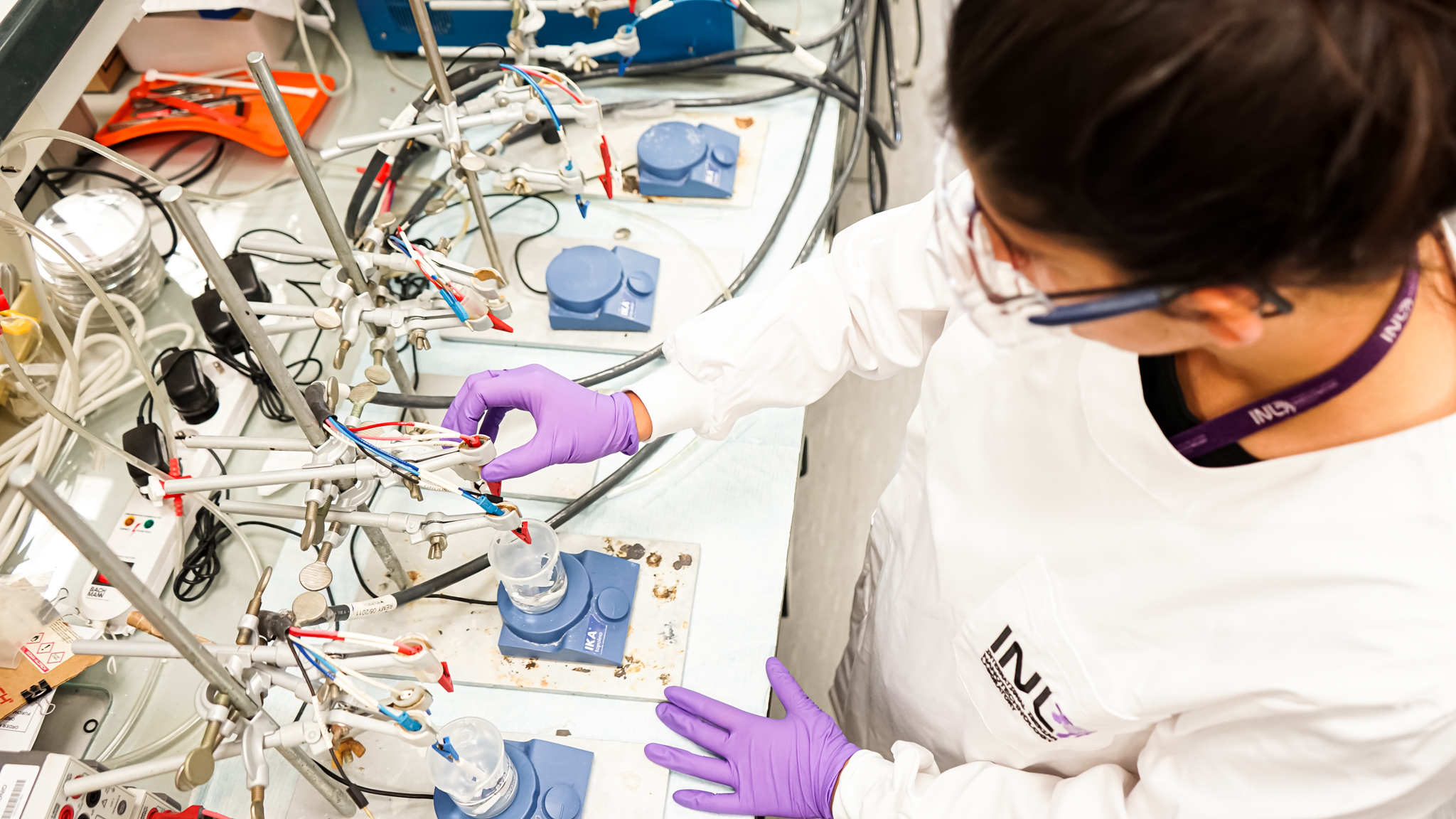
The project APTAcoli aims the development of a novel approach to fight a common disease that affects young pigs – enteric colibacillosis. This disease is caused by certain strains of Escherichia coli that attach to the small intestine and produce harmful toxins. These toxins lead to diarrhoea, dehydration, and acidosis. In the past, antibiotics were used to control the disease, but this practice is now banned in many countries. New strategies are needed to fight colibacillosis, and one promising approach is using aptamers, which are special molecules that can block the toxins and help the animals recover. Aptamers are like “molecular keys” that can selectively bind to specific targets. They have advantages over antibiotics, such as specific action and easy synthesis. However, they can be unstable in the body. To address this, synthetic nucleic acid mimics (NAMs), can be used to increase stability. INL researchers are working towards the development of new NAM-aptamers to block Escherichia coli toxins. To start, a selection process was performed to create NAM-aptamers specific to Escherichia coli toxins. Pablo Fuciños, who is leading this project in the Food Processing and Nutrition research group, adds “An encapsulation strategy is now being developed to protect the aptamers […]

Read more
DIAMOND-CONNECT: Advancing Brain Cell Activity Sensing with Quantum Diamond Technology

DIAMOND-CONNECT: Advancing Brain Cell Activity Sensing with Quantum Diamond Technology

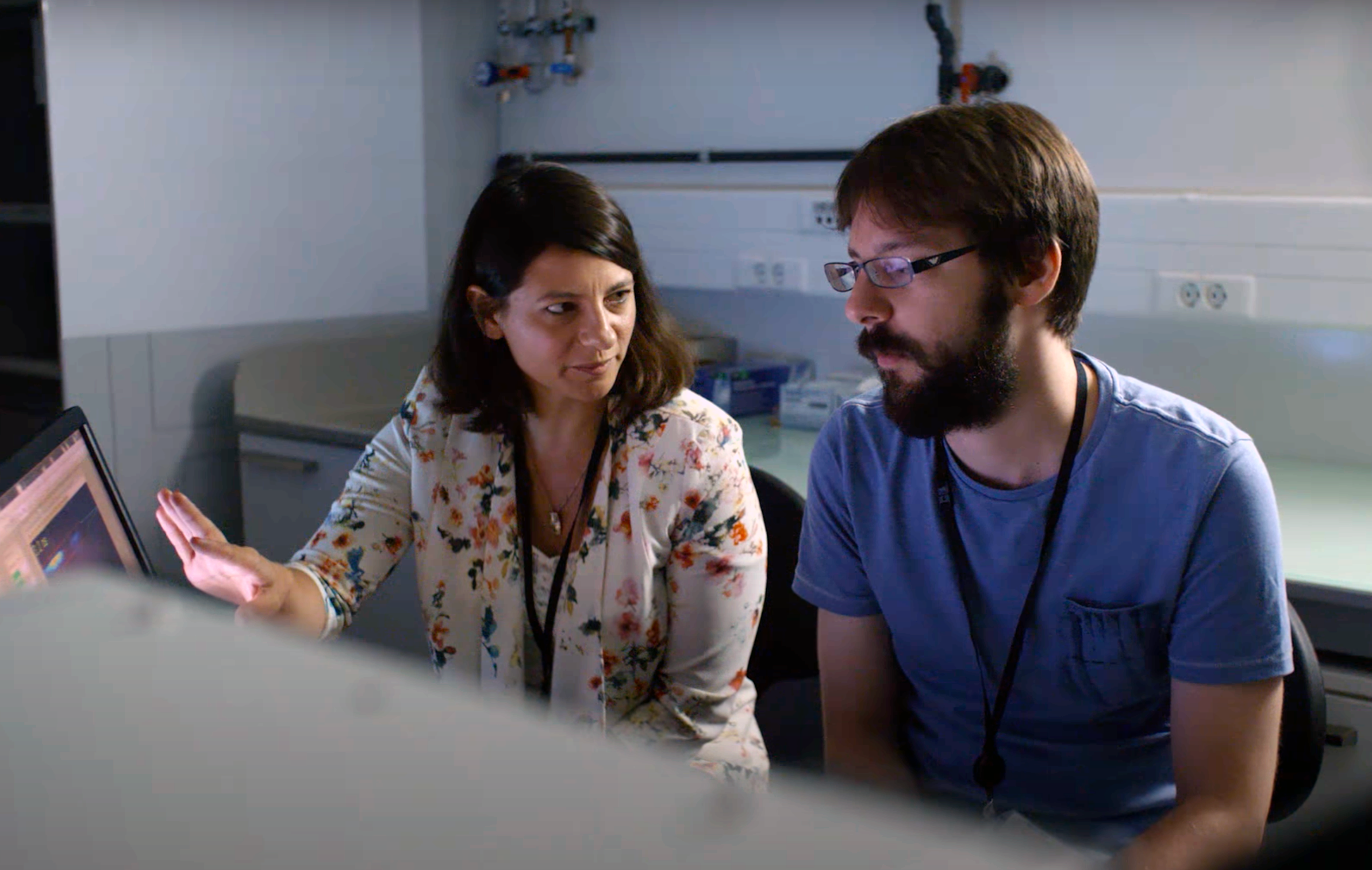
The DIAMOND-CONNECT project aims to use advanced quantum measurement methods for the observation of neuronal signalling. One promising technique involves using the glow of nitrogen-vacancy centres in diamonds to measure parameters such as temperature and magnetic fields on a tiny scale. The project plans to create a configuration where these nitrogen-vacancy centres are placed very close to neuronal cells at the surface of the diamond material to read their activity using quantum light signals. A special laser is used to place these centres in specific locations. INL researchers are optimising this colour centre creation for targeted sensing conditions within a network of brain cells. The diamond platform shall carry a tiny electrode that allows it to electrically stimulate the brain cells locally. The electrical activity of neurons creates a magnetic field that will be detected by light emitted from nitrogen-vacancy centres in the diamond. Jana Nieder, leader of the Ultrafast Bio- and Nanophotonics research group, explains that “using a powerful microscope for quantum measurements, we will be able to simultaneously observe the signals from all the centres in the diamond grid. This will help us to study the brain cell activity, neuronal communication and potential changes in response to neuronal stimulation or disease patterns.” The DIAMOND-CONNECT project aims to provide a […]

Read more
Investigating Air Quality in Schools with Advanced Sensors and Innovative Strategies

Investigating Air Quality in Schools with Advanced Sensors and Innovative Strategies

The LEARN project team is focused on understanding how air quality in schools affects children’s learning abilities. This unique EU-funded project aims to overcome existing technological barriers and develop new sensors to detect harmful air pollutants like volatile organic compounds and ultrafine particles. By measuring and studying indoor and outdoor air pollutants, as well as biomarkers of exposure, the researchers will assess their impact on children’s cognition. To achieve the project’s goals, a diverse team of leading researchers from various fields, such as environmental epidemiology, toxicology, air quality, systems biology, engineering, and social sciences, was assembled. To further explore these effects, INL researchers are using C. elegans as biosensors. Nivedita Chatterjee, who works in the Nanosafety research group, explains that “at INL, we set up a non-mammalian alternative model to study toxicity, development and behaviour, and we have been obtaining fascinating results. This will help us to better learn the effect of air pollutants on children’s health“. With LEARN‘s scientific achievements, we will have long-term impacts on indoor air quality technology, significantly improving the quality of life for children in Europe and leading to positive changes in society and the economy. Learn more about LEARN project and follow the project on social […]

Read more
Revolutionising optical systems: INL’s cutting-edge micro-mirror technology

Revolutionising optical systems: INL’s cutting-edge micro-mirror technology

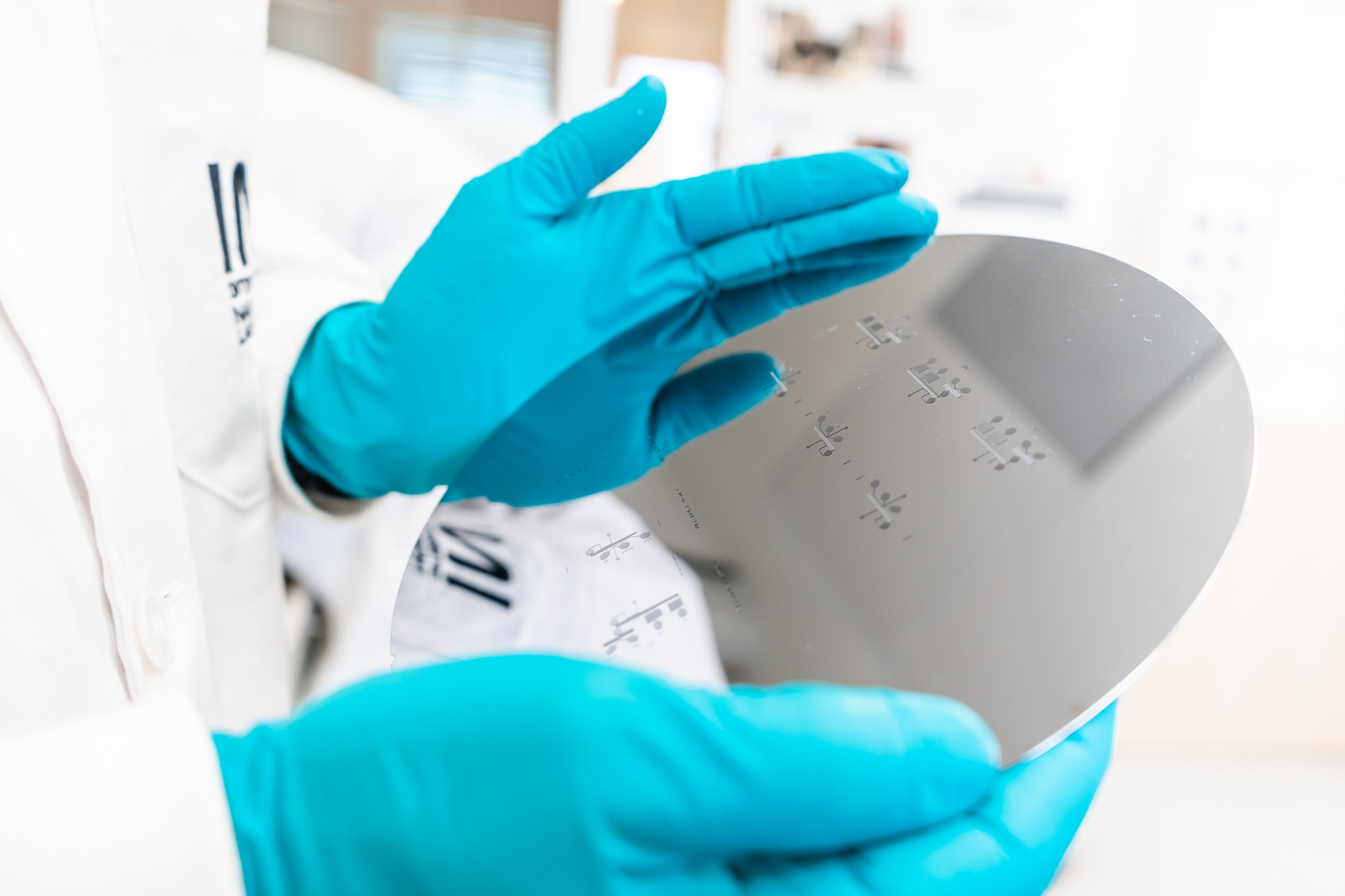
Micro mirrors with large two-dimensional fields of view are a crucial breakthrough for achieving compact optical systems capable of reliable light manipulation, powering revolutionary applications like LIDAR and laser microscopy. INL researchers, in collaboration with the University of Minho and Bosch, have developed ground-breaking 1D and 2D micro-mirror technology using state-of-the-art MEMS (Micro Electronic Mechanical Systems) silicon-on-insulator (SOI)-based bulk micromachining. Impressively, neither complex bonding processes nor piezoelectric materials are needed to fabricate these mirrors, paving the way for more efficient and cost-effective solutions. The developed micro-mirrors feature purely electrostatic torsional out-of-plane actuation and capacitive sensing on both axes. “The unique self-aligned greyscale lithography micromachining process developed at INL, reduces gap tolerances and boosts performance by defining the vertical asymmetry of the comb electrodes with precision”, explains Inês Garcia, one of the leading researchers responsible for the success of the project. This technology has already made strides in LIDAR prototypes for automotive applications, but the potential does not end there. Diogo Aguiam adds “we are excited about the prospects of its implementation in compact laser microscopy and laser projection, opening up new horizons in scientific research and entertainment”.

Read more
Celebrating World Brain Day: INL’s JumpIN project advances brain health and spinal cord injury research

Celebrating World Brain Day: INL’s JumpIN project advances brain health and spinal cord injury research

World Brain Day is an annual global initiative dedicated to raising awareness about neurological disorders and promoting brain health. Today we want to highlight one of the projects that we are working on at INL – JumpIN, which aligns with the mission of World Brain Day to promote brain health and combat the challenges posed by brain-related diseases. Spinal cord injury is a significant global health concern, with approximately 500,000 new cases reported each year. These injuries result in neurological deficits, and studies indicate that 99% of patients experience lifelong functional impairment, ranging from partial paralysis to full tetraplegia. The prognosis of recovery largely depends on the number of surviving neurons close to the injury site, as these neurons can contribute to functional improvements through neuroplasticity (i.e. the ability of the brain to change and adapt). The JumpIN project aims to develop efficient strategies to promote neuronal repair and regeneration following spinal cord injury. The new approach aims to achieve therapy administration using minimally invasive methods, which are preferred because they can reduce the risk of complications, minimise tissue damage, and potentially lead to faster recovery times. Researchers at INL are contributing to this innovative project by adding their expertise in […]

Read more
INL researchers actively engaged in hydrogen and renewable gas research

INL researchers actively engaged in hydrogen and renewable gas research

INL researchers from the Clean Energy cluster are actively engaged in hydrogen and renewable gas research. Hydrogen holds tremendous potential to revolutionize our society in various ways. As a clean and versatile energy carrier, hydrogen offers a promising solution to mitigate climate change and reduce dependence on fossil fuels. It can be produced from water and renewable electricity, and it can be transformed into a wide range of synthetic fuels. Advancements in hydrogen research are driving the development of efficient and cost-effective methods for hydrogen production, storage, and utilisation. Hydrogen can be directly used in fuel cells for transportation, enabling zero-emission vehicles and reducing air pollution. It can also be used in industrial processes and power generation, fostering a sustainable energy ecosystem. Furthermore, by combining hydrogen with other abundant gases, it is possible to produce methane, methanol or other renewable gases, that are compatible with existing natural gas and energy infrastructure. While these factors open up opportunities for the widespread adoption of hydrogen, there is still a need to develop more efficient electrolysers and other systems that use fewer critical raw materials. Moreover, hydrogen can be applied in various sectors, including industrial processes, power generation, and residential applications, further contributing […]

Read more
Researchers from INL visited EB2/3 André Soares as part of the incluIR project

Researchers from INL visited EB2/3 André Soares as part of the incluIR project

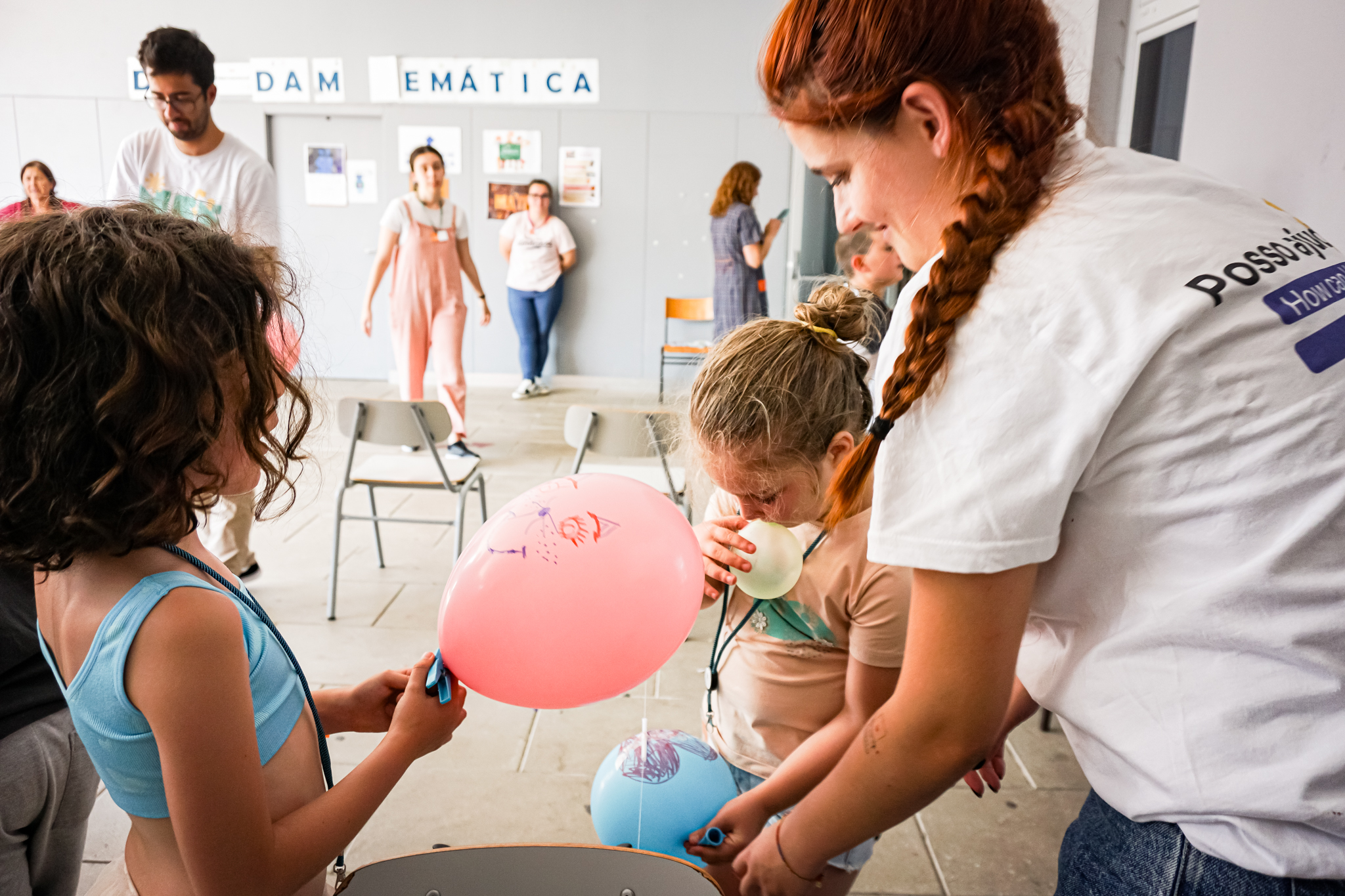
INL researchers visited, yesterday, the EB2/3 André Soares school, starting a new partnership with the Municipality of Braga within the scope of the ‘incluIR’ project. 7 researchers from different research areas were involved in the activity. ‘incluIR’ is an inclusive holidays project that allows children and adolescents to participate in educational activities, mitigating social and economic differences. During the months of July and August, participants take part in unusual activities, interacting with stimulating experiences and realities, which reinforce the importance of education through Art, Culture and Science. Carla Sepúlveda, Councilwoman for Education, Innovation, and Social Cohesion at the Municipality of Braga, remarked that “’incluIR’, besides its inclusive and integrative aspect, also has a very strong collaborative sphere. It is only possible to offer a program with quality activities based on partnerships with the various structures of the city/county.” She also added that “the partnership with INL arises from the intention of involving an important and fundamental structure for the territory in a project that promotes inclusion. Our goal is to bring to the school and to the vacation program the best that the city has to offer. We believe that an Educating City is the union of efforts and synergies […]

Read more
1 17 18 19 20 21 53