News

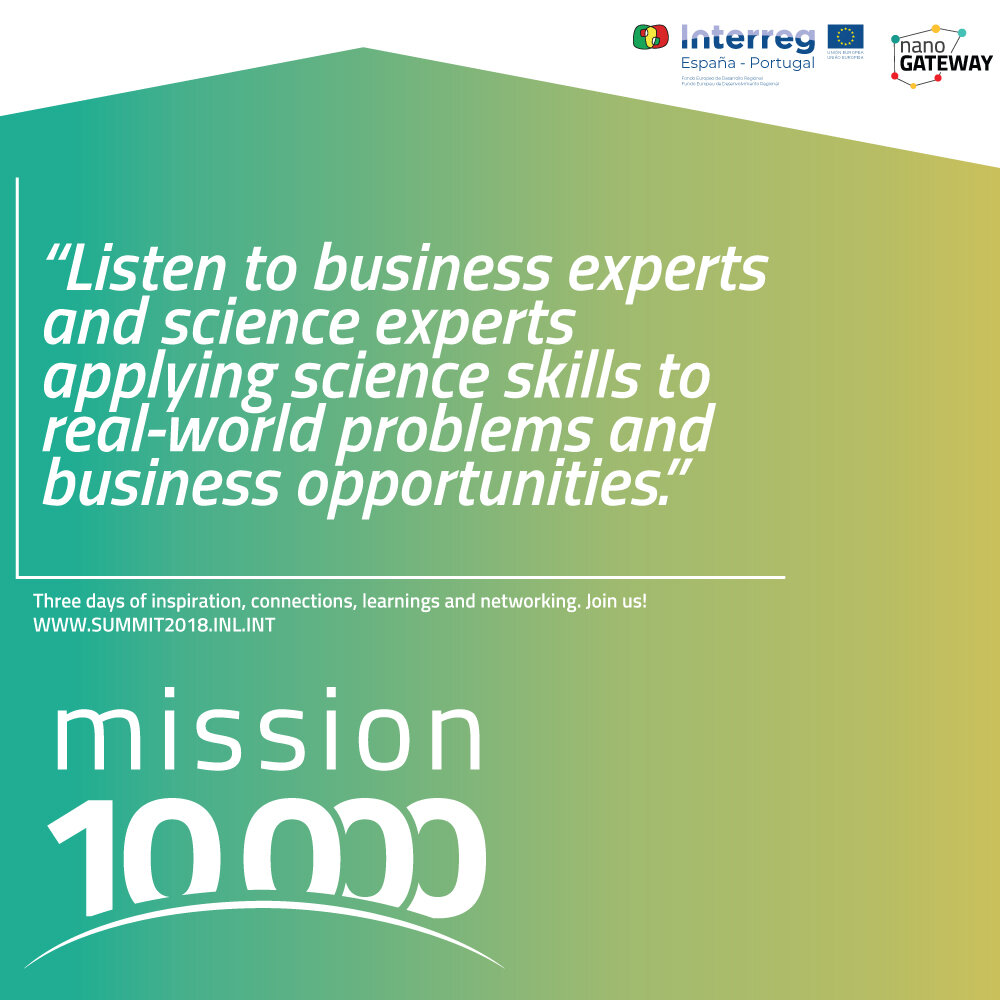
Mission 10.000 Call for abstracts

Mission 10.000 Call for abstracts

INL Summit 2018 third day will be dedicated to Mission 10.000 – a nanoGateway International Conference. This main conference topic will be Nanotechnology: an enabler for bioeconomy and subjects as agriculture (including forestry sector), water resources and food industry will be discussed thro papers, oral presentations and many other sessions. This Mission is a collaborative multi-actor sector initiative to increase the impact of research on issues of social relevance, involving all the relevant actors to solve complex challenges. Submit your abstract on this Mission until September 15th and get involved in a unique conference. See you on October 17th, at Forum Braga! For more information, please visit the official website.

Read more
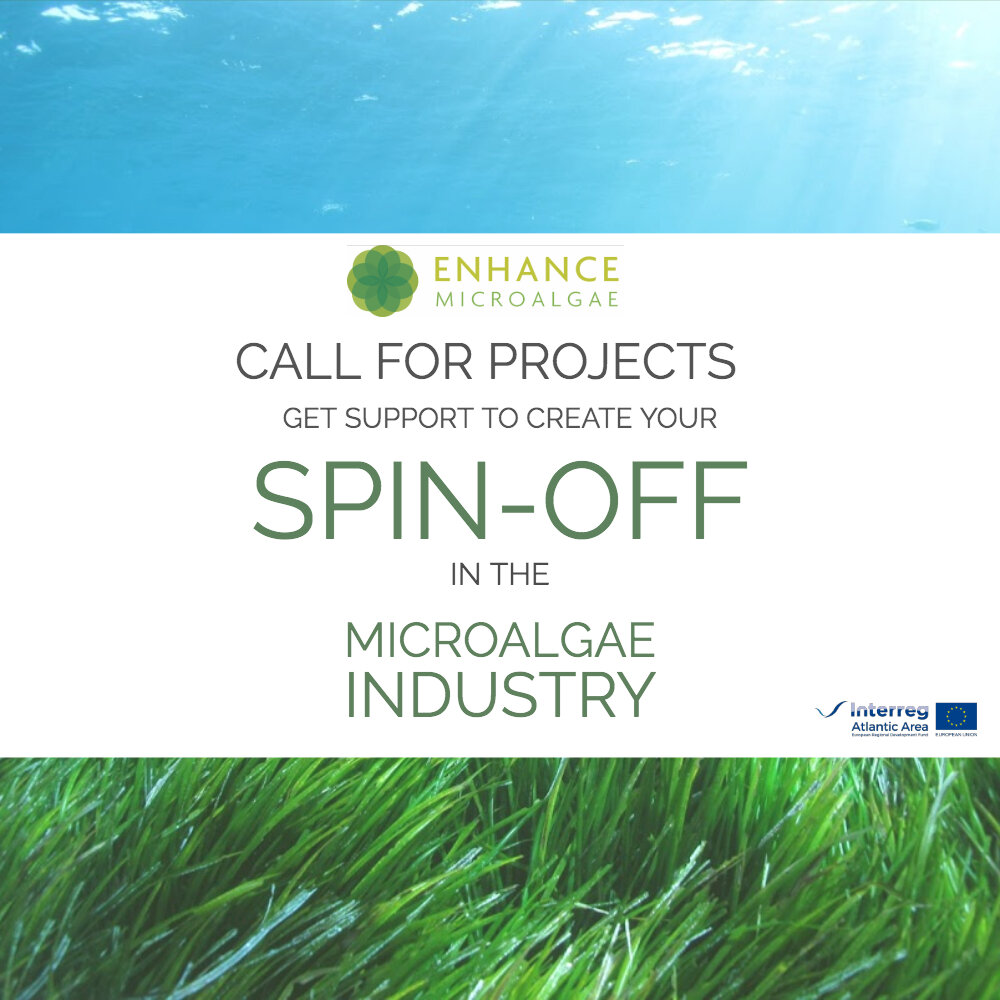
Call for projects Enhance Microalgae

Call for projects Enhance Microalgae

The EnhanceMicroAlgae is a Project funded by Interreg Atlantic Area Programme. It aims to contribute to the competitiveness of the microalgae-based industry in the Atlantic Area through the transfer of technological and economic expertise to the commercial sector. This project will facilitate information transfer between a panel of experts and companies specialising in different areas like; nutritional, cosmetic, pharmaceutical, thus, encouraging business cooperation among the different countries. This consortium offers a wide range of skills and interests, with strong track records for science, production and exploitation of microalgae throughout the Atlantic Area. We will: – Undertake a comprehensive analysis of skills, skill gaps and opportunities in the microalgae sector – Develop case studies, supported by Decision Support Tools, to increase economic performance and competitiveness with the transfer of know-how from academic and technological centres to SMEs – Analyze critical factors of operation from an environmental point of view – Incorporate nanotechnology/new technologies (emerging and/or transferred from other sectors) to microalgae sector – Encourage the creation of spin-offs and self-employment. Looking for a partner to help you kick your project in the microalgae industry? EnhanceMicroAlgae is the project you’ve been waiting for. Chosen projects will be supported at three different levels: […]

Read more
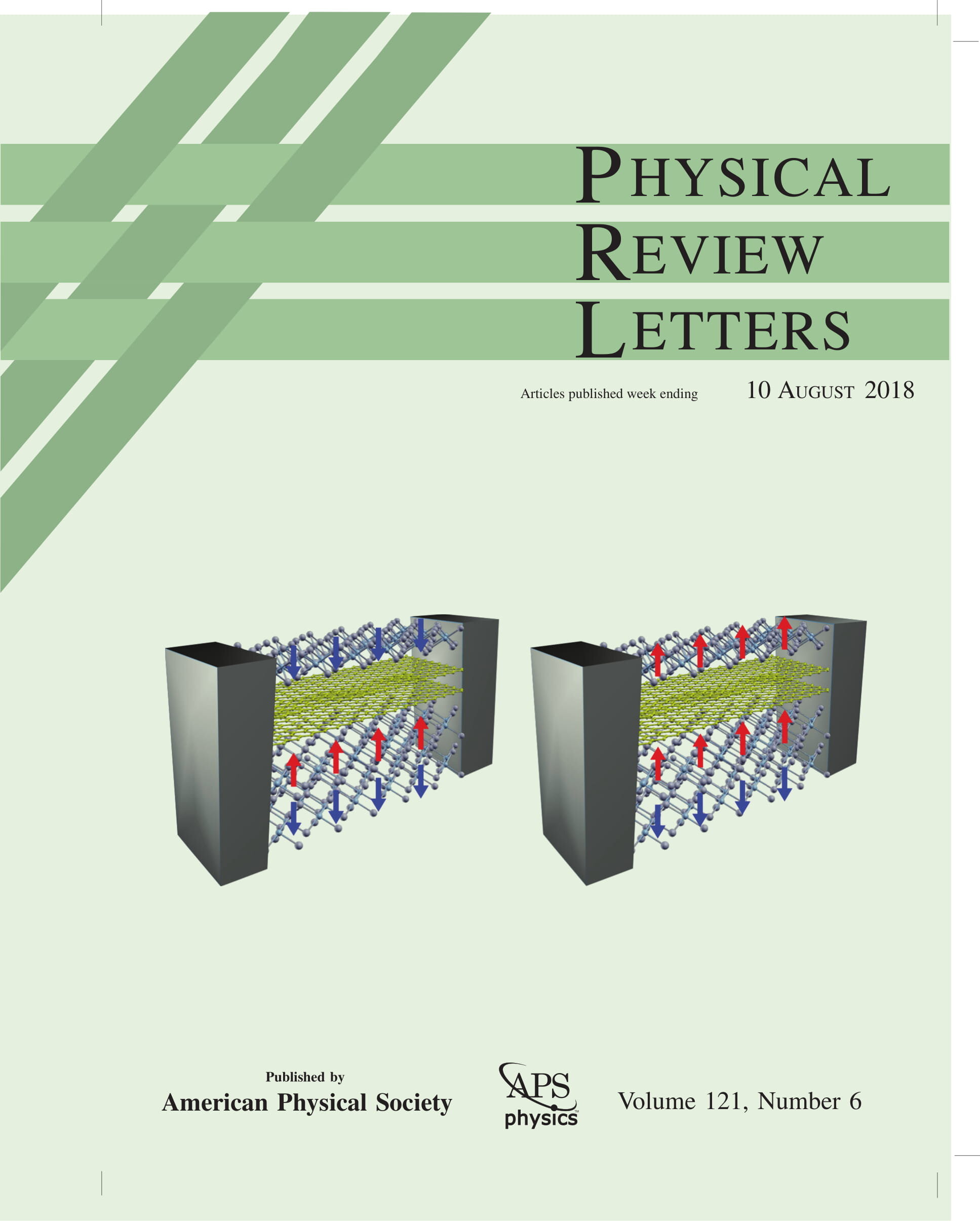
INL research on quantum materials in the cover of top Physics journal

INL research on quantum materials in the cover of top Physics journal

INL researchers from the group of Theory of Quantum Nanostructures have proposed a new type of spintronic device concept, based on ferromagnetic proximity effect in two-dimensional crystals. The INL researchers have modelled how the electronic properties of graphene bilayer change from conducting to insulating depending on the relative orientation of the magnetisation of two adjacent magnetic layers. The results have been published in Physical Review Letters (PRL) and have been selected as Editors’ suggestion, making the cover for August 2018 edition. PRL is one of the worldwide most regarded journals on Physics by the scientific community, where only a minor fraction of the suggested papers are selected for publication by the Editors.

Read more
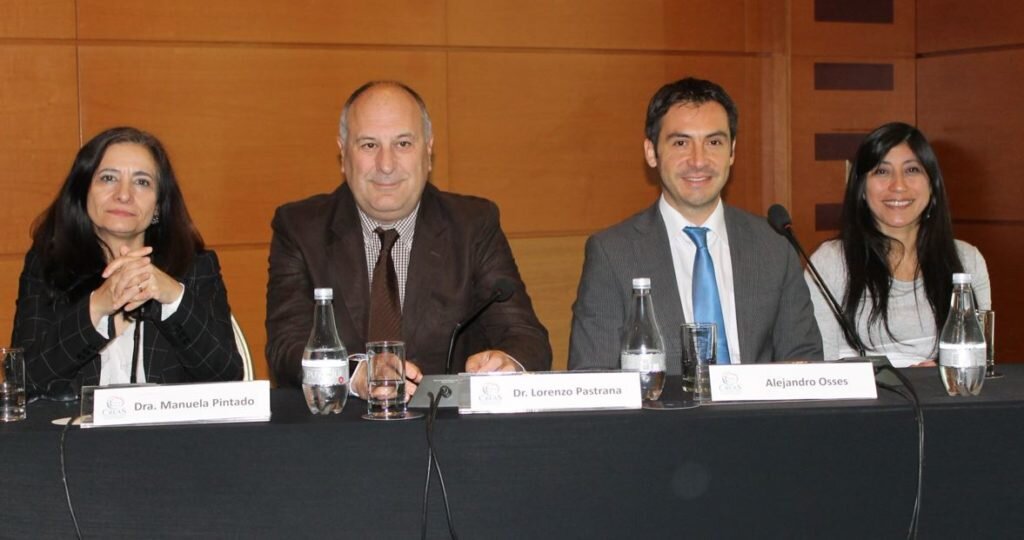
INL showcases nanotechnology developments in Chile

INL showcases nanotechnology developments in Chile

INL presented the latest trends on nanotechnology applied to the food sector in a seminar promoted by Chilean organisation CREAS (Regional Center for Studies on Healthy Food) on how science and technology can help the productive sector to have a better performance. Also, the INL Head of Life Sciences, Lorenzo Pastrana, participated in a meeting with representatives of the Regional Government of Valparaiso to show the collaboration INL-CREAS as a success case, underlining the importance of the public body funding agencies to support the connexion between academy and industry. The initiative, that took place last June 28th and 29th at Valparaiso and Viña del Mar, Valparaíso Region, Chile, also gathered other specialists from Chile and Portugal to discuss how science will play a key role to take innovation to the market.

Read more
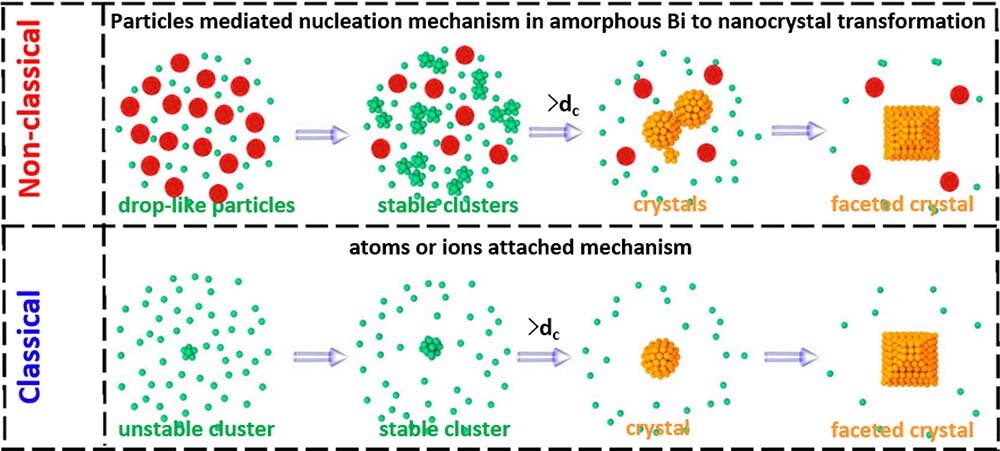
In Situ Atomic-Scale Study provides new insights into crystal nucleation and growth mechanisms

In Situ Atomic-Scale Study provides new insights into crystal nucleation and growth mechanisms

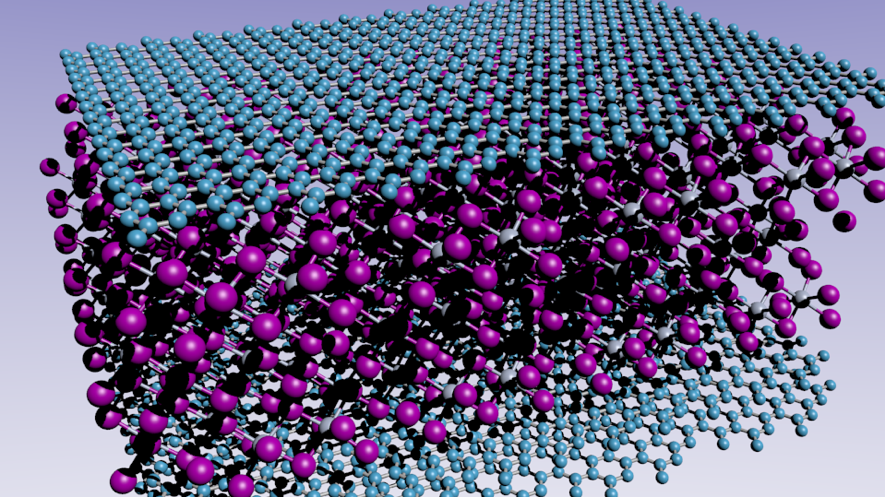
Junjie Li and Francis Leonard Deepak from the AEMIS Department along with Zhongchang Wang – QMST Department in collaboration with international researchers have carried out In situ atomic-scale studies to clarify nucleation and growth mechanisms of nanocrystals. Understanding nucleation and growth at the atomic scale is of great interest to scientists in many disciplines. However, fulfilling direct atomic-scale observation is still a significant challenge. In their recently reported study in the leading international journal Advanced Science using Bi as a model system, they employed electron beam irradiation within an aberration-corrected TEM to unveil the non-classical mechanism of crystal nucleation and growth. These findings are expected to help advance the general understanding of the dynamic process of nucleation of materials and phase transformations at the atomic scale.

Read more
EuroNanoLab scales up nanostructuration in Europe

EuroNanoLab scales up nanostructuration in Europe

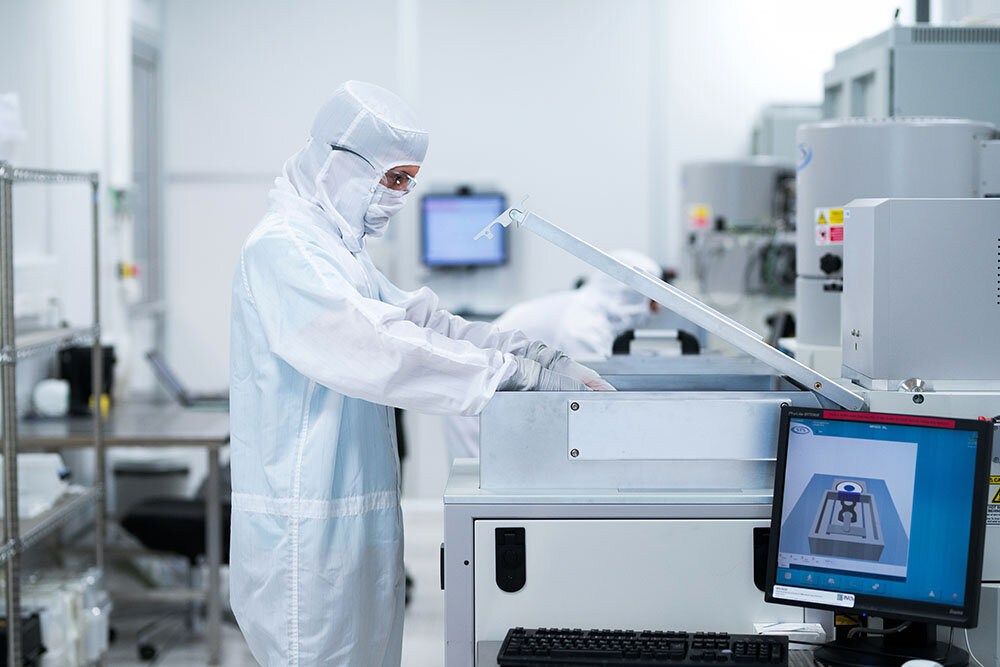
EuroNanoLab is an initiative to establish a large-scale distributed nanofabrication research infrastructure, and INL’s Cleanroom is one of the facilities available. This initiative brings together most of the European academic clean rooms, the place where future technology is already happening. Gabriel Chardin, from CNRS, the consortium coordinating organisation, explains why this is a major step towards a new era, in an opinion article you may read here.

Read more
Plug and play anisotropy-based nanothermometers

Plug and play anisotropy-based nanothermometers

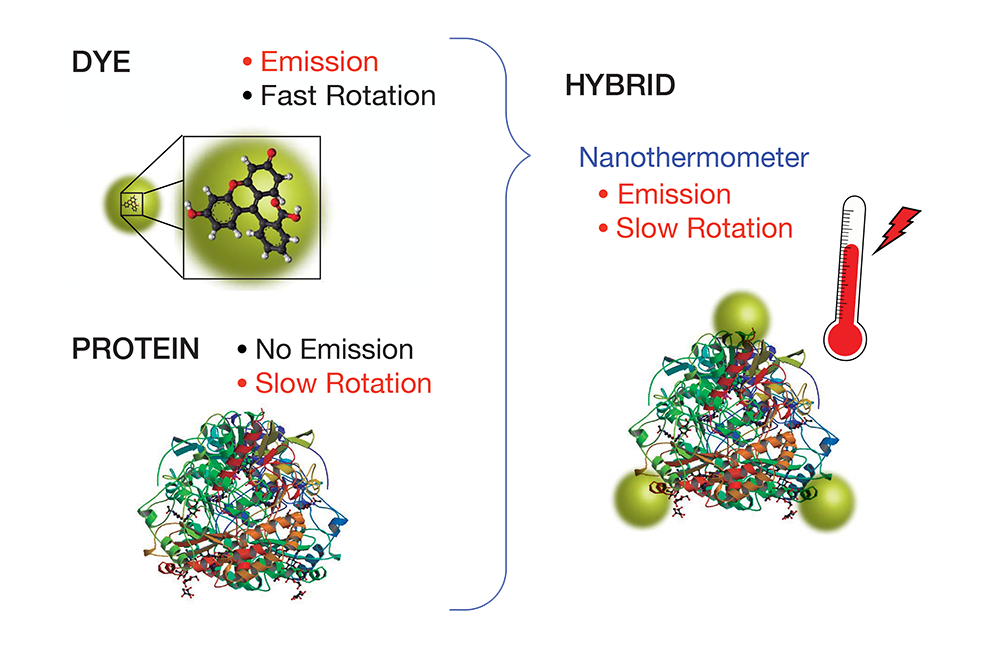
The Ultrafast Bio and Nanophotonics group have developed a novel Plug and Play Nanothermosensor technology with relevance for molecular biochemistry at INL, led by J. Nieder and international collaborators. The novel technique allows a new level of access to measure temperate at the molecular scale. Read the full article in ACS Photonics.

Read more
Covalent organic frameworks capture pharmaceutical pollutants from water

Covalent organic frameworks capture pharmaceutical pollutants from water

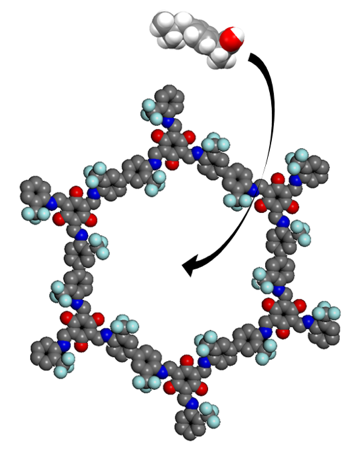
A team of scientists from the Nanochemistry and Water Quality groups at INL, CRSTRA in Algeria, LMU in Germany, and GalChimia in Spain have developed a fluorine-bearing covalent organic framework (COF), and showed, for the first time, that this class of materials can be used to capture pharmaceutical pollutants from water. Lipophilic pharmaceuticals, such as ibuprofen, were adsorbed from the water with high efficiency and completely recovered by simple solvent exchange. As opposed to many other adsorbents such as activated carbon, the developed COF can be efficiently recycled for reuse. Read the full article in Chemistry-A European Journal.

Read more
Exploring two dimensional magnets with quantum tunnelling

Exploring two dimensional magnets with quantum tunnelling

A team of scientist from MIT, NIMS in Japan, Iowa State University and INL, have fabricated a new type of magnetic tunnel junctions where the tunnel barrier is made of a newly discovered two-dimensional magnet. This permits them to probe the magnetic properties of this new material and unveil unknown aspects of its magnetic behaviour. In addition, the devices present a very large magnetoresistance, the variation of electrical resistance upon application of magnetic fields, that forms the basis to many applications. J. Fernández-Rossier, from INL, said that “these experiments, take advantage of electron tunnelling across these magnetic materials to explore magnons”. These findings have been reported in the prestigious journal Science, edited by the American Association for the Advancement of Science, on May 3, 2018. Read the full article here.

Read more
1 74 75 76 77 78 80