Last week, INL participated in FIC.A, which took place between October 10-16 at the Hub-ACT (Art, Science & Technology), a future incubation centre for creative industries in Oeiras, Portugal.
The International Science Festival – FIC.A was created in 2021 to innovate, disrupt stereotypes and establish a new reality that would fascinate those who, for some reason, are not connected to the world of science and technology.
During 7 days, the mission of FIC.A was to inspire and capture the attention of children and adults, create new audiences for science and use art to communicate exciting science and technology. There was an inspiring program of events, full of exciting opportunities to engage the audience.
The school program welcomed over 18.500 students over 5 days. INL researchers designed an interactive game about liquid biopsy, microfluidics and cancer and participated in fun demonstrations about nanotechnology and sensors. During the weekend, the program was filled with playful science explorations, including a science-inspired cultural program. INL prepared a hands-on workshop about transistors, participated in the ‘Conversations with authors’ session, a friendly set-up to talk about the Multicultural community at INL, and participated in a poetry reading gathering with poems written by an INL researcher.
INL team, together with over 100 academic, scientific, technological, diplomatic, governmental and non-governmental entities, joined FIC.A 2022 to bring to life the science that surrounds us, to encourage us to read about science, and understand and realise that science is behind everything.
INL highlights the impact of research on our daily lives at the European Researchers’ Night 2022
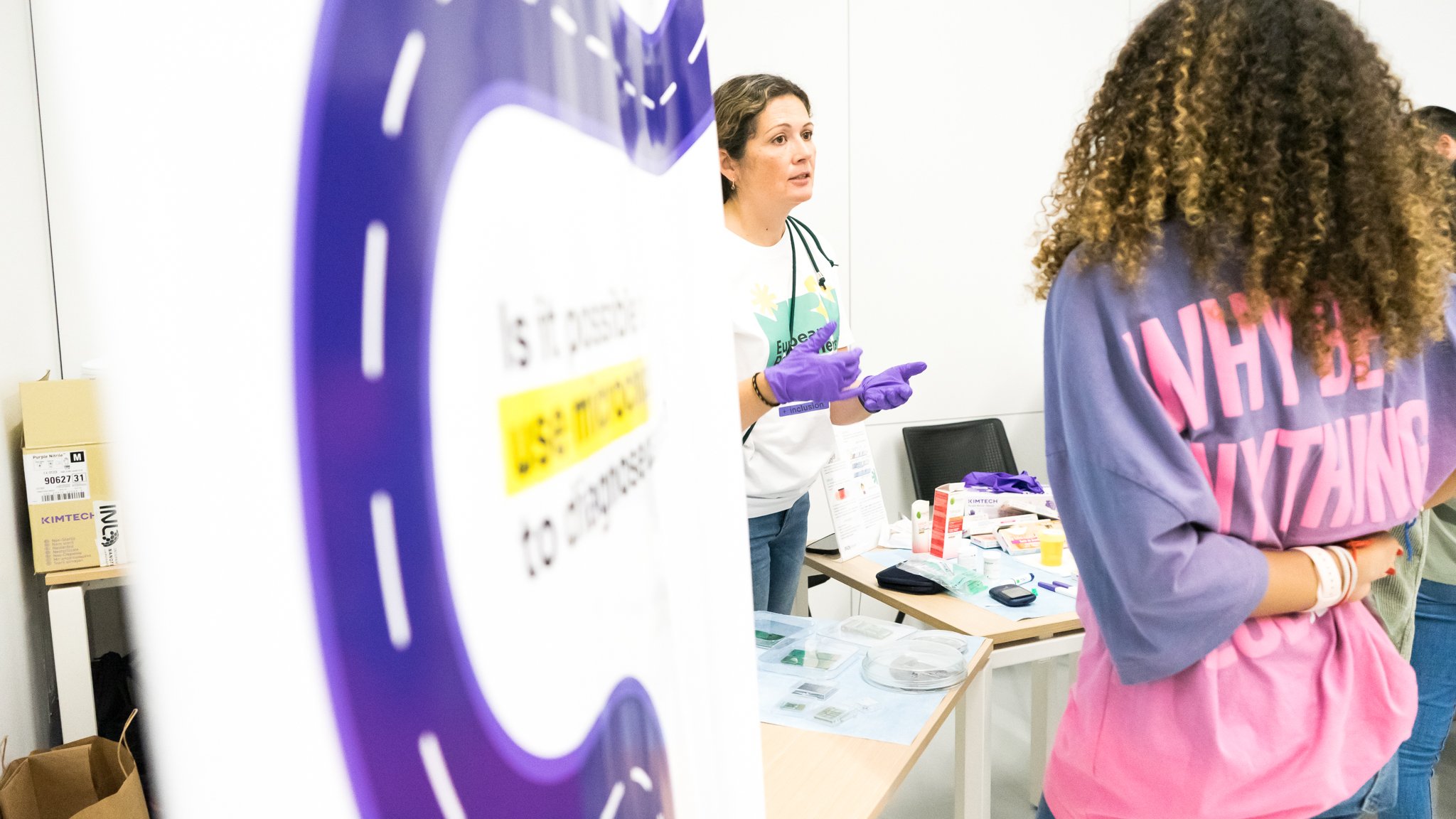
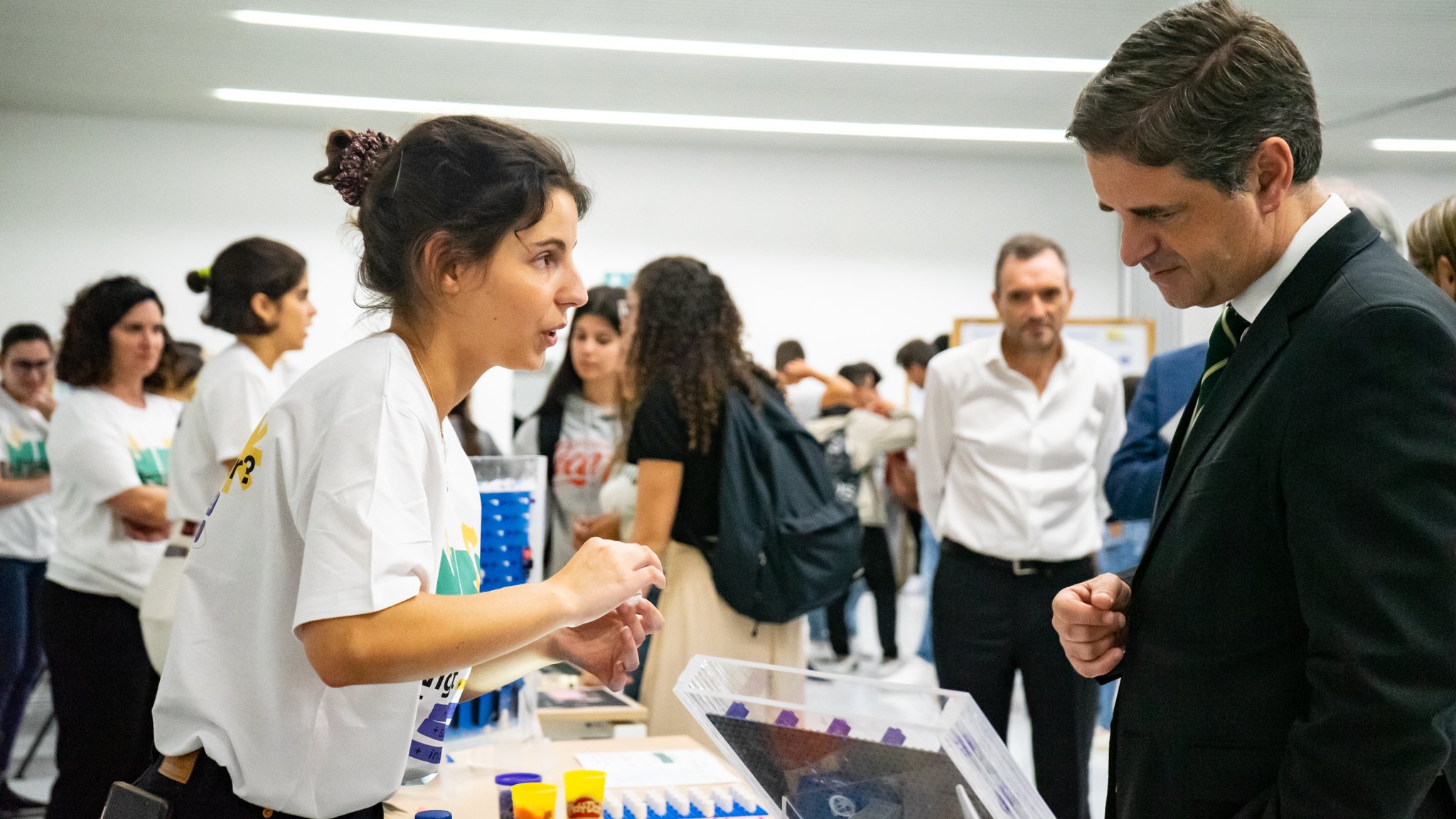
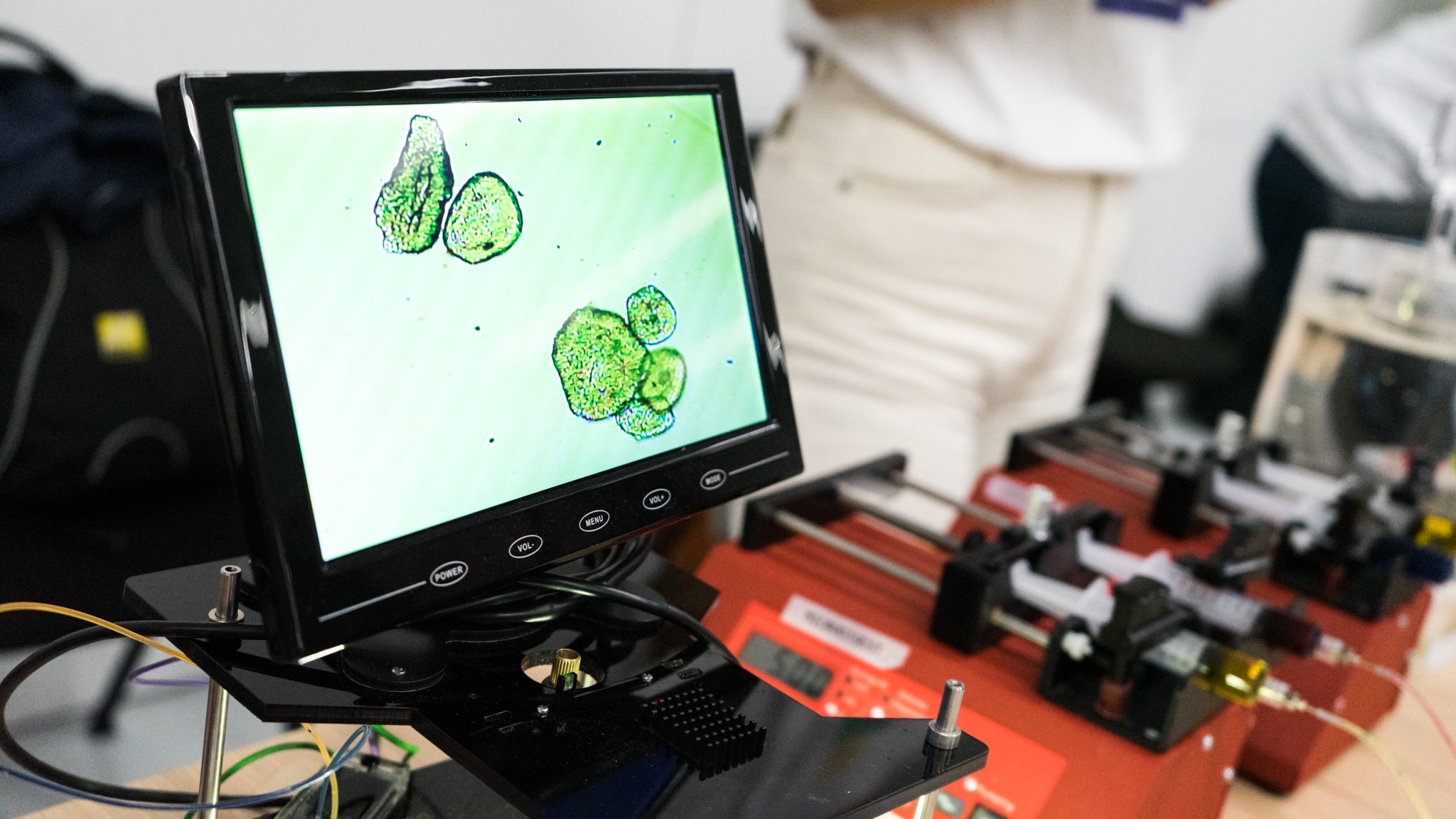
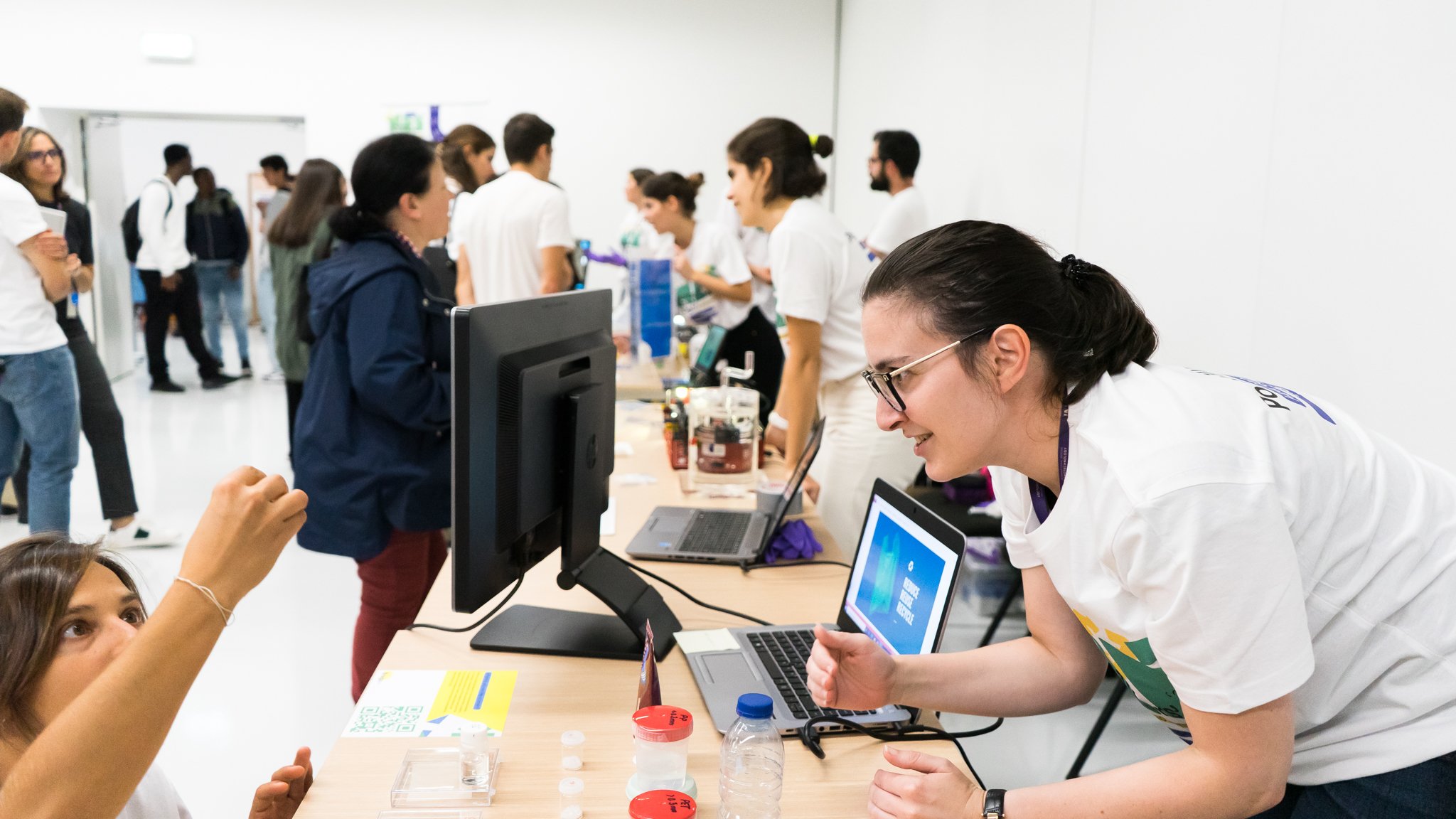

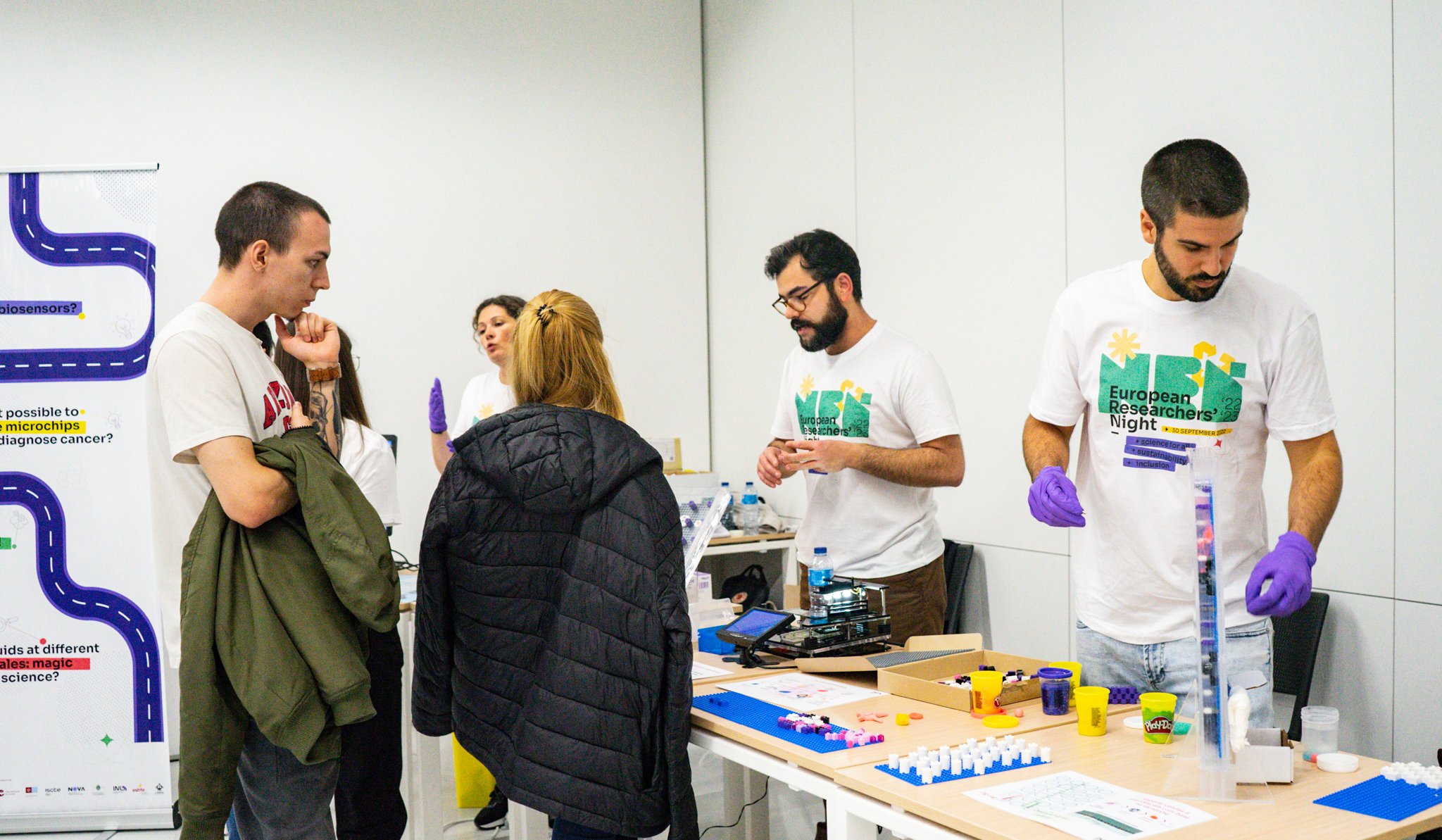
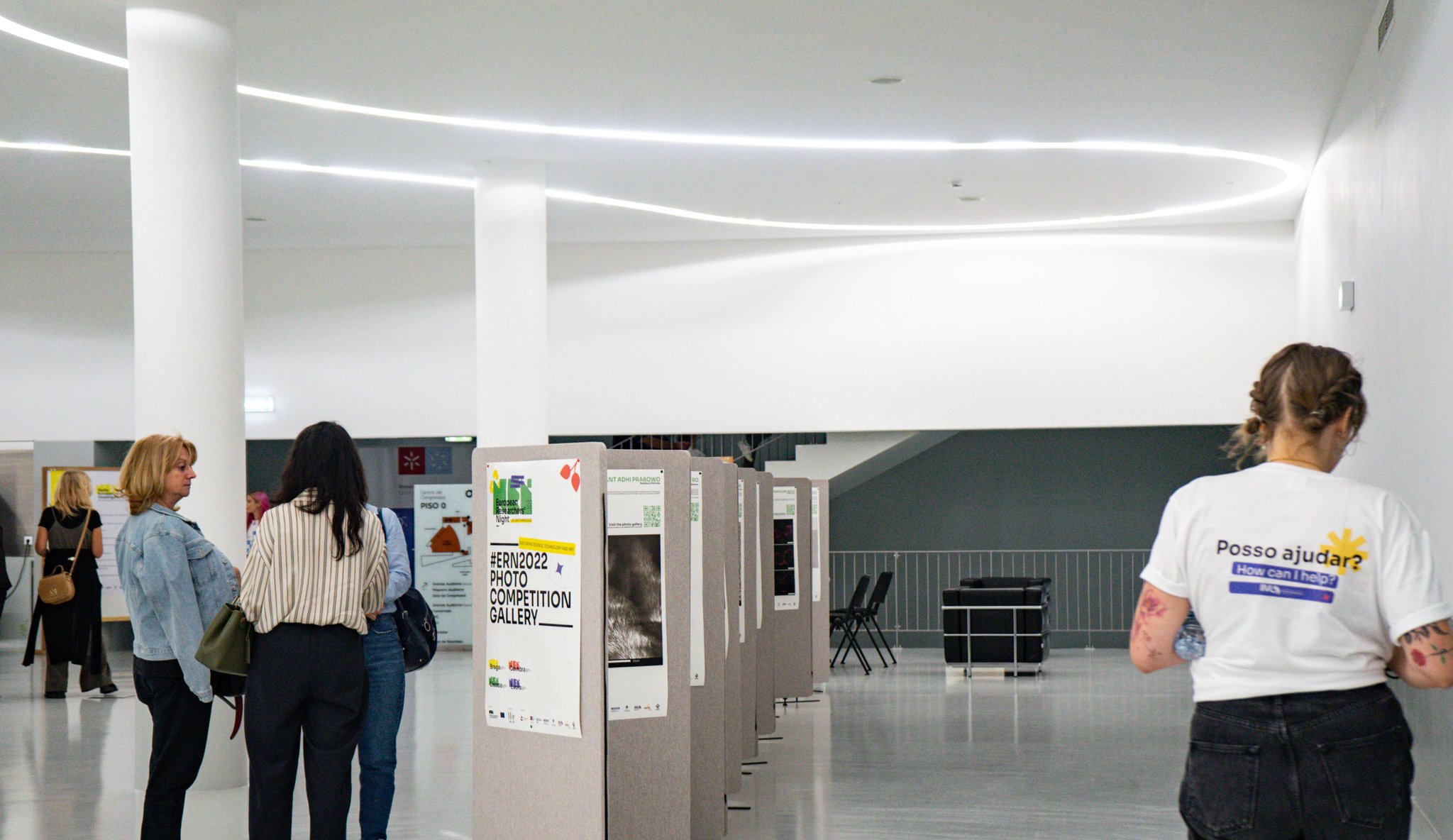
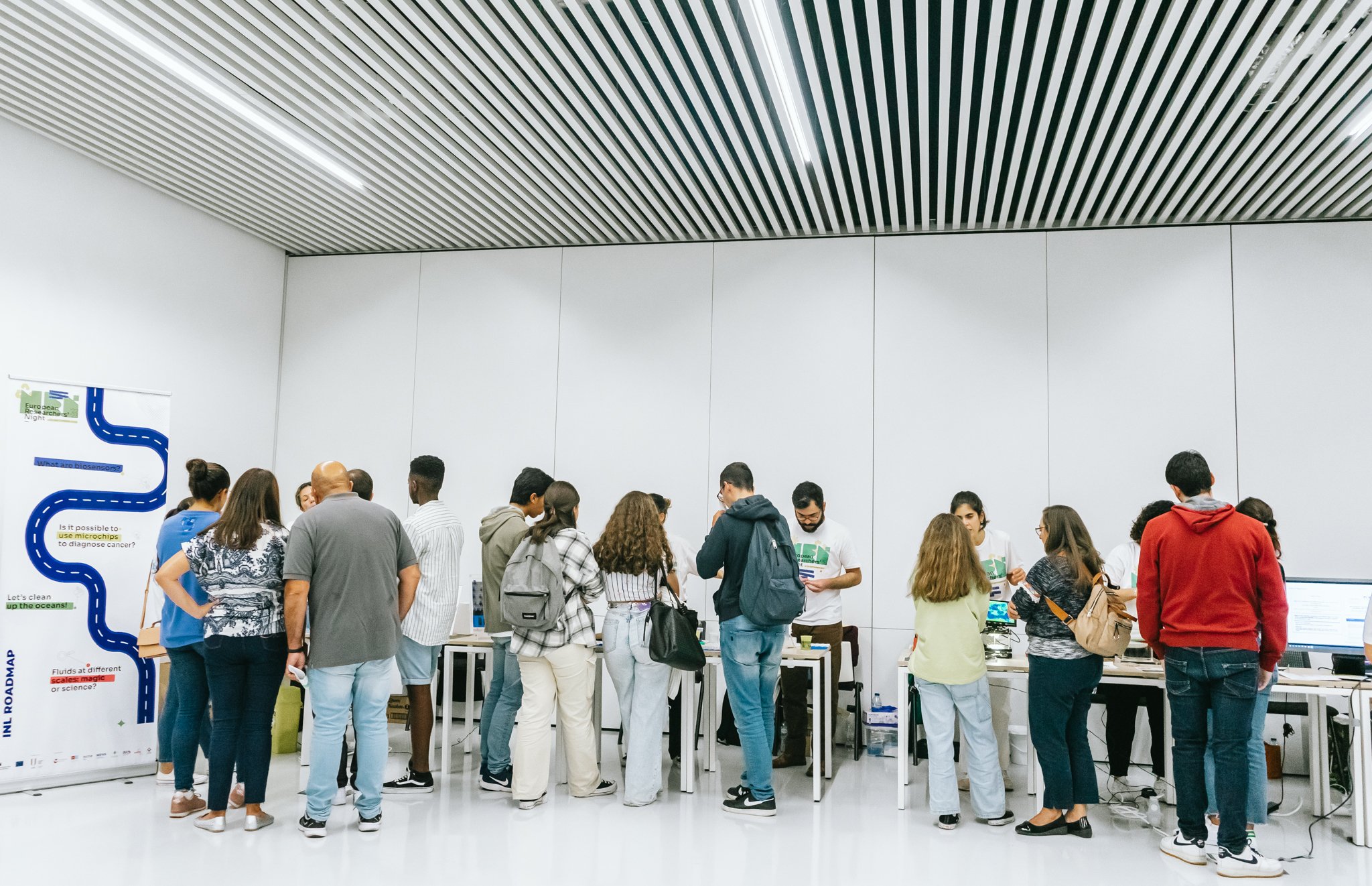
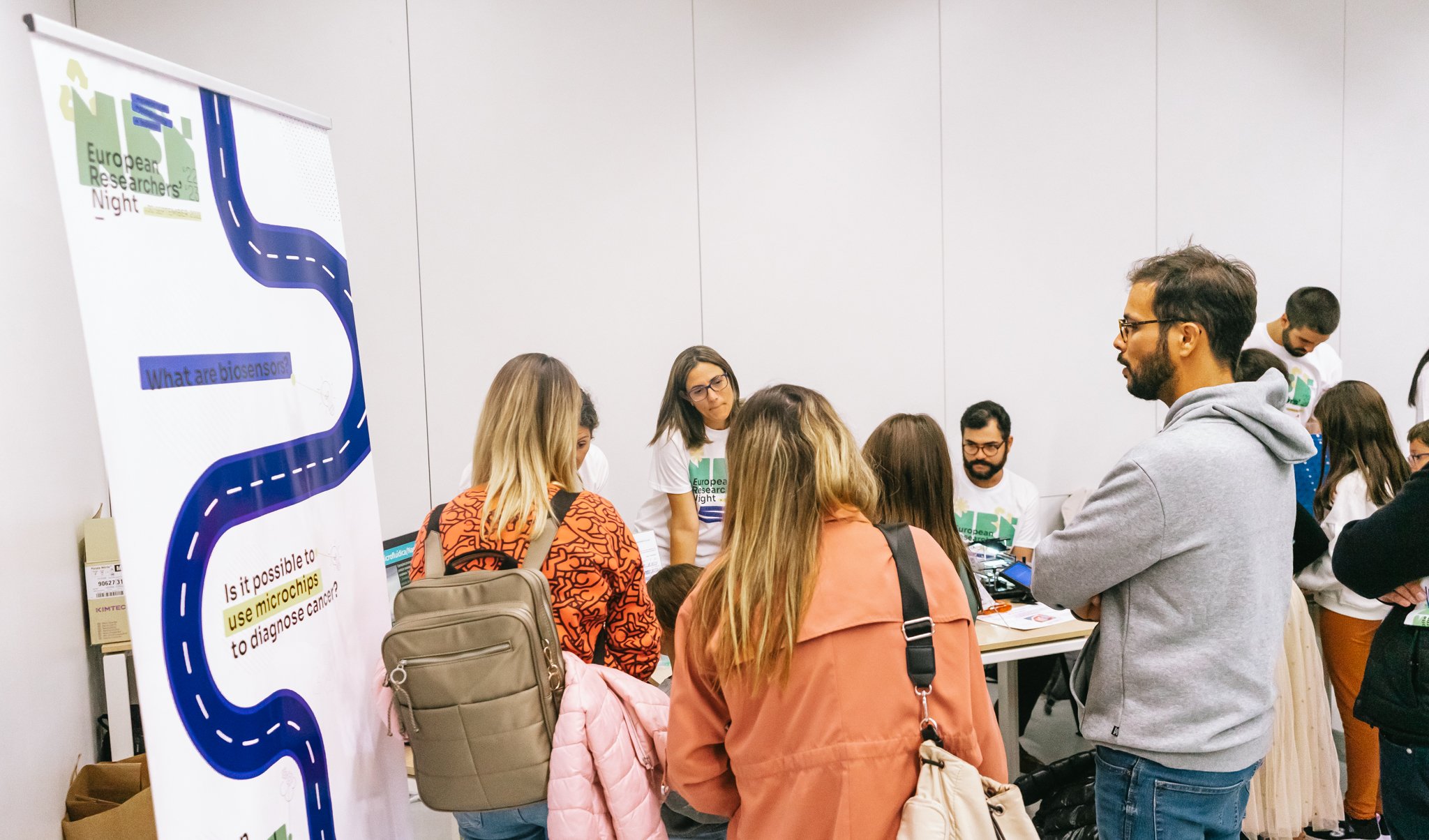
The last Friday of September 2022 marked the return of the European Researchers’ Night — the annual celebration of innovative research taking place simultaneously in more than 30 countries and 300 cities throughout Europe.
The diverse programme included games, hands-on activities, a photo booth, and the ERN2022 Photo Exhibition. We learned about biosensors, explored the world of microchips, showcased how we are fighting water pollution, illustrated how fluids work at different scales and shared the passion and the special work MISSION NERD is developing by spreading scientific knowledge to the community.
These were just a few of the possible applications that International Iberian Nanotechnology Laboratory (INL), and ECUM – University of Minho many other partners introduced to more than 1300 visitors 2022 European Researchers’ Night, at Altice Fórum Braga.
The audience defied all researchers with relevant questions and expressed genuine wonder as they saw “magic” happening before their eyes.
This year, ‘Science for Everyone – Sustainability and Inclusion’ was the motto that framed an event committed to raise awareness about the role of science in achieving sustainability and inclusion goals among school students and different audiences, while identifying key societal concerns about climate change and sustainable growth and linking them to science-oriented solutions and proposals.
GASTRIC, developing miniaturised devices for the simulation of gastrointestinal enzymatic digestion

The GASTRIC project is focused on the development of miniaturised devices for the simulation of gastrointestinal enzymatic digestion and an organ-a-chip to study intestinal absorption in the gut.
Oral administration remains the preferred route for the delivery of drugs or dietary supplements. However, orally ingested compounds must first survive digestion and then be absorbed by the small intestine to reach systemic circulation. The capacity to study these processes in a reliable and robust manner is key to the successful development of new bioactive compounds.
The innovation of GASTRIC lies in the capacity to simulate the digestive process in full and in an automated manner, as well as in the introduction of integrated sensors for online, real-time monitoring and control of pH, temperature and epithelial barrier integrity.
In addition, the use of primary cells and their derivation into intestinal organoids will allow the creation of on-a-chip disease models and patient-specific tissues for personalised medicine. This work was the first to use colon samples from patients in close collaboration with Hospital de Braga.
GASTRIC was developed under a Marie Curie Fellowship awarded to Miguel Xavier and was conducted at INL – International Iberian Nanotechnology Laboratory, with one secondment at the University of Southampton, UK, for 6 months.
3DSecret winner of the Pathfinder Programme by the European Innovation Council

The results of the EIC Pathfinder Open 2022 competition were released and a project coordinated by INL – International Iberian Nanotechnology is among the winners. With its Pathfinder programme, the EIC supports the exploration of bold ideas for radically new technologies. It welcomes the high-risk/high-gain and interdisciplinary cutting-edge science collaborations that underpin technological breakthroughs.
Pathfinder goes beyond what is already known. Visionary thinking can open up promising avenues towards powerful new technologies. Of the 858 proposals received, 57 projects were financed, 8 of which were with the participation of institutions based in Portugal. Applicants participating in EIC Pathfinder projects are typically visionary scientists and entrepreneurial researchers from universities, research organisations, start-ups, high-tech SMEs or industry stakeholders interested in technological research and innovation.
Of the 8 projects approved for institutions based in Portugal, 1 is coordinated by INL – International Iberian Nanotechnology Laboratory – the 3DSecret. This unique project aims to tackle this challenge by looking at metastasis from a radical new perspective, a bottom-up holistic approach: from cancer single-cells to 3D spheroids.
3DSecret is coordinated by Dr Sara Abalde-Cela, a Staff Researcher at the International Iberian Nanotechnology Laboratory since 2019. She works within the Medical Devices group, and her research focuses on the development of optofluidic platforms for the diagnosis and monitoring of cancer. Mainly, she applies Raman spectroscopy as an interrogation technique to develop novel biosensors, mostly directed to the detection of single cells and metastasis underlying mechanisms.
Sarah’s team is ecstatic and eager to start applying non-conventional tools to this challenge that will certainly open a completely new line of research, which I aim to lead at the European and international levels. Decoding stochastic patterns in metastasis will be a breakthrough discovery, allowing the prediction of cell malignancy.
Institutions based in Portugal submitted 132 proposals in total, and the 11 institutions involved in the 8 approved projects raised around 5.6 million euros (reaching a proposal success rate of 6% – keeping at the level of the European average).
3DSecret winner of the Pathfinder Programmme by the European Innovation Council
The results of the EIC Pathfinder Open 2022 competition were released and a project coordinated by INL – International Iberian Nanotechnology is among the winners. With its Pathfinder programme, the EIC supports the exploration of bold ideas for radically new technologies. It welcomes the high-risk/high-gain and interdisciplinary cutting-edge science collaborations that underpin technological breakthroughs.
Pathfinder goes beyond what is already known. Visionary thinking can open up promising avenues towards powerful new technologies. Of the 858 proposals received, 57 projects were financed, 8 of which were with the participation of institutions based in Portugal. Applicants participating in EIC Pathfinder projects are typically visionary scientists and entrepreneurial researchers from universities, research organisations, start-ups, high-tech SMEs or industry stakeholders interested in technological research and innovation.
Of the 8 projects approved for institutions based in Portugal, 1 is coordinated by INL – International Iberian Nanotechnology Laboratory – the 3DSecret. This unique project aims to tackle this challenge by looking at metastasis from a radical new perspective, a bottom-up holistic approach: from cancer single-cells to 3D spheroids.
3DSecret is coordinated by Dr Sara Abalde-Cela, a Staff Researcher at the International Iberian Nanotechnology Laboratory since 2019. She works within the Medical Devices group, and her research focuses on the development of optofluidic platforms for the diagnosis and monitoring of cancer. Mainly, she applies Raman spectroscopy as an interrogation technique to develop novel biosensors, mostly directed to the detection of single cells and metastasis underlying mechanisms.
Sarah’s team is ecstatic and eager to start applying non-conventional tools to this challenge that will certainly open a completely new line of research, which I aim to lead at the European and international levels. Decoding stochastic patterns in metastasis will be a breakthrough discovery, allowing the prediction of cell malignancy.
Institutions based in Portugal submitted 132 proposals in total, and the 11 institutions involved in the 8 approved projects raised around 5.6 million euros (reaching a proposal success rate of 6% – keeping at the level of the European average).
Next Page » « Previous Page -->The results of the EIC Pathfinder Open 2022 competition were released and a project coordinated by INL – International Iberian Nanotechnology is among the winners. With its Pathfinder programme, the EIC supports the exploration of bold ideas for radically new technologies. It welcomes the high-risk/high-gain and interdisciplinary cutting-edge science collaborations that underpin technological breakthroughs.
Pathfinder goes beyond what is already known. Visionary thinking can open up promising avenues towards powerful new technologies. Of the 858 proposals received, 57 projects were financed, 8 of which were with the participation of institutions based in Portugal. Applicants participating in EIC Pathfinder projects are typically visionary scientists and entrepreneurial researchers from universities, research organisations, start-ups, high-tech SMEs or industry stakeholders interested in technological research and innovation.
Of the 8 projects approved for institutions based in Portugal, 1 is coordinated by INL – International Iberian Nanotechnology Laboratory – the 3DSecret. This unique project aims to tackle this challenge by looking at metastasis from a radical new perspective, a bottom-up holistic approach: from cancer single-cells to 3D spheroids.
3DSecret is coordinated by Dr Sara Abalde-Cela, a Staff Researcher at the International Iberian Nanotechnology Laboratory since 2019. She works within the Medical Devices group, and her research focuses on the development of optofluidic platforms for the diagnosis and monitoring of cancer. Mainly, she applies Raman spectroscopy as an interrogation technique to develop novel biosensors, mostly directed to the detection of single cells and metastasis underlying mechanisms.
Sarah’s team is ecstatic and eager to start applying non-conventional tools to this challenge that will certainly open a completely new line of research, which I aim to lead at the European and international levels. Decoding stochastic patterns in metastasis will be a breakthrough discovery, allowing the prediction of cell malignancy.
Institutions based in Portugal submitted 132 proposals in total, and the 11 institutions involved in the 8 approved projects raised around 5.6 million euros (reaching a proposal success rate of 6% – keeping at the level of the European average).