A new way to detect harmful bacteria in real time
May 11, 2026
Healthcare-associated infections remain a major global challenge, particularly as antimicrobial resistance continues to rise. Rapid and accurate detection of bacteria is essential, not only to treat patients effectively, but also to prevent the spread of infection.
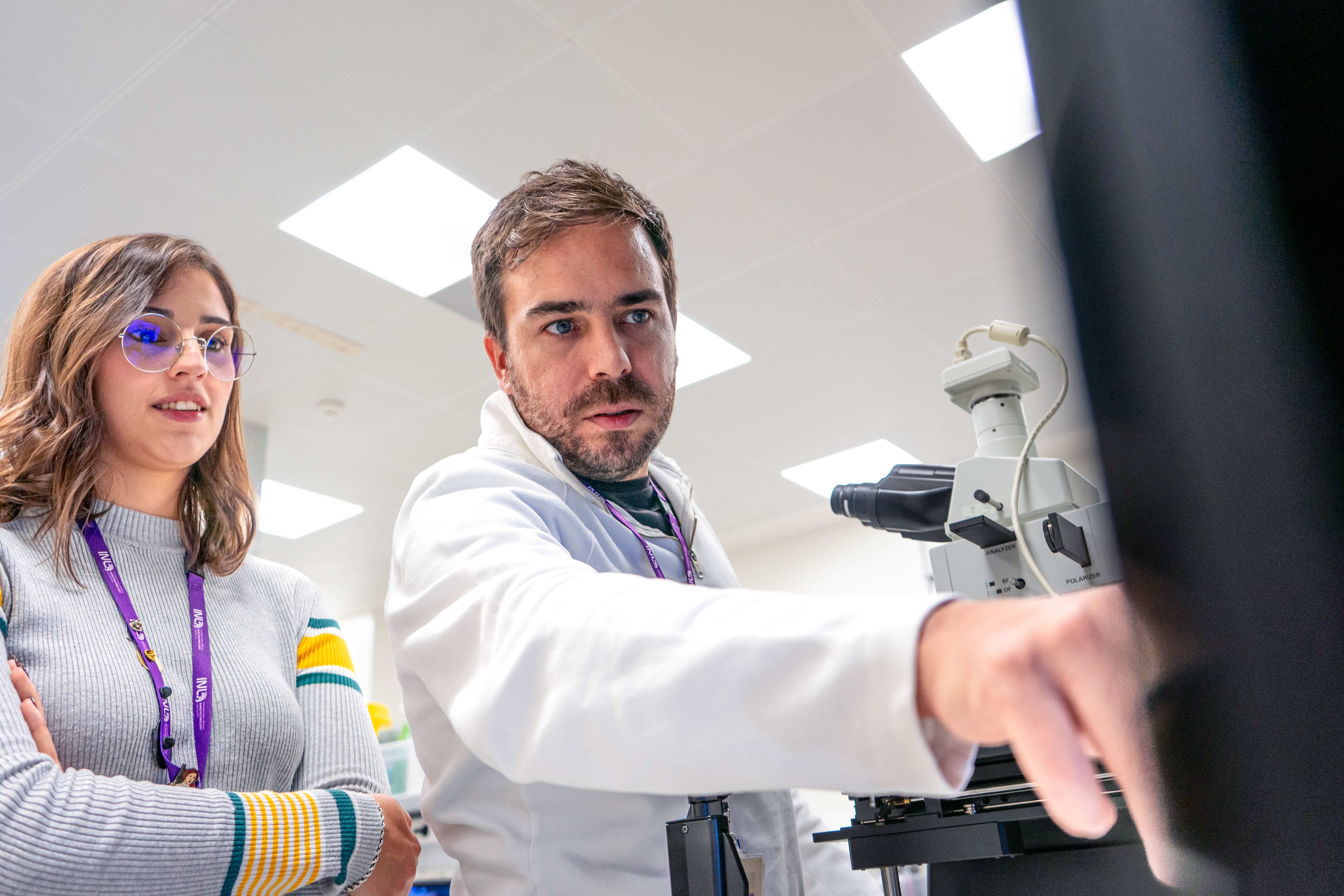
INL researchers Susana Costa, Hedieh Mahmoodnia, Fábio Gonçalves, Adelaide Miranda and Pieter De Beule, in collaboration with INESC TEC, have developed a new approach that could transform how bacterial infections are identified.
Instead of relying on traditional methods that can take days and require complex laboratory procedures, the team focused on something bacteria naturally produce: volatile organic compounds. These are small molecules released during bacterial metabolism, i.e. as bacteria live and grow, forming a unique chemical “fingerprint” for each species.
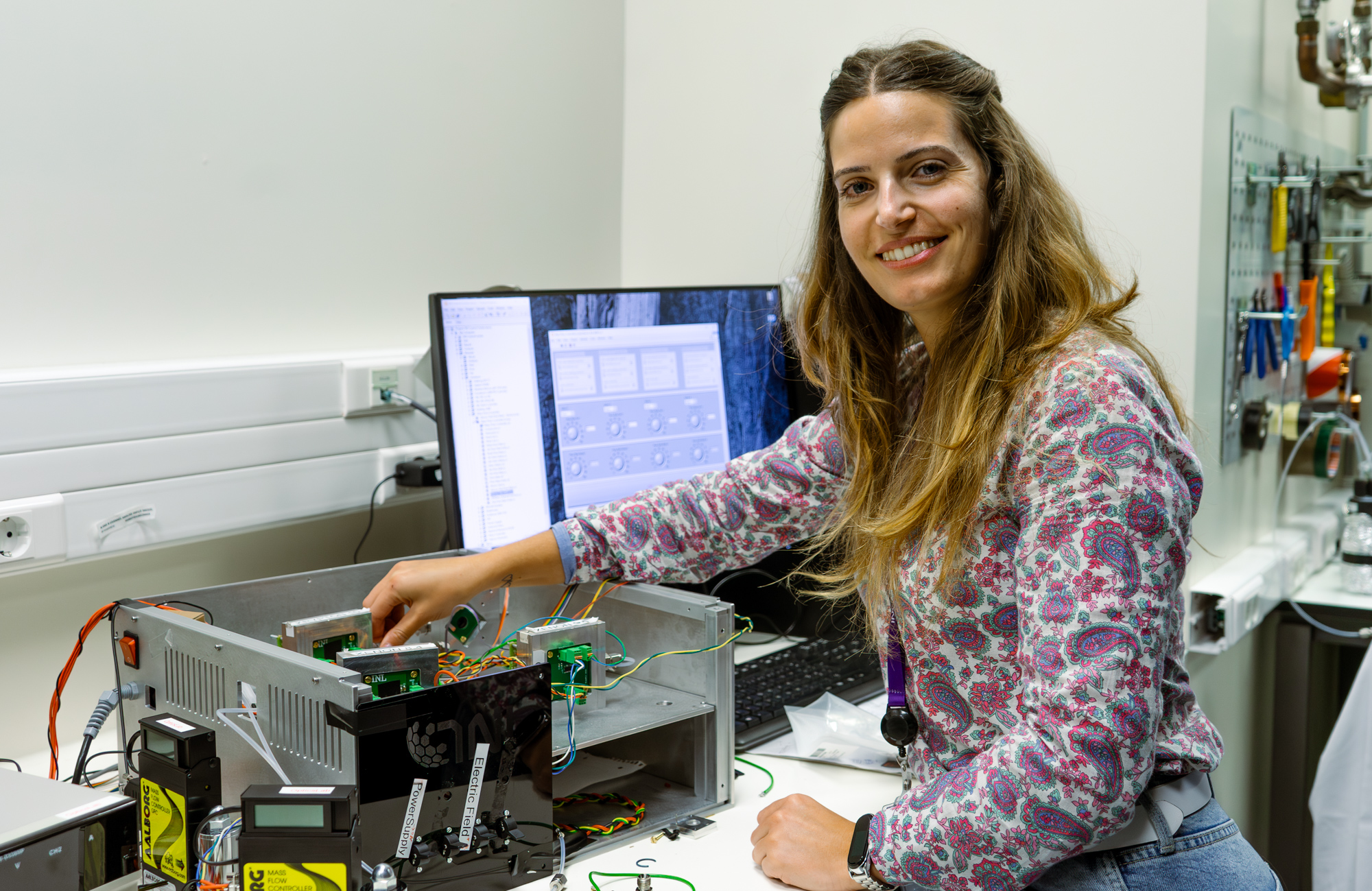
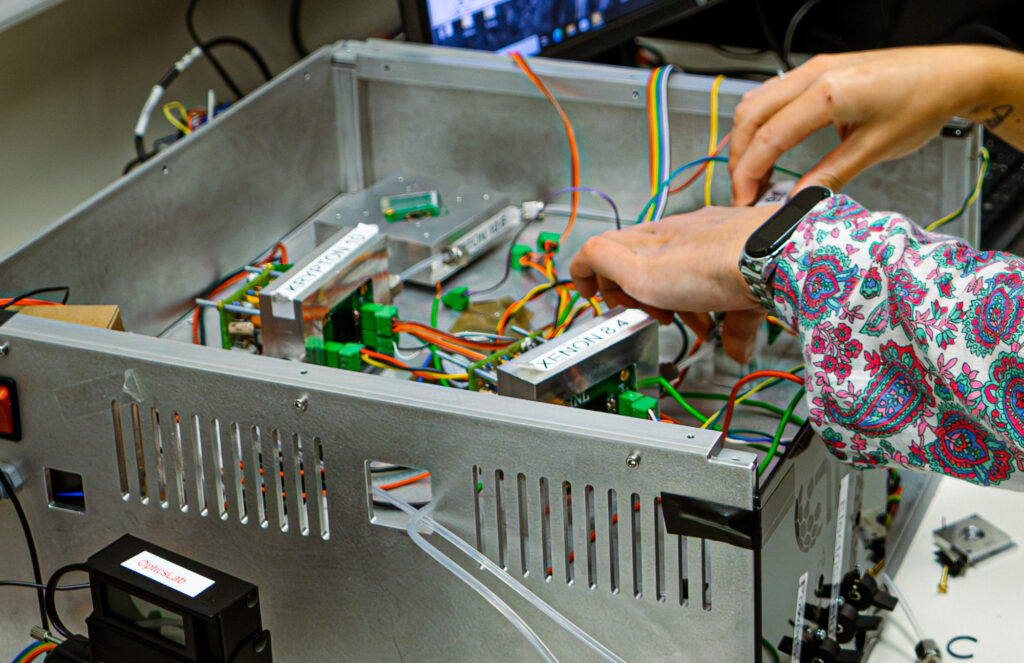
To capture these fingerprints, INL researchers developed a real-time sensing system based on a photoionization detector. By using multiple light sources, the system captures distinct signal patterns from each bacteria species.
Artificial intelligence then learns to recognise these patterns, allowing accurate identification of the bacteria. Susana Costa explains that “by converting the signals into image-like representations, we trained a neural network to recognise and differentiate between bacterial species. This approach enables accurate recognition, while reducing the need for large training datasets, which are often difficult and time-consuming to obtain.”
The detection system was able to sense and distinguish clinically relevant bacteria, including Escherichia coli, Staphylococcus aureus, Pseudomonas aeruginosa, and Klebsiella pneumoniae, at low concentrations and in real time.
By combining advanced sensing with AI-driven analysis, this work opens new possibilities for faster, simpler, and more adaptable diagnostic tools. In a near future, such technologies could support earlier detection of infections, more targeted treatments, and improved patient outcomes.
The study, developed within the SMARTgNOSTICS project, was recently published in Scientific Reports.
Spotlight by Catarina Moura, Clara Miranda, and Rui Andrade
See how we are sharing this breakthrough on LinkedIn, Facebook, Instagram & Bluesky!