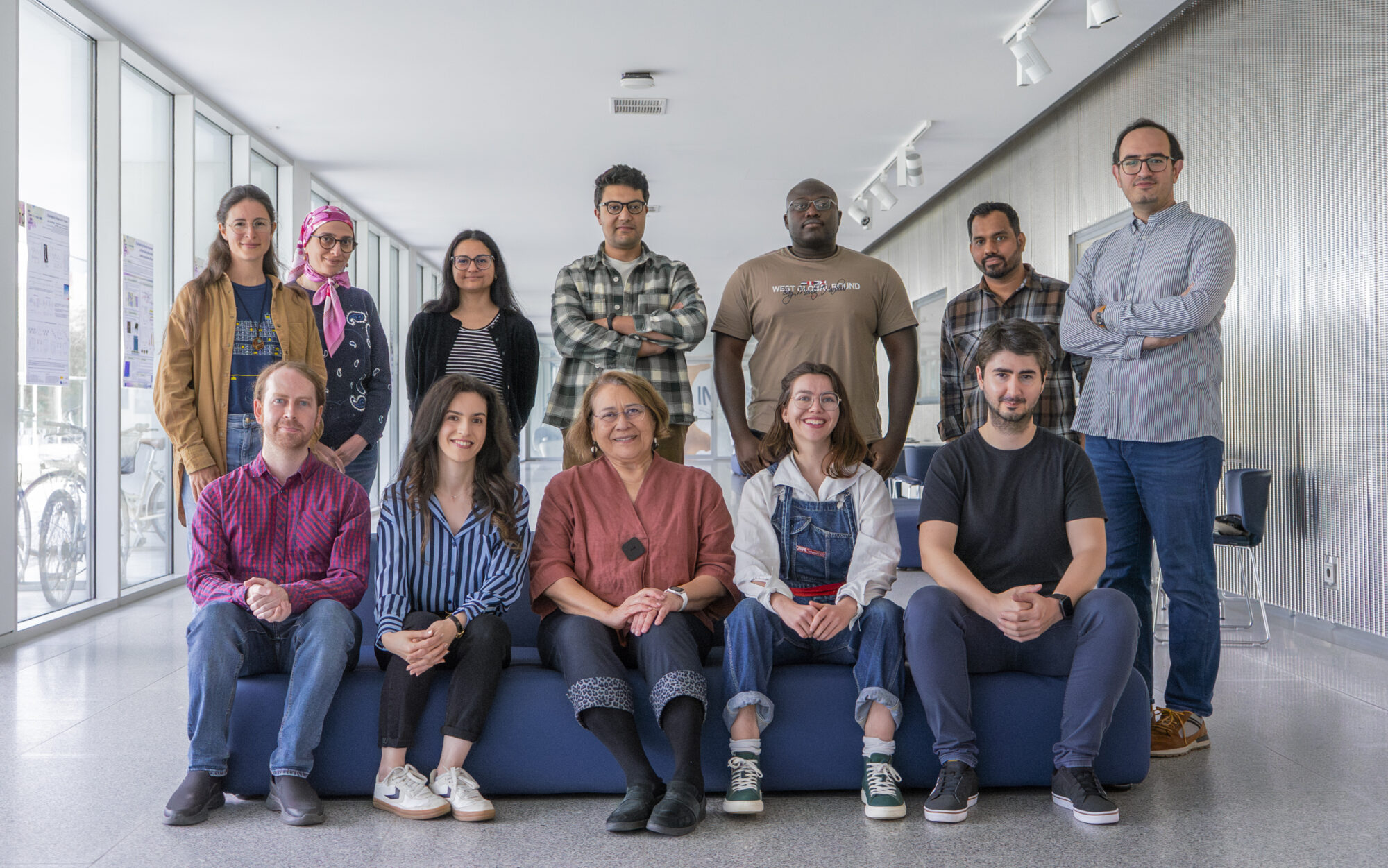
Sotomayor Group
The Sotomayor group explores the physics and applications of lattice vibrations in device-relevant materials and structures. Research activities span emerging-state variables such as phonons, as well as electron – phonon and photon – phonon interactions. A major focus lies on heat dissipation – and by default on energy consumption in ICT – across and along atomically defined interfaces of semiconductors and in arrays such as phononic crystals (PnC). Thermal transport impacts heat dissipation in nano – and optoelectronics, coherence and noise in information and communication technology devices. The group investigates phenomena involving GHz phonons and hundreds-of-THz photons.
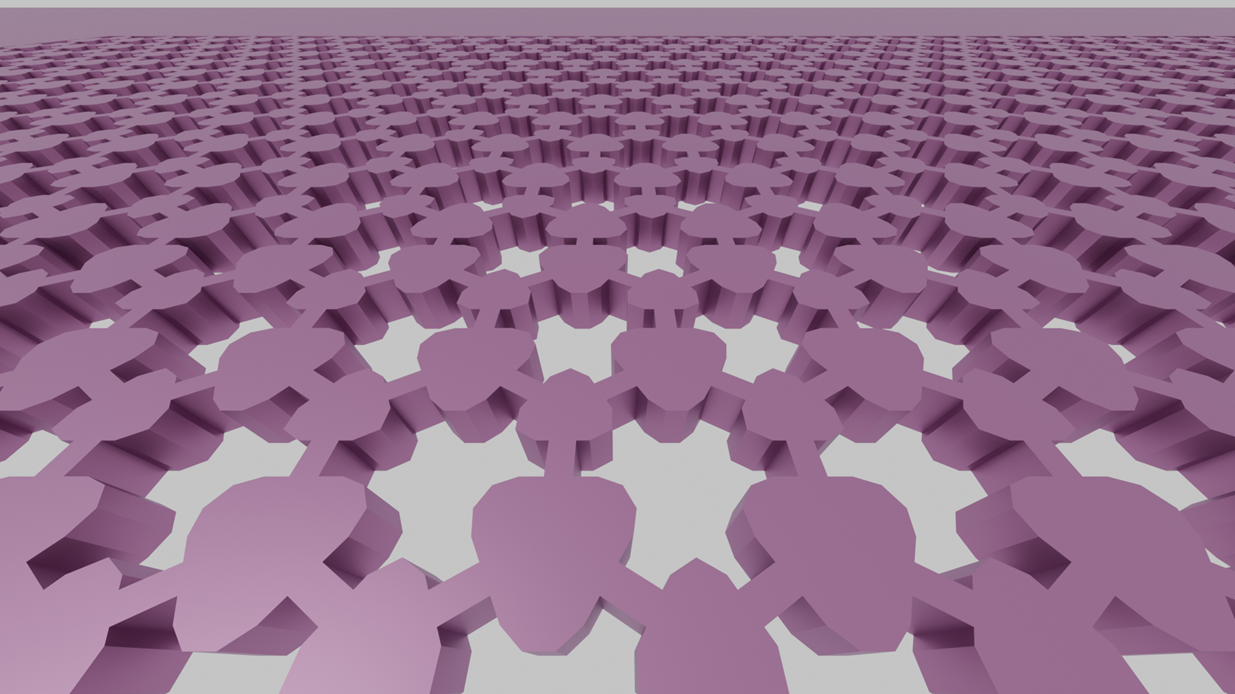
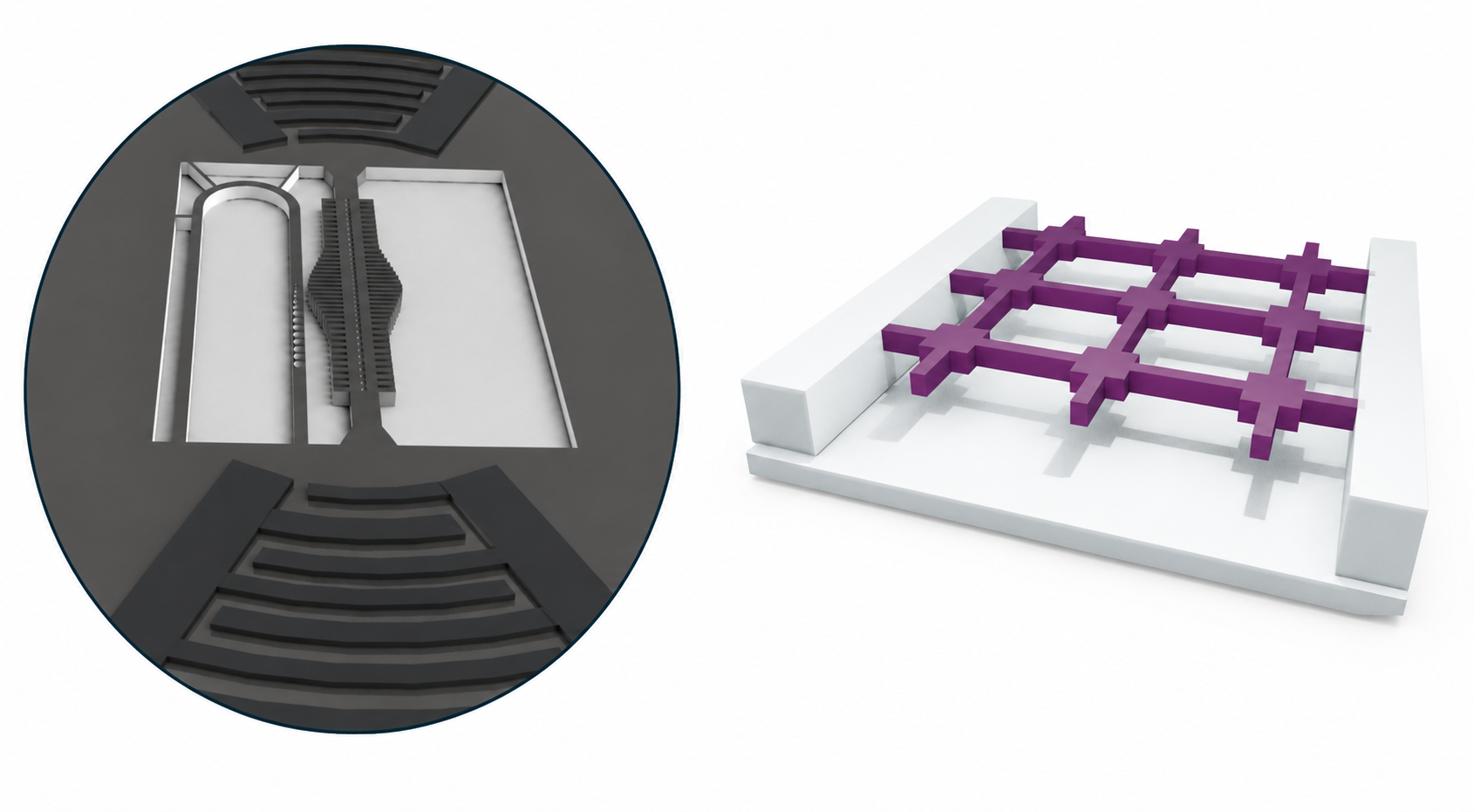
Research spans from the confinement and guiding of elastic waves in two-dimensional (2D) phononic crystal membranes, to the emerging field of topological phononics, within the broader context of topological matter.
The group works on scalable materials, mainly silicon-based, and novel ones such as 2D quantum materials. We aim to have our lab-scale structures compatible with circuits for ICT. Other activities combine the development and further experimental contactless methods including Brillouin light scattering (BLS) spectroscopy and Raman scattering, optical pump-and-probe techniques, vibrometry and optomechanical techniques.
Our mission is to advance experimental and theoretical research on the physics and applications of phonons, their interactions with photons and electrons in condensed matter with an application perspective in ICT.
Research Lines:
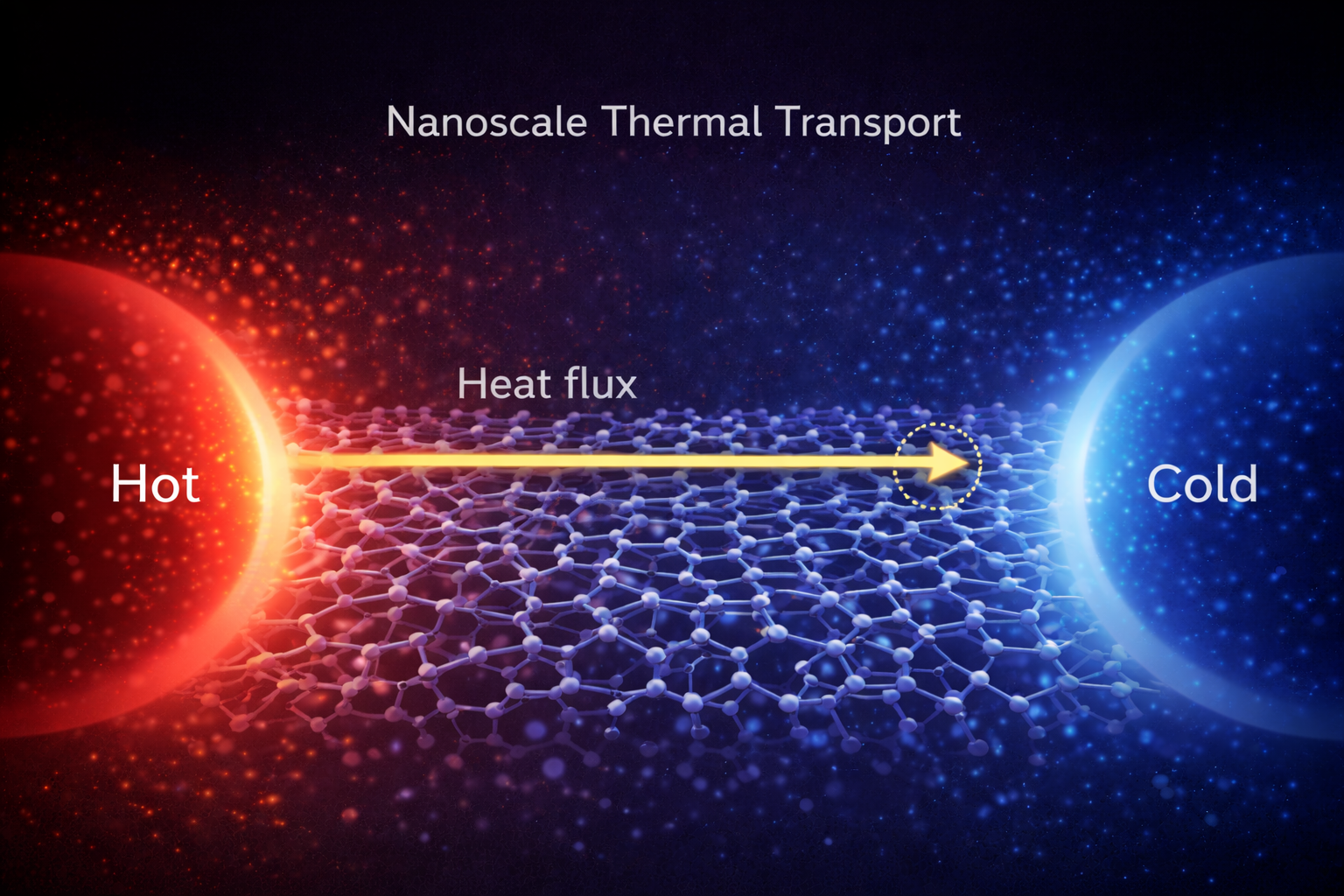
- Nanoscale Thermal Transport
- Topological matter
- NOEMS (optomechanics and the FPUT recurrence)
Methods:
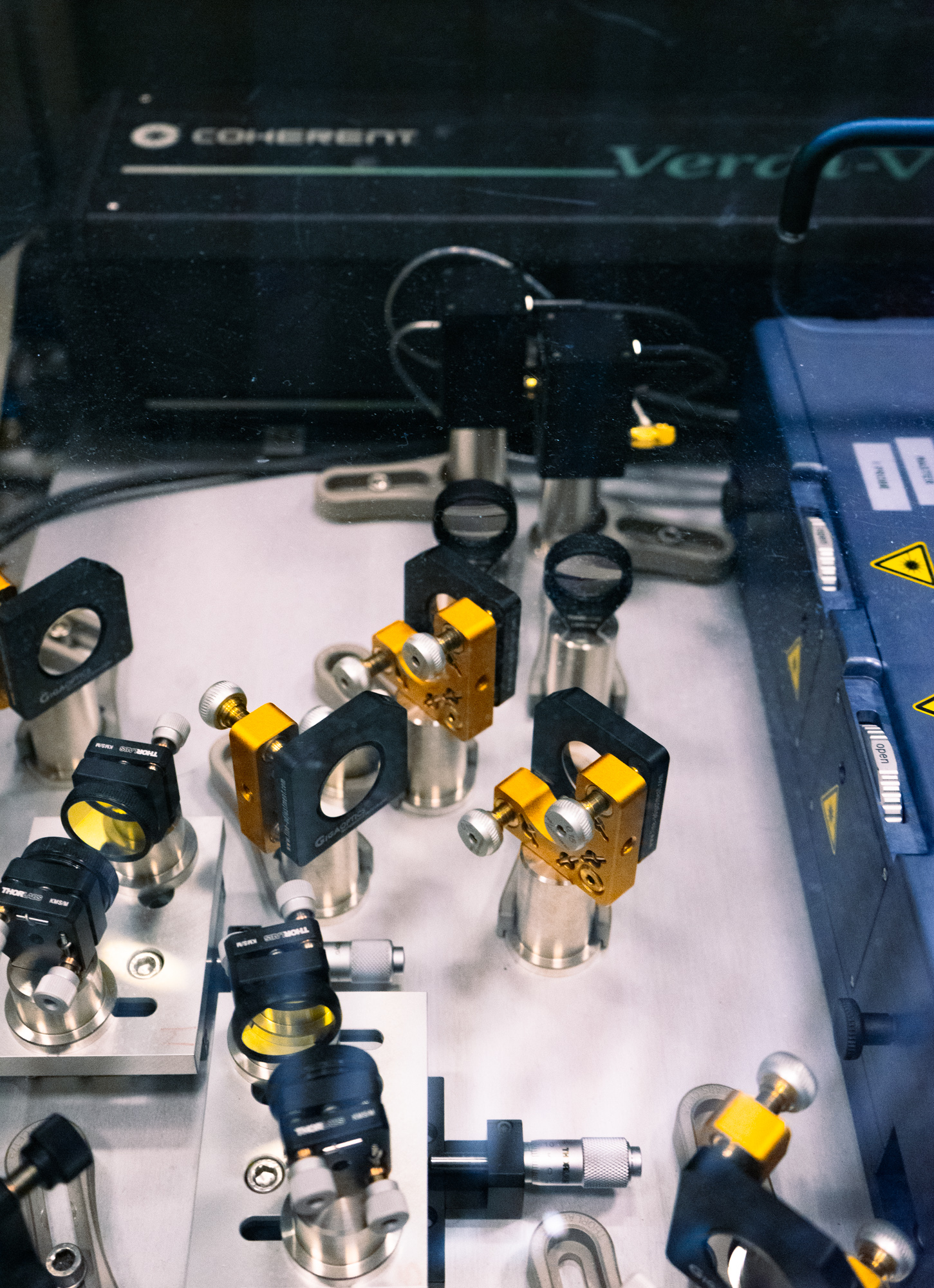
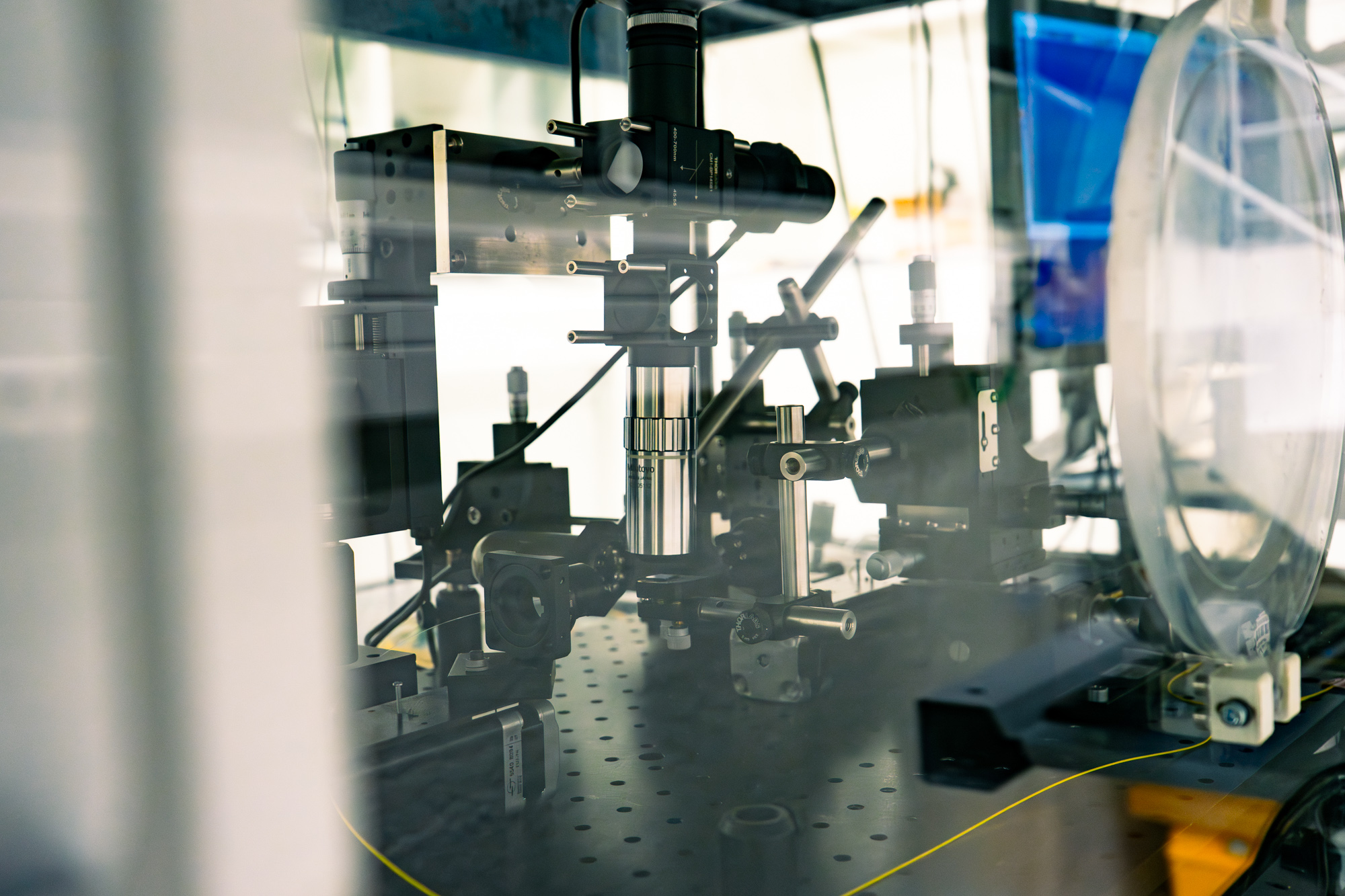
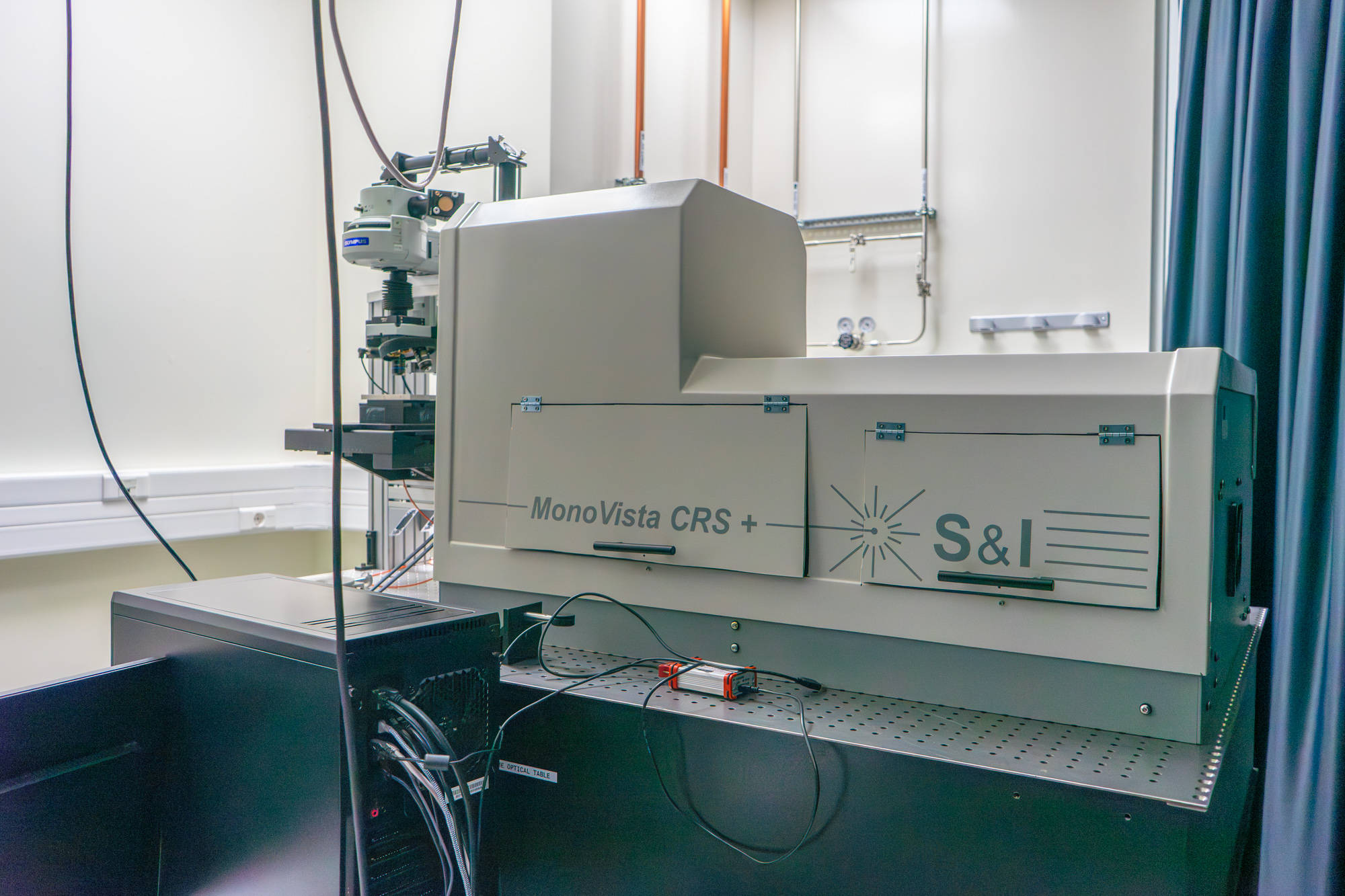
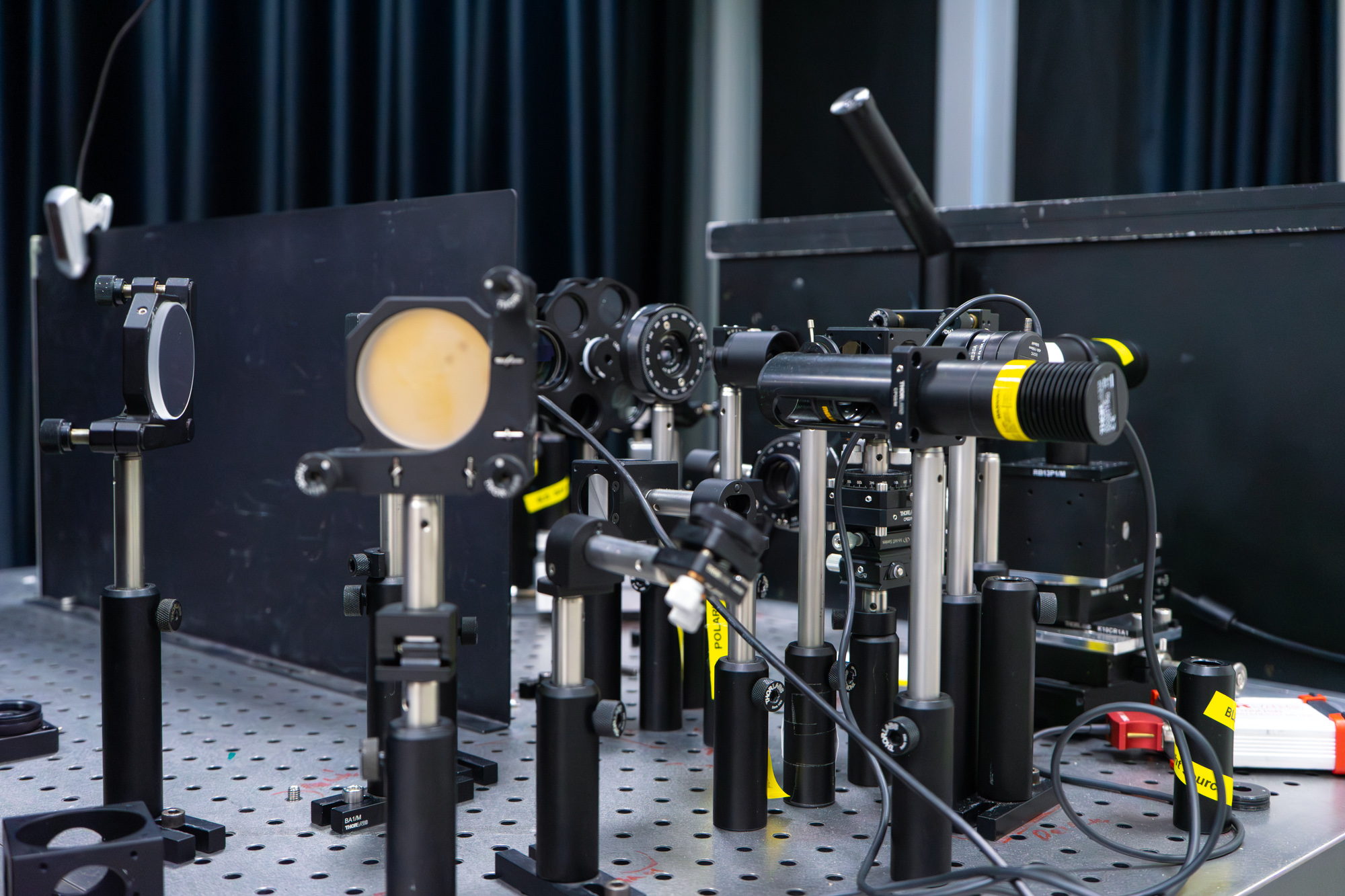
The group has setup two state-of-the-art laboratories for the study of nanoscale thermal transport, optomechanics and topological phononics. The set ups include:
- Raman scattering spectroscopy: suitable also for photoluminescence and for two-laser Raman thermometry;
- Brillouin light scattering (BLS) spectrometer to characterise phonon modes in the 5-100s GHz range. A VIPA (virtually imaged phased array) with ~15 GHz usable span will be set up as key enabler for rapid, high-fidelity spectral mapping of densely packed GHz features in BLS, allowing us to track multiple resonances and sidebands simultaneously;
- Optomechanical characterisation setup based on evanescent optical fibre coupling, at telecommunication laser inputs (1440 – 1640 nm) and dynamical mechanical responses range of a few MHz up to 12 GHz;
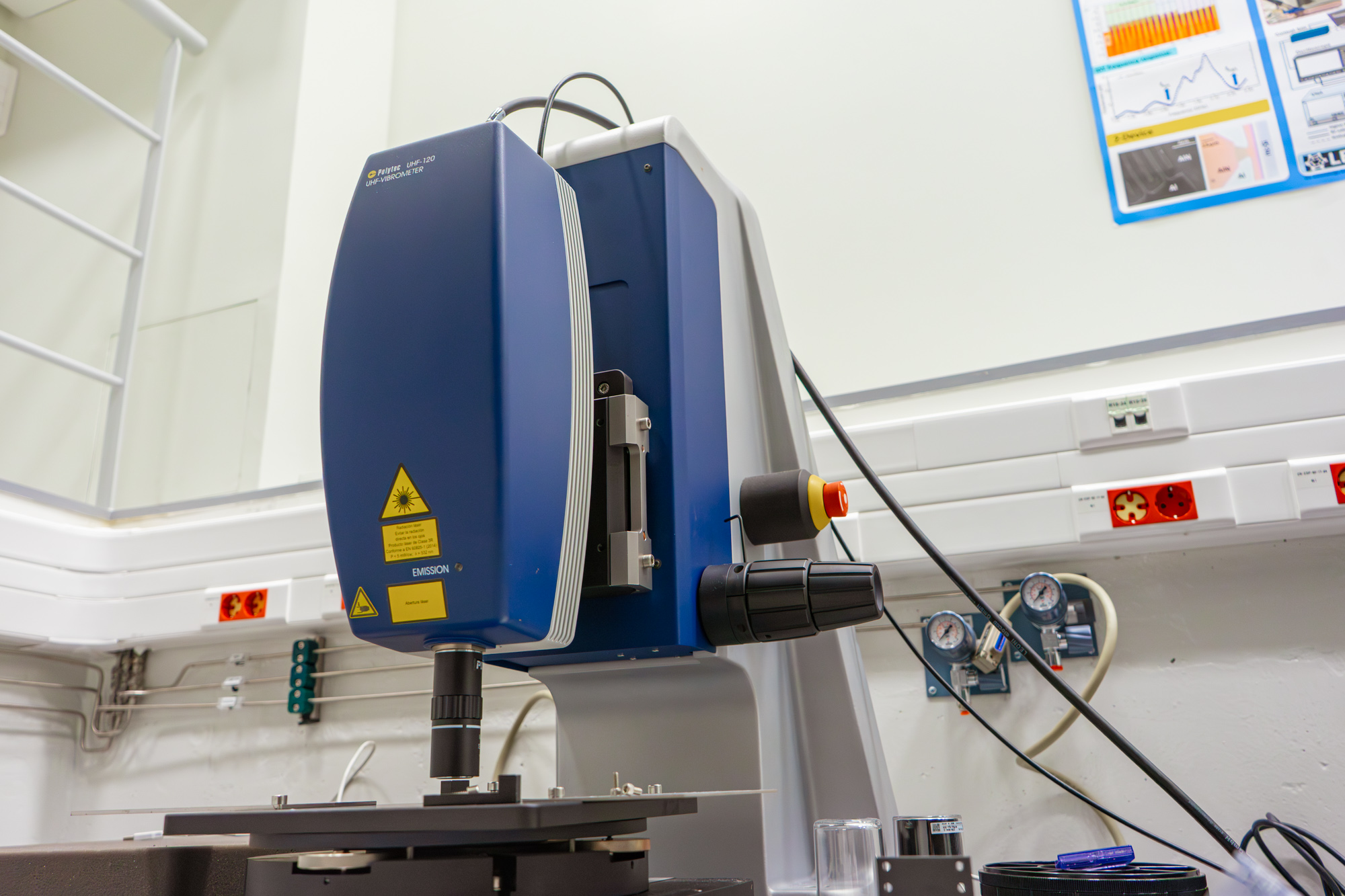
- Laser Doppler vibrometer (LDV), for the detection and analysis of nano-electro-mechanical excitation and propagation up to 2.6 GHz;
- Ultrafast spectroscopy techniques, a time-resolved pump-probe (asynchronous optical sampling – ASOPS) and ultrafast time-resolved terahertz. Oscillators: <50 fs, >1 nJ, 1 GHz, tuning range 750-850 nm;
- Dedicated computational resources. A high-performance workstation for molecular dynamics and first-principles calculations. COMSOL Multiphysics for finite element modelling and for continuum and multiscale thermal transport studies will be acquired.
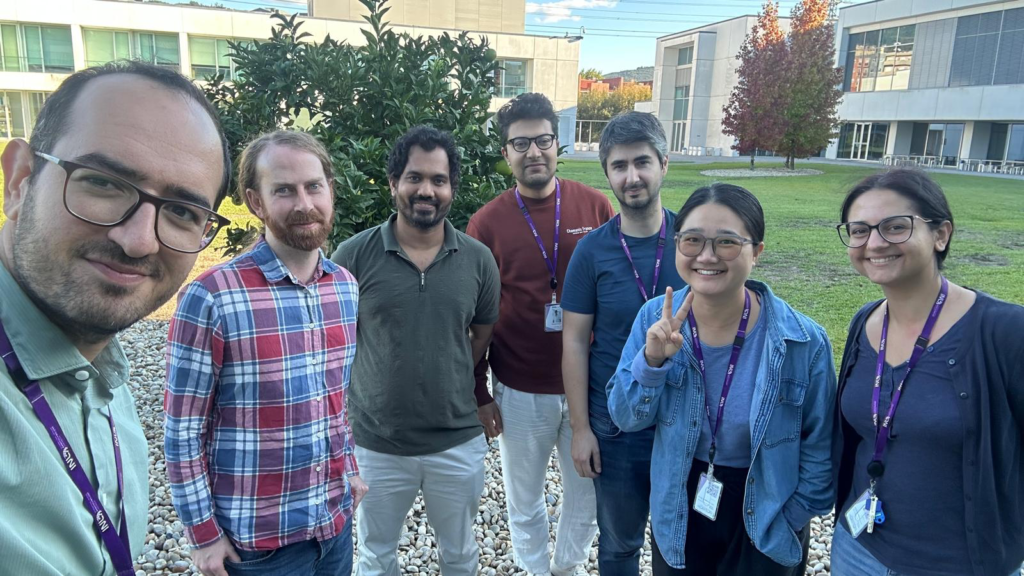
Fun outside the lab




Projects
Publications
-
Quasi-isotropy of nanocrystalline silicon film: An inelastic light scattering study
APPLIED PHYSICS LETTERS, 2026 -
Non-equilibrium transport and phonon branch-resolved size effects based on a multi-temperature kinetic model
MATERIALS TODAY PHYSICS, 2025