Skin-on-a-chip technology for safer materials
August 10, 2026
Nanoparticles are found in many everyday products, from cosmetics and textiles to air pollution. While they offer many benefits, scientists still need better ways to understand how long-term exposure may affect our skin.
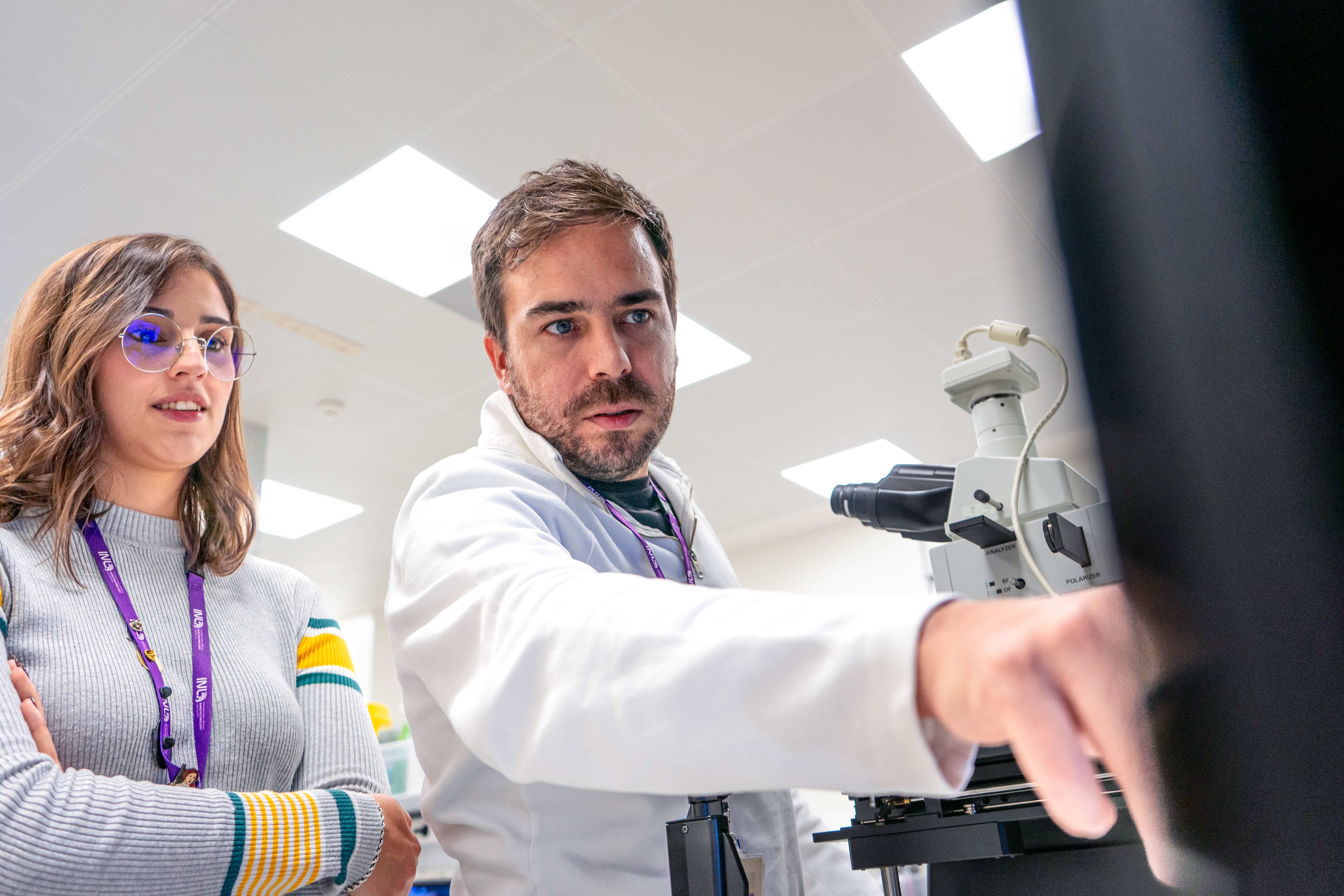
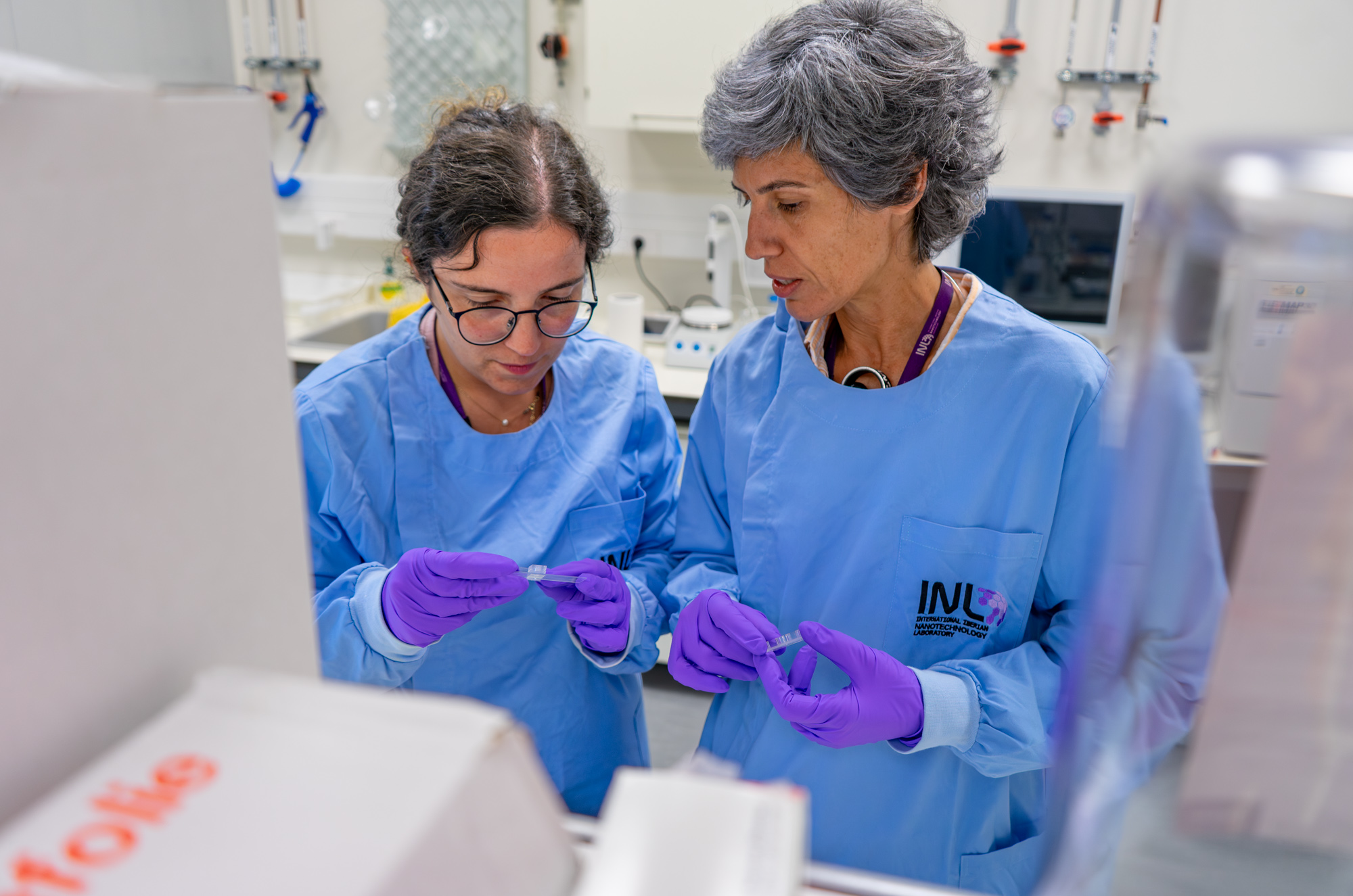
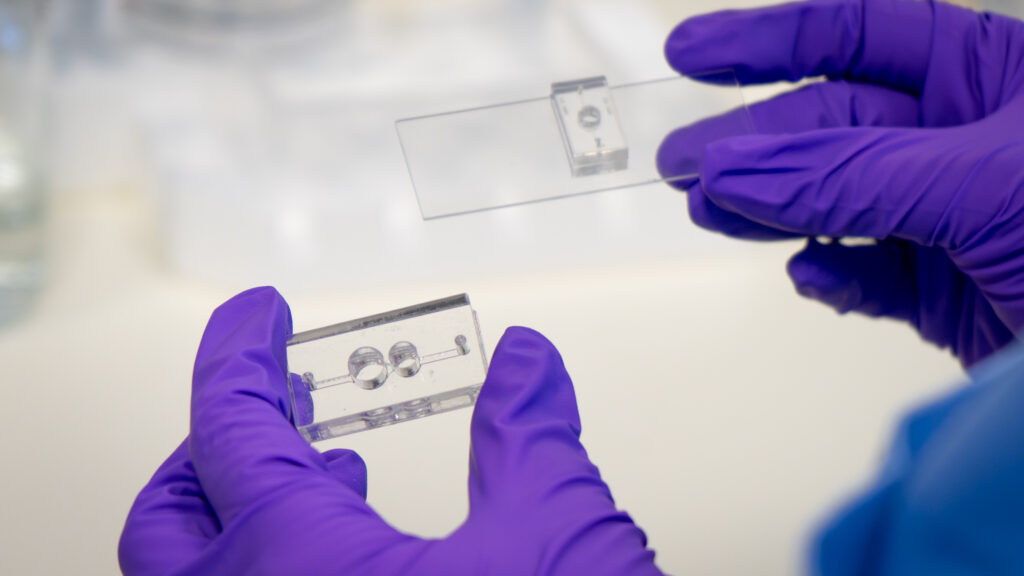
Researchers from Alfaro-Moreno group at INL have developed a new skin-on-a-chip platform that closely mimics human skin, providing a more realistic way to study how nanoparticles interact with our body’s first protective barrier.
Unlike conventional lab models (which grow cells under static conditions) this miniature device continuously supplies nutrients and removes waste, recreating conditions that are much closer to those found in the human body.
The study, carried out by INL researchers Samantha Costa, Filipa Lebre, Alar Ainla, Ernesto Alfaro-Moreno and Ana Ribeiro, in collaboration with researchers from the University of Twente and the University of Minho, demonstrated that the platform successfully reproduces key features of human skin, including its barrier function. “One of the advantages of this platform is its modular design, which allows us to study either only the outer layer of the skin (epidermis) or a full-thickness skin model,” says Samantha Costa, first author of the study.
To demonstrate its potential, the researchers exposed the model to titanium dioxide nanoparticles, commonly used in products such as sunscreens and cosmetics. They observed changes in the integrity of the skin barrier, cell metabolic activity and inflammatory responses, showing that the skin-on-chip model can reliably detect how nanoparticles affect human skin.
Ana Ribeiro, who led this research work, explains: “Building better lab models means making better predictions. By recreating the complexity of human skin-on-chip, we can assess the safety of new nanomaterials with greater confidence while reducing the need for animal testing.”
By providing a more realistic and reliable alternative to conventional laboratory models, this skin-on-a-chip platform could improve the safety assessment of nanomaterials, support the development of alternatives to animal testing, and contribute to the design of safer products.
The research, published in Advanced Healthcare Materials, was supported by the projects LEARN (Horizon Europe), SbDToolBox (Norte 2020), Sinfonia (Horizon 2020), and FCT – Fundação para a Ciência e Tecnologia.
Spotlight by Catarina Moura, Clara Miranda, and Rui Andrade
See how we are sharing this breakthrough on LinkedIn, Facebook, Instagram & Bluesky!